Glazed skin looks glossy, healthy and light-reflective. It also falls apart fast when the chemistry fights itself. Our price tracker shows women in Australia spend the most on serums with vitamin C, retinoids and niacinamide, yet many stack them in ways that cancel benefits or spike irritation. The fix does not sit in a viral hack. It sits in order, texture and timing.
Layer smarter and you bank results. Layer badly and you waste half your budget. We see the waste every sales cycle when returns climb on strong acids and retinoids after summer.
Here is the order that makes sense, backed by how these actives behave, and tuned for Australian sun, heat and humidity.
Australian UV runs high most of the year. The UV Index often hits Extreme (11+) in summer across much of the country. The regulator allowed SPF 50+ labelling in 2012, and that shaped skincare habits. Vitamin C in the morning under sunscreen gained real traction because it boosts photo-protection. Brands now build entire routines around that pair.
We track retail catalogues across Mecca, Adore Beauty, Sephora Australia, Priceline and Chemist Warehouse. Since 2021, our feed shows a sharp rise in multi-active serums that mix niacinamide with vitamin C or mild acids. That trend helps with speed, but it blurs the order. The right order still matters when you use single-ingredient serums or mix formats like anhydrous oils and water gels.
Price data this year also flags creeping markups on retinoids. We see more launch activity in encapsulated and “beginner” formats. Those help more women start, but they still need the right spot in the routine. Put your retinoid in the wrong place and you blunt it, then buy another product to fix the irritation you caused. We can cut that loop.
{{IMAGE:woman applying vitamin c serum in morning}}The simple order: texture first, chemistry second
Start with the two rules that solve 80% of layering problems. Go from thinnest to thickest. Respect the chemistry that needs a certain pH or an oil phase.
Water-based serums sit near the start. They carry low-viscosity actives like pure L-ascorbic acid vitamin C, niacinamide, peptides and most hydrating agents. Follow them with light emulsions. Then oils. Then occlusives. In the morning, put sunscreen on last. If you want a glossy topcoat, pick a sunscreen with a dewy finish so you keep protection intact.
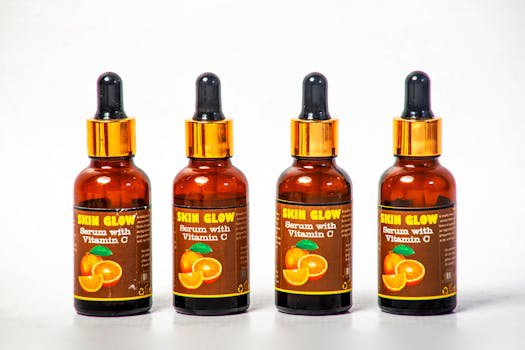
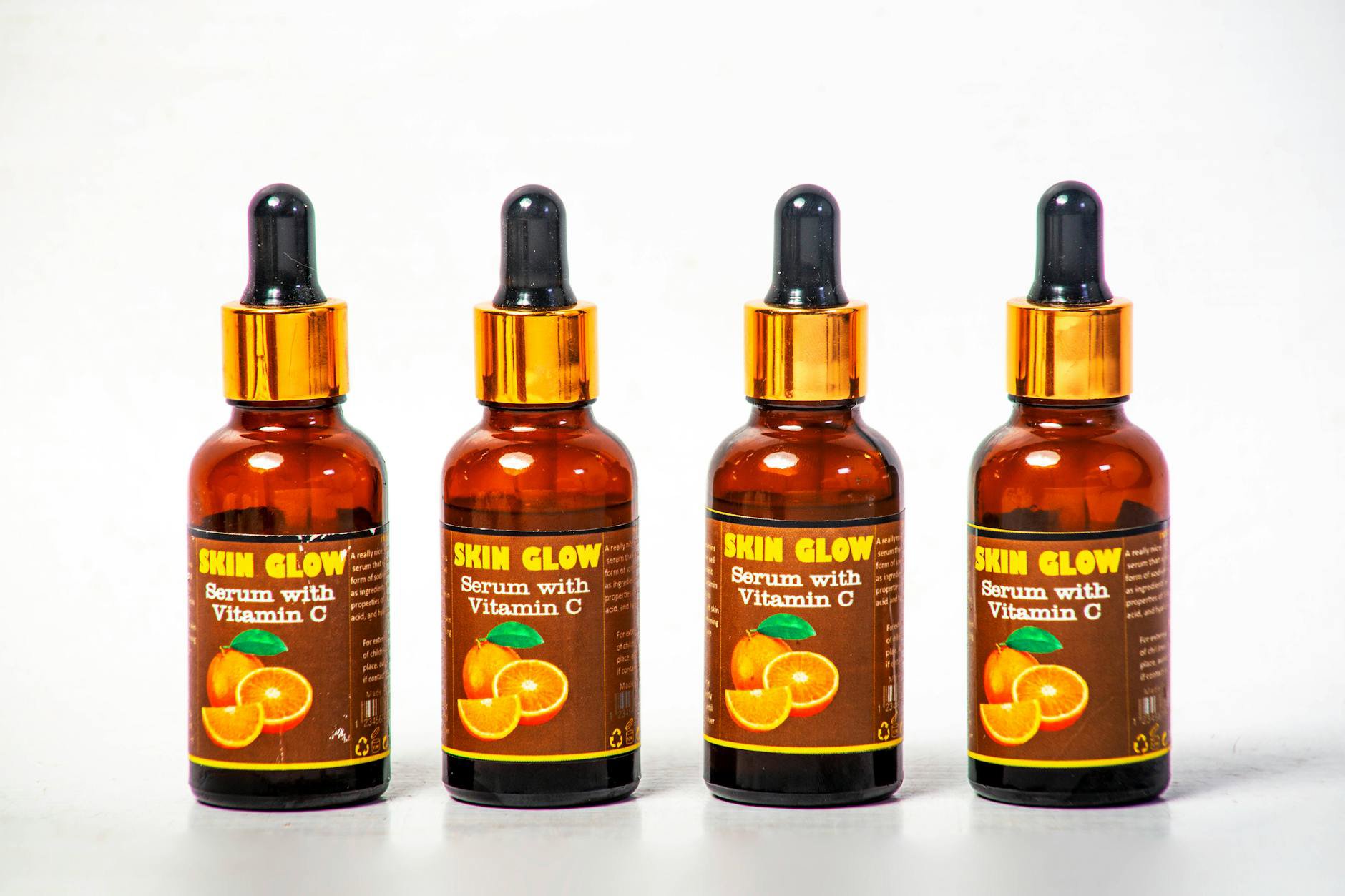
Vitamin C matters here. Pure L-ascorbic acid works best in a low pH formula. You do not need a long pause between steps, but you should avoid smothering a low pH serum with a heavy cream right away. Give it a short minute, or pick a light gel moisturiser. Oil-soluble vitamin C derivatives like tetrahexyldecyl ascorbate sit later in the routine because they live in oil or silicone bases.
Niacinamide handles most positions. It works at a broad pH and pairs with almost anything. Retinoids need the night slot for most women and perform best on dry skin. Sensitive skin can buffer retinoids with a small amount of moisturiser under or over the retinoid. That lowers the sting and still drives results over time.
Morning routine for glazed protection: vitamin C, niacinamide, SPF
Morning goals look clear. You want antioxidant support, barrier strength and broad-spectrum SPF 50+. You also want that soft-gloss finish that holds makeup if you wear it. Our advice stays simple and repeatable.
Step-by-step for most skin:
- Cleanse with a gentle gel if you sweat overnight. Skip a full cleanse if your skin runs dry. Rinse and pat dry.
- Apply a water-based vitamin C serum if you use pure L-ascorbic acid. Two or three drops cover the face and neck. Keep it off the eyelids.
- Layer niacinamide next if your vitamin C does not already include it. Aim for 2–5% in a hydrating base. Higher strengths exist, but they often add no extra benefit and can tingle.
- Seal with a light moisturiser if you need one. Pick gels in humid months and creams in winter.
- Apply sunscreen last. Use a generous amount. The two-finger method or around a quarter teaspoon for face gives you the labelled protection.
Vitamin C options span formats. If you prefer a stable oil format, go with an oil-soluble derivative and shift it after your water serums. That change matters if you also use a water gel niacinamide. Oil tends to block water. Keep the water layers first. For a shortlist, check brands like Clinique, L'Oréal and Estée Lauder. They produce both water-based and oil-based antioxidant serums.
The old warning about niacinamide and vitamin C clashing came from heat-exposed mixes that formed nicotinic acid and caused flushing. Brands do not cook your serums at high heat on your face. Modern formulas stay stable at room temperature. Many products now include both. If your skin reacts easily, split them across AM and PM. If not, stack them without fuss.
Finish with sunscreen. You can shop dewy finishes inside our SPF Protection Products category. Add your favourites to a wishlist and we will alert you when prices shift across Sephora Australia, Adore Beauty and Chemist Warehouse.
Night routine for repair: retinoids without the rough start
Retinoids build collagen, smooth texture and even tone. They also drive the most frustration. The start period brings flaking and sting for many women. You can solve that with order, frequency and buffer.
Run this plan:
- Cleanse and dry your face. Dry skin lowers the risk of sting.
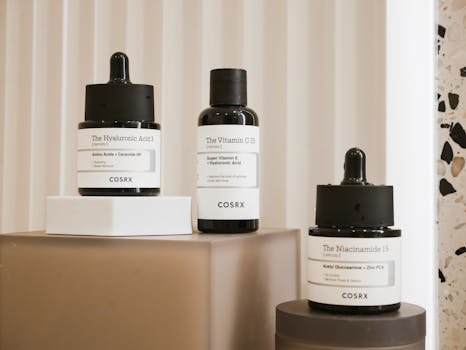
- Apply a hydrating serum if you run sensitive. Hyaluronic acid or beta-glucan soothes without blocking actives.
- Use your retinoid. Pea-sized amount or a few drops if it is a serum. Spread thinly, not just on spots.
- Add moisturiser. Use a richer cream if your cheeks peel.
New to retinoids? Start twice a week. Step up to alternate nights after two weeks if your skin stays calm. The sandwich method helps a lot. Tap a thin layer of moisturiser, add retinoid, then seal with another thin layer. That method reduces contact intensity and still builds results over months.
Do not pair strong acids with retinoids on the same night if you peel easily. Save AHA or BHA for a different evening. Mixing benzoyl peroxide with tretinoin can reduce efficacy of some forms. Many brands now stabilise the mix, but if you use prescription tretinoin, keep benzoyl peroxide for morning or alternate nights. You will find non-prescription options across Lancôme and Shiseido for retinol formats if you avoid scripts.
We see steady promos on barrier creams at Priceline and Chemist Warehouse in winter. Use that window to stock a plain moisturiser. It supports retinoid nights and saves you from buying a second treatment product you do not need.
Mix-and-match rules: what pairs, what to rotate
The glazed finish holds best when your barrier stays happy. Smart pairing helps. So does rotation. You do not need every active every day.
Pairs that work well:
- Vitamin C + sunscreen in the morning. That pair raises your defence against free radicals from UV and pollution.
- Niacinamide + almost anything. It calms redness, supports barrier lipids and helps pores look smaller. It also steadies melanin transfer, which helps with uneven tone.
- Azelaic acid + niacinamide at night if you treat redness, blemishes or pigment. Alternate with retinoids if your skin runs sensitive.
- Peptides + retinoids. Peptides add support without extra sting. Put peptides before a retinoid if they sit in a water gel.
Pairs to approach with care:
- AHA/BHA + retinoids on the same night for sensitive skin. Rotate instead. Use acids once or twice a week at night, and retinoids on other nights.
- Pure L-ascorbic acid + strong exfoliating acids in the same morning. Many women can use both, but sensitive types may flush. Use acids at night to keep mornings calm.
- Benzoyl peroxide + prescription tretinoin in a single step. Separate them unless your dermatologist confirms your formula holds stable.
If you want a one-and-done serum, look for blends that combine antioxidants and niacinamide. Browse by format inside Day Face Serums. Add candidates to your wishlist and we will ping you when the price drops at Mecca or Sephora Australia. Blends cut steps and lower your risk of pilling. They also lock the chemistry for you so you worry less about order.
Formula types matter: water, anhydrous, oils and occlusives
Texture decides the lane order. Ingredients only tell half the story. Know what base your serum uses and you avoid most pilling and patchy wear.
Water-based serums feel runny or like a light gel. Put them first after cleansing. That category includes most niacinamide serums and many vitamin C derivatives. Brands like Garnier and Revolution live here with budget-friendly picks.
Anhydrous serums skip water and use silicone or oil. Many pure vitamin C L-ascorbic acid powders dissolve into water, but some brands suspend ascorbic acid in silicone. Those sit later because they form a film that can block water gels. Anhydrous textures pair well before oils but after water serums. Spend a few seconds on the ingredient list. If you see cyclopentasiloxane or dimethicone high up, treat it like an anhydrous step.
Face oils carry emollients like squalane, jojoba or seed oils. They sit late in the stack. Oils soften the glaze and add slip. If you use foundation, check your base. Silicone primers and oil-heavy skincare can fight, then makeup balls up. Use a water gel moisturiser when you plan to prime with a silicone base from brands like MAC or Sephora Collection. You can explore options inside Face Primers.
Occlusives like petrolatum or thick balms sit last at night only. They trap water and boost the glazed look in winter. Avoid them in the morning over sunscreen. They can shift the film and reduce even coverage. If you want gloss in the day, pick a hydrating sunscreen with a dewy finish instead.
Skin goals and edits: sensitivity, acne, pigment and pregnancy
Most routines need minor edits for skin behaviour and life stages. You can keep the core order and change the active set and frequency.
Sensitive or rosacea-prone skin:
- Keep vitamin C calm. Try a derivative like 3-O-ethyl ascorbic acid or THD ascorbate if pure L-ascorbic acid burns.
- Lean on niacinamide at 2–5%. It supports barrier repair and reduces redness over time.
- Use retinoids with a buffer. Start once weekly. Step up very slowly. Consider retinaldehyde or encapsulated retinol for a gentler entry.
Acne-prone skin:
- Pick a water-based vitamin C and a light moisturiser. Avoid heavy oils if they break you out.
- Use niacinamide daily. It helps regulate sebum and improves post-blemish marks.
- Add azelaic acid on alternate nights to retinoids. Keep benzoyl peroxide separate from prescription tretinoin unless guided otherwise.
Hyperpigmentation and melasma:
- Build a morning stack of vitamin C, niacinamide and SPF 50+. Reapply sunscreen if you spend long hours outdoors. Hats help.
- Rotate azelaic acid and a retinoid at night if your skin tolerates both.
- Consider supporting actives like licorice extract and tranexamic acid in your serum mix. Check Anti Ageing Face Serums for options that pair brighteners with antioxidants.
Pregnancy and breastfeeding:
- Avoid retinoids. Swap for azelaic acid and niacinamide at night. Vitamin C stays fine for most women.
- Keep SPF strict. Australian UV stays high. Reapply if you sweat or swim.
Across all groups, patch test strong actives. Use a small amount behind the ear or along the jaw for a few nights. You do not need a full wait between layers during routine use. The exception sits with high-strength acids. Many women prefer to let an AHA exfoliant sit for a few minutes before moisturiser. If you feel sting, shorten contact or reduce frequency instead of stacking more products to numb the sting.
Heat, humidity and sweat: glazing that lasts in Australia
Australian summers challenge the glazed look. Sweat lifts layers. High UV demands strict sunscreen. You can still keep gloss and hold makeup.
Use humectants first. Glycerin and hyaluronic acid pull water and lay the groundwork for sheen. Follow them with a light emulsion loaded with emollients that sink in fast. Squalane, caprylic/capric triglyceride and esters deliver slip without heavy occlusion. Save thicker balms for winter nights.
Pick sunscreens that set with a dewy finish but resist sweat. Look for water resistance if you live in the tropics or train outdoors. Many modern formulas give a soft gloss without a greasy cast. Try gel-cream formats and silica-treated finishes that catch light and still grip. Our SPF Protection Products page filters by finish and type. Use the wishlist if you wait for seasonal sales at MYER or Adore Beauty.
If you wear makeup, let sunscreen set for a few minutes. Then add a thin layer of a hydrating primer and spot powder only where you need grip. That approach keeps the high points glossy. Explore primers and setting picks inside Face Primers and foundations that suit hot weather inside Liquid Foundations. Keep powder off the cheekbones and the bridge of the nose if you want that glassy light bounce.
{{IMAGE:closeup dewy glazed skin woman sunscreen beach}}Money talk: what to buy first, what to skip, and where prices move
We analyse promotions every week across Australian retailers. Some actives discount often. Others hold their price. If you plan a routine, allocate spend to products that drive change and shop around for the rest.
Spend first on:
- Sunscreen you love and will use daily. Finish sits at the core of the glazed look in daylight. If you hate the texture, you will skip it. That breaks everything.
- A vitamin C you can use most mornings. Pick a format your skin accepts. It does not need to be the most expensive option. Stability and packaging matter. Dark bottles and air-restrictive pumps win.
- A retinoid you can tolerate. That might be a low strength at first. You will still see gains over time.
Save on:
- Niacinamide. You can find solid formulas from Garnier and Revolution that go on sale often at Priceline and Chemist Warehouse.
- Hydrators and basic moisturisers. Many sit on promotion and deliver the same humectant blend as prestige options.
- Makeup tools to support the glaze. Good sponges and brushes do not need luxe price tags. Browse Makeup Brushes & Applicators and set price alerts.
Skip for now:
- Extra single-ingredient serums that duplicate actives in your blends. Read the INCI list. Many brightening serums already include niacinamide.
- Strong peels if you start retinoids. Build tolerance first. Add weekly acids once your skin calms.
Use our comparison pages. We track prices across major Australian retailers so you do not have to refresh twelve tabs. Add the items you plan to buy to your wishlist. We will email you when our feed sees a drop. Consider value sets as well. You can find them inside Skin Care Sets, often with full-size SPF or a travel retinoid at a better bundle value.
A working AM/PM order you can copy and tune
Here is a simple blueprint for the glazed look with real actives in the right places. Adjust for your textures and skin type.
Morning:
- Cleanser if needed
- Water-based vitamin C serum
- Niacinamide serum (skip if your vitamin C already includes it)
- Light moisturiser if needed
- SPF 50+ sunscreen
Night:
- Cleanser
- Hydrating serum if sensitive
- Retinoid
- Moisturiser
- Optional oil or balm in winter
Alternate nights for acids:
- Swap retinoid for a gentle AHA or BHA once or twice a week if you want extra smoothness. Keep the rest of the stack the same.
Product ideas to explore on GlamGeek: antioxidant options from Estée Lauder and Clarins, hydrating moisturisers in Day Face Moisturisers, night creams in Night Face Moisturisers, and retinol choices across Lancôme and Shiseido. Use the wishlist and price alerts. You will catch deals around Mother’s Day, EOFY and Boxing Day.
What this means for your skin and your budget
The order drives results and cuts waste. Put water-based serums first, then anhydrous, then oils, then occlusives. Keep vitamin C and niacinamide in the morning. Place sunscreen last. Run your retinoid at night on dry skin and buffer if you react. Rotate acids if you peel easily. Use azelaic acid for redness or pigment on alternate nights.
Australia’s climate raises the bar. Heat and UV do not forgive haphazard routines. Pick sweat-resilient sunscreens, lighter textures for summer and richer creams only when the air dries out. You can keep the glazed look all year with these tweaks. The finish comes from hydration and smart emollients, not from heavy occlusion alone.
Spend where the science drives change. That means sunscreen, vitamin C and a retinoid you will use. Save on niacinamide, hydrators and tools. Our data shows frequent promos on those categories at Australian retailers. Build a shortlist on GlamGeek, compare across stores, and let alerts do the work.
Over to you
What does your current order look like, and where does it break down? Tell us which actives you plan to keep for summer and which ones you will rotate. Add your picks to a GlamGeek wishlist, set price alerts, and shop the routine that gives you glazed skin with real science behind it.
![Lumene Nordic-C [Valo] Glow Cream Spf30](https://media.glamgeek.com/media/2026/02/06/c0cef909-16ab-49f9-865e-278e63871493_sm.jpg)