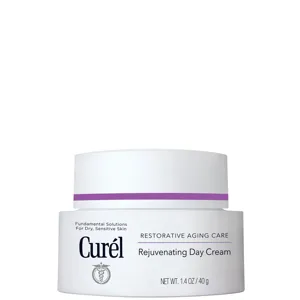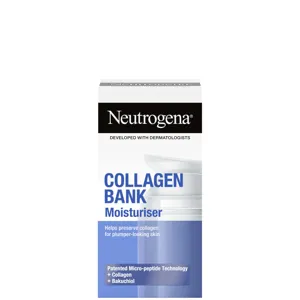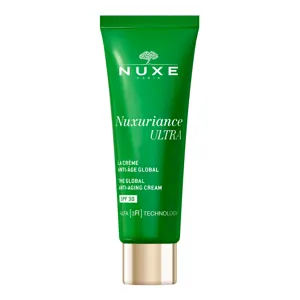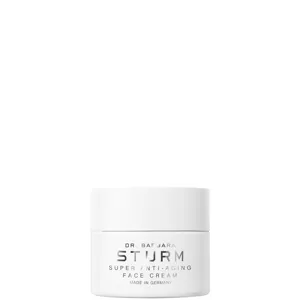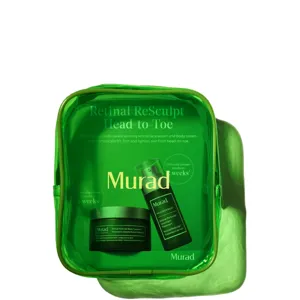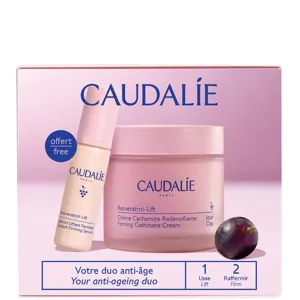
Shoppers with reactive skin keep searching for anti‑ageing help that doesn’t sting, flush or peel. Our feed shows a steady rise in fragrance‑free, barrier‑first creams across major Australian retailers. The market finally treats sensitivity as a core need, not a niche afterthought.
Choice still brings risk. One strong retinol can undo months of calm. One essential oil can tip a reactive face into a spiral. You can avoid that. Read labels with focus, start slow, and pick textures that suit our heat and UV.
Here’s a straight guide to picking an anti‑ageing cream that works for sensitive skin, without the drama.
Context: Australia’s skin, climate, and shelves
Australia pushes skin hard. UV runs high most of the year. Summers swing from dry heat to sweaty humidity, sometimes in one week. Air‑con blasts indoors, while sea salt and chlorinated pools strip outside. Sensitive skin feels all of that faster. It reacts to fragrance, scrubs, and heavy actives. It also needs daily SPF, which can irritate when filters clash with a compromised barrier.
Retail access has improved. Fragrance‑free and “barrier repair” lines now sit in Priceline and Chemist Warehouse, not only at boutique counters. Sephora Australia, Mecca, MYER, and Adore Beauty stock gentle retinoid options and peptide creams in travel sizes. Our price tracker shows regular replenishment of fragrance‑free night creams before winter and just after Boxing Day, when many women rebuild routines. That’s good timing for sensitive buyers who test slowly and avoid impulse jumps.
There is an “Australia tax” on some imports. We see higher RRPs here for several prestige anti‑ageing ranges. Stock cycles also differ from the US and UK. A popular sensitive‑safe variant can sell out nationally, then trickle back online first. If you spot your match, use GlamGeek’s wishlist. We’ll ping you when it drops back in or goes on promo, so you can act without hovering.
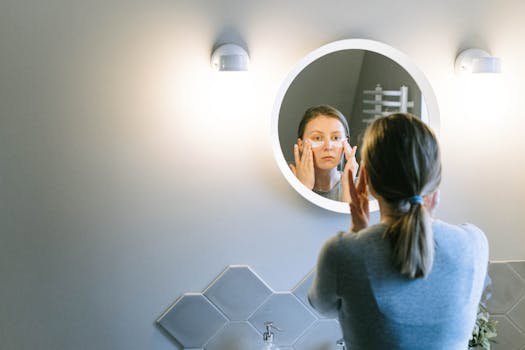
{{IMAGE:woman applying face cream sensitive skin}}Read the label like a sceptic
Marketing claims can blur real risk. “Hypoallergenic” has no strict legal definition in Australia. It can still contain common fragrance allergens. “Unscented” can hide masking fragrance that stops a product smelling like base ingredients. Sensitive skin does not forgive that sleight of hand.
Look for clear, useful signals instead. “Fragrance‑free” helps. “Essential oil‑free” helps more. Scan the INCI list. Keep an eye out for these red and green flags:
- Red flags: parfum/fragrance, essential oils (lavender, citrus oils, tea tree), known fragrance allergens (limonene, linalool, citronellol, eugenol), strong alcohols (SD Alcohol, Alcohol Denat.) high in the list, harsh scrubs, high AHA/BHA blends, and methylisothiazolinone (MI) or methylchloroisothiazolinone (MCI) in leave‑ons.
- Green flags: ceramides, cholesterol, fatty acids, glycerin, hyaluronic acid, panthenol, squalane, bisabolol, allantoin, colloidal oatmeal, centella asiatica ingredients (madecassoside), low‑dose niacinamide.
Packaging matters. Opaque, airless pumps protect sensitive formulas from light and air. Jars invite fingers, which can add microbes and disrupt preservatives. Pumps also help you repeat the same dose every night. Consistency reduces surprises.
Build your barrier first
No anti‑ageing plan beats an intact barrier. Lines and dullness often look worse on a parched face. Many women blame age when the real issue is transepidermal water loss. Fix that first and every active lands softer and works better.
Ceramides, cholesterol, and fatty acids mimic the skin’s own lipids. Glycerin and hyaluronic acid pull in water. Squalane cushions without heaviness. Panthenol calms heat and tightness. These ingredients form a steady base for any sensitive‑focused routine.
Pick a simple, fragrance‑free moisturiser to anchor the routine, then layer a targeted cream over it if you wish. Browse the Day Face Moisturisers category for barrier‑first options that play well under SPF. For night, compare richer picks in Anti Ageing Face Creams. Add your favourites to a GlamGeek wishlist and we’ll alert you when prices shift across Sephora Australia, Mecca, MYER, Priceline, Chemist Warehouse, or Adore Beauty.
Signs you still need barrier work: stinging on water contact, persistent flush, shine with flakes, and patchy makeup. Press pause on strong actives if you see those. Rebuild for two to four weeks with lipids and humectants. Then reintroduce the mildest anti‑ageing step.
Retinoids without tears
Retinoids drive collagen and speed renewal. They also spark irritation when skin runs thin. Sensitive users can still use them with method and product choice.
Options sit on a spectrum. Encapsulated retinol and low‑dose retinol release slower and can sting less. Retinal (retinaldehyde) can work at lower strengths than retinol, yet can still suit sensitive skin when encapsulated. Hydroxypinacolone retinoate (often called Granactive Retinoid) acts gently in many formulas. Bakuchiol is not a retinoid, yet studies show lines and texture gains with fewer reports of redness. It suits very reactive faces, or pregnancy planning where retinoids are off the table.
Technique saves skin. Try the sandwich method: moisturiser, then retinoid, then moisturiser again. Start twice a week. Keep that for two to three weeks. Add one extra night only after a calm run. Retinoids prefer night, away from UV. Avoid mixing with strong acids on the same night.
Check brand lines that offer gentle variants. We see sensitive‑tilted launches from Clinique, Clarins, and Shiseido across Australian retailers. Compare textures and delivery systems on GlamGeek. Then track stock with a wishlist nudge before seasonal rushes.
Gentle actives that still earn their keep
Retinoids get headlines. Sensitive skin often thrives on quieter workers. These build smoother, brighter skin with fewer flares.
Peptides support firmness cues. They won’t peel you. Many peptide creams also include ceramides, which helps barrier tone. Niacinamide can refine tone, pores, and barrier strength. Keep it low and steady. Many sensitive skins prefer two to five percent. Higher can tingle.
PHAs like gluconolactone offer light exfoliation with less sting than glycolic acid. Mandelic acid, used sparingly, can smooth texture for breakout‑prone sensitive types. Azelaic acid derivatives in cosmetic strengths can calm redness and nudge pigment, with a gentle profile. Calm betters results; a quiet face tolerates actives longer and more often.
Centella, bisabolol, and allantoin fit well in anti‑ageing blends. They do not erase lines overnight. They do help you keep going without back‑slides. Explore options in Anti Ageing Face Creams and layer them with targeted picks from Anti Ageing Face Serums. Add both to your GlamGeek comparison to see which retailers run kits or minis. Those save money while you test tolerance.
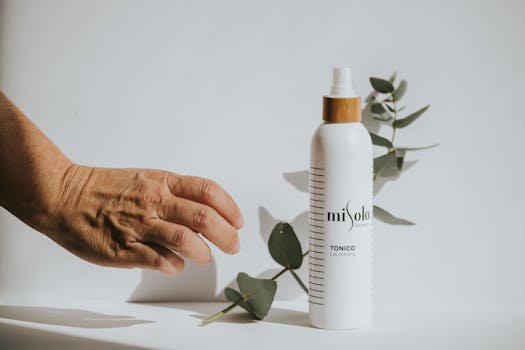
{{IMAGE:flatlay sunscreen moisturiser Australia}}Texture and packaging for Australian conditions
Heat and humidity change how a cream feels. Dry inland air demands richer cushions. Coastal summers prefer gel‑creams that dodge sweat and pore pressure. Sensitive skin hates occlusive overload in heat and hates water loss in wind. You can tune texture by season and postcode.
For summer days, look for light gel‑creams or emulsions that sink fast. Pair them under a broad‑spectrum SPF. Seek silicones or modern film formers if you need slip without fragrance. For winter nights, pick lipid‑rich creams with ceramides and squalane. They seal in water and defend against heaters and wind.
Choose smart packaging. Opaque airless pumps protect retinoids and antioxidants from light and oxygen. Tubes beat open jars for sensitive users. Travel sizes help you patch test across climates. Keep products out of hot cars. Heat degrades actives and can twist fragrance notes, which raises irritation risk.
Check the PAO symbol (the open‑jar icon with months). Retire actives at that mark, or earlier if the colour or scent shifts. Sensitive skin benefits from fresh stock.
SPF is your daily anti‑ageing cream
UV drives most visible ageing in Australia. No firming cream beats a proper sunscreen. Sensitive faces still have options.
Look for broad‑spectrum SPF 50 or 50+. In Australia, primary sunscreens sit under the TGA. That gives you clear labelling and quality controls. Many brands now offer fragrance‑free mineral filters and modern chemical filters with lower sting. If mineral zinc leaves a cast, try a tint. Tinted mineral formulas can help with redness control and shade matching.
Texture matters here too. Dry faces can take creamy SPF. Oily or humid days call for fluid gels or milk textures. If sunscreen stings, layer a simple moisturiser underneath. That buffer often stops the zing. Reapply every two hours outdoors, and after sweat or swim.
Shop the SPF Protection Products section on GlamGeek. Use your wishlist for restocks and promo alerts across Adore Beauty, Mecca, Priceline, Chemist Warehouse, and Sephora Australia. Sunscreen deals land often in shoulder seasons, based on our price data.
What to skip (most of the time)
Sensitive skin does best with fewer variables. These common triggers cause more trouble than they’re worth in anti‑ageing blends:
- Leave‑on scrubs and rough grains. They crack the barrier and add microtears.
- Strong citrus or herbal oils for “natural” scent. Nature can irritate too.
- High glycolic or salicylic acid inside your nightly anti‑ageing cream. Keep strong acids for rare, short contact sessions, if at all.
- Layering multiple strong actives on the same night. Keep it simple and track results.
Not all alcohols cause dryness. Cetyl and cetearyl alcohol are fatty alcohols that cushion. SD Alcohol and Alcohol Denat. can sting in high amounts. Place in the list matters. A harsh alcohol in the top five slots often signals trouble for reactive users.
“Unscented” without a full disclosure still raises a flag. Check for linalool, limonene, and other allergens even when the box says no perfume added.
Patch testing that actually protects you
Patch testing sounds dull. It saves money and skin. Give every new anti‑ageing cream a calm trial.
How to patch test a leave‑on cream:
- Pick an area near the ear or along the jaw. The inner forearm works too, but face skin gives the best read.
- Apply a pea‑sized amount once a day for three days.
- Watch for delayed reactions at 24 to 72 hours. Redness, stinging, or new bumps count.
- If clear, use it on one cheek or the forehead only, three times in the first week.
- Step to full face in week two. Keep notes on texture, scent, and any tingle time.
Patch test retinoids and acids separately from moisturisers. Introduce one new item at a time. If a reaction hits, stop the new thing and go back to barrier basics for a week. Restart at a lower frequency, or retire the product. Sensitive skin likes patience more than heroics.
Layering for calm results
Layering can soften strong actives and hold water in longer. Keep the order simple on face and neck.
Morning:
- Gentle cleanse or rinse.
- Hydrating serum if you use one.
- Barrier‑first moisturiser.
- Anti‑ageing cream with peptides or low‑dose niacinamide, if not in your moisturiser.
- Broad‑spectrum SPF 50 or 50+.
Night (retinoid nights):
- Gentle cleanse.
- Moisturiser buffer.
- Retinoid or bakuchiol cream.
- Moisturiser seal if you feel tight.
Night (non‑retinoid nights):
- Gentle cleanse.
- Hydrating or PHA serum, if tolerated.
- Anti‑ageing cream with peptides or centella.
- Optional balm on dry zones in winter.
Browse options in Anti Ageing Face Creams and keep a shortlist. Use GlamGeek’s comparison view to weigh textures from brands like L’Oréal, Garnier, Estée Lauder, and Charlotte Tilbury. Our tracker flags bundles and sets, which often stretch your budget when you build a gentle routine.
Where to buy and how to save in Australia
Each retailer leans into a different slice of sensitive‑friendly anti‑ageing.
Preneed and budget picks show up widely at Chemist Warehouse and Priceline. We often see fragrance‑free creams restock there first after a sell‑out. Adore Beauty lists many dermatologist‑leaning brands and carries minis that suit patch testing. Mecca and Sephora Australia rotate exclusives and early launches. MYER keeps legacy lines and classic formulations that many sensitive users already trust.
Our historical data shows shifts around Mother’s Day, Click Frenzy, Black Friday, and Boxing Day. Kits and duos land then. That timing helps when you prefer a soft build with matching serum and cream. Add the items you want to your GlamGeek wishlist. We monitor prices across local stockists and warn you when a better deal appears.
Check returns policies for opened skincare. Some stores allow returns within a short window if a product triggers a reaction. Keep the box until you pass your patch test. That small habit protects your spend.
How labels meet regulations here
Australian sunscreens must meet TGA requirements. You’ll see broad‑spectrum and water‑resistant claims backed by testing. That gives structure to your daytime anti‑ageing plan. Cosmetics like anti‑ageing creams fall under different rules. Claims like “hypoallergenic” stay broad. This makes your label scan vital.
Fragrance allergens can still appear even when a brand avoids overt perfume. Learn the common ones by name and skim the INCI. Sensitive skin wins with fewer variables. Clear, short formulas reduce risk. Airless packaging reduces the need for stronger preservative systems. All this shows up on the box when you know what to seek.
Your skin has the final say. If a claim clashes with your wear test, your skin wins. Park the product and move on. Our reviews on GlamGeek often cluster around those reactions. Read the feedback set, not just the star score, before you buy.
What this means for your routine
Build the base. Pick a fragrance‑free, barrier‑supporting moisturiser that you enjoy using. Pair it with a high‑protection sunscreen that doesn’t sting. Those two choices prevent more ageing than any night cream can fix alone. The rest layers on top of that good foundation.
Then add one active cream. Many women start with a peptide cream at night and a low‑dose niacinamide cream by day. If that holds steady for a month, introduce an encapsulated retinol, a retinal, or bakuchiol on two nights a week. Keep the sandwich method if you react easily. Shift textures by season. Use gel‑creams in humid heat, and richer creams in dry cold. Review your routine every three months. Small tweaks beat big resets.
Use GlamGeek to cut the faff. Compare textures and ingredients across Anti Ageing Face Creams, Anti Ageing Face Serums, and SPF Protection Products. Add your shortlist to a wishlist. We’ll track stock and price changes for you across Australian retailers, so you can buy when it makes sense.
Your move
Which ingredients soothe your skin and which ones always cause flare‑ups? Tell us the creams that actually worked for your sensitive face, and the ones you retired after a week. Your tips help other women choose smarter, spend less, and keep their skin calm while they target lines and pigment.
Ready to build a gentle set? Start by shortlisting two moisturisers, one anti‑ageing cream, and one SPF from our categories. Add them to your GlamGeek wishlist. We’ll do the price watching while your skin does the quiet work.