Our price tracker flags the same pattern every summer: hydrating conditioners sell through faster than matching shampoos across Australian retailers. Shoppers reach for slip and softness when heat and sun ramp up frizz. Then, a month later, clarifying buys spike as build-up sets in. The cycle tells a story.
Dry hair needs moisture. But moisture lives in steps, not a single bottle. The best results often come from pairing a moisturising shampoo with a conditioner built to seal and smooth. Many women try to shortcut that with a rich conditioner alone. Results look flat on day one and feel dry again by day three. We see this play out in reviews and cart data, week after week.
So, do you actually need both? Usually, yes. The trick is matching the job each product does to your hair’s texture, porosity, and the realities of Australia’s climate. Let’s map it out, ingredient by ingredient, and brand by budget.
Why moisturising shampoo matters—and what it really does
Shampoo has one clear job: it removes soil from the scalp and lengths. Sweat, sebum, sunscreen, styling polymers, mineral residue from hard water—these build up fast in hot weather. Most shampoos rely on surfactants to lift that soil. Many formulas sit at a pH around 4.5–6 to respect your scalp’s slightly acidic mantle. That keeps the cuticle tighter and helps colour last longer.
What makes a shampoo “moisturising”? You’ll often see milder, more balanced surfactant systems. Look for sodium cocoyl isethionate, cocamidopropyl betaine, or sulfosuccinates, rather than only harsh sulfates. Then note the support act: humectants like glycerin and propanediol to draw water in, plus amino acids or light conditioning polymers for slip. These don’t turn shampoo into conditioner. They soften the cleanse and reduce friction. That matters when your ends feel like straw.
Most moisturising shampoos focus on a gentler first step, not on leaving coating behind. You still get clean roots. Your lengths don’t squeak. If your dry hair always feels rough straight after washing, you likely need this change. Browse current options in our Moisturising & Nourishing Shampoos category, and add a couple to your wishlist. We’ll ping you when the price dips at Mecca, Priceline, or Adore Beauty.
Conditioner’s job: seal, smooth, and protect—long after the rinse
Conditioner works differently. It uses positively charged (cationic) ingredients that cling to your negatively charged, damaged areas. Think behentrimonium chloride, cetrimonium chloride, and polyquaterniums. These reduce friction, add slip, and help prevent breakage as you detangle. Emollients and occlusives—like fatty alcohols, lightweight oils, or silicones—fill and smooth the cuticle’s outer layer. Many formulas also bring ceramides or amino acids to support cuticle cohesion.
That bonding to the hair surface is the big difference. Shampoo’s job ends in the shower. Conditioner keeps working for days. It guards against humidity swell in Brisbane, hot dry winds in Adelaide, and the salt-dry effect of Bondi swims. It also helps curls keep definition by reducing frizz halo.
If you choose only one step for dry hair, pick conditioner. But you will likely see better results when you start with a gentle, moisture-friendly cleanse first. You can browse richer options in Moisturising & Nourishing Conditioners. Use our compare button on GlamGeek to check who has stock—Chemist Warehouse discounts move fast in peak season.
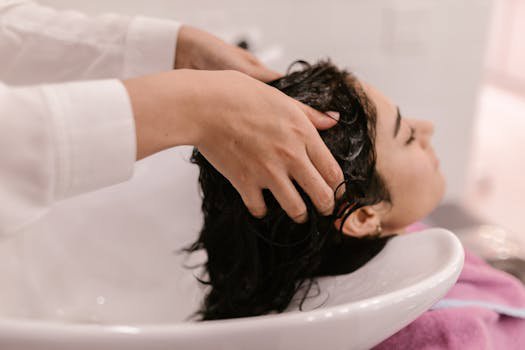
{{IMAGE:woman washing hair in shower moisturising shampoo}}Do you need both? The fast answer, then the nuance
Short answer: most dry hair benefits from both—used smartly. Shampoo keeps the scalp balanced and removes residue that blocks moisture. Conditioner smooths and shields your lengths. Pair them, and you lock in softness that lasts longer between washes.
Now the nuance. Some hair types can cheat the system:
- Very fine, oily roots with dry ends: Use a light, hydrating shampoo every wash. Condition from mid-lengths down only. Try a spray leave-in on tips for featherweight moisture.
- Coily or very dry hair: Co-wash on your second or third cleanse of the week with a silicone-free conditioner. Use a moisturising shampoo once weekly to reset the scalp.
- Gym-heavy schedules and summer sweat: Double cleanse with a gentle shampoo. Use a quick, light conditioner daily on ends. Save your rich conditioner for every second day.
Our sell-through data shows women often overbuy heavy conditioners, then add clarifiers to fix build-up. You can avoid that spiral. Choose a shampoo that respects your scalp and a conditioner that suits your hair density and porosity. You’ll keep bounce and still tame frizz.
Ingredients that hydrate vs ingredients that coat
Packaging claims blur the line between moisture and weight. Ingredients tell the truth. Here’s how to read them.
Hydration in cleansers: Glycerin, betaine, panthenol, aloe juice, and small-molecule sugars draw water to the fibre during the wash. Mild surfactants preserve your lipid layer. That keeps squeak at bay and reduces cuticle lift.
Conditioning agents and sealers: Behentrimonium chloride and cetrimonium chloride detangle. Fatty alcohols (cetyl, stearyl) soften. Lightweight silicones like amodimethicone target damage and build more slowly than heavy dimethicone. Plant oils bring emollience but vary in weight. Jojoba and argan feel lighter than coconut. Ceramides help seal the cuticle and reduce porosity.
Protein and bond tech: Hydrolysed proteins (wheat, soy, keratin) can stop mushiness when hair feels over-moisturised and weak. Bond-building actives target broken disulfide bonds from bleach and heat. They won’t replace true moisture, but they can improve strength so you can wear hair down without snagging.
Pro tip: Balance humectants with sealers. In humid weather, humectants pull water into the hair and can cause swell and frizz. A conditioner that adds a thin, flexible film can keep that in check. If you want silicone-light care, look for quats plus plant oils and ceramides instead.
Build a dry-hair wash routine that works in Australian heat
Australia stretches across climates. Routine tweaks matter. Start with your scalp and work outward.
Wash frequency: In summer, sweat and sunscreen reach the hairline. Most women do best with 2–4 washes per week. Pick a moisturising shampoo for most washes. Use a gentle clarifier once every 1–2 weeks if you use dry shampoo, heavy stylers, or swim a lot. Clarifiers lift polymers and metals that block softness.
Application technique: Saturate hair fully. Emulsify shampoo with water in your hands first, then work it into the scalp with fingertips. Avoid rough scrubbing. Rinse well. Repeat if sweat or oil still feels obvious. Apply conditioner to towel-squeezed lengths for better penetration. Comb through with a wide-tooth comb, then rinse until hair feels glassy, not slippery.
Leave-ins: A leave-in conditioner or milk can stretch softness to day three. Focus on mid-lengths and ends. Mist a thermal protectant before any heat styling. Heat drives off moisture faster than sun.
Weekly extras: Add a richer mask once weekly if your ends catch on your brush. The weight should match your texture. Thicker hair can handle butters. Fine hair prefers gel-cream masks. Explore options in our Hair Masks category and set a price alert. We monitor Sephora Australia, MYER, and more for stock swings.
Fine vs thick hair: keep moisture, skip limp roots
Product choice hinges on density and strand thickness. Fine hair needs slip that doesn’t collapse volume. Thick hair craves lasting emollience and frizz control.
For fine or easily weighed-down hair: Choose a moisturising shampoo with lightweight surfactants and humectants. Keep conditioner in the shower under three minutes. Rinse well. Use a featherweight leave-in spray on ends. Save heavy oils for pre-shampoo treatments only.
For medium to thick, porous hair: Choose a richer moisturising shampoo that still foams gently. Follow with a conditioner that lists a cationic ingredient near the top, plus fatty alcohols and possibly amodimethicone. Rinse less aggressively. Leave a whisper of slip behind for frizz control.
For curls and coils: Consider a conditioner-first approach on tangled days. Wet hair well, detangle with conditioner, then cleanse the scalp with moisturising shampoo. Follow with a small amount of conditioner again. That sandwich method keeps definition while you still remove sweat and product film.
Brands worth shortlisting: Salon staples from Kérastase often lead with cuticle-care tech. High-street lines from L'Oréal and Garnier offer good moisture-to-weight balance at lower prices. Add your favourites to your GlamGeek wishlist and watch for bundle deals at Priceline or Chemist Warehouse.
{{IMAGE:curly haired woman applying conditioner in shower}}Colour, heat, and bonds: hydrate and strengthen at once
Bleach, dye, and hot tools change hair structure. Cuticles lift. Cortex bonds break. Hair grabs moisture fast, but it loses moisture fast too. You need a routine that supports both hydration and strength.
Start with a moisture-friendly cleanser that won’t strip colour. Follow with a conditioner that combines cationic agents, ceramides, and a light silicone or plant oil. Add a protein-rich mask every other week if your hair feels stretchy when wet. Too much protein can make hair brittle. Alternate protein with a pure-moisture mask to keep balance in check.
On heat days, prep counts more than perfection. Towel-squeeze, then apply a leave-in conditioner and a heat protectant. Keep the dryer at medium heat. Move it. Avoid pressing the straightener over the same section more than twice. You protect the moisture you just paid for in the shower.
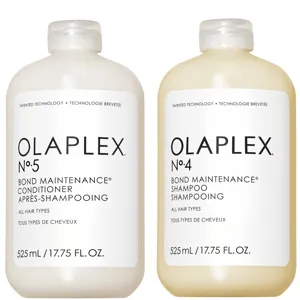
Many premium ranges add bond-support tech. These don’t replace conditioner. They help the hair hold up better to styling. Pair them with your moisturising shampoo and conditioner rather than treating them as a swap.
Scalp dryness vs dry lengths: treat them differently
Flakes and tightness at the scalp often push women toward richer conditioners at the root. That rarely fixes the cause. Scalp dryness often comes from over-cleansing, harsh surfactants, or fragrance sensitivity, not from a lack of heavy emollients.
Switch to a moisturising shampoo with milder cleansers. Massage gently. Limit hot water on the scalp. Keep conditioner off the root unless the formula says it suits scalp use. Use a light leave-in on lengths instead.
If you see flakes that stick, you may face scalp build-up or dandruff, not dry skin. You don’t need more oil at the roots—you need a reset. Slot in a clarifying wash every 1–2 weeks. Then return to your moisturising routine for lengths.
UV also matters up top. If you spend hours outdoors, consider hats. Sun exposure roughens the cuticle and fades colour, which makes hair feel drier. You can’t undo that with extra conditioner alone.
Budget vs luxe: where to spend, where to save in Australia
Our feed across Sephora Australia, MYER, Adore Beauty, Chemist Warehouse, and Priceline shows wide choice at every budget. Moisture-focused shampoos and conditioners work across price points. The spend usually buys texture, fragrance, and proprietary complexes more than basic hydration.
Spend more if: Your hair is colour-treated, coarse, or very porous. Premium formulas from lines like Kérastase often combine ceramides, targeted silicones, and advanced surfactant systems that feel better day two and day three. If you heat style often, you may see longer-lasting frizz control from salon lines.
Save smart if: Your hair is fine to medium and only mildly dry. Hydrating lines from L'Oréal and Garnier deliver solid results with light slip. You can invest the difference in a weekly mask instead. You’ll often get more impact that way.
Bundle buys help. Look out for litre sizes at MYER or Adore Beauty when they rotate promotions. Add potential picks to your GlamGeek wishlist. We’ll alert you when a pack or size drop hits your target price. You can compare formulas side by side on GlamGeek before you commit.
How to test and tweak your routine
Two weeks tell you most of what you need. Change one product at a time. Start with a moisturising shampoo. Keep your current conditioner. Watch root feel, frizz level, and day-two softness. Then switch the conditioner and repeat.
Signs you nailed it: Roots feel clean but not squeaky within 24 hours. Ends detangle without snapping. Frizz reduces on humid days. Your style lasts a full day without crisp hairspray.
Signs you need a tweak: Roots look flat by midday. Your brush snags on ends. Hair feels mushy when wet. Curls lose pattern too quickly. Add or reduce weight based on that signal. Use lighter conditioners or shorter leave times if you see collapse. Reach for richer masks or longer leave times if you still feel that crunchy dryness.
Lock the routine once it works. Stock a clarifier for pool weeks and festival sweat. Keep a compact leave-in in your beach bag for quick refresh. You can keep the same core pair for months, then reassess when the season changes.
Brand examples that actually match the brief
We see the same names return in high-rated moisturising formulas. You’ll find safe bets at different budgets.
- Salon-leaning moisture: Kérastase Nutritive shampoos and conditioners focus on cuticle nutrition and softness without heavy collapse.
- High-street hydration: L'Oréal Elvive ranges often pair glycerin with conditioning agents that suit daily use.
- Plant-forward options: Garnier Fructis lines offer silicone-light choices that still deliver slip for mid-lengths.
- Luxury treatments: Sisley hair care brings premium textures and fragrance for those who want a sensorial wash alongside hydration.
We don’t crown a universal winner. Hair thickness, porosity, and daily habits decide the match. Use GlamGeek comparison to check ingredient lists, read reviews from women with hair like yours, and then track prices across Sephora Australia, MYER, and Priceline. You’ll avoid paying the Australia-tax premium at the wrong moment.
Common mistakes that keep hair dry (even with good products)
Product choice only fixes part of the problem. Small techniques often undo moisture wins.
- Rubbing shampoo down the lengths: Focus on the scalp. Let the suds run through ends as you rinse. You’ll avoid extra cuticle lift.
- Skipping water: Add more water while you lather and while you apply conditioner. Water carries actives and improves slip.
- Applying conditioner at the roots: Keep it from the mid-lengths down unless your scalp truly needs it. You’ll keep volume and avoid build-up.
- Over-rinsing or under-rinsing: Rinse until hair feels smooth, not coated. Too little rinse equals build-up. Too much rinse strips the light film you want.
- High heat, no shield: Always use heat protectant. Even a moisturising routine can’t beat direct high heat on bare hair.
Fix these, and your current products may start to look premium without a price jump.
What this means for your next wash
Moisturising shampoo and conditioner don’t duplicate work. The shampoo sets the stage by cleansing without roughing up the fibre. The conditioner glazes, detangles, and guards softness between washes. Most dry hair types look and feel better when both steps pull their weight.
Start simple. Pick a gentle, hydrating cleanser from our Moisturising & Nourishing Shampoos shortlist. Add a conditioner from Moisturising & Nourishing Conditioners that matches your strand thickness. Use a mask from Hair Masks once weekly if ends still catch. Lock your picks in a GlamGeek wishlist, and we’ll handle the price watching across local retailers. You’ll get the right results and a better deal.
Ready to build the set that finally keeps your hair soft? Which moisturising shampoo and conditioner pair has worked for your texture in Australian heat? Add your favourites to your GlamGeek wishlist, and tell us what tipped the balance—ingredients, technique, or both.