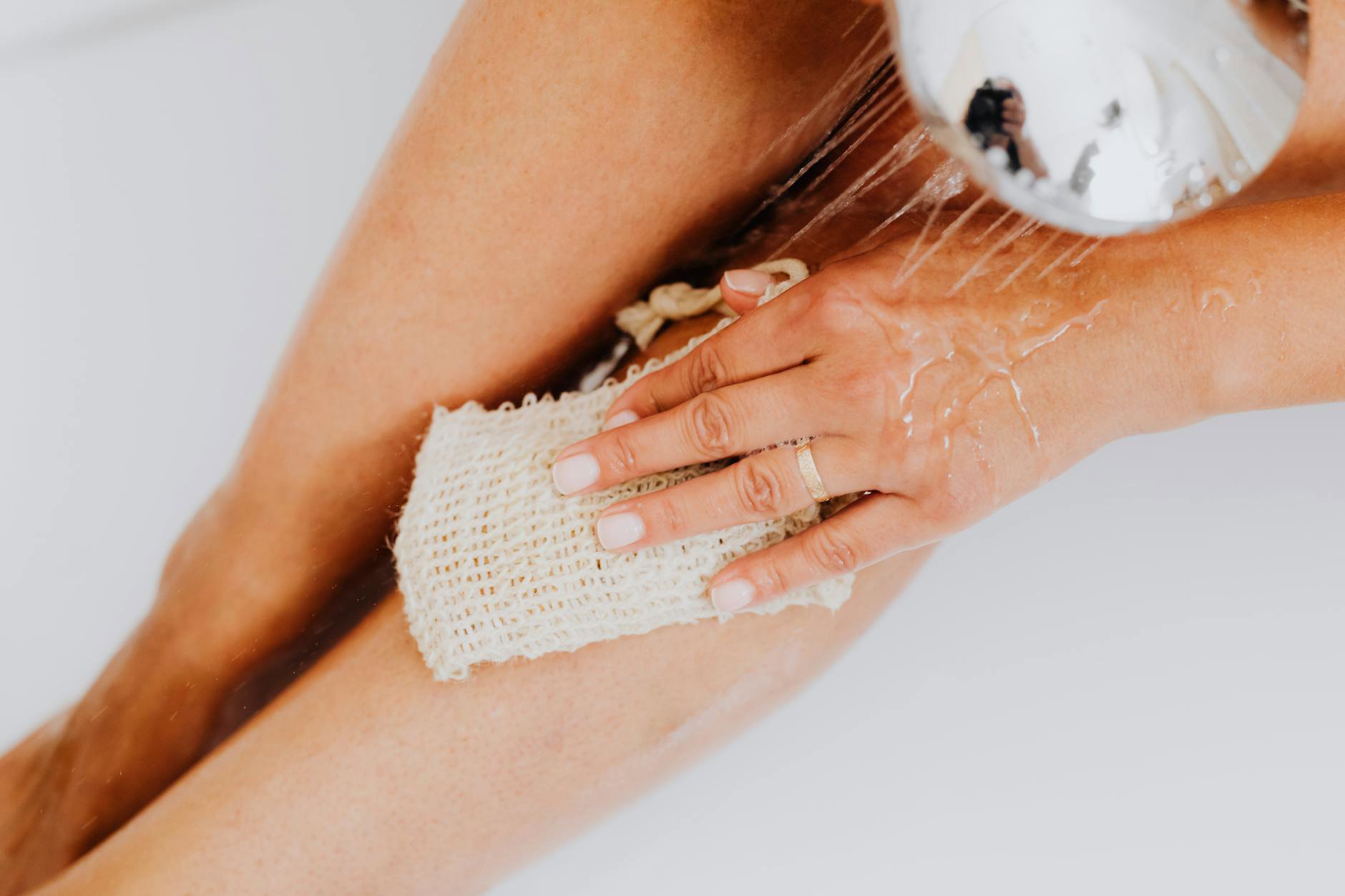
A body scrub exfoliates on contact using grit (and sometimes added acids), while a body wash primarily cleanses and only exfoliates if it contains exfoliating ingredients in a rinse-off format.
That difference sounds small, but it changes everything: how strong the exfoliation feels, where it works best (KP bumps vs body acne vs ingrowns), and how often most people can use it without ending up itchy, tight, or stinging.
This guide breaks down what “scrub” usually means in practice, how “exfoliating wash” differs, and how to choose a body exfoliant that fits Australian skin realities—high UV, heat, sweat, and the temptation to overdo it.
First: what “body scrub” and “body wash” really mean
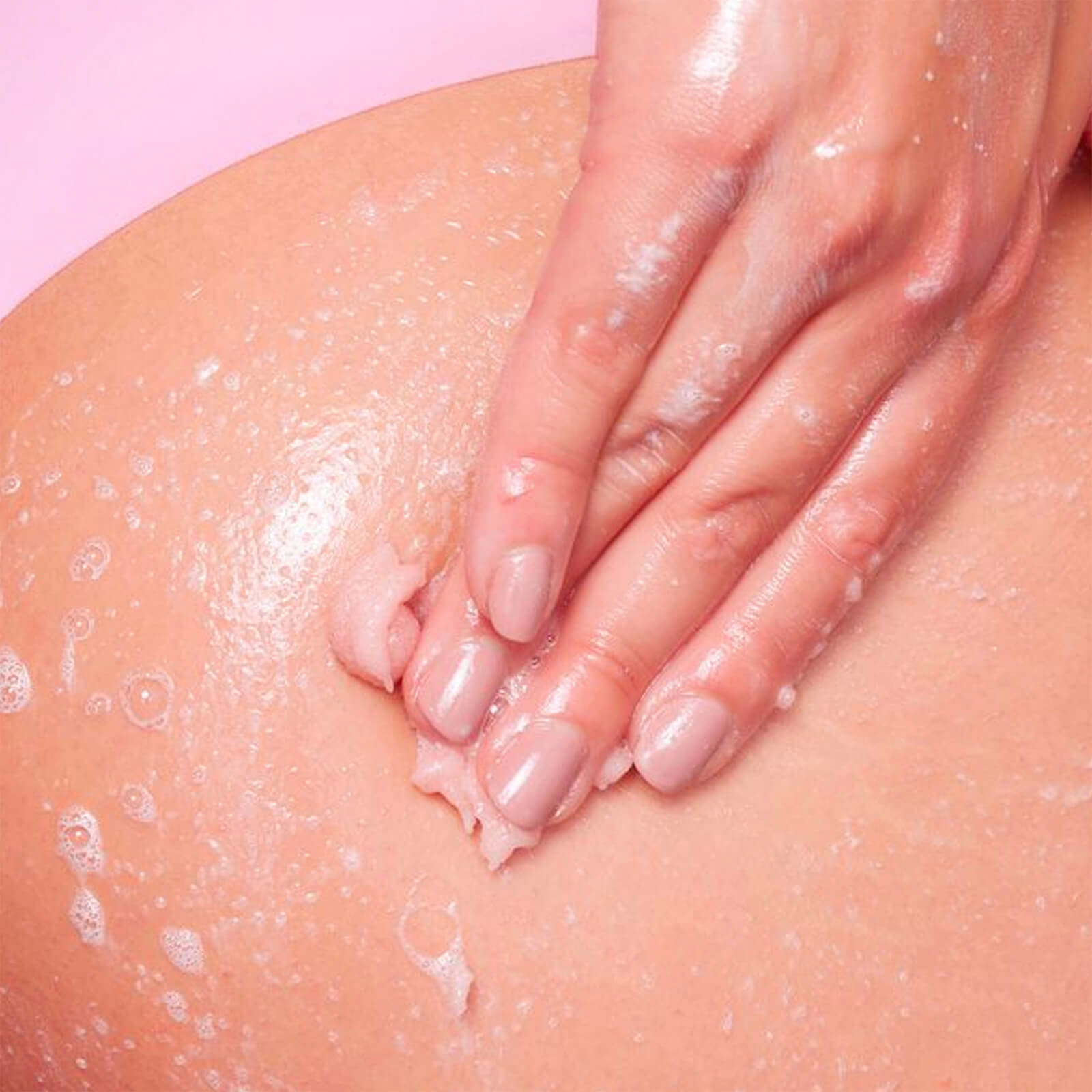
Most shoppers use “body scrub” to mean a dedicated exfoliating step with visible particles or salts. You massage it over damp skin, it buffs away roughness, then you rinse.
Most shoppers use “body wash” to mean a cleanser first. It lifts sweat, sunscreen, and grime, and it rinses clean. Some washes claim exfoliation, but they rely on mild acids, enzymes, or fine particles suspended in a cleanser base.
Here’s the key: scrubs tend to keep the exfoliating particles on skin longer and with more pressure. A wash tends to get diluted with water fast and gets rinsed off quickly. Contact time matters.
In the body exfoliants category, several products sit firmly in “scrub/polish” territory. Examples include Moroccanoil Body Polishing Scrub (from A$58.80), which uses argan shell powder and lava stone pumice, and Frank Body Original Coffee Scrub (from A$27.42), built around sea salt and coffee beans.
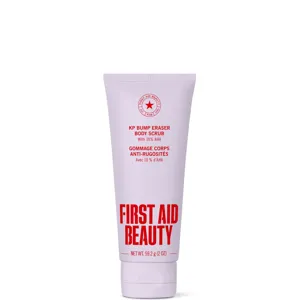
Then there are hybrid formulas that pair physical exfoliation with chemical exfoliation. First Aid Beauty KP Bump Eraser Body Scrub With 10% AHA (from A$60.76) uses glycolic and lactic acids alongside the scrub format. That’s a different intensity level again.
Exfoliant type: physical grit vs chemical acids (and why it changes the result)
Body scrubs usually exfoliate physically. The “work” comes from particles plus your hands. Think sea salt, coffee grounds, nut husks, pumice, or plant shells.
Physical exfoliation shines when the problem is texture you can feel straight away: rough elbows, flaky shins, or a fake-tan patch job. It also gives instant feedback. You know where you’ve scrubbed.
Chemical exfoliation relies on ingredients that loosen the bonds between dead skin cells. In the body space, alpha hydroxy acids (AHAs) like glycolic and lactic target roughness and dullness. In a scrub format, they can boost smoothing without needing aggressive pressure. In First Aid Beauty KP Bump Eraser Body Scrub With 10% AHA, the brand positions it for people prone to keratosis pilaris, and the formula uses glycolic and lactic acids to chemically exfoliate.
Some scrubs also lean into “polish” textures that aim for gentler buffing with added nourishment. Moroccanoil Body Polishing Scrub pairs argan shell powder and pumice with a blend of oils to hydrate and nourish. That oil phase can reduce drag, which often reduces irritation risk.
And then there are upcycled-ingredient scrubs that use familiar kitchen-style exfoliants. Neom Super Shower Power Body Polish (from A$54.88) uses upcycled ingredients from the food industry, including coffee grounds, to buff away dead skin cells.
Strength and control: why scrubs usually feel “stronger” than washes
If someone says, “A scrub works but a wash does nothing,” the reason usually comes down to intensity control.
With a scrub, you control pressure, time, and where you focus. You can do a quick pass on the whole body, then spend extra time on knees or the backs of arms. With an exfoliating wash, most people lather quickly and rinse quickly. That routine rarely gives enough contact time for meaningful exfoliation, especially on thicker body skin.
Particle choice also drives perceived strength. Sea salt and coffee can feel punchy on first contact. Pumice and shell powders can feel more “sand-like,” which can either polish nicely or feel too abrasive if you bear down.
Hybrids raise the ceiling. A scrub that also includes acids can deliver more change with less scrubbing, but it can also sting if skin is compromised. If you already use strong facial actives (think Anti Ageing Face Serums at night), don’t assume your body will tolerate the same intensity daily. Body skin is thicker, but it also gets shaved, rubbed by clothing, and sun-exposed.
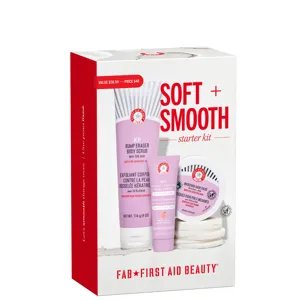
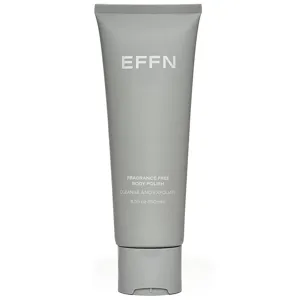
For readers who want “strong but organised,” sets can help because they structure the routine. First Aid Beauty Soft + Smooth Starter Kit – Body Bestsellers (from A$30.58) includes a scrub plus body care steps, and it targets smoothing and bumps. EFFN BEAUTY Body Polish Fragrance Free (from A$14.90) sits inside a four-step “pre-tan prep” routine that cleanses, polishes, and hydrates.
Skin suitability: matching the format to rough texture, ingrowns, KP, and body acne
“Which is better?” depends on the concern. Not the marketing copy.
Rough texture and dullness: a physical scrub often gives the quickest payoff. Look for formulas positioned to buff and polish while supporting hydration. Moroccanoil Body Polishing Scrub targets dull skin types and aims to exfoliate while hydrating and nourishing. If your skin gets tight after scrubbing, that “oil plus polish” style usually makes more sense than straight salt-on-skin.
Keratosis pilaris (KP) bumps: KP often responds best to chemical exfoliation, but many people still like a scrub format for immediate smoothness. The most direct option in our tracked body exfoliant list is First Aid Beauty KP Bump Eraser Body Scrub With 10% AHA, developed with KP-prone skin in mind and formulated with glycolic and lactic acids. Use less pressure than you think you need. Let the acids do some of the work.
Ingrowns: ingrowns often worsen when people combine shaving plus aggressive scrub pressure. A gentler polish and consistent routine usually beats a once-a-week sandblasting. If you shave, keep scrubs away from freshly shaved skin for 24 hours when possible, and focus on light, even strokes rather than spot-scrubbing.
Body acne: readers often reach for harsh scrubs here, but friction can aggravate inflamed breakouts. If you get pustules on the shoulders or back, treat scrubbing as optional and keep pressure low. In this product list, we can’t point to a dedicated exfoliating body wash, so the practical move is to choose a scrub with a smoother glide and avoid overworking active areas. If you want a “wake up and rinse clean” vibe, Neom Super Shower Power Body Polish pitches itself as an invigorating morning scrub and uses coffee grounds as part of its exfoliating blend.
Very dry or easily irritated skin: fragrance and rough particles can tip skin into itch territory. A fragrance-free option like EFFN BEAUTY Body Polish Fragrance Free can make sense when you want to keep variables low. On hands, where skin can crack, a targeted scrub like L'Occitane Shea (Karité) Hand Scrub (from A$23.52) uses finely-ground shea walnut husks to polish roughness.
How to choose: a practical decision framework (with product matches)
Choosing between scrub and wash starts with one honest question: do you want cleansing, exfoliation, or both? A wash always cleanses. A scrub mainly exfoliates, even when it feels “spa-like.”
Since this guide focuses on body exfoliants, we’ll keep it simple: if exfoliation is the goal, pick the exfoliant format that matches your tolerance and your target area.
Pick a scrub/polish if you want visible smoothing fast
- For dull, rough body skin: Moroccanoil Body Polishing Scrub (from A$58.80) uses argan shell powder and lava stone pumice, plus oils for nourishment.
- For a classic gritty scrub: Frank Body Original Coffee Scrub (from A$27.42) uses sea salt and robusta coffee beans to buff away dead skin cells.
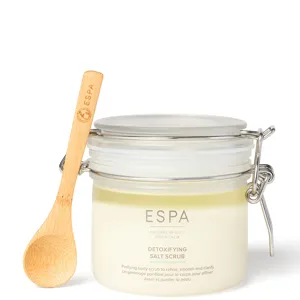
- For a salt scrub feel: ESPA Detoxifying Salt Scrub (from A$65.86) uses natural sea salts to buff away dull, dry patches and aims to nourish.
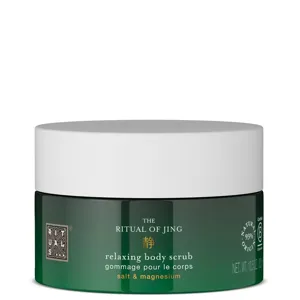
- For a calming, fragrance-led scrub moment: Rituals The Ritual Of Jing Magnesium & Salt Body Scrub (from A$37.04) blends magnesium and sea salt and wraps skin in a soothing floral fragrance.
Price-wise, GlamGeek’s price tracking across our merchant feed often shows scrubs clustering into two bands: sub-A$30 “everyday” options and A$50+ “treat” options. The jump tends to align with oils, fragrance profiles, and brand positioning more than raw exfoliation power.
Pick a chemical-boosted scrub if bumps are the main problem
- For KP-prone texture: First Aid Beauty KP Bump Eraser Body Scrub With 10% AHA (from A$60.76) uses glycolic and lactic acids to help visibly smooth and clarify.
- For a structured routine in one purchase: First Aid Beauty Soft + Smooth Starter Kit – Body Bestsellers (from A$30.58) bundles a scrub and body steps designed to refine bumps.
If you already use leave-on actives elsewhere in your skin care routine, keep body exfoliation boring and consistent rather than intense and random. That approach prevents the “two weeks of enthusiasm, two weeks of peeling” cycle.
Technique matters more than people think (especially in Aussie heat)
In Australian conditions, sweat, friction, and SPF layers can tempt people to scrub harder. Resist that urge. Scrubbing harder usually increases redness and ingrowns.
Instead, treat a body exfoliant like a controlled tool. Keep the strokes light, keep the time short, and stay consistent. That strategy also suits areas that deal with daily rubbing from bras, backpacks, and activewear.
Here’s a scrub technique we recommend because it works across most formulas in this list:
- Shower first and wet skin thoroughly. Warm water softens surface cells.
- Turn the water down to a trickle before you apply scrub. Less water = less dilution.
- Use a small amount and spread it over a larger area than you think. Even coverage beats spot attacks.
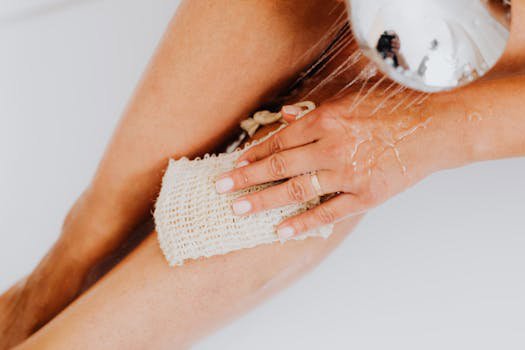
- Massage with flat fingers, not fingertips. Fingertips create pressure points.
- Rinse well, then pat dry. Don’t rub with a towel.
- If you use SPF Protection Products daily (you should), apply SPF to any exposed areas after you dress.
One more rule: don’t stack exfoliation. If you use a strong scrub on Monday, don’t follow it with another strong scrub on Tuesday just because your skin “feels fine.” Irritation often shows up late.

Product-by-product: which body exfoliant suits which shopper
Not everyone wants the same thing from a scrub. Some want speed. Others want a sensory ritual. Some want the lowest-fuss option that won’t clash with perfume or deodorant.
These picks stick to body exfoliants we track and what the published descriptions support.
If you want a polish that targets dullness: Moroccanoil Body Polishing Scrub (from A$58.80) uses argan shell powder and lava stone pumice to buff away dead skin cells, and it aims to hydrate and nourish with oils. We’d aim this at people who hate the “salt scrub sting” feeling.
If you want a classic coffee-and-salt scrub: Frank Body Original Coffee Scrub (from A$27.42) uses sea salt and robusta coffee beans. It sits in the more affordable band, and it suits shoppers who want straightforward exfoliation without paying for a luxury scent story.
If you want an energising morning scrub: Neom Super Shower Power Body Polish (from A$54.88) positions itself as an invigorating scrub and uses upcycled ingredients including coffee grounds. It’s a good example of how “body polish” often means scrub texture plus a more sensorial angle.
If you want a richer, spa-style scrub: Neom Great Day Body Scrub (from A$76.44) focuses on smoothing and nourishing with essential oils, aiming for long-lasting hydration. The price sits at the top end of this list, so we’d reserve it for people who value the experience as much as the exfoliation.
If you want a salt scrub with a “detox” angle: ESPA Detoxifying Salt Scrub (from A$65.86) uses natural sea salts to buff dull patches and aims to hydrate and replenish. Salt scrubs can feel strong, so keep it off freshly shaved skin.
If you want a fragrance-free option for pre-tan prep: EFFN BEAUTY Body Polish Fragrance Free (from A$14.90) fits into a four-step pre-tan routine that cleanses, polishes, and hydrates. For shoppers who react to fragrance, “fragrance free” can remove a whole category of guesswork.
If you want targeted hand smoothing: L'Occitane Shea (Karité) Hand Scrub (from A$23.52) uses finely-ground shea walnut husks to exfoliate and polish, and it aims to remove rough, dead skin cells.
If you want a calming scrub with magnesium and salt: Rituals The Ritual Of Jing Magnesium & Salt Body Scrub (from A$37.04) blends magnesium and sea salt and leaves skin feeling smooth and refreshed, with a soothing floral fragrance.
Availability varies by retailer in Australia. Some of these brands often show up at Mecca or Sephora Australia, while others pop up through Adore Beauty or department stores like MYER. GlamGeek’s price tracking helps spot when a “treat” scrub quietly drops closer to mid-range pricing.
Practical tips: how to get results without irritation
Most exfoliation problems come from frequency, not product choice. People use a scrub like a reset button, then wonder why skin feels raw.
Try this simple schedule instead:
- Start with 1–2 times a week for gritty scrubs (salt, coffee, pumice). Increase only if skin stays calm.
- Use lighter pressure on the chest, neck, and inner arms. Save focused work for elbows, knees, and heels.
- Keep exfoliation away from broken skin. That includes shaving nicks and active irritation.
- Pick one “hero area” per shower. For example: backs of arms today, legs next time. Less total friction.
Also: exfoliation and sun exposure interact. Freshly exfoliated skin can feel more sensitive in high UV. If you scrub areas that will see daylight, treat SPF Protection Products as part of the routine, not an optional add-on.
If you want to build a full routine, keep categories separate and simple: exfoliate with a body exfoliant, cleanse with a cleanser from Shower Gels & Body Washes, then moisturise with something from Body Lotions or Body Creams. No need to stack “exfoliating everything.”
So… scrub or wash?
If you want exfoliation you can feel and measure, choose a body scrub or body polish. If you mainly want cleansing with a side of mild smoothing, an exfoliating body wash can work—just expect subtler results.
Within the body exfoliants we track, the best “scrub first” picks depend on your goal: First Aid Beauty KP Bump Eraser Body Scrub With 10% AHA for KP-style bumps, Moroccanoil Body Polishing Scrub for dullness plus nourishment, or Frank Body Original Coffee Scrub for a straightforward, better-value grit scrub.
What’s your main concern—rough texture, ingrowns, or body acne—and where on the body does it show up most?