Yes—night moisturisers expire, and they can go off faster than most people expect once you open them.
What matters isn’t just an “expiry date”. It’s the product format (jar vs pump), the preservatives used, your bathroom storage habits, and whether you dip fingers in nightly. When a night cream degrades, you don’t just lose performance—you risk irritation, breakouts, and that stubborn “why is my skin suddenly angry?” phase.
Below we break down typical shelf life (unopened and after opening), how to read the PAO symbol, storage rules that actually help, and the non-negotiable signs a night moisturiser needs replacing—using real, trackable night moisturisers from our GlamGeek listings.
Unopened vs opened: what “shelf life” really means
Night moisturisers usually have two clocks running: the unopened shelf life and the “period after opening” (PAO).
Unopened shelf life refers to how long a sealed product stays stable when stored correctly (cool, dry, away from direct light). Many moisturisers can last around 2–3 years unopened, but brands can vary and not every product prints a clear date. If you see an hourglass symbol or a “best before end” style date, that’s the unopened timeline.
PAO is the bigger deal in day-to-day life. Once you open a moisturiser, you introduce oxygen and microbes. Each use adds tiny amounts of contamination (even with clean hands), and oxidation slowly shifts the formula. For most face creams, PAO commonly falls between 6 and 12 months. Some may run longer; some shorter. Packaging influences this heavily.
Jar formulas often behave differently to airless pumps. Jars expose the whole surface every time you open the lid. Pumps reduce air contact and finger contact, which can help maintain freshness. That matters in Australia, where steamy bathrooms and summer heat speed up degradation.
How to read expiry dates and the PAO “open jar” symbol
If you want to stop guessing, look at the packaging.
The most common marking is the PAO symbol: a tiny open jar icon with a number like “6M”, “12M”, or “24M”. That number tells you how many months the product should remain stable after you open it. It assumes reasonable storage and normal use.
Less common, but still worth knowing:
- Hourglass symbol: indicates the product has a minimum durability date (often printed elsewhere). You’ll see this more on products with a shorter unopened shelf life.
- “EXP” or “Best before” date: usually means an unopened end date, though some brands print it as a strict expiry. If you have both a date and a PAO, follow the earlier one.
- Batch code: a string of letters/numbers used for manufacturing tracking. Consumers sometimes use third-party batch checkers, but we don’t treat those as definitive. The official pack symbols win.
One more practical rule: if the outer carton has the clearest info, keep it. Many people bin the box and lose the only printed expiry guidance.
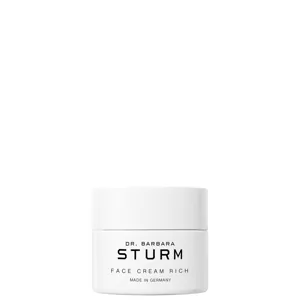
For pricier night creams, that tiny icon matters. If you’re buying 111SKIN Repair Night Cream (from A$362.60) or Dr. Barbara Sturm Face Cream Rich (from A$294.00), you want every month of safe use you paid for.
What makes a night moisturiser go bad faster (and why it shows up on your face)
Moisturisers spoil for two main reasons: microbial growth and chemical instability.
Microbial growth becomes more likely once a product gets repeatedly exposed to fingers, air, and bathroom humidity. Preservatives slow this down, but no preservative system works forever. If bacteria or mould build up, skin often reacts with stinging, bumps, or an itchy rash—sometimes before you see anything obvious in the jar.
Chemical instability can look quieter but still matters. Oxygen and light can oxidise oils and delicate components, shifting smell, colour, and texture. Heat speeds up these reactions. That’s why leaving a cream on a sunny windowsill or in a hot car can quietly ruin it.
Some formulas lean richer, which can include more oils and butters that change over time. Think of balms and dense creams such as Nuxe Nuxuriance Gold Nutri-Fortifying Night Balm (from A$125.44) or very nourishing options like Avène Les Essentiels Rich Revitalizing Nourishing Cream (from A$44.98). Rich textures can stay stable, but when they turn, they tend to smell “off” quickly.
Actives add another layer. A retinol night treatment such as Clinique Smart Night Clinical Md Multi-Dimensional Repair Treatment With Retinol (from A$103.20) can degrade if stored poorly. Even when a product hasn’t “spoiled,” active potency can drop, which means you stop getting the results you expected.
Clear signs a night moisturiser has expired (and what to do next)
Some warning signs show up in the jar. Others show up on your skin.
Bin it if you notice any of these changes:
- Smell shift: rancid, sour, “crayon-like,” or just noticeably different from day one.
- Texture change: splitting, curdling, graininess, or watery separation that won’t remix.
- Colour change: yellowing, darkening, or patchy discolouration (beyond normal settling).
- Visible contamination: mould spots, fuzz, or particles that weren’t there before.
- Stinging where it didn’t sting before: a sudden burn on application can signal barrier stress—or a formula that’s no longer stable.
- New breakouts or rash pattern: especially if it starts right after you resumed an older jar.
One sentence rule.
If you feel unsure, treat it like food: when in doubt, throw it out.
We also suggest tracking “first opened” dates. A strip of tape under the jar works. It sounds fussy until you realise how many night creams sit half-finished for a year.
If you need a replacement fast, our price tracker often shows meaningful spreads between retailers on staples like Clinique Moisture Surge Intense 72Hr Cream (from A$62.00) and Innisfree Green Tea Seed Hyaluronic Cream (from A$49.00). Stock often overlaps across Australian retailers like Sephora Australia, Adore Beauty, Priceline, and Mecca depending on the brand.
Storage that extends freshness (without turning your fridge into a beauty drawer)
Storage affects shelf life more than most routines do.
The worst-case setup looks like this: a jar that lives in a steamy bathroom, gets opened with wet fingers, then sits near a window. Heat + humidity + light + repeated contamination equals a shorter PAO in real life, no matter what the label says.
Use these rules instead:
- Keep it cool and dry: a bedroom drawer beats a shower shelf. Australian summers can push rooms warm, so avoid sunny spots.
- Close the lid fast: reduce air exposure. Don’t leave it open while you scroll.
- Use clean, dry hands: water droplets introduce microbes. A small spatula can help for jars.
- Avoid decanting: moving product into a different container increases contamination risk.
- Don’t store in a car or gym bag: heat spikes can destabilise emulsions.
What about the fridge? If your home runs hot or humid, refrigeration can help, but only if you keep the temperature stable and the lid clean. Frequent in-and-out temperature swings can cause condensation, which works against you. For most people, “cool cupboard” wins.
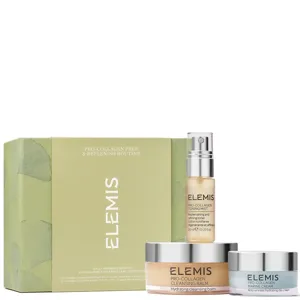
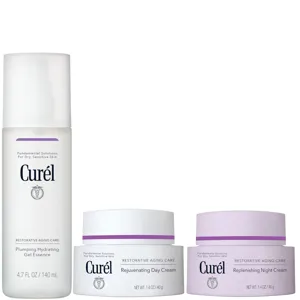
Packaging choice matters here too. When you buy a set, you might end up opening multiple items at once. Bundles like Elemis Renew & Restore Nighttime Rituals (from A$260.68) or Curél Firm & Tighten Day To Night Routine (from A$49.00) can deliver value, but only if you don’t crack everything open on day one. Stagger openings so PAO clocks don’t overlap.
Product-by-product: which night moisturisers suit “use it up” vs “slow and steady” routines
Expiry risk doesn’t only hinge on price. It hinges on how quickly you finish the product and how stable the formula stays under normal use.
Here’s how we’d group options from our night moisturiser listings, using only what brands state in their descriptions and what our pricing data shows.
If you want a night moisturiser you’ll finish within PAO
These sit at more accessible price points, which makes regular replacement less painful if you follow a strict PAO:
- Avène Les Essentiels Rich Revitalizing Nourishing Cream (from A$44.98) — positioned for very dry, sensitive skin and designed to soothe and replenish.
- Innisfree Green Tea Seed Hyaluronic Cream (from A$49.00) — lightweight hydration with a green tea complex, five forms of hyaluronic acid, and panthenol.
- Clinique Moisture Surge Intense 72Hr Cream (from A$62.00) — richer gel-cream for dry to very dry skin with hyaluronic acid as part of the formula approach.
These make sense if you prefer a “fresh jar every season” approach.
If you buy premium and need to protect the product
When you spend into the luxury tier, you want to avoid waste. These options cost more upfront, so storage and hygiene matter even more:
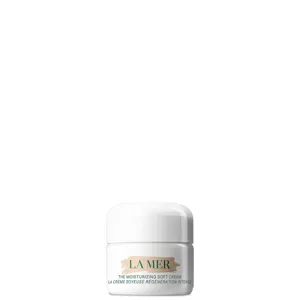
- La Mer The Moisturising Soft Cream (from A$166.60) — described as made with sea-derived ferments and the brand’s signature complexes to help nourish.
- Dr. Barbara Sturm Face Cream Rich (from A$294.00) — includes purslane noted for antioxidant properties, positioned to smooth, soothe, and hydrate.
- 111SKIN Repair Night Cream (from A$362.60) — powered by NAC Y2 complex and includes extracts like pink rock rose, tara, and sea moss to support a dewy-looking complexion.
We see the “Australia tax” show up most in this category across retailer feeds. Price tracking becomes genuinely useful when you want to time a purchase rather than panic-buy after a product turns.
If you want hydration but worry about formula instability
If your skin runs dry and you chase “plump”, you might lean toward multi-hyaluronic formulas. They can feel great, but they still need sane storage.
111SKIN Cryo Revitalising Moisturiser (from A$303.80) uses 11 types of hyaluronic acid and aims to hydrate with a cooling sensation. That “fresh” feel won’t compensate for a jar stored in heat.

Actives, sensitivity, and expiry: how to avoid irritation when a product ages
Expired moisturiser can irritate anyone. Active-focused formulas can irritate sooner, because small stability shifts can hit harder on the skin.
Retinol stands out. Clinique Smart Night Clinical Md Multi-Dimensional Repair Treatment With Retinol positions itself as a night treatment that pairs retinol with comforting hydration to help visibly reduce fine lines and wrinkles. Retinol can become less effective over time, and poorly stored product can also trigger unpredictable sensitivity. If you notice a new burn or peeling pattern from an older tube, don’t push through.
Barrier-first creams can help when your skin feels reactive, but they still expire. Murad Cellular Hydration Barrier Repair Cream (from A$135.24) targets dry and flaky skin and includes bilberry seed oil with omegas 3 and 6, plus a claim of up to 24 hours of moisture. If a barrier product starts stinging, treat that as a red flag, not a challenge.
Fragrance can also become more noticeable as formulas age, because volatile components shift. That doesn’t always mean “unsafe,” but it often means “less predictable,” especially for sensitive skin types.
Practical approach: if you want actives, buy sizes you can finish. If you rotate many products, choose fewer, and replace on schedule.
Practical checklist: track PAO, reduce waste, and replace at the right time
Readers often ask for a simple rule. Here’s the version we use when advising shoppers who want their night moisturiser to stay effective and skin-friendly.
Step-by-step, tonight:
- Find the PAO open-jar icon on your night moisturiser (or the outer carton).
- Write the opened date on a small label underneath.
- Store it outside the bathroom if you can. A bedside drawer works.
- Use clean, dry hands. For jars, consider a spatula.
- Do a quick monthly check: smell, texture, colour, and skin feel.
- Replace immediately if you see separation, mould, or a major smell change.
How to buy smarter so expiry doesn’t catch you: if you use one night moisturiser consistently, a luxury jar can make sense. If you rotate, stick to lower-cost options that won’t hurt to replace, like Innisfree Green Tea Seed Hyaluronic Cream (from A$49.00) or Avène Les Essentiels Rich Revitalizing Nourishing Cream (from A$44.98).
If you like sets, treat them carefully. A set can look economical under Skin Care Sets, but you still need to manage multiple PAOs. Open one item at a time.
And remember: night moisturiser sits in the broader skin care routine, but it doesn’t live in a vacuum. If your skin barrier feels compromised, daily sun exposure still matters in Australia. Keep your daytime products organised under Day Face Moisturisers and SPF Protection Products, so you don’t over-rely on one night cream to fix everything.
Which night moisturiser are you trying to use up right now—and is it a jar, a tube, or a pump? If you tell us the product name and how long it’s been open, we can help you judge whether it’s still a safe bet.
![Lumene Nordic Hydra [Lähde] Intense Hydration Night Cream](https://media.glamgeek.com/media/2026/02/06/c767918f-c413-416d-8371-19e4d5343fed_sm.jpg)