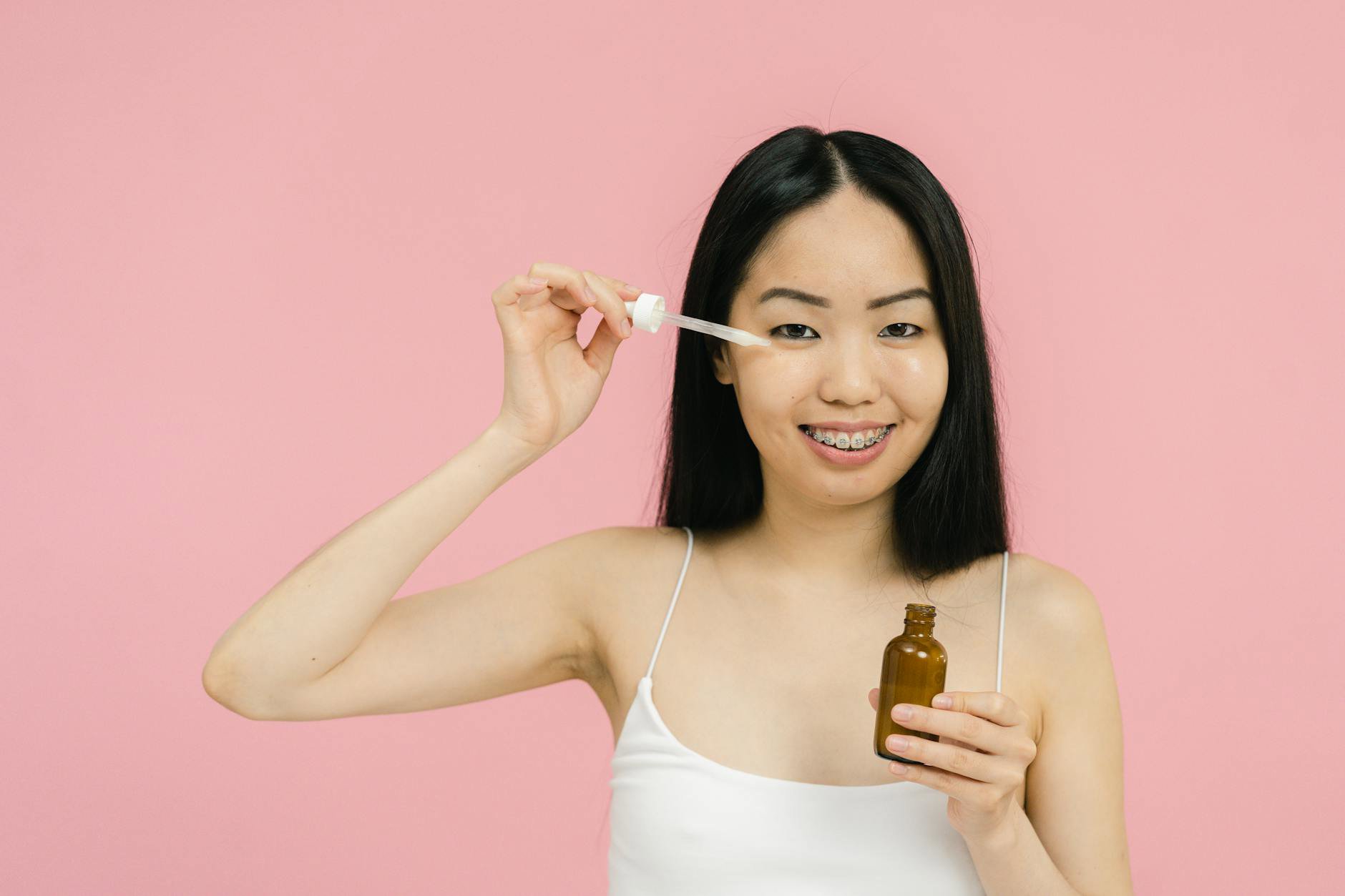
Apply face oil to slightly damp skin most of the time.
That one tweak usually makes oils feel less heavy, spread further, and sit more comfortably—especially in Australia’s dry, air-conditioned offices and high-UV outdoor lifestyle. But “damp” matters: we mean not dripping, and not over a slick layer of water that makes oil slide around.
There are also moments when dry skin wins: if you want more slip for massage, you need targeted cushioning over flaky patches, or you’re using a stronger active oil at night and want tighter control of where it goes.
Wet vs dry: what actually changes on your skin
Face oils don’t “hydrate” in the way water-based products do. Oils mainly seal and soften. They reduce transepidermal water loss (TEWL) by reinforcing the surface lipid layer, which helps keep existing water in the skin from evaporating.
So when you apply an oil to damp skin, you trap more water at the surface. That usually translates to a plumper feel and a smoother look. In contrast, applying oil to fully dry skin can still soften and add glow, but it may not deliver that “bouncy” comfort unless you already have water in the skin to hold onto.
Texture also changes. A few drops of oil spread more easily when there’s a thin veil of moisture. That can reduce the temptation to over-apply, which matters for anyone who hates shine or worries about congestion.
There’s a catch. If your face is wet-wet (visible water beads), oil can skid and apply unevenly. That can leave some areas under-protected and others overly slick. Aim for skin that feels cool and slightly tacky, not soaked.

When damp application works best (and who should do it)
Damp application shines when your goal is comfort without heaviness. Most people land here, particularly in dry climates or during winter when indoor heating and air con pull moisture from the skin.
It also helps if you use oils in the morning and want your base to behave under Liquid Foundations. A thin, even oil layer on slightly damp skin tends to settle faster and look less patchy than oil on desert-dry skin.
From our price tracking, the best “spread and seal” options in this category often sit in the mid-to-premium bracket, and they get discounted less frequently than colour cosmetics. That means technique matters even more—better application makes a pricey oil last longer.
Face oils from the list that suit this “damp first” approach:
- Grown Alchemist Antioxidant+ Facial Oil (from A$84.28) — described as a synergistic blend of antioxidants and nutrients, with essential fatty acids from rosehip and sea-buckthorn berry to support moisture and suppleness.
- MZ Skin Reviving Antioxidant Facial Oil (from A$245.11) — lightweight, formulated with a blend of 9 omega and antioxidant-rich seed oils to help protect against oxidative damage and support radiance.
- Nuxe The Revitalizing Oil-Serum, Nuxuriance Gold (from A$135.24) — designed to nourish the skin barrier and leave skin feeling softer and stronger, with Camargue rice extract and botanical oils including avocado, jojoba, and macadamia.
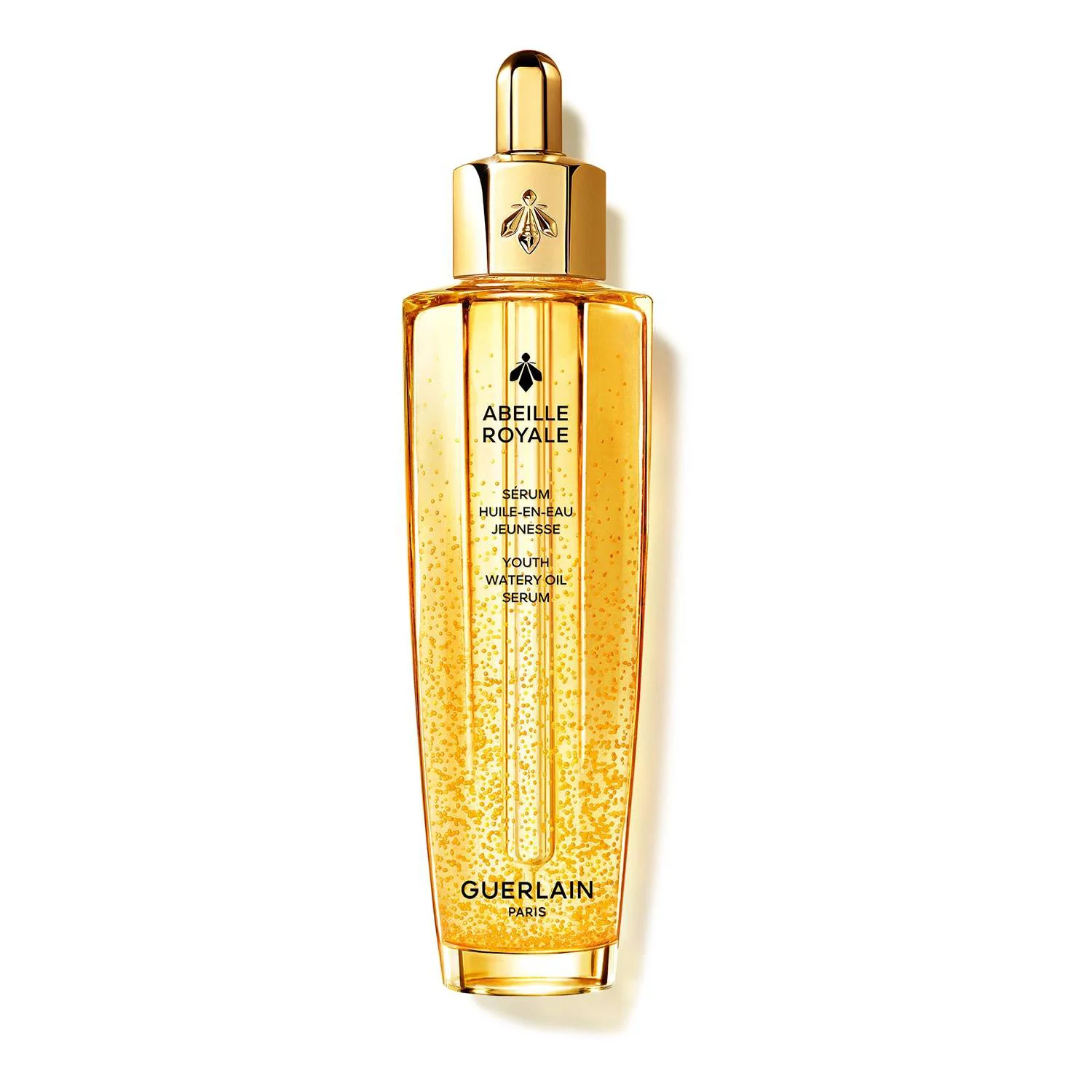
- Guerlain Abeille Royale Youth Watery Oil Serum (from A$168.56) — positioned around a “watery oil” texture and a honey-focused approach, backed by the brand’s stated research and patents.
If you shop at Mecca or Sephora Australia, you’ll see face oils skew premium, and the “Australia tax” can sting. Our merchant feed often shows smaller swings in oil pricing than in Lipsticks or palettes, so getting the method right pays off.
When dry skin application makes more sense
Dry application isn’t wrong. It’s just more specific.
Choose dry skin application when you want maximum control. If you’re using an active-heavy oil at night, applying to dry skin can reduce spread and help you keep the product where you want it.
The clearest example in this list is 111SKIN Black Diamond Retinol Oil (from A$352.80), described as a highly concentrated night treatment with a 2.5% retinol and granactive retinoid blend, plus eight nourishing oils. Retinoids can irritate if you over-apply or push them into sensitive zones. Dry application helps you use fewer drops and keep it away from the corners of the nose, mouth, and eyes.
Dry application also suits “spot cushioning”. Think flaky patches, windburn, or that tight feeling after a long day outdoors. Applying oil directly to dry areas can give more immediate slip and reduce friction when you’re tempted to rub.
Finally, if you use face oil for massage, dry skin gives more glide. Damp skin can grab and skip as the water evaporates. If you want a longer massage window, start on dry skin, use a smaller amount, and add one extra drop only if needed.
Ingredient logic: why some oils feel better on damp skin
“Oil is oil” sounds tidy, but formulas behave differently depending on what they emphasise: fatty acids, ceramides, antioxidants, or a lighter, serum-like texture.
Barrier-first oils often pair well with damp skin because they seal in water and reduce TEWL. Dr. Barbara Sturm Ceramide Drops Face Oil (from A$245.00) centres a 5-Ceramide Complex and a botanical blend designed to nourish the moisture barrier and lock in long-lasting hydration. Ceramides support barrier lipids; they make more sense when there’s water to keep in.
Essential fatty acid-rich oils also tend to feel more “skin-like” on damp skin. Grown Alchemist Skin Renewal Facial Oil (from A$73.70) highlights rosehip at the core, with omegas 3, 6 and 9 for intense hydration support and a smoother, firmer-looking complexion. Those omega profiles often suit people who feel tightness but dislike the feel of thick occlusives.
Antioxidant blends can go either way. If you apply an antioxidant oil on damp skin, you often get a thinner, more even film that looks less shiny during the day. That matters in Australian summers when makeup and sunscreen already add sheen, and skin runs warmer.
Texture matters too. A “watery oil” style, like Guerlain Abeille Royale Youth Watery Oil Serum (from A$168.56), often sits best on slightly damp skin because it spreads quickly. On dry skin, fast-spreading textures can encourage overuse because they absorb before you finish distributing them.
Step-by-step routines: damp vs dry by skin type
There’s no single perfect routine, but there are patterns that work.
Below, we keep it face-oil focused. If you’re pairing oils with other steps, you can explore adjacent categories like Day Face Moisturisers, Anti Ageing Face Serums, and SPF Protection Products separately.
Dry or dehydrated skin (most climates, especially winter)
Best default: damp skin.
- Pat face so it’s slightly damp.
- Warm 2–4 drops between palms.
- Press onto cheeks, forehead, chin. Don’t rub hard.
- Add 1 drop to the driest zone only if needed.
Good matches: Dr. Barbara Sturm Ceramide Drops Face Oil (from A$245.00) for barrier support, or Grown Alchemist Skin Renewal Facial Oil (from A$73.70) for rosehip-led omega support.
Oily or combination skin (shine-prone but can still dehydrate)
Best default: damp skin, fewer drops.
- Keep skin just-damp, not wet.
- Use 1–2 drops, max.
- Press onto perimeter first (cheeks), then whatever remains onto T-zone.
- Wait a minute before you add anything else on top.
Good matches: MZ Skin Reviving Antioxidant Facial Oil (from A$245.11) because it’s described as lightweight, or Grown Alchemist Antioxidant+ Facial Oil (from A$84.28) for an antioxidant and essential fatty acid approach.
Barrier-stressed or sensitised skin (tight, reactive, easily irritated)
Best default: damp skin, gentle pressure only.
- Pat to damp.
- Use 2–3 drops.
- Press and hold palms to the skin for two seconds per area.
- Avoid vigorous massage if you flush easily.
- Keep application away from the immediate eye area.
Good match: Dr. Barbara Sturm Ceramide Drops Face Oil (from A$245.00) because its description focuses on ceramides and barrier nourishment.
Night routine focused on lines and tone (retinoid users)
Best default: dry skin for precision.
- Make sure skin feels dry to the touch.
- Use the smallest amount that spreads evenly.
- Apply to broad areas first, then detail zones last.
- Keep away from nostril folds and lip corners.
Good match: 111SKIN Black Diamond Retinol Oil (from A$352.80), described as a concentrated night treatment with a 2.5% retinol and granactive retinoid blend.
One more option for “all-skin-type” night nourishment: OSKIA Restoration Oil (from A$156.80), described as a high performance blend of nutrients, floral oils and extracts, with firming African Acmella plus Lupin and Sea Fennel to support suppleness and tone.
Common mistakes that make face oils feel greasy (and how to fix them)
Most “face oils don’t work for me” stories come back to amount and water level. Not the product.
Mistake: applying to dripping wet skin.
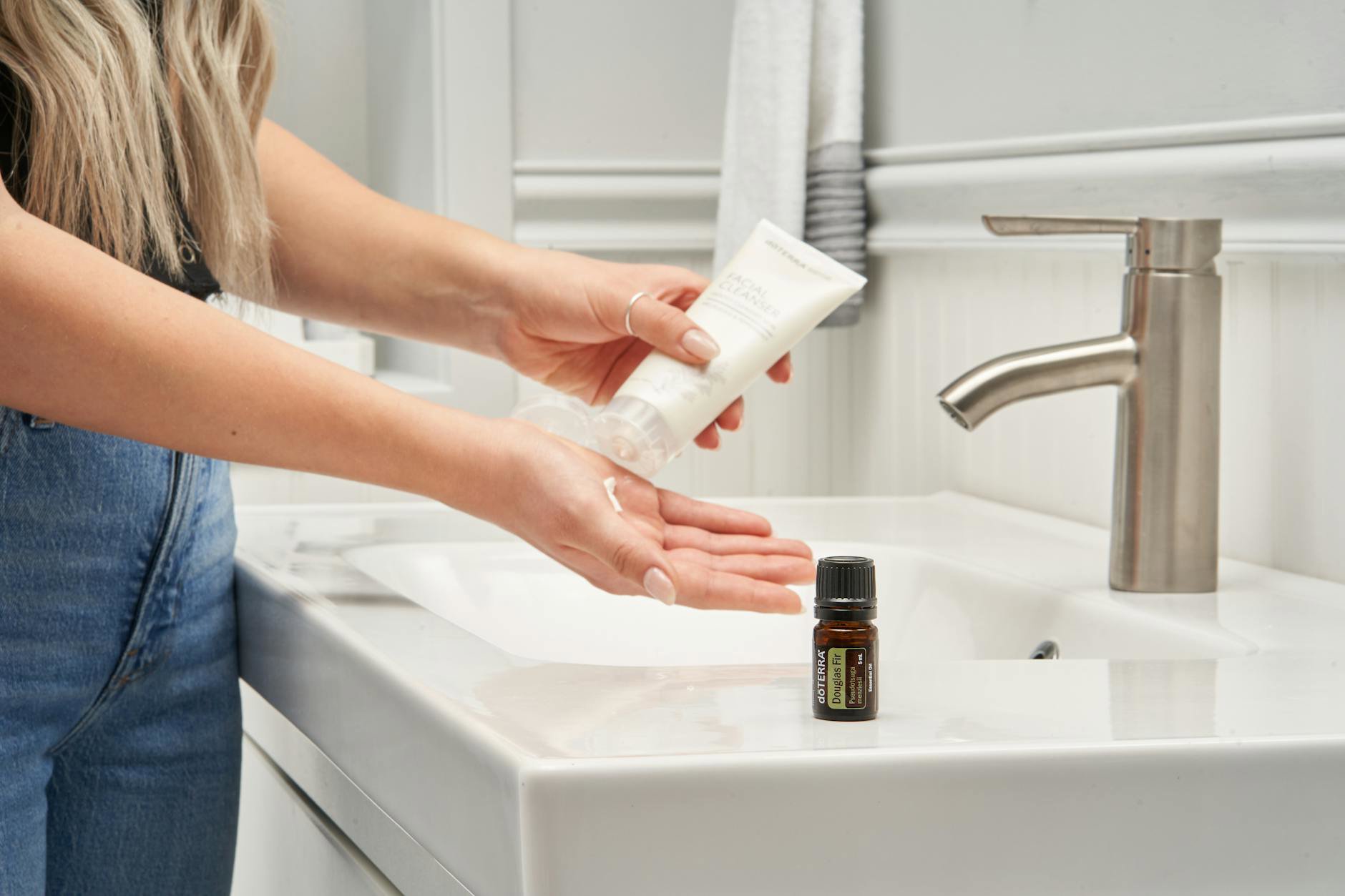
Fix: pat once with a towel or tissue. You want a thin film of moisture, not a rinse cycle.
Mistake: using too many drops because the oil disappears fast.
Fix: slow down. Warm the oil between palms, then press. Fast absorption can mean you’re spreading too thinly or rubbing too hard, not that you need more product.
Mistake: rubbing like moisturiser.
Fix: press and roll. Rubbing can pill other layers and can leave oil sitting in lines around the nose.
Mistake: putting oil where you don’t need it.
Fix: apply strategically. For combination skin, start on cheeks and use leftovers on the T-zone. For retinoid oils, keep clear boundaries around sensitive folds.
Mistake: expecting oil to replace sun protection.
Fix: it can’t. Australia’s UV stays high, and oils don’t give reliable UV filters. Keep SPF in the routine via SPF Protection Products.
Mistake: blaming “breakouts” without checking friction and residue.
Fix: check your pillowcase, hairline, and how much product you’re using. Oils can migrate. Use fewer drops and avoid applying right up to the hairline.
Which face oil should you pick for damp vs dry application?
We can’t pretend every oil suits every face. But we can match formulas to goals, and we can be frank about pricing.
Here’s a quick comparison using the face oils in our list (prices shown as “from” because retailer pricing moves across Mecca, Sephora Australia, Adore Beauty, MYER, and other authorised sellers).
- Best for “damp skin glow” with antioxidant support: Grown Alchemist Antioxidant+ Facial Oil (from A$84.28). It leans on essential fatty acids from rosehip and sea-buckthorn berry, plus an antioxidant/nutrient blend.
- Best for barrier support on damp skin: Dr. Barbara Sturm Ceramide Drops Face Oil (from A$245.00). Its description spotlights a 5-Ceramide Complex for moisture barrier nourishment and long-lasting hydration.
- Best for a lighter feel while still oil-based: MZ Skin Reviving Antioxidant Facial Oil (from A$245.11), described as lightweight with 9 omega and antioxidant-rich seed oils.
- Best for dry-skin “cushion” and comfort: Nuxe The Revitalizing Oil-Serum, Nuxuriance Gold (from A$135.24), designed to nourish the barrier with oils like avocado, jojoba and macadamia, plus Camargue rice extract.
- Best for targeted night use where dry application helps: 111SKIN Black Diamond Retinol Oil (from A$352.80), described with a 2.5% retinol and granactive retinoid blend.
- Best for a nutrient-and-extract blend that suits many routines: OSKIA Restoration Oil (from A$156.80), described as non-greasy and suitable for all skin types, with African Acmella, Lupin and Sea Fennel.
- Best for rosehip-centred omega support on damp skin: Grown Alchemist Skin Renewal Facial Oil (from A$73.70), with rosehip and omegas 3, 6 and 9 highlighted.
- Best for a “watery oil” style texture: Guerlain Abeille Royale Youth Watery Oil Serum (from A$168.56), built around three black-bee honeys and a deep diffusion texture.
Price reality check: oils above A$200 often hold their price unless a retailer runs a sitewide promo. Our tracking tends to show fewer steep markdowns than you’d see in some Skin Care Sets. If you want value, the Grown Alchemist oils usually land closer to the “buy again” zone for many budgets.
Practical tips you can use today (no overhaul required)
Start with this simple rule: damp for comfort, dry for control. If you only remember one line, make it that.
Then fine-tune:
- Use the “press, don’t polish” method. Pressing reduces pilling and helps distribute a thin film.
- Count drops once. Pick a number (often 1–2 for oily/combination, 2–4 for dry) and stick to it for a week before you judge results.
- Keep retinoid oils boring and consistent. With 111SKIN Black Diamond Retinol Oil (from A$352.80), apply to dry skin, avoid sensitive folds, and don’t chase “extra glow” by adding more.
- Adjust with climate. In a humid summer (hello, Brisbane), you may prefer fewer drops on damp skin. In a dry winter (Canberra mornings), damp skin plus a richer-feeling oil often reads calmer.
If you want to cross-check how your routine categories fit together, browse skin care broadly, or jump into supporting steps like Night Face Moisturisers and Face Masks. Keep your face oil method steady first, though. Otherwise you won’t know what changed.
Bottom line: damp usually wins, but dry has a place
If your face oil feels greasy, patchy, or like it never sinks in, switch to slightly damp skin and cut the amount.
If you need precision—especially with a retinol oil—or you want a longer massage glide, go dry and stay disciplined with drops.
Which camp are you in right now: chasing comfort, or chasing control? Tell us your skin type and when you use oil (morning, night, or both), and we’ll point you to the most sensible option from the list.