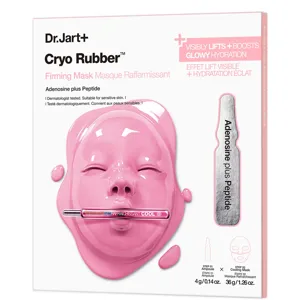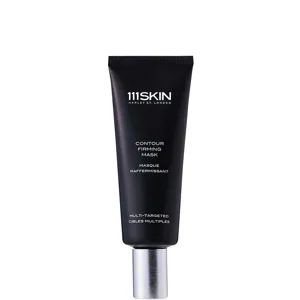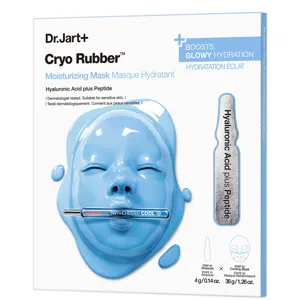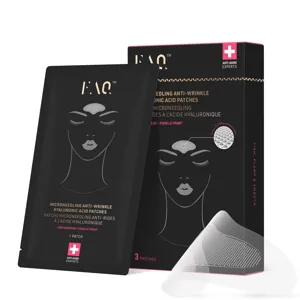
Acne sells promises. Our data shows breakout-focused masks surge in popularity every summer, then again before long weekends when people want a fast fix. The demand makes sense. A mask feels decisive—ten minutes, then clear skin. Except it rarely works like that.
Face masks can support an acne routine. Some can even prevent a looming flare. Others clog pores, sting, or strip your barrier and trigger worse breakouts a week later. The difference comes down to ingredients, contact time, and how you use the rest of your routine around them.
We combed through the formulas that track well across Australian retailers and the clinical evidence behind key actives. The verdict: masks can help acne, but only when you choose targeted actives and respect the limits of what a wash-off or short-contact product can do.
Across our merchant feed, anti-blemish masks restock faster during heat waves and promo weekends. That pattern says Australian skin has specific needs: high UV, sweaty gym sessions, and humidity in the north. Breakouts behave differently under those conditions, so the right mask in Sydney may clash with life in Darwin. We flag the differences below so you can pick a formula that fits your climate and your tolerance.
One more reality check. A mask will not replace a daily acne treatment, sunscreen, or a gentle cleanser. It can reduce oil, decongest a patch, or calm redness. Think of it as a helper, not the hero.
Acne 101: What a mask can and can’t do
Acne starts when pores clog with dead skin and sebum. Cutibacterium acnes bacteria thrive in that mix and inflammation builds. A useful mask either unclogs pores, reduces oil, or calms inflammation. If it does none of those, it adds steps without benefits.
Short-contact products have limits. A mask sits on skin for 5–20 minutes. That window suits oil adsorbents like kaolin and bentonite, chemical exfoliants like salicylic acid, and calming agents such as niacinamide. It doesn’t suit slow-acting actives that need long exposure, like low-level retinoids, or complex peptides that target long-term repair.
You also need to consider your acne type. Non-inflammatory acne (blackheads and whiteheads) responds well to clay, salicylic acid, and fruit enzymes. Inflamed papules and pustules need soothing masks with sulfur, zinc PCA, or colloidal oatmeal. Cystic acne often won’t shift with a mask alone and usually needs medical care. Spot-treating cysts with a high-strength, short-contact product can reduce pain, but masks struggle to reach deep lesions.
Finally, a mask must fit your barrier status. If you’ve over-exfoliated or used a strong retinoid, your skin may sting and redden with active masks. In that phase, choose soothing, fragrance-free formulas and pause acids for a week. A strong barrier clears acne faster than an irritated one.
Clay and sulfur masks: useful, but don’t overdo it
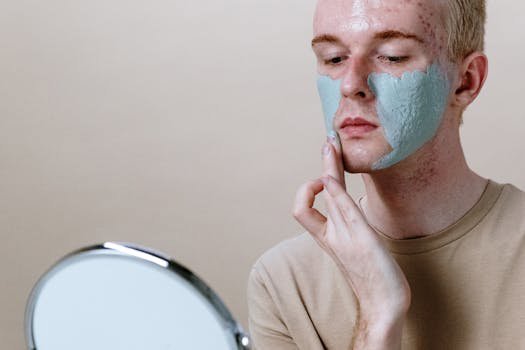
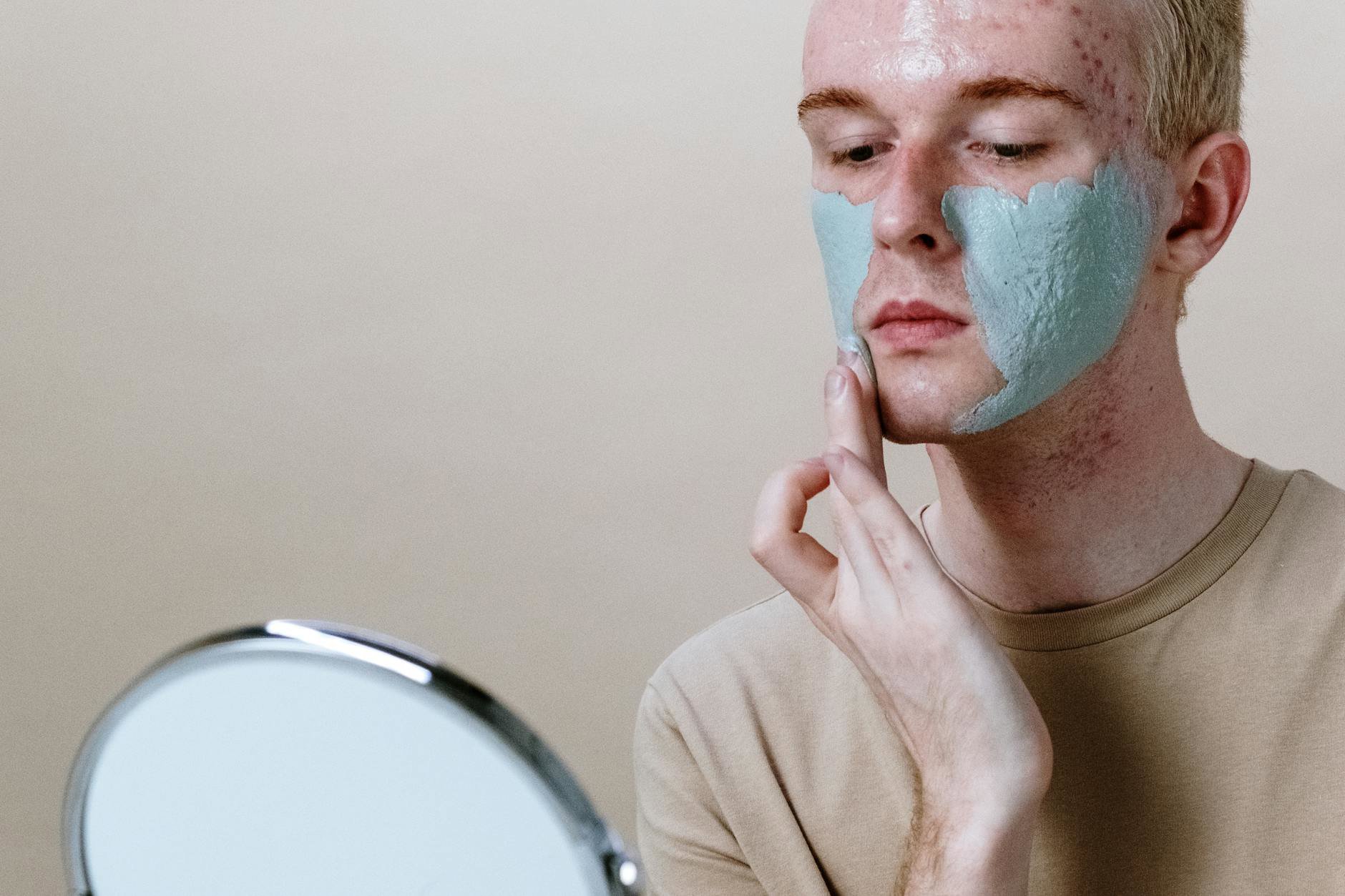
Clay works because it absorbs sebum and draws out debris. Kaolin offers a gentle, fine texture. Bentonite swells with water and grabs oil more aggressively. A well-formulated clay mask reduces midday shine, improves texture, and softens blackheads. But clay can also pull too much water from skin and leave it tight or flaky. That rebound dryness can trigger a surge in oil a few days later.
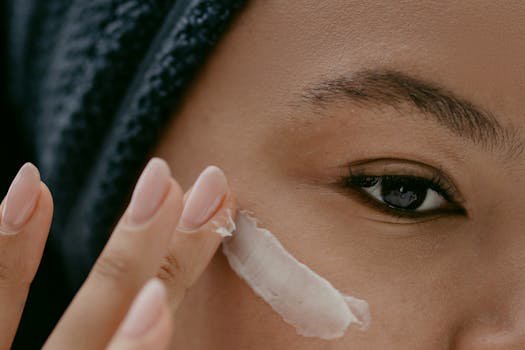
If you’re oily or combination, apply a clay mask two to three times a week on the T-zone and once on drier areas. Dry or sensitive skin can stick to a weekly T-zone treatment and spot-apply to congested areas. Don’t let clay dry to a hard crust. Mist with water or remove at the “just set” stage to avoid barrier stress.
Sulfur brings antibacterial and keratolytic properties. It loosens dead skin at the pore and reduces the bacterial load. Many sulfur masks combine clay with 3–10% sulfur for inflamed breakouts. The scent divides opinion, but sulfur remains one of the most effective short-contact actives for red, angry spots. Use once or twice weekly, and buffer with a simple moisturiser after you rinse.
Brand examples that trend well in our acne category include classic clay formats from L'Oréal and tea-tree-leaning clays from The Body Shop. If you track one of these on GlamGeek, add it to your wishlist. We’ll ping you when it drops in price across Sephora Australia, Adore Beauty, Priceline, or Chemist Warehouse. Australia often pays an “Australia tax,” so a quick alert can save you a surprising amount over the year.
Salicylic acid (BHA) masks: the pore-first choice
Salicylic acid remains the gold standard for unclogging pores because it dissolves inside the pore lining. A rinse-off or short-contact BHA mask at 1–2% can clear blackheads and reduce the number of new comedones. It can also calm redness when it binds to inflammatory mediators. The trick lies in frequency and pairing.
Use a BHA mask once or twice weekly if you also use a daily BHA toner or cleanser. If you don’t use a daily BHA, you can push to two or three mask sessions weekly, but watch for dryness. Pair BHA with a bland moisturiser. Avoid stacking with strong AHA peels in the same session. That combination often triggers a stingy, tight feeling that sets you back.
Women who struggle with sweat-triggered breakouts after the gym often do well with a quick BHA session in the evening. Cleanse after your workout, apply the BHA mask for 5–10 minutes, then rinse and moisturise. This routine prevents sweat, SPF, and sunscreen filters from sitting in pores overnight. In Australia’s humid months, this habit matters more than you think.
Not sure which BHA format suits you? The mask format works well for those who prefer control and limited contact time. If you want daily maintenance, browse our Face Exfoliants category. Add a couple of options to your wishlist and compare textures and ingredients. We track fluctuating stock, so you’ll also see when a retailer brings back an out-of-stock favourite.
Charcoal, kaolin and absorbents versus your barrier
Charcoal often appears alongside clays for its adsorbent surface area. It can grab impurities and help decongest, but most of the heavy lifting still comes from kaolin or bentonite. The main risk isn’t charcoal itself; it’s aggressive formulas that pair multiple absorbents without humectants. That balance leaves skin squeaky and prone to micro-cracks in the barrier.
Scan the INCI list. Look for glycerin, hyaluronic acid, or panthenol in the first half to offset the draw of clay. Niacinamide or zinc PCA helps control oil while supporting the barrier. If a charcoal mask also includes fragrance or menthol, skip it for acne-prone, sensitive skin. That “fresh tingle” often comes with barrier stress and post-mask redness.
If you live in a hot, dry climate—think inland summer days—respect water loss. Limit absorbent masks to short stints and seal in moisture after rinsing. Choose a lightweight gel-cream if you dislike heavy creams in heat. Our Day Face Moisturisers page filters by texture and finish, so you can find a non-greasy option that won’t clog. You can also sort by brand if you stick to staples like Clinique for reliable, fragrance-free picks.
If you live in tropical humidity, you might tolerate absorbents more often. Even then, watch for tightness an hour later. If your face feels pulled, reduce frequency or try a clay mask that never fully dries. The goal isn’t a matte plank. The goal is a calmer T-zone that doesn’t panic-produce oil tomorrow.
{{IMAGE:woman applying clay acne mask}}Sheet masks and rich creams: when they help and when they backfire
Sheet masks excel at hydration and occlusion. That can calm irritation and improve product penetration, but it can also trap heat and sebum. Occlusion on active acne often raises inflammation. Thick creams in an overnight “sleeping mask” format can do the same. If the formula also contains heavy emollients like isopropyl myristate or rich butters, breakouts often follow.
So, do sheet masks help acne? Some do. Choose fragrance-free, alcohol-free sheets that list niacinamide, centella asiatica, panthenol, or zinc PCA. These soothe without clogging. Avoid essential oils on active breakouts. They smell appealing but often irritate. If a sheet feels slippery with silicone and oil, save it for a non-acne night.
As for sleeping masks, patch test first. If you want overnight hydration without a flare, use a gel-cream in a thin layer and skip the “occlusive seal” trend on spots. Keep richer occlusives for the undereye and lips. Our Lip Balms & Creams category has plenty of lanolin-free options for those who clog easily around the mouth and chin.
Shoppers who prefer a simple, affordable routine can consider breakout-friendly hydrating masks from Garnier or an in-house option from Sephora Collection. Add your picks to a wishlist. We’ll watch stock across Sephora Australia, Adore Beauty, and MYER, and send a nudge when one returns on promo.
Exfoliating masks for marks: AHA and PHA done right
Once breakouts settle, many women want to fade the marks left behind. In lighter skin, these marks often look pink or red (post-inflammatory erythema). In deeper skin, they often look brown (post-inflammatory hyperpigmentation). AHA masks—glycolic or lactic—can help fade surface discolouration. PHAs like gluconolactone work more gently and suit sensitive skin.
Use exfoliating masks on clear or nearly clear skin. Avoid active, inflamed spots. Keep contact short the first time—five minutes—and build to the full label time. Pair with broad-spectrum SPF every day. Australian UV counts as extreme for much of the year. Unprotected exfoliated skin hyperpigments faster. If you commit to AHA masks, commit to sunscreen.
We rate lactic acid for beginners because it hydrates while it exfoliates. PHAs suit those who flush easily or react to perfume. If you already use a retinoid at night, limit AHA masks to once weekly at most. You can also try an enzyme mask (papain or bromelain) for a gentler route. For SPF support, browse our SPF Protection Products. Add one to your wishlist and we’ll alert you when your preferred filter type or texture returns to stock after a run of sunny weeks.
Note the mix-and-match trap. BHA for pores and AHA for marks works well, but not in one session for most people. Stagger them by a few days. Once your barrier tolerates both, you can experiment with a combined session. Stop if stinging lingers past removal.
Ingredients to seek out—and to avoid—on acne-prone skin
Seek: salicylic acid, sulfur, niacinamide, zinc PCA, panthenol, colloidal oatmeal, and gentle clays. These target oil, pores, or inflammation and tend to work in short contact. You can also look for prebiotic fibres and fermented filtrates if your barrier runs sensitive. They won’t unclog pores, but they can temper irritation after active masks.
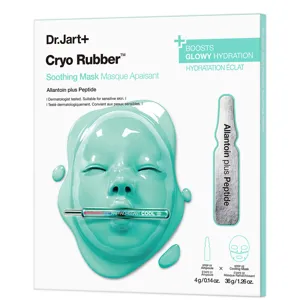
Neutral but useful: charcoal and volcanic ash behave like clays. Tea tree oil can help some women, but it also irritates many. If you try it, patch test first and avoid if you use prescription topicals. Allantoin and bisabolol soothe and pair well with salicylic acid. Humectants like glycerin and hyaluronic acid help counter clays.
Caution: strong fragrance, menthol, eucalyptus, and rosemary. These add sting and can worsen redness. Heavy emollients that often clog include isopropyl myristate, isopropyl palmitate, coconut oil, wheat germ oil, and some algae extracts. Shea butter divides opinion—fine for some, heavy for others. If you break out along the jaw, avoid it in masks that sit for 10–20 minutes.
If you filter by brand, many acne-friendly formulas live under Clinique and L'Oréal. You’ll find soothing-leaning picks at Shiseido and clarifying budget options at Revolution. Open a few tabs from our Face Masks category and skim the first 10 ingredients. You’ll spot the patterns fast.
Build a breakout-friendly masking routine for Australian conditions
Start with a gel or cream cleanser. Avoid harsh scrubs. Massage for 30–60 seconds, rinse, and pat dry. Apply your mask on clean, dry skin. Use a headband and a silicone brush if you want a neat, even layer. Spread thinly. Thick layers waste product and increase irritation without better results.
Time your masks. Clay or sulfur: 5–10 minutes, never to a crackly dry state. BHA: 5–15 minutes depending on tolerance. AHA/PHA for marks: start at five minutes, build to label guidance. Rinse with lukewarm water and use a soft cloth for the edges. Avoid hot water and vigorous rubbing.
Moisturise after. Choose a lightweight, non-comedogenic gel-cream for oily or combination skin. Choose a simple cream for normal to dry. If you wear makeup, use a silicone-free primer or a very light layer to reduce occlusion on active breakouts. You can browse Face Primers and Liquid Foundations with a satin or natural matte finish that stay put in heat. If you prefer prestige makeup, our pages for Charlotte Tilbury and MAC let you compare base textures and see which shades and formulas local retailers actually stock.
Respect Australia’s UV. Use a broad-spectrum SPF every morning, even if your mask day feels like a “treatment” day. UV exposure fuels post-acne marks and delays fading. Set a wishlist for two or three sunscreens that suit sweat and reapplication. We’ll alert you when they come back into stock after heat spikes, which often trigger sell-outs.
{{IMAGE:acne skincare flatlay women}}How often should you mask for acne—and when should you stop?
Oily or combination skin: 2–3 times weekly with clay or sulfur. Add a weekly BHA mask if blackheads persist. Sensitive skin: once weekly with a gentle clay or PHA. Inflamed breakouts: 1–2 sulfur sessions weekly plus a barrier-soothing mask on off days. If you use a prescription retinoid or benzoyl peroxide daily, reduce mask frequency and prioritise soothing over more exfoliation.
Stop and reassess if your skin stings, flakes, or feels tight the day after masking. That feedback matters. Shift to calming masks and remove fragrance and menthol from the equation. If breakouts worsen two weeks in a row, audit your routine for heavy occlusives and new actives. Masks often take the blame when a new serum or makeup base actually triggered the flare.
Watch your timing around workouts. Sweat plus occlusion drives “gym acne.” Cleanse after training. If you commute home hot and flushed, wait 30 minutes before masking. Your barrier handles actives better when your face cools and stops sweating. In summer, store your soothing mask in a cool cupboard (not the fridge if the brand advises otherwise) to reduce post-application redness without shocking the formula.
Finally, skip masking right before a big event if you’re trying a new product. Patch test on the jawline, then attempt a full session two or three days before, not the night before. That buffer protects you from surprise redness or texture on the day.
Pregnancy, sensitive skin and prescriptions: safety notes
If you’re pregnant or breastfeeding, avoid high-strength salicylic acid peels and retinoids. Short-contact salicylic acid at low percentages often appears in guidance as acceptable, but check with your healthcare provider. Sulfur, azelaic acid, and niacinamide usually sit in the safe column and help acne-prone skin. Always confirm with your doctor if you use multiple actives.
If you take prescription treatments—topical retinoids, benzoyl peroxide, clindamycin, or oral isotretinoin—dial back strong exfoliating masks. Focus on gentle clays and barrier-soothing formulas. Many isotretinoin users report extreme dryness. In that case, avoid clay entirely for a cycle and use a calming, fragrance-free mask. Build back actives slowly after you finish or stabilise your prescription routine.
Patch test the first time you use sulfur or essential oils. Sensitive skin can react even if the mask targets acne. Apply a small amount behind the ear for 15 minutes, rinse, and watch for 24 hours. If no redness or itching appears, proceed to a full session. If you react, switch to fragrance-free, niacinamide-heavy options and avoid botanicals for a few weeks.
For makeup, lean on long-wear, oil-controlling bases that don’t suffocate skin. Our Face Primers and Liquid Foundations sections show which formulas suit sweat and heat. You can compare across Clinique, Estée Lauder, and Lancôme and then add your shades to a wishlist for quick price alerts during mid-season sales.
When masks make acne worse: common pitfalls
Occlusion overload: thick sleeping masks on an oily T-zone trap heat and sebum. Swap for a thin gel-cream and spot-apply heavier balm to dry cheeks only. Fragrance burn: menthol and eucalyptus masks feel fresh, then leave blotchy redness. That redness fuels a delayed breakout in many women. Perfume in rinse-off can still irritate. Sensitive types do better without it.
Over-exfoliation: stacking a BHA mask with a strong AHA peel and a retinoid in the same 24 hours creates a sting cycle. Skin defends itself with more oil and flaking. Spread actives across the week and keep masks short contact. Dirty tools: mask brushes and silicone spatulas collect residue. Clean them with a gentle cleanser and rinse well. Bacteria on tools doesn’t help acne.
Comedogenic cleansers: harsh foams leave you tight, so you overcompensate with rich creams. The rebound clogs pores, then you blame the mask. Start with a balanced cleanser and lighter moisturiser. Our Foam & Wash Cleansers page helps you filter to low-fragrance, non-stripping picks that play well with active masks.
Wrong climate strategy: the same clay schedule that works in Melbourne’s dry heat may wreck your barrier in Cairns humidity. Adjust frequency with the weather. In heat and sweat, shorter and more frequent can work. In dry wind, less frequent and more soothing wins.
Smart shopping: use data and samples, not hype
Marketing loves a buzzy extract. We look at the first ten ingredients instead. If a mask promises “acne control” but lists perfume and essential oils before any proven actives, skip it. If a mask lists salicylic acid but sits under fragrance and colourants, the level may not help much in a rinse-off format. Clay plus niacinamide, sulfur, zinc PCA, or BHA near the top often signals a better bet.
Shop around. We see regular price spreads across major Australian retailers. That includes the occasional “Australia tax” gap compared to overseas RRP. GlamGeek exists for this reason. Open a product page, add it to your wishlist, and we’ll flag restocks, bundle deals, and flash promos. You can compare a clay staple from L'Oréal next to a soothing pick from Clinique, and a budget option from Revolution without juggling six tabs.
When in doubt, ask for a sample or choose a travel size. A ten-minute mask shouldn’t leave you red for two days. If it does, return it or pass it on, then recalibrate with soothing formulas for a fortnight. Data beats sunk cost. Your skin will thank you.
What this means for your routine
Face masks can help acne when they match the job. Clay targets oil and surface debris. Sulfur calms inflamed spots. Salicylic acid clears pores. AHA and PHA help with post-acne marks once the storm settles. Everything else should support, not distract. Keep fragrance low, skip menthol, and use humectants to counter clays.
Build a plan, then let GlamGeek do the heavy lifting on price and stock. Shortlist a clay or sulfur mask, a gentle soothing mask, and a sunscreen you’ll wear daily. Add them to your wishlist. We’ll track them across Sephora Australia, Adore Beauty, Priceline, Chemist Warehouse, and MYER, and ping you when the numbers look good. Adjust frequency with your climate, space out strong actives, and protect your barrier. That combination delivers better acne days than any miracle-in-a-jar claim.
Need a place to start? Compare breakout-friendly clays and BHAs in our Face Masks category, pair them with a balanced cleanser from Foam & Wash Cleansers, then lock in an everyday shield from SPF Protection Products. Add your top picks to a wishlist, and let our tracker watch for price dips while you focus on consistency.
Which acne-friendly mask actually worked for your skin type, climate, and routine gap? Tell us what you picked, what you paired it with, and what you’d skip next time. Your tips help other GlamGeek readers shop smarter.