Our price tracker rarely shows a clean, across-the-board pattern in “eye area” shopping. This week does.
Across our merchant feed, women aren’t just buying eye creams; they’re buying eye serums, brightening treatments, and “targeted” actives that used to sit in full-face routines. The headlines back it up too: major publishers keep running depuff-and-brighten roundups and “sleep in a bottle” eye serum lists.
Marketing loves to pretend that means every tiny bottle deserves a luxury price. Our data says otherwise. The smart move in Australia right now involves (1) choosing the right active for your specific issue and (2) timing purchases around the few genuine discounts that appear.
Why we’re calling this one: the headlines are generic, the buying pattern isn’t
We’re taking the data-led angle here, because the Australian headlines mostly recycle the same claims: depuff, brighten, “works overnight”. They rarely tell you what matters—which ingredients do what, how they behave on the thin eye area, and how to avoid paying the “Australia tax” for a tiny jar.
Across our feed, the most consistent movement sits in Anti Ageing Face Serums and pigment-focused treatments. That matters because the eye area often looks tired for the same reasons the rest of the face does: dehydration, pigment, inflammation, and a compromised barrier. The difference sits in tolerance. Eye skin reacts faster.
So we built this guide around what actually shifts the look of the under-eye in real life—then matched it to what’s discounted right now. One standout this week: La Roche-Posay Mela B3 Double Dose For Sunspots And Ageing Marks dropped to A$73.50 (was A$98.00) at lookfantastic. That isn’t an “eye serum”, but it maps closely to the most common eye complaint we see in search: uneven tone.
First, diagnose the problem (because “dark circles” isn’t one thing)
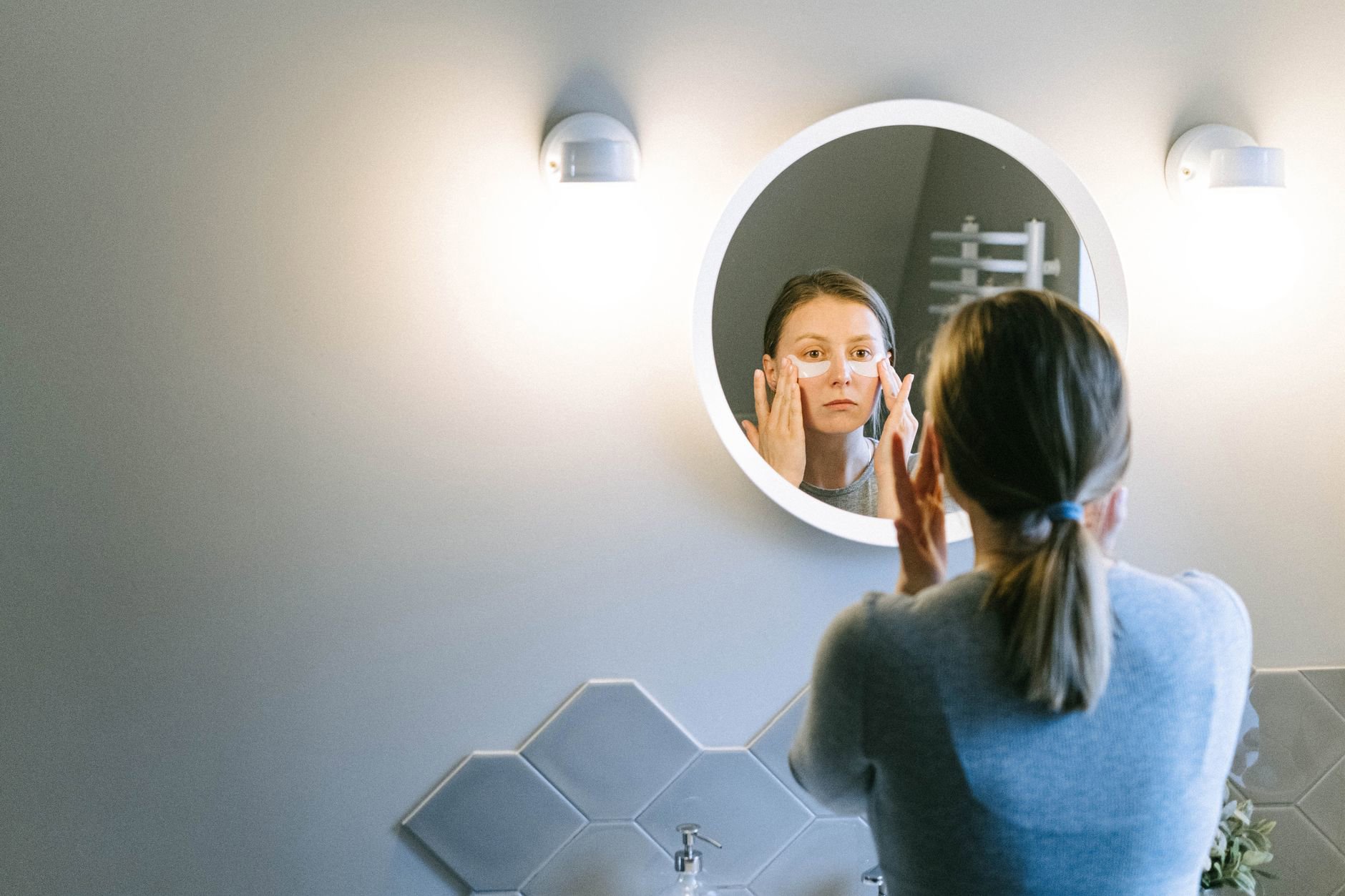
Most women shop “eye cream” like it’s a single category. It isn’t. Under-eye concerns fall into a handful of buckets, and each bucket responds to different actives.
1) Blue/purple circles (thin skin + visible vessels). These often look worse when you’re run down, but the mechanism stays structural. You won’t erase it with a brightening claim. You can reduce the look with hydration, gentle caffeine, and peach-toned corrector.
2) Brown circles (pigment). This behaves more like melasma or sunspots. In Australia’s UV, it can creep up even when you “don’t tan”. Pigment responds best to proven brighteners (think niacinamide, vitamin C derivatives, tranexamic acid in some formulas) plus daily SPF around the orbital bone.
3) Puffiness (fluid + inflammation). Salt, sleep, allergies, and heat all play a role. Caffeine can help temporarily. Cold helps fast. Long-term, you want barrier care and less irritation from over-strong actives.
4) Fine lines (dehydration lines vs true wrinkles). Dehydration lines respond to humectants and occlusives. True wrinkles respond to collagen support signals (retinoids, peptides) but only if you can tolerate them.
In other words: if your circles look brown, a depuff gel won’t cut it. If your issue is puff, a pigment serum may do nothing. Pick one primary goal for eight weeks, then reassess.
The brightening play for Australian UV: treat pigment like pigment
If your under-eye darkness reads brown or grey-brown, treat it like a pigmentation issue. Australia’s year-round UV makes this more common than many women realise, even in winter.
Our strongest data-supported buy this week sits in that lane: La Roche-Posay Mela B3 Double Dose For Sunspots And Ageing Marks at A$73.50 (down from A$98.00) at lookfantastic. It’s positioned for sunspots and ageing marks, but the logic translates: pigment pathways don’t care whether the discolouration sits on the cheek or near the eye. What changes is how you apply it.
How to use pigment actives near the eye without inviting irritation:
- Apply a rice-grain amount per side, not a full pump.
- Keep it on the orbital bone, not right up to the lash line.
- Seal with a bland moisturiser from your Night Face Moisturisers rotation if you feel dryness.
- In the morning, prioritise SPF Protection Products and bring sunscreen up to the eye socket (again: orbital bone, not into the eye).
What we’d skip: harsh exfoliating acids near the eye. They can make darkness look worse by triggering irritation and rebound pigment. If you love acids on the face, keep them away from the under-eye and use them lower on the cheekbone instead.
Also worth saying plainly: if you get watery eyes or stinging, stop. The “push through it” advice belongs in 2016, not 2026.
Depuffing that isn’t a gimmick: caffeine, cold, and texture choices
Puffiness responds best to simple physics. You want less fluid, less inflammation, and less friction.
Caffeine can help by temporarily tightening the look of the area and reducing the appearance of swelling. The catch: it works best in a thin, fast-absorbing gel. Heavy balms can trap heat and make morning puffiness linger, especially in humid parts of Australia.
Cold works because it constricts. You don’t need an expensive tool. A chilled spoon, a cool compress, or a gel mask from the fridge often does the job. Keep it gentle and short—think 30 to 90 seconds per side, not ten minutes of rubbing.
Texture matters more than “eye-specific” branding. If you already own a light hydrating serum that behaves well around the eyes, you may not need a separate product. Many women do better with a basic hydrator plus a dedicated concealer strategy, rather than stacking multiple actives and hoping for the best.
When you do want a primer-like smoothing effect for makeup, we’ve seen more women cross-shop Face Primers that play well under the eye. This week’s notable drop here: Foreo Faq P1 Manuka Honey Primer fell to A$94.08 (was A$125.44) at lookfantastic. We wouldn’t call a luxury primer a “depuff solution”, but for makeup wear in heat, a grippy primer can reduce creasing that makes the area look more tired by midday.
Fine lines: treat dehydration first, then decide if you need actives
Under-eye lines often look worse in Australian winter because indoor heating and low humidity dehydrate the surface fast. That creates the classic “creases that weren’t there last month” effect.
Start with hydration layering before you chase stronger actives:
- A light humectant layer (glycerin and hyaluronic acid tend to play well).
- A moisturiser to seal it. Many women can use a simple face moisturiser here.
- If you wake up dry, add a tiny amount of occlusive on top (petrolatum-based balms work, but use a pinhead amount).
- Keep actives away on nights when the skin feels tight.
If you still want an “active” step, peptides can suit women who can’t tolerate retinoids near the eye. They won’t behave like a prescription-strength wrinkle treatment, but they can support a smoother look over time with less irritation risk.
One caution: many eye formulas pack fragrance or essential oils for a luxe feel. That can backfire fast on the eye area. If your eyes sting, water, or look red, the product doesn’t “need time”. It needs to go.
For makeup days, pick a concealer that doesn’t force you to over-apply. A thin, flexible formula reduces the “cracked” look. If you want to browse by category, we keep options organised under Liquid & Cream Concealers.
Cleanse smarter: eye irritation often starts at removal
We see the same pattern every year: women buy a stronger eye treatment, then keep scrubbing off mascara with whatever cleanser sits closest to the sink. The under-eye gets blamed. The removal step caused the problem.
If you wear long-wear mascara or liner, use an oil cleanser or balm cleanser first, then follow with a gentle second cleanse. You want the makeup to dissolve, not smear. Rubbing breaks down the barrier and can worsen puffiness and darkness.
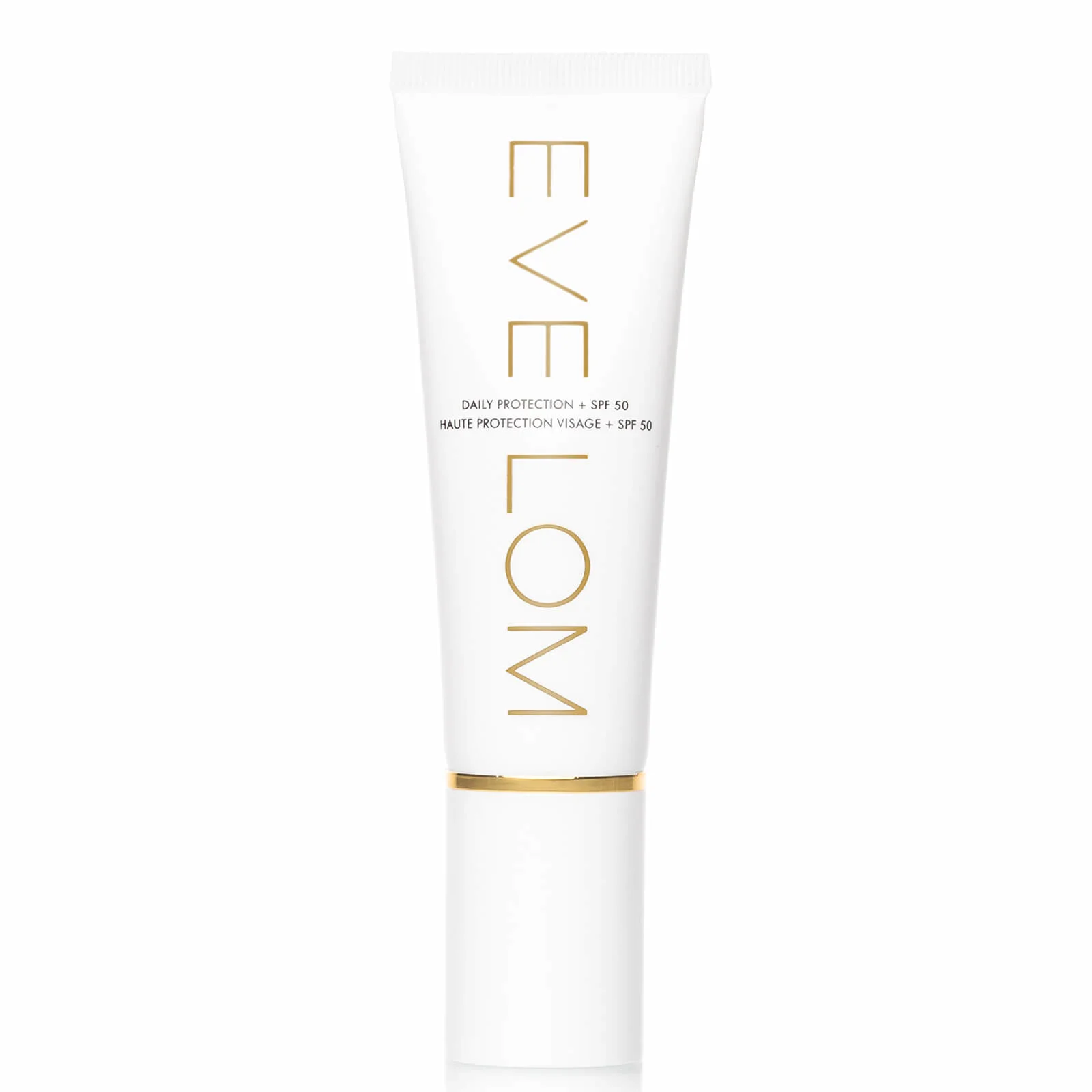
This week’s clean, data-backed discount: Eve Lom Cleansing Oil sits at A$80.85 (down from A$107.80) at lookfantastic. If you already like oil cleansing, this is a rare chance to buy it at a lower point. If you don’t like oil textures, don’t force it—choose a micellar or a different oil cleanser that suits your preferences, then check the current price locally at Mecca, Sephora Australia, or Adore Beauty.
Two practical reminders that save eyes:
- Soak first, wipe second. Give remover 15–20 seconds to break down product.
- Use a fresh cotton round per eye if you wear heavy makeup. Cross-contamination irritates.
Women who love bold lashes also tend to over-cleanse. If you use Mascaras daily, treat removal as part of eye care, not an afterthought.
When “luxe glow” claims show up, check what you’re actually paying for
Australian beauty media loves a “luxe buy for glowy skin” headline. Glow sells. The under-eye, though, doesn’t glow in the same way cheeks do. It reflects light when it’s hydrated, smooth, and not overloaded with product.
From a value perspective, we’d rather see women spend on the step that changes outcomes: daily UV protection, gentle cleansing, and a pigment-active if pigment drives the darkness. That’s why the Mela B3 discount stands out more than most “eye cream of the year” lists.
If you want a makeup shortcut, a corrector often delivers more visible change than another skincare layer. Peach corrector for blue/purple, a slightly warmer tone for grey, and then a thin concealer on top. Keep powder minimal, because powder can exaggerate texture.
For women building a kit from scratch, it can help to browse brands with consistent base ranges—think Estée Lauder for complexion staples, or Clinique for straightforward, fragrance-light skincare. The key isn’t the logo. It’s whether the formula behaves on your skin.
Shopping rules for Australia: avoid the “tiny jar tax” and buy on the right cycle
Eye products attract some of the highest per-mL pricing in beauty. Brands bank on the idea that smaller equals safer and more “special”. Sometimes that holds. Often it doesn’t.
Here’s what the data and the market suggest for Australian shopping:
- Don’t pay luxury pricing for a basic hydrator. If the ingredient list looks like glycerin + silicones + preservative, treat it like a moisturiser, not a miracle.
- Pay for actives when you can name the problem. Pigment-active? Fine. Retinoid (if tolerated)? Fine. Otherwise, save your money.
- Use international retailers strategically. This week’s meaningful drops sit at lookfantastic: Bobbi Brown Skin Enhancer Multi-Stick at A$39.79 (was A$56.84), Foreo’s primer at A$94.08, Eve Lom at A$80.85, and Mela B3 at A$73.50. If you were already planning to buy, that’s when “import” makes sense.
- Still check local stock first. Mecca, Priceline, Chemist Warehouse, Sephora Australia, and Adore Beauty can win on delivery speed, returns, and GWPs. Prices vary week to week, so treat any non-tracked product as “check current price”.
We also see women add “supporting” items to solve an eye issue indirectly. A hair mask discount won’t depuff eyes, but it can free budget for skincare if you needed a restock anyway. This week, Sebastian Professional Penetraitt Repair Masque Hair Mask dropped to A$113.19 (was A$150.92) at lookfantastic. If your cart already needs a Hair Masks refill, that’s a rational way to balance spend.
One more “buying cycle” tip: if you’re trialling a new eye active, don’t bulk buy backups. Give it four to eight weeks. Eye irritation can show up late.
What this means for your routine (and your wallet)
The eye-serum boom makes sense: women want fast-looking results in a high-UV country, and the under-eye shows stress, sleep, and sun quickly. But most “best of” lists blur very different concerns into one shopping cart.
Practical takeaways that hold up in Australian conditions:
Pick one goal. Pigment, puffiness, or lines. Don’t throw three actives at thin skin and hope it behaves.
Fix removal first. If mascara removal involves rubbing, no eye cream will save you. Consider an oil cleanser; the Eve Lom discount at A$80.85 (was A$107.80) gives you a lower entry point if that product already sat on your list.
Spend where the mechanism matches the problem. For brown-toned darkness, a pigment-focused treatment like La Roche-Posay Mela B3 at A$73.50 (was A$98.00) makes more sense than another generic “brightening” eye gel.
Over to you: what’s your under-eye problem—puff, pigment, or lines?
Tell us which camp you fall into, and what you’ve tried so far (gel, cream, corrector, or treatment). We’ll use that to shape the next price-watch list for Australian eye products.