Start using an anti-ageing eye cream when you see early changes in the eye area or when your routine starts to include stronger actives that can dry out the contour. For most people, that lands somewhere in the mid‑20s to early‑30s. Not because you “need” it by a birthday, but because the eye area often shows dehydration lines and texture shifts before the rest of the face.
If you already wake up with creasing that lingers, concealer starts to look a bit crêpey by lunch, or your under-eye feels tight after cleansing, that’s your cue. Age matters less than behaviour and environment—and in Australia, high UV and dry airconditioning can speed up that “my eye area feels different” moment.
Our price tracking also shows eye creams span a huge range in Australia, from A$34.30 to A$333.20 in this shortlist. So timing matters financially too: you want to start when you can get consistent value, not when marketing says you should panic.
Age vs signs: what actually tells you it’s time
We see two common misconceptions in search data: that eye cream is either “for teens” or “for 50+ only”. Neither holds up. The skin around the eyes has less supportive structure and gets constant movement. It also faces daily UV exposure, even when you wear sunglasses.
The most practical trigger is a sign-based checklist. If one or two apply most days, an anti-ageing eye cream can earn a spot.
- Dehydration lines that look worse after cleansing or flights
- Makeup breakdown: concealer creases quickly or clings to texture
- Persistent puffiness beyond “just woke up” swelling
- Dark circles that look more shadowy as the day goes on
- Fine lines at the outer corner that stay visible when your face relaxes
- Sensitivity: stinging when you apply face products near the eye area
Another trigger: you start using stronger anti-ageing products elsewhere (think the broader category of Anti Ageing Face Serums or Anti Ageing Face Creams). Even if you keep those away from the lash line, migration happens during sleep. A dedicated eye cream can buffer dryness and reduce the urge to over-apply richer face products too close to the eyes.
One more reality check: if your main concern is sun damage, the biggest “anti-ageing” move still sits in SPF Protection Products. Eye cream helps the surface look and feel better, but UV drives a lot of the long-term change.

What to do in your 20s and early 30s: prevent dryness, don’t overdo it
In the 20s, most people don’t need an eye cream that feels like a heavy seal. They need hydration that sits well under makeup, plus a formula that won’t trigger milia-prone skin.
We’d keep the goal simple: make the eye area feel comfortable through the day, and stop dehydration lines from becoming your new normal. A lightweight texture also reduces the temptation to rub, which matters because friction adds up.
Two options from our tracked list fit this “start smart” approach:
- Clinique All About Eyes™ Rich Eye Cream (from A$61.20) — Clinique positions this as lightweight yet intensely moisturising, with a gentle cream-gel feel. That balance suits early routine building.
- I'm From Ginseng Eye Cream (from A$34.30) — made with 3.65% concentrated essence of 6-year-old ginseng, aimed at firming and fighting wrinkles. It’s also the lowest entry price in this list, which makes consistency easier.
Where these sit in an Australian routine: morning application can help with daytime tightness from dry office air, and night use can reduce that “paper dry” feeling that shows up after cleansing. Keep it thin. Eye creams work better as a film than as a mask.
Mid‑30s to 40s: when lines stick around and texture changes
This is the decade where many readers notice a shift: fine lines stop disappearing when the skin rehydrates. Crow’s feet start to show even when you smile less. Concealer creasing becomes a daily maths problem.
Here, an anti-ageing eye cream earns its keep when it targets fine lines plus barrier support. You want moisture, but you also want formulas that actively smooth the look of texture without making the area reactive.
Three strong picks from our list:
- Clinique Smart Clinical Repair Wrinkle Correcting Eye Cream (from A$84.80) — Clinique describes an air-light, whipped texture that helps soothe and comfort, built to smooth the appearance of fine lines and wrinkles.
- Biossance Squalane + Marine Algae Eye Cream (from A$90.16) — richer in texture and designed to melt in, with marine algae and paracress to support plumping and revitalising hydration.
- Dr. Barbara Sturm Eye Cream (from A$235.20) — a botanical-led formula that targets dark circles, fine lines, and puffiness, with golden root and sugar beet called out for smoothing and refreshing.
Price note, because the “Australia tax” question always comes up. Our merchant feed often shows prestige eye creams hold their price more stubbornly than face moisturisers. That means the step up from ~A$90 to ~A$235 needs a clear reason: sensitivity, multi-concern support, or a texture you can actually use twice daily.
Retail availability varies by brand. Clinique tends to be easier to find locally through department stores and major beauty retailers, while some niche options can lean import-only depending on the week. We recommend checking Mecca, Adore Beauty, and Sephora Australia listings before you commit to a routine that needs constant repurchasing.
50s and beyond: comfort first, then visible smoothing
In the 50s+, the eye area often asks for two things at once: more comfort and more smoothing. Skin can feel thinner and drier, and the barrier can complain faster. That makes “stronger” less useful if it causes irritation that leads to rubbing.
This is where richer textures and barrier-supporting ingredients matter. Hyaluronic acid can plump the look of fine lines through water-binding. Lipid support helps reduce that tight, shiny dryness that makes lines look deeper.
Two premium options in this edit sit here:
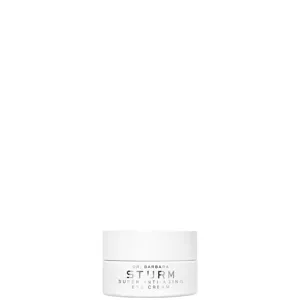
- Dr. Barbara Sturm Super Anti-Aging Eye Cream (from A$333.20) — described as nourishing with biomimetic lipids and hyaluronic acid, designed to diminish the look of fine lines and crow’s feet while supporting the skin barrier.
- MZ Skin Soothe And Smooth - Hyaluronic Brightening Eye Complex (from A$186.85) — calls out a tri-peptide to stimulate collagen and elastin, plus Albizia Bark Extract for dark circles and puffiness, with hyaluronic acid and ceramides for moisture and plumping.
We’d also say this plainly: at these price points, packaging and texture need to suit your habits. If a formula pills under sunscreen, you won’t use it in the morning. If it migrates and stings, you’ll avoid the lash line and lose the benefit.
And yes, the eye area still needs daily sun protection strategies in Australia. Sunglasses and hats count. So does not applying fragranced products too close to the contour.
Ingredients by concern: fine lines, puffiness, dark circles
Eye cream marketing loves a single “miracle” claim. Real life looks messier. The same under-eye can show dehydration lines, morning puffiness, and a shadow from anatomy—on the same day.
So we’d pick based on your primary concern, then choose a formula that also plays nicely with your routine.
Fine lines and crow’s feet
Look for hydration plus smoothing support. Hyaluronic acid can plump the look of lines by binding water. Peptides often show up in “firming” language and can support a smoother appearance over time.
- Dr. Barbara Sturm Super Anti-Aging Eye Cream (from A$333.20) — hyaluronic acid and biomimetic lipids for barrier support and line softening.
- Clinique Smart Clinical Repair Wrinkle Correcting Eye Cream (from A$84.80) — positioned specifically to smooth the appearance of fine lines and wrinkles with a soothing whipped feel.
- Biossance Squalane + Marine Algae Eye Cream (from A$90.16) — marine algae and paracress for plumping support, in a rich texture that melts in.
Puffiness
Puffiness often links to fluid retention, sleep, salt, allergies, and how you position your head at night. An eye cream can help the look, but technique matters too (more on that below). Ingredient-wise, MZ Skin explicitly calls out support for puffiness.
- MZ Skin Soothe And Smooth - Hyaluronic Brightening Eye Complex (from A$186.85) — Albizia Bark Extract is described as reducing puffiness while strengthening capillaries.
- Dr. Barbara Sturm Eye Cream (from A$235.20) — positioned to target puffiness alongside dark circles and fine lines.
Dark circles
Dark circles come in a few types: pigment, visible vessels, and shadowing from structure. Topicals can help the first two more than the last. If your “dark circle” looks worse under overhead lighting, you may have more shadowing than pigment.
- Dr. Barbara Sturm Eye Cream (from A$235.20) — explicitly targets dark circles, with golden root and sugar beet described for smoothing and refreshing.
- MZ Skin Soothe And Smooth - Hyaluronic Brightening Eye Complex (from A$186.85) — designed to reduce dark circles, with hydration plus ceramides for plumping.
One more call-out: the I'm From Ginseng Eye Cream (from A$34.30) targets wrinkles and firmness with ginseng. If your “dark circle” issue looks more like tired texture than pigment, that can still help the overall look.
How to fit eye cream into AM/PM routines (without irritation)
Most irritation comes from two things: using too much, and applying too close to the lash line. The eye area does not need a thick ring of product. It needs a controlled, consistent layer.
Here’s the routine structure that suits most people, including sensitive types.
Morning (AM)
- Apply eye cream to clean, dry skin.
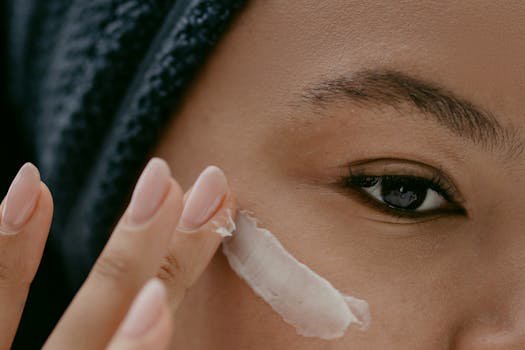
- Use one rice-grain amount per eye. Spread between ring fingers.
- Tap along the orbital bone, not directly on the lash line.
- Wait 60–90 seconds before sunscreen and makeup.
- If you wear makeup, keep the layer thin to reduce pilling.
AM product picks tend to favour textures that sit well under makeup: Clinique All About Eyes™ Rich Eye Cream (from A$61.20) and Clinique Smart Clinical Repair Wrinkle Correcting Eye Cream (from A$84.80) both lean lightweight in their descriptions.
Night (PM)
- Apply after cleansing, once skin feels calm and fully rinsed.
- Use the same small amount, then add a tiny extra only if the area still feels tight.
- Avoid rubbing in circles. Press and release.
- If your eyes water easily, stop short of the inner corner.
PM can handle richer textures because you don’t have makeup on top. That’s where Biossance Squalane + Marine Algae Eye Cream (from A$90.16) often makes more sense, and where barrier-focused options like Dr. Barbara Sturm Super Anti-Aging Eye Cream (from A$333.20) fit a comfort-first routine.
Two quick “don’ts” that save a lot of people: don’t layer multiple eye creams, and don’t chase stinging by applying more product. More rarely equals better here.
Price, value, and choosing one eye cream you’ll actually finish
Our tracker shows a wide spread in this category, and eye creams don’t always discount as heavily as other skin care. That makes “what will you finish?” the most anti-ageing question of all.
Here’s how we’d frame value using the products in this guide:
- Best entry point: I'm From Ginseng Eye Cream (from A$34.30). Low barrier to consistency, with a clear firming/wrinkle positioning.
- Mid-range daily staples: Clinique All About Eyes™ Rich Eye Cream (from A$61.20) and Clinique Smart Clinical Repair Wrinkle Correcting Eye Cream (from A$84.80). Both aim for lightweight comfort, which helps AM compliance.
- Hydration + plumping focus: Biossance Squalane + Marine Algae Eye Cream (from A$90.16). Rich texture, melts in, and leans into plumping support.
- Premium multi-concern: MZ Skin Soothe And Smooth - Hyaluronic Brightening Eye Complex (from A$186.85) and Dr. Barbara Sturm Eye Cream (from A$235.20). Both call out dark circles and puffiness support.
- Ultra-premium barrier + line focus: Dr. Barbara Sturm Super Anti-Aging Eye Cream (from A$333.20). Best suited when comfort and barrier support dictate the whole routine.
The outlier in this list sits at a surprising price: Tocobo Collagen Brightening Eye Gel Cream (from A$123.48). The description provided references a “Glass Skin Routine” set context. If you buy it, confirm you’re purchasing the single eye gel-cream and not a broader set listing in a retailer feed.
For shoppers who like browsing by brand, we also link out to Clinique pages for quick cross-retailer checks. For other brands in this edit, availability may swing between Mecca, Adore Beauty, and Sephora Australia depending on the season.
Practical tips you can use today (and keep using)
Patch test like a realist. Eye-area irritation often shows up on day three, not in the first ten minutes. Apply a tiny amount on the outer orbital bone for several nights before you move closer.
Use the “tap, don’t drag” rule. Ring fingers apply less pressure. Press and release along the bone, then stop. You don’t need to “work it in” like a body cream.
For puffiness, change the technique before you change the product. Store your eye cream upright, apply in upward taps, and keep your head slightly elevated when you sleep. If you still want a targeted formula, MZ Skin Soothe And Smooth - Hyaluronic Brightening Eye Complex (from A$186.85) explicitly focuses on puffiness and dark circles.
Don’t chase darkness with more cream. If dark circles come from shadowing, extra product can make concealer slide and highlight texture. In that case, pick a formula that supports plumpness and comfort, like Biossance Squalane + Marine Algae Eye Cream (from A$90.16), and keep the layer thin.
Make it boring. The best eye cream is the one you use twice a day for months. If you want a safe, consistent starting point, we’d rather see you finish Clinique All About Eyes™ Rich Eye Cream (from A$61.20) than abandon something pricier after two weeks.
Which camp are you in right now: starting early for hydration, or switching because lines and texture started to stick around?