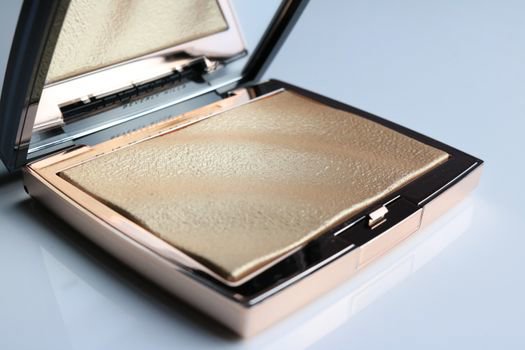
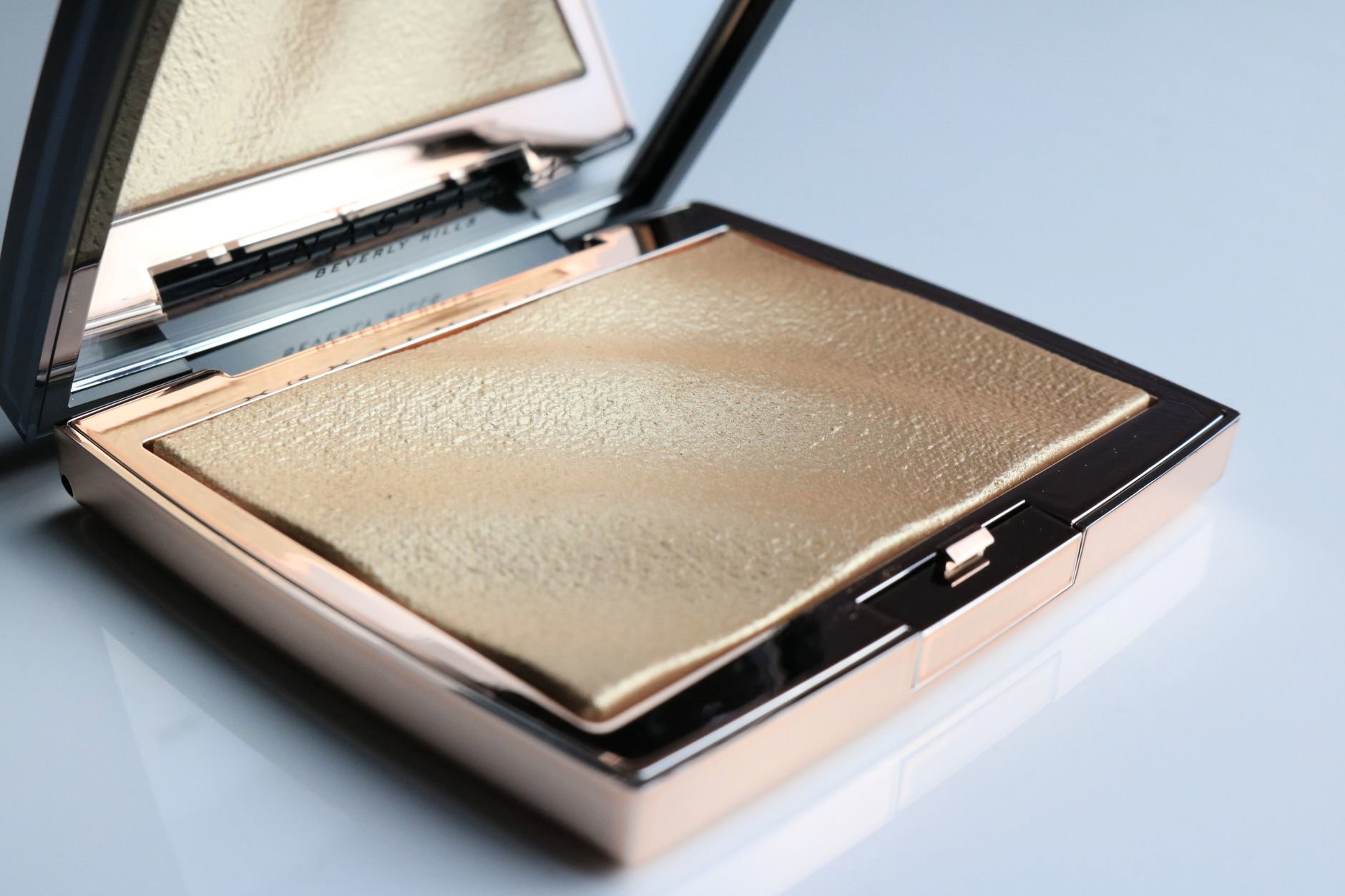
Powder highlighter usually lasts 2–5 years in real-world use, because dry formulas contain little to no water for microbes to grow in.
But “it’s a powder” doesn’t mean “it lasts forever”. Oils from fingers and brushes, bathroom humidity, and a compact that lives in a hot car can shorten that lifespan fast. In Australia, heat and UV don’t just matter for SPF Protection Products—they also affect how powders bind, press, and smell over time.
This guide explains what expiry labels really mean, how to spot a highlighter that has turned, and how to extend the life of your compact without risking your skin.
What “expiry” means for powder highlighter (and why it’s not a single date)
There are two different “clocks” on makeup: unopened shelf life and period after opening (PAO). Brands sometimes print a date, but more often they use the little open-jar icon with a number like 12M, 18M, or 24M.
Unopened shelf life reflects how stable the formula stays in its sealed packaging. PAO reflects how long the product should stay stable after you start introducing air, skin oils, and bacteria.
For powder highlighters, PAO often lands around 18–24 months. That number assumes normal storage, normal hygiene, and a product that stays dry. If you apply after skincare that stays tacky, store it in a steamy bathroom, or use a damp applicator, you change the rules.
One more thing: a powder can remain “safe” but stop performing. When a highlighter gets hard-pan or the shimmer looks dull, that’s often a wear-and-performance expiry rather than a safety crisis.
Reading PAO symbols and batch codes (without overthinking it)
PAO symbols tell you how long the brand expects the product to remain stable after opening. It does not guarantee the product becomes unsafe at month 25. It also does not guarantee safety until month 24 if you store it poorly.
If your compact shows no PAO, the packaging still gives clues. Look for:
- Batch code (a short set of letters/numbers). Some brands let you decode it through customer service.
- Expiry date (rare on colour cosmetics, more common when certain actives appear).
- Ingredient list. Preservatives in a dry powder usually focus on mould/contamination introduced during use, not the formula “going off” by itself.
As a sanity check, we use a practical rule when we build guides: if the highlighter has stayed dry, smells normal, and performs normally, it often stays usable beyond PAO. If you see changes in smell, texture, or irritation, PAO doesn’t matter—stop using it.
For shoppers comparing value, our pricing feed helps here. Paying A$90+ for a compact that you’ll toss in 10 months because it hard-pans is a different decision than paying A$15–A$25 for something you’re happy to replace.
Typical shelf life ranges: unopened vs opened (plus what shortens it)
Here’s the range we see most often for powder highlighters, assuming normal hygiene and storage:
- Unopened: ~3–5 years
- Opened: ~18–36 months (often longer if kept clean and dry)
- High-risk use: 6–18 months if stored in humid bathrooms, used with fingers, or exposed to heat
- Professional kit use: shorter, because compacts face more cross-contamination risk
What shortens the clock? Not “age” by itself. It’s the stuff that changes the environment inside the compact.
Humidity can encourage surface mould, especially if the compact sits open while you shower. Heat can affect binders so the powder presses differently, crumbles, or develops a waxy top layer. Skin oils can create a film that traps debris and can shift the smell.
Australia adds a few practical hazards: hot cars, beach bags, and high humidity in the north. If your highlighter lives in a glovebox, we’d assume a shorter life even if it “looks fine”.
Signs your powder highlighter has gone bad (and what each sign means)
With powders, spoilage tends to show up as performance changes first and contamination signals second. Watch for these.
1) A new smell or a stronger “oily” odour. Powders often contain oils or esters as binders. When those oxidise, you can get a stale, crayon-like, or rancid note. If you smell it in the pan, it will sit on skin too.
2) Visible growth or spotting. Any fuzzy texture, dots that weren’t there before, or discolouration that spreads means it’s not a “clean it and keep it” situation. Toss it.
3) Hard-pan that keeps coming back. Hard-pan happens when oils and emollients create a sealed layer. It doesn’t automatically mean the product is unsafe, but it does mean your application method is feeding the problem.
4) New irritation. If a highlighter starts to sting, itch, or trigger bumps when it never did before, treat that as a stop sign. Even if the pan looks normal, your skin is telling you something changed.
5) Texture shifts. Crumbling, excessive powder kick-up, or a “waxy” sheen can happen when binders degrade or when the compact has cycled through heat and cold too many times.
When readers ask us for a product-specific “does it go off faster?” answer, we stick to what packaging and category basics can support. A powder highlighter in a tightly closing compact tends to stay stable longer than one stored loosely, regardless of price.
How to extend the life of a powder highlighter (without making it gross)
Hygiene matters more than brand. It also matters more than most people want to admit.
Start with the obvious: don’t use fingers if you can avoid it. Fingers deposit more oil and more microbes than a clean brush. If you do use fingers, wash hands first and keep it occasional.
Next, stop putting product into the pan that doesn’t belong there. The biggest culprit: applying highlighter straight onto tacky base products. If you use Face Primers or dewy base, let it set, then apply. That one pause reduces hard-pan.
Storage makes a measurable difference. Keep compacts:
- out of direct sun
- out of the bathroom if your bathroom stays steamy
- away from car heat
- closed tightly, always
If you want a simple routine, this works for most people:
- Weekly: wipe the compact exterior and hinge area.
- Every 2–4 weeks: clean brushes and applicators you use with it. (Dirty tools re-contaminate the pan.)
- Every 2–3 months: inspect the pan in bright light for spotting, smell changes, or persistent hard-pan.
- After illness (cold/flu/cold sores): sanitise or toss, depending on exposure.
There’s no need to treat makeup like lab equipment. But a little structure keeps your “2–5 years” realistic.
Sanitising a compact: when it works, and when it doesn’t
Sanitising helps when the issue stays on the surface: hard-pan, light contamination from brushes, or a compact that got handled a lot. Sanitising does not help if you see mould, smell rancidity, or get repeated irritation.
Here’s the method we recommend because it stays simple and avoids over-wetting:
Step-by-step: surface sanitise a powder highlighter
- 1) Wash hands. Keep the process clean from the start.
- 2) Remove the top layer if needed. If hard-pan exists, gently scrape the surface with a clean tissue edge. Don’t gouge the pan.
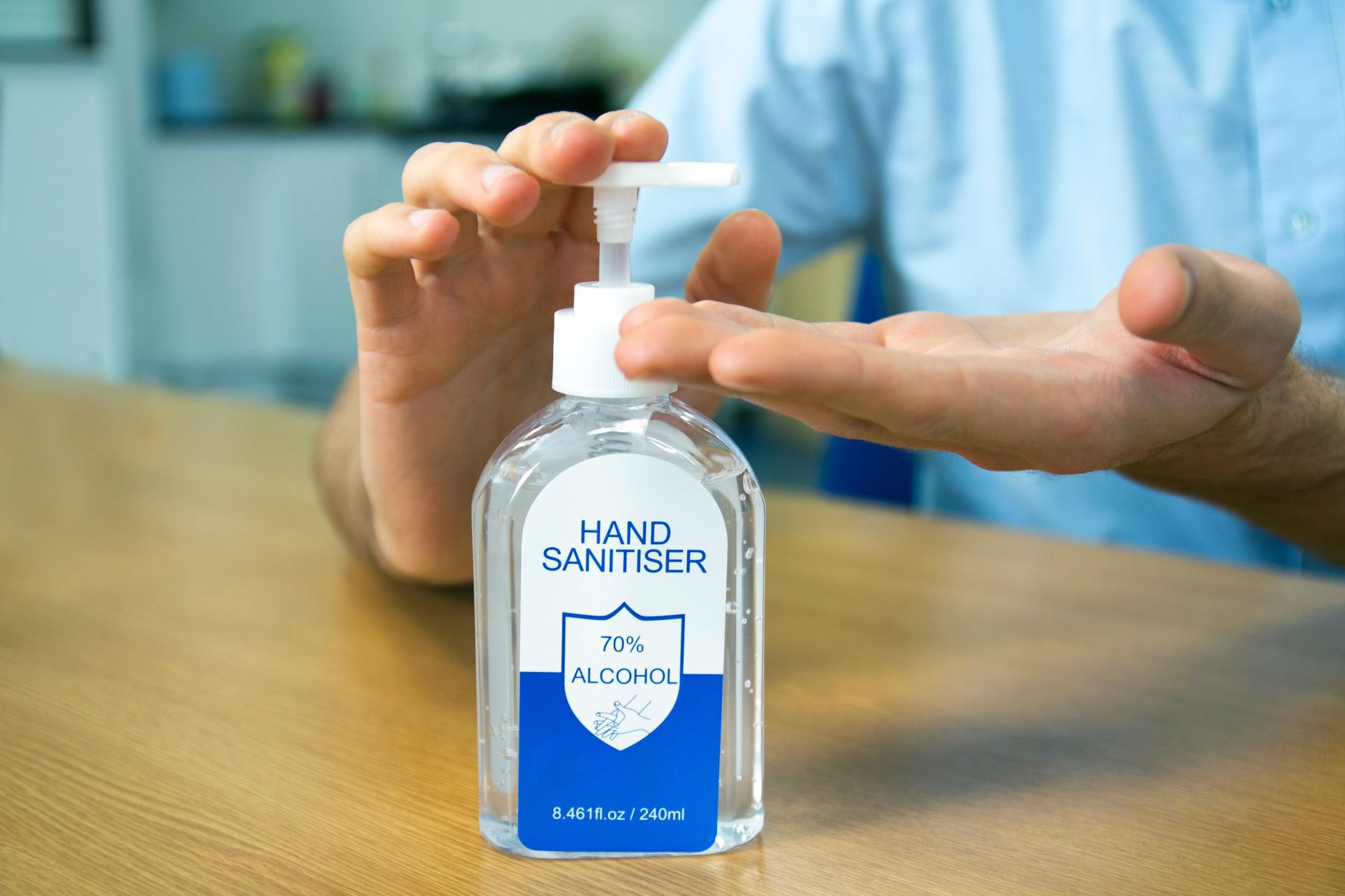
- 3) Alcohol mist. Lightly mist the surface with 70% isopropyl alcohol. You want a fine mist, not a puddle.
- 4) Air dry fully. Leave it open in a dry room until the alcohol evaporates. Then close it.
What not to do? Don’t soak the pan. Don’t use water. Don’t blast it with heat to “dry faster”. Heat can warp packaging and change how the powder presses.
If you sanitise and the smell remains, the formula likely oxidised. That’s a toss.
Value vs waste: choosing a powder highlighter you’ll finish before it turns
Expiry isn’t just safety. It’s also economics. Our price tracker sees the same pattern every year: people buy a large, luxe compact, use it for special occasions, then replace it after it stops performing.
If you use highlighter daily, a full-size compact can make sense. If you use it twice a month, a lower-priced option reduces the “toss guilt” when you hit that 2–3 year mark.
These are powder highlighters we see Australian shoppers compare often, across brands like Charlotte Tilbury, MAC, Clinique, Revolution, Morphe, and Sephora Collection. Prices vary by retailer, but we only list prices where a known A$ figure exists in our product set.
- Revolution Powder Highlighter — A$11.00. A sensible pick if you prefer to replace more often rather than “make it last” past its best. It also suits a second shade for summer.
- Sephora Collection Powder Highlighter — A$20.00. Often a practical mid-price option for regular use, especially if you shop Sephora Australia.
- Morphe Powder Highlighter — A$24.00. Works for people who burn through highlighter faster and want a bigger payoff per dollar.
- MAC Powder Highlighter — A$62.00. If you buy a higher-priced compact, hygiene and storage matter more because you’ll want it to stay at peak performance for longer.
- Clinique Powder Highlighter — A$66.00. Another premium-price compact where you should plan on brush-only use and a dry storage spot.
- Charlotte Tilbury Powder Highlighter — A$83.00. This one sits firmly in “treat purchase” territory in Australia, so it makes sense to avoid steamy bathrooms and keep the pan pristine.
Where to shop matters too. In Australia, these brands commonly appear at Mecca, Sephora Australia, Priceline, Chemist Warehouse, Adore Beauty, and MYER depending on the brand and range. If a shade sits in and out of stock, don’t “panic buy” backups. Unopened makeup still ages, and you may not finish the first one.
Quick decision guide: keep, sanitise, or toss?
If you just want the answer without a checklist spiral, use this.
Keep using it if all are true: it smells normal, the shimmer looks the same, the texture picks up normally, and your skin stays calm. Many powders live happily past PAO under those conditions.
Sanitise it if you see hard-pan, if you used it while sick, or if multiple people touched the pan. Sanitising also makes sense if you dropped it and had to re-press pieces, because debris can get embedded.
Toss it if any of these show up:
- mould, fuzzy growth, or spotting
- a rancid, stale, or “crayon” smell that persists
- repeated irritation that wasn’t there before
- it got soaked (water leak, spilled bag, wet applicator)
And if you want the most low-effort way to reduce waste: buy the price point you’ll feel comfortable replacing. For many shoppers, that lands at the A$11–A$24 end of the market rather than the A$60–A$83 end.
If you’re rebuilding a routine, keep your browsing organised. Start with makeup and stick to one highlighter at a time, rather than collecting five compacts that all expire slowly in a drawer.
Practical tips you can use today (no new purchases required)
Do a two-minute audit. Open the compact, smell it, then look at the surface under a window. If you see a glossy film, that’s usually hard-pan forming. Scrape lightly, alcohol mist, and let it dry.
Then change one habit: apply highlighter only after your base sets. If you use dewy products like Day Face Moisturisers or face products that stay tacky, give them time. Dry powder plus wet base equals a pan that ages early.
Last: choose a storage spot that matches Australian reality. A drawer in a bedroom beats a bathroom shelf. Your compact will thank you for it.
Want us to help troubleshoot a specific compact? Tell us the product name, how long it’s been open, and what you’re seeing—hard-pan, smell change, or irritation.
![Lumene Nordic-C [Valo] Glow Cream Spf30](https://media.glamgeek.com/media/2026/02/06/c0cef909-16ab-49f9-865e-278e63871493_sm.jpg)