Choosing the right self tanner for your skin tone comes down to three things: your undertone, your starting depth, and how much control you want over the result.
If you match those well, you get a believable glow that fades evenly. If you miss them, you get orange knees, muddy elbows, or a face that looks “separate” from your body.
Below, we break down how to pick a self-tan depth and format (mousse, foam, serum, drops, express) using the self-tanning products we track across Australian retailers. We also cover common concerns like streaking, dryness, and sensitivity, plus how to patch test and build gradually.
The basics: what self tanner does (and what “shade” means)
Most self tanners rely on DHA (dihydroxyacetone). DHA reacts with amino acids in the top layer of skin and forms brown-toned compounds. That means the colour sits in the stratum corneum and fades as skin sheds.
So “shade” in self tan does not work like foundation shade. It works more like stain intensity. A “Dark” mousse can look natural on deeper skin and look heavy on very fair skin, even if both people apply the same amount.
Two more terms matter when you shop. Guide colour gives immediate tint so you can see where you applied product. Developed colour shows up hours later after DHA develops. Some formulas also let you control depth by using more product or more frequent applications.
Australian climate changes the outcome too. Heat and humidity can speed up sweat and friction, which can cause patchy fade. Dry air and winter heating can make elbows and shins grab more pigment. That’s why formula choice matters as much as colour depth.
Step one: identify undertone and pick the “direction” of tan
Undertone drives whether a tan reads golden, olive, or orange on you. It also decides whether you should aim for a lighter, more controlled formula or a deeper, faster-developing one.
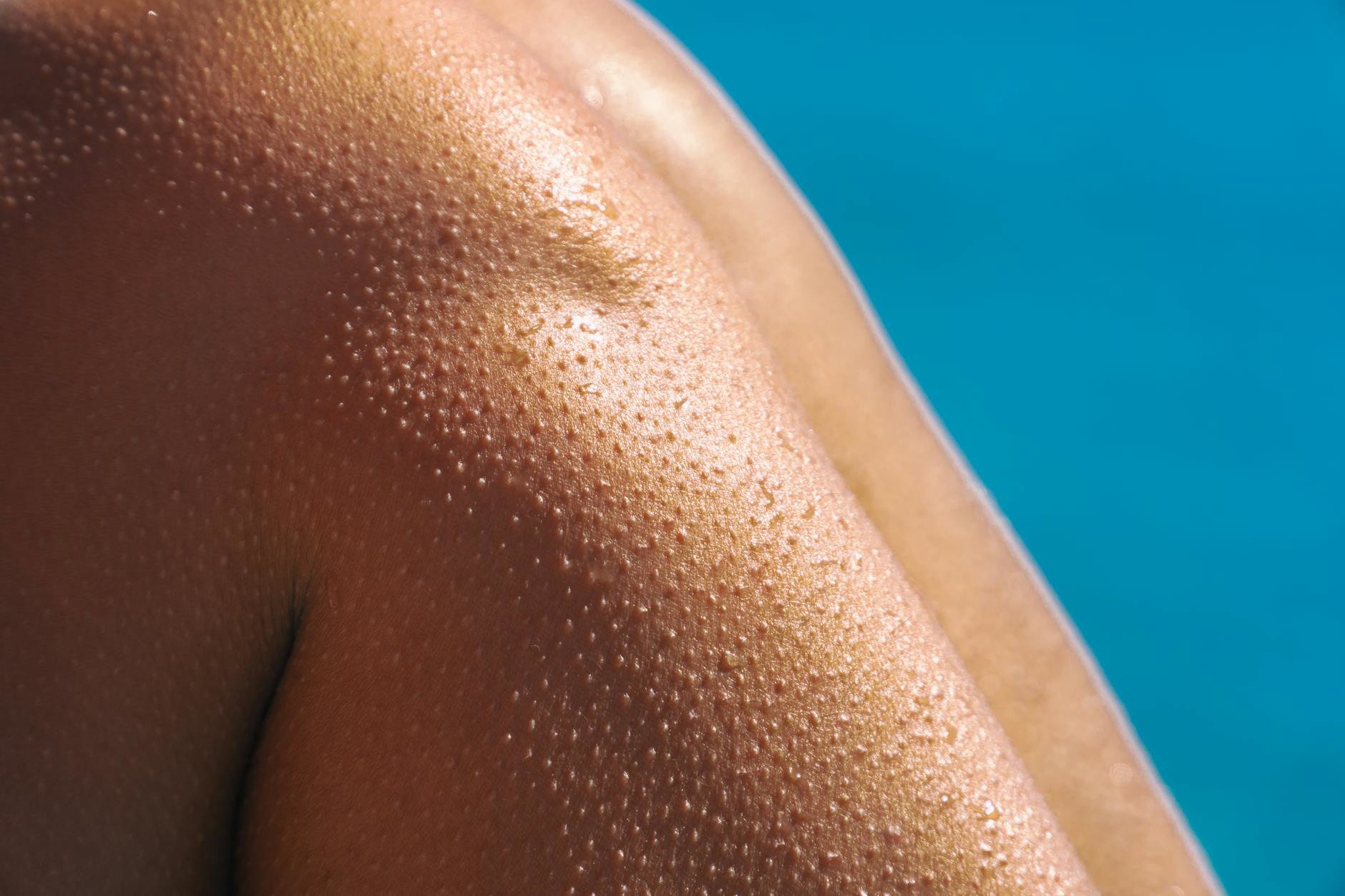
A quick undertone check: look at your wrist veins in daylight. Green-leaning often signals warm/olive undertones. Blue/purple often signals cool undertones. If you see both, you likely sit neutral. This is not perfect, but it helps you avoid obvious mismatches.
Then choose your tan “direction.” If you pull warm already, you often suit a lighter depth applied more often. It keeps the result golden rather than brassy. If you pull cool, you often look best with a tan that develops richer and deeper, but you still want even fade and strong hydration support.
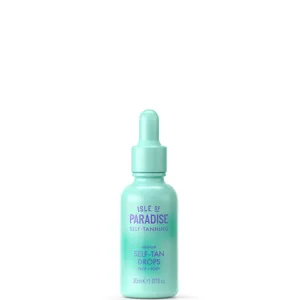
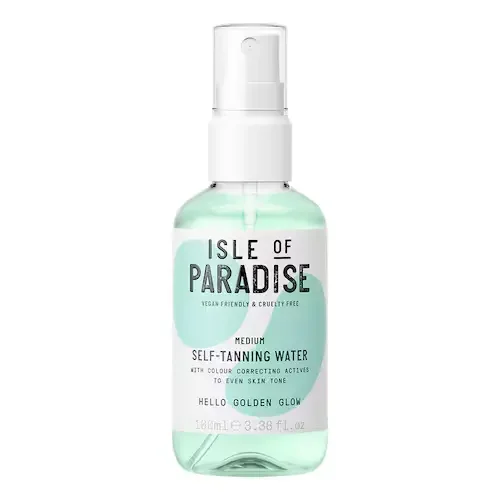
For undertone-flexible control, we like customisable formats. Isle Of Paradise Self Tanning Drops 2.0 Medium (from A$29.32) mixes into your existing routine and lets you build slowly. It also includes coconut, chia seed and avocado oils to support an even-looking finish.
If you prefer a skincare-first approach with measured build-up, Nuxe Self-Tanning Serum Prodigieuse Boost (from A$74.48) uses 100% naturally derived DHA and includes hyaluronic acid. That pairing suits people who want gradual colour and a more “serum-like” feel.
Match depth to your starting skin tone (fair to deep)
Depth selection works best when you treat self tan like contrast management. The bigger the jump from your natural tone, the more obvious any streak, missed spot, or dry patch will look.
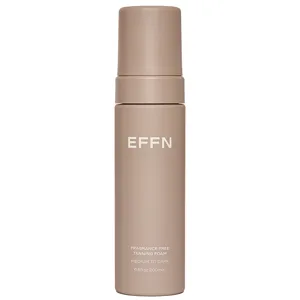
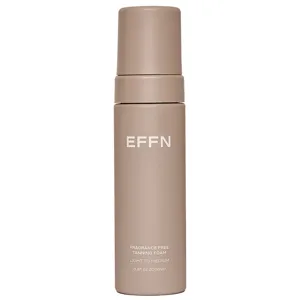
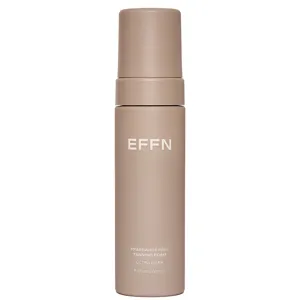
Very fair to fair: aim for gradual build or a light-to-medium depth. It keeps ankles and wrists from going too dark. In the EFFN range, EFFN BEAUTY Tanning Foam Light - Medium (from A$31.36) gives a guided application and develops over 6–8 hours. The formula includes aloe juice and jojoba seed oil, which helps reduce the “dry patch grab.”
Light to medium: you can usually handle medium-dark without it reading fake, as long as you apply evenly. EFFN BEAUTY Tanning Foam Medium - Dark (from A$31.36) sits in that sweet spot. It also uses colour guidance and the same 6–8 hour development window.
Medium to deep: you often want more depth to see a result, but you still want a golden tone rather than “flat brown.” EFFN BEAUTY Tanning Foam Ultra Dark (from A$31.36) targets that deeper finish and keeps the same comfortable, guided foam format.
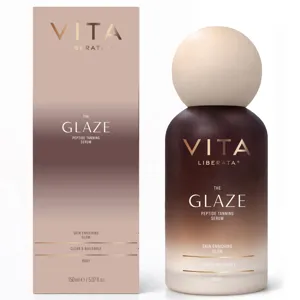
If you want a rich, golden glow with a visible guide tint, Vita Liberata Tinted Tanning Mousse (from A$52.92) delivers that in a lightweight mousse. The brand description also calls out fast absorption and an even fade, which matters when you go deeper.
Choose a format based on control, time, and streak risk
Format changes how forgiving a self tanner feels. It also changes how quickly you can fix mistakes.
Foams and mousses suit people who want an all-over body tan with clear coverage. They spread quickly and often include a guide colour. That guide matters if you streak easily or you tan at night under indoor lighting. The EFFN foams and the Vita Liberata mousse both lean into that “see-it-as-you-go” approach.
Serums and drops suit people who fear overdoing it. They also suit anyone who wants a “my skin but sunnier” effect. Coco & Eve Anti-Ageing Tanning Serum (from A$38.22) sits in this camp. Its bronzing formula focuses on hydration and nourishment, while aiming to minimise the appearance of fine lines. It uses Vegetan Premium Plus as its self-tanning active, according to the brand description.
Express foams suit last-minute plans, but they demand more attention. Less time means less room for uneven application. Bondi Sands 1 Hour Express Aero Aerated Self Tanning Foam (from A$37.22) targets a one-hour glow and uses an aerosol foam that disperses like a rich mousse. Great for speed. Less forgiving for beginners.
Pick based on your biggest concern: dryness, sensitivity, or patchy fade
Most self-tan complaints trace back to skin condition. Dryness and friction create darker build-up on elbows, knees, ankles, and knuckles. Sensitivity creates redness or itching that makes you want to scrub it off, which leads to patchy fade.
If dryness drives your streaks: pick a formula that signals hydration support in the product description, then keep your depth modest. EFFN’s foams include aloe juice and jojoba seed oil, which supports comfort as colour develops over 6–8 hours. That slower development also reduces panic-rubbing, which often causes the worst patches.
If you want a skincare feel: look for humectants like hyaluronic acid. Nuxe Self-Tanning Serum Prodigieuse Boost includes hyaluronic acid and uses 100% naturally derived DHA. It also lets you control depth by adjusting drops, which helps if your skin changes seasonally.
If you hate uneven fade: prioritise formulas described as fading evenly and that offer an obvious guide. Vita Liberata Tinted Tanning Mousse calls out even fading and includes an instant tinted guide. That combination helps beginners and helps deeper shades look smoother as they wear off.
If your skin reacts easily: patch testing matters more than brand claims. Choose gradual formats so you can stop early. Drops and serums let you increase depth in small steps instead of committing to one full-body coat.
How to avoid the classic mismatches: face vs body, hands, and “too orange”
The most common mismatch looks like this: the body looks bronzed, but the face stays pale. Or the face goes darker than the neck. Both problems come from using one approach everywhere.
For better harmony, use controllable formulas where you need precision. Drops and serums shine here. Isle Of Paradise Self Tanning Drops 2.0 Medium can turn your usual base step into a custom tan, which helps you match face and neck without overdoing it. The brand also positions them as part of a skincare routine, which suits frequent, small top-ups.
Hands and feet need a lighter touch. Always. Use the residue left on your applicator rather than a fresh pump. Keep fingers slightly bent when you apply so product does not pool in creases.
Now, the orange problem. It often comes from going too deep too fast on warm undertones, or from applying onto dry areas. If you already pull warm, start with light-medium depth or gradual build. That means EFFN BEAUTY Tanning Foam Light - Medium or a drops/serum approach like NUXE or Isle of Paradise, then add another layer later.
Also remember the Australia factor: high UV makes real tanning tempting, but self tan does not provide sun protection. Pair your glow with SPF Protection Products in daylight so the colour stays cosmetic, not sun damage.
Build a routine that suits your schedule: gradual vs express vs classic overnight
Choosing the “right” self tanner includes choosing the right timeline. People often buy the deepest shade when they really need a better plan.
Gradual build (best for beginners): pick drops or a serum and increase in small steps. Nuxe Self-Tanning Serum Prodigieuse Boost lets you determine depth by the number of drops. Coco & Eve Anti-Ageing Tanning Serum aims for hydration plus radiance, which suits people who hate that tight, dry post-tan feel.
Classic 6–8 hour development (best for consistency): choose a guided foam and apply at night. EFFN’s foams develop over 6–8 hours and include colour guidance. That window fits sleep, which means less friction and less accidental transfer while colour develops.
Express (best for emergencies): use it when you can focus. Bondi Sands 1 Hour Express Aero Aerated Self Tanning Foam targets a one-hour result. Plan your application so you do not sweat, sit on leather seats, or rush out the door mid-develop.
We also see shoppers choose express products to avoid transfer. That can help, but only if you apply evenly. A fast-developing formula still shows every missed strip.
Practical selection cheat sheet (with tracked prices)
If you want a fast shortlist, use this. These picks stay within the self-tanning products we track, with listed “from” pricing in A$.
Pick by desired result
- Natural, adjustable glow: Isle Of Paradise Self Tanning Drops 2.0 Medium (from A$29.32).
- Gradual tan with skincare feel: Nuxe Self-Tanning Serum Prodigieuse Boost (from A$74.48).
- Hydrating bronzing serum effect: Coco & Eve Anti-Ageing Tanning Serum (from A$38.22).
- Rich golden body tan with guide tint: Vita Liberata Tinted Tanning Mousse (from A$52.92).
Pick by depth (starting skin tone)
- Fair to light: EFFN BEAUTY Tanning Foam Light - Medium (from A$31.36).
- Light to medium: EFFN BEAUTY Tanning Foam Medium - Dark (from A$31.36).
- Medium to deep: EFFN BEAUTY Tanning Foam Ultra Dark (from A$31.36).
- Need it fast: Bondi Sands 1 Hour Express Aero Aerated Self Tanning Foam (from A$37.22).
GlamGeek’s price tracking also shows that self-tan pricing often swings between mass and prestige retailers. You will commonly see Bondi Sands at Priceline and Chemist Warehouse, while brands like Vita Liberata and Isle of Paradise often appear through channels like Adore Beauty, Sephora Australia, and Mecca depending on range and stock.
Practical tips: patch testing, gradual build-up, and fixing small mistakes
Patch test every new self tanner, especially if you have reactive skin. Apply a small amount on the inner arm or behind the knee and wait through full development time. With 6–8 hour foams, that means checking the next day.
Build-up beats panic scrubbing. If you feel unsure, start with a controllable format like Isle Of Paradise Self Tanning Drops 2.0 Medium or Nuxe Self-Tanning Serum Prodigieuse Boost. Add one more application only after you see the developed colour in daylight.
When you apply a foam or mousse, use consistent sections. Legs first, then arms, then torso. Keep product thin over knees, ankles, elbows, and knuckles. Use what remains on the applicator for those zones.
If you spot a small streak after development, do not re-coat the whole limb. Target the lighter area with a tiny amount and feather the edges. That works best with guided foams like EFFN or a tinted mousse like Vita Liberata, because you can see where you placed product.
Finally, remember what self tan cannot do. It does not protect you from UV. In Australia, that matters every month of the year. Keep using SPF Protection Products so your glow stays intentional.
Still unsure which direction to go: gradual drops, overnight foam, or express? Tell us your starting skin tone (fair/light/medium/deep), undertone (warm/cool/neutral), and how much time you have, and we’ll point you to the closest match from the options above.