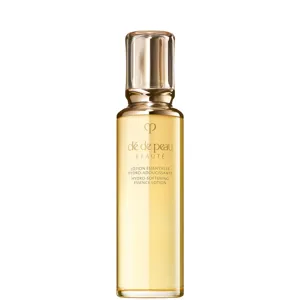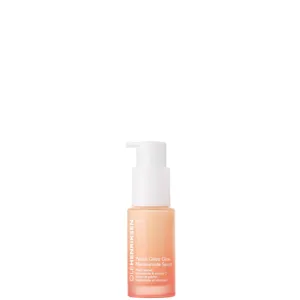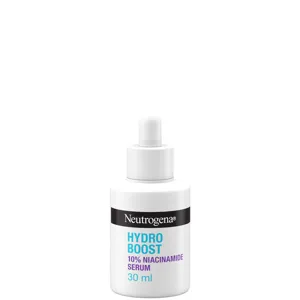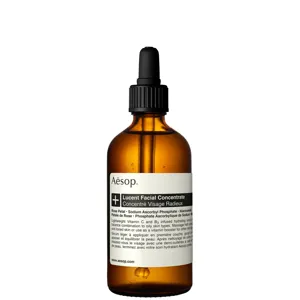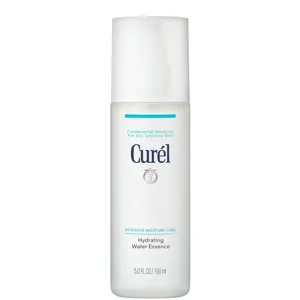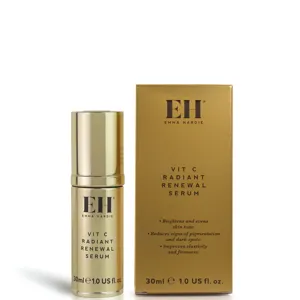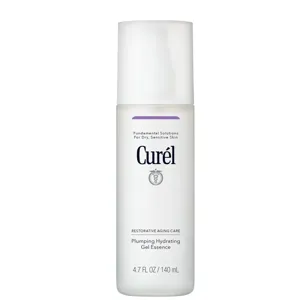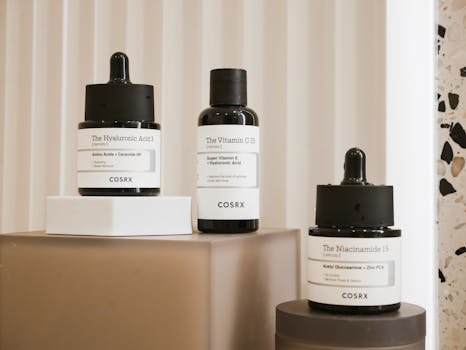
Hyaluronic acid works quietly. It pulls water into the skin, holds it there, and makes everything you apply after sit better. Until it doesn’t. In Australian heat, a hyaluronic acid serum can go from plumping hero to pilling menace if you layer it wrong.
Across our merchant feed, hyaluronic serums surge every summer. Wishlists fill up when humidity rises and air-conditioning kicks in. The interest makes sense. Hydration supports barrier function, steadies makeup, and helps active formulas sting less.
We track prices and stock across Mecca, Priceline, Chemist Warehouse, Adore Beauty, Sephora Australia, and MYER. Hyaluronic acid (HA) products feature in most big promos, from Boxing Day to end-of-financial-year sales. If you plan to try or restock, add your pick to your GlamGeek wishlist and we’ll ping you when it drops in price or comes back in stock.
Why hyaluronic acid matters, and why Australia tests it
Hyaluronic acid isn’t a fad. Scientists first identified it in 1934. It holds water in skin and joints and shows up everywhere from eyedrops to fillers. In skincare, it behaves like a sponge and a film. It binds water. It also forms a micro-layer that feels bouncy when formulas hit the right balance.
Australia stresses skin. UV runs high for most of the year. Air-con dries office air. Summer often brings heat and humidity at the same time. Skin swings between sweaty outdoors and parched indoors, which can wreck makeup and amplify fine dehydration lines. A good HA serum helps cushion against that swing.
HA shows up on labels under a few names. Sodium hyaluronate is the salt form and turns up most. Hydrolysed hyaluronic acid has a smaller size and may reach a bit deeper. Sodium hyaluronate crosspolymer forms a network on the surface to trap water longer. Many modern serums mix several types to cover different layers of the stratum corneum.
One more truth: HA needs water to work. If the air sits bone dry and you skip moisturiser, some HA gels can feel tight later. That isn’t HA “sucking water out” in a dramatic way. It’s a film forming without enough water in the system. You fix that with smarter layering, not by dumping the ingredient.
{{IMAGE:woman applying serum on damp skin}}What hyaluronic acid actually does on skin
Think of HA as a humectant first. It grabs water from your damp skin and holds it in place. A well-formulated HA serum also brings a little slip, so sunscreen and makeup glide rather than drag. That glide matters when you apply SPF50+ every morning and top up through the day.
Different molecular sizes matter. Higher-weight HA (often labelled just sodium hyaluronate) sits closer to the surface and boosts that instant plump. Low-weight or hydrolysed forms settle a touch deeper and help with lasting bounce. Crosspolymer versions act like a micro-net and hold hydration through sweat and air-con swings. Serums that list two or three of these forms tend to feel more stable through a long day.
Good HA formulas rarely rely on HA alone. Glycerin, panthenol, betaine, pentylene glycol, saccharide isomerate, and ectoin all team up well. They stabilise hydration and reduce the need for a heavy occlusive in hot weather. You can spot a smart formula by that mix on the INCI list.
One myth keeps doing the rounds: “HA pulls water out of your skin if the air is dry.” The reality is less dramatic. If you apply HA to dry skin and skip a moisturiser, you may feel tightness as water redistributes and the film sets. Add water first and seal it after. Problem solved.
The AM routine that stops pilling before it starts
Aussie mornings run hot, bright, and often rushed. This routine keeps hydration high and layers smooth without balling up under SPF or makeup.
Step 1: Cleanse lightly. Use a gentle gel or milk, not a strong foaming wash. You want a clean canvas without stripping surfactants. If you prefer a foaming option, pick one from our Foam & Wash Cleansers with amino-acid surfactants rather than sulphates. Rinse well.
Step 2: Add water back. Pat with a toner or mist if your face air-dries fast. You don’t need a fragranced toner or actives here. Keep it simple. Our Face Toners category has plenty of basic hydrators that play nicely with HA.
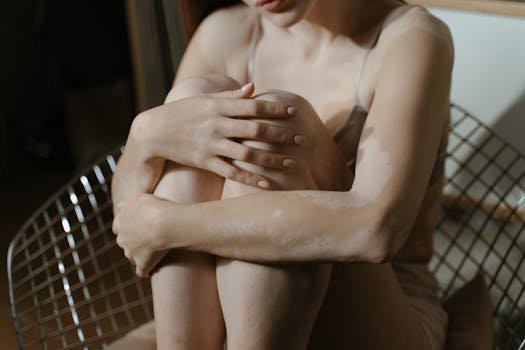
Step 3: Apply HA serum on damp skin. Two or three drops usually do the job for face and neck. Spread with fingertips; don’t rub hard. If your serum feels thick, emulsify one drop with a little toner in your palm to thin it out. You’ll get better spread and less sticky residue.
Step 4: Lock it. Follow with a light moisturiser if you run dry, or skip straight to sunscreen if your SPF has a moisturising base. In summer, we like gel-creams with glycerin and squalane over heavy occlusives. You avoid greasiness and cut the chance of pilling with SPF.
Step 5: SPF, always. Choose a texture that suits your climate and skin type, then apply the proper amount. Our SPF Protection Products section spans gel, milk, and cream formats. Let it set for at least three minutes before makeup.
How to pair HA with vitamin C, niacinamide, and acids
HA plays well with most actives. Place it based on the texture of your actives and the finish you want through the day.
Vitamin C: Water-based ascorbic acid serums go first after cleansing. They’re thin and low-viscosity. Give them a minute to settle, then apply your HA. If you use an anhydrous, silicone-rich vitamin C, apply HA first on damp skin, wait a minute, then smooth the silicone serum on top. That order reduces slip conflicts and pilling.
Niacinamide: This pairs cleanly with HA. Choose the lighter texture first. Many niacinamide serums feel watery, so they go before HA. If both feel similar, mix a drop of each in your palm and apply as one layer. Less layering means fewer edges that can pill later.
Exfoliating acids (AHA/BHA): Use them at night if you can. If you need morning exfoliation once or twice a week, apply your acid toner, wait until your skin feels dry to the touch, then apply HA. HA cushions the post-acid tightness and cuts the risk of over-drying. Keep sunscreen strict.
Retinoids: Morning retinoids are rare. If you use a gentle day retinoid, apply HA first to damp skin for a buffer, then your retinoid, then moisturiser, then SPF. You can also sandwich the retinoid between two hydrating layers on days your skin feels testy.
Sunscreen and makeup over HA: the no-pill rulebook
Pilling happens when films clash. HA builds a water-loving film. Sunscreens and primers often set with film-forming polymers and silicones. Too many films. Not enough dry-down. Tiny balls appear and ruin your base.
Use the thinnest layers that still hydrate. If your HA serum feels tacky, dilute one drop with toner in your palm. Press, don’t rub. Allow one to three minutes between steps, especially before SPF.
Choose SPF texture to match your base. Gel and milk sunscreens often behave better over HA than thick creams on sweaty mornings. If you prefer a luminous cream SPF, let it fully set before makeup. Check options in our SPF Protection Products and note the texture claims. Your skin will tell you fast which ones sit smoother.
Primer isn’t essential, but it can help. Go for grip primers in humid weather and silicone-blur primers in dry office air. Both can work over HA if you use thin layers. Our Face Primers section spans gels, milks, and mousses. If your sunscreen already grips well, skip primer and cut one film from the stack.
Foundation textures matter. Water-light tints and modern serum foundations often sit best over HA. Heavy, whipped bases over a rich SPF can catch and ball. Browse options in Liquid Foundations and filter by finish and coverage. If you love powder, set only where you need it and press, don’t sweep.
Humidity, heat, and air-con: adjust the method, not the formula
North Queensland humidity feels nothing like a dry afternoon in Adelaide. The same HA serum can behave differently in both places. Adjust your method for the day rather than binning the bottle.
In humidity: Keep layers ultra light. Mist, HA, gel SPF. Skip moisturiser unless your skin runs very dry. Blot before makeup. If your base slips by lunch, add a thin primer on the T-zone only the next day. A grip gel can stabilise the stack without heaviness.
In dry heat or air-con: Increase water and add a light seal. Mist twice before HA. Choose a gel-cream with glycerin or squalane over the top. Then SPF. You can also tap a drop of oil into your moisturiser if your cheeks feel tight by 3 pm. Don’t overdo occlusives in heat. Small amounts work better than a thick coat.
Outdoors all day: Sweat and reapplication change everything. Keep texture minimal and choose transfer-resistant SPF. Reapply with a SPF mist or stick if you wear makeup. If you skip foundation, a lotion SPF reapplies easiest. A light HA layer under that will keep skin from feeling parched when the wind picks up.
{{IMAGE:woman applying sunscreen at the beach Australia}}Decode the label: what to look for, what to skip
Ingredients lists look dense, but you can scan for HA quality quickly.
Look for: sodium hyaluronate, hydrolysed hyaluronic acid, and sodium hyaluronate crosspolymer. A mix of two or more tends to give a better day-long result. Matchmakers like glycerin, panthenol, betaine, saccharide isomerate, trehalose, and ectoin point to smarter hydration.
Skip if you’re sensitive: strong fragrance, a long essential-oil blend, or high denatured alcohol near the top of the list. Many formulas use a little alcohol for penetration and dry-down. That usually sits low in the list and feels fine. If your skin stings often, stick to fragrance-free basics for the HA step and let your active serums carry the fancy ingredients.
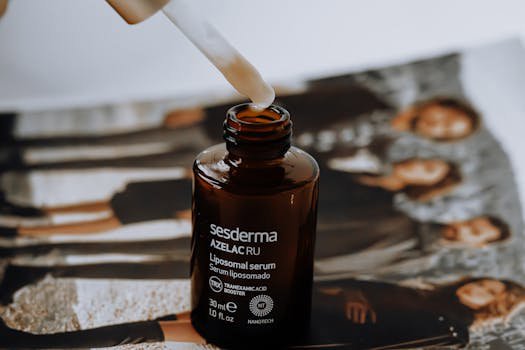
Consider packaging. Pumps keep fingers out and reduce contamination. Droppers work fine if you keep them away from your face. Clear bottles look nice, but they can expose watery formulas to light for months in Aussie summers. Store them out of the sun.
Patch test new routines on the jawline for a few days. HA itself rarely irritates. The rest of the formula might. A slow, measured start saves you guesswork later.
When HA seems to backfire (and how to fix it)
Tightness two hours after application: You likely used HA on very dry skin or skipped a seal. Reapply water with a mist, then smooth a light moisturiser on top. Next time, apply HA on damp skin and add a gel-cream if your day involves air-con.
Pilling under SPF or foundation: You stacked too many films or didn’t allow dry-down. Reduce layer count. Thin your HA, pick a lighter SPF, or skip primer. Press products in and wait a minute between steps. Swap a heavy cream for a gel-cream under SPF on hot days.
Shiny by midday: Too many humectants on a humid day can feel sticky. Use less product and cut moisturiser if your SPF hydrates enough. Blot, then set with a small amount of powder. Next morning, try HA plus gel SPF only.
Flaking and rough patches: You might be over-exfoliating while chasing glow. Scale acids back to night only. Keep the morning simple: cleanse, HA, moisturiser if needed, SPF. Add barrier helpers like panthenol and ectoin until the flakes calm down.
Congestion: HA itself doesn’t clog. Heavy occlusives can if you lay them on thick in heat. Swap a petrolatum-rich cream for a lighter emulsion during summer. Keep richer layers for winter nights.
Smart pairings from brands you know
You don’t need a fancy name to get good hydration, but texture and support actives do matter. If you like a minimal routine, pair a simple HA with a vitamin C you trust and a daily SPF. If you prefer a bit more, add niacinamide or panthenol for extra calm.
Browse brand ecosystems and filter by texture on GlamGeek. For light gel moisturisers that behave well over HA, look at Clinique and Shiseido. For makeup that respects a hydrated base, check Charlotte Tilbury and MAC for long-wear textures. If you want a straightforward, budget-friendly HA step, explore L'Oréal, Garnier, and Sephora Collection.
Stick to categories when in doubt. Filter the Day Face Serums for hydrating picks with hyaluronic acid, then add a moisturiser that suits your climate. Keep SPF broad-spectrum and daily. If makeup is part of your morning, explore Face Primers and Liquid Foundations that list grip polymers or humidity resistance.
Use GlamGeek to compare stock and pricing across Australian retailers before you commit. Add a few contenders to your wishlist. You’ll get alerts when one goes on promo or drops back in at your preferred store.
Layering templates for different skin types
Normal to combination, humid day: Cleanse, mist, HA, gel SPF. Optional T-zone primer. Serum tint if you want coverage. Blot once at lunch and top up SPF.
Dry or dehydrated, air-con office: Creamy gel cleanser, hydrating toner, HA, light gel-cream, SPF milk. A silicone-blur primer can help base makeup glide. Carry a hydrating mist and press it over makeup mid-afternoon before SPF reapplication.
Oily, breakout-prone: Gentle gel cleanse, niacinamide serum, HA, oil-control or gel SPF. Skip heavy moisturisers in the morning. Keep actives like BHA at night. A grip primer can keep midday shine in check without heavy powder.
Sensitive or reactive: Minimal steps. Milk cleanser or a short rinse, HA with panthenol, moisturiser, SPF. Avoid fragrance and essential oils in the HA step. Patch test each addition for three days before you commit.
Make HA work harder: small tweaks with big payoffs
Use less product. Two measured drops cover face and neck when you apply to damp skin. More isn’t better; more just invites pilling.
Blend intentionally. If HA and niacinamide feel similar, mix one drop of each in your palm. Apply as one even layer. Fewer layers reduce friction under SPF.
Mind the dry-down. Give each thin layer time to set. One to three minutes does the trick for most formulas. Touch your skin; if it still feels wet or super tacky, wait a touch longer.
Respect the base. If your SPF hydrates enough, skip a separate moisturiser. If your makeup drags, add a pea of gel-cream over HA before SPF instead of packing on primer later.
Keep climate in the equation. Build your stack for that day’s weather, not last week’s. Swap a gel SPF on humid days for a moisturizing milk on dry days. Your HA will cooperate either way if you give it water and a sensible seal.
Budget vs luxury: what you pay for and what you don’t
HA itself doesn’t cost much. You pay for texture, supporting humectants, soothing agents, and elegant film-formers that don’t pill under SPF and makeup. Luxury serums often focus on sensorials and packaging. Budget serums often nail the basics and ask you to tune the rest of your routine around them.
We see regular discounts on HA serums at Priceline and Chemist Warehouse. Mecca, Adore Beauty, and Sephora Australia run fewer but notable promotions and offer generous samples. MYER’s department-floor counters sometimes bundle skincare with makeup GWPs, which can make a pricier pick more palatable if you’ll use the bonus items.
Do a value check by texture and size, not only by price. A slippery serum that pills under your SPF wastes money, even if the sticker looks kind. A mid-priced formula that layers cleanly through a 40-degree day gives you better value per wear. Check reviews on GlamGeek, compare textures, and use your wishlist to sit on a product until the next sale wave hits.
If you like to build within a brand, scan pages for Estée Lauder and Lancôme for polished textures that tend to play well with makeup. If you prefer simplicity, brands like Garnier and L'Oréal offer straightforward HA serums that slot into any routine. Multi-brand sets also help you test textures without committing; look for hydrating edits in Skin Care Sets.
What this means for your morning
Hyaluronic acid doesn’t need a complicated routine to shine. It needs water on the skin and the right partner on top. In Australia, that usually means a fine mist or toner first, a thin spread of HA on damp skin, and a sunscreen texture that suits the day. Keep the rest of the stack as simple as you can get away with.
Listen for signals. Tightness means add more water or a light seal. Slip and midday shine mean use less product or cut the moisturiser. Pilling means reduce films and respect dry-downs. You can solve each of these with tweaks, not a bin.
Use GlamGeek to track your shortlist. Add a few HA serums from our Day Face Serums category to your wishlist. Do the same for gel-creams and SPF in your preferred textures. We compare prices across major Australian retailers so you don’t have to. You’ll get alerts when prices drop or stock returns, and you can check reviews while you wait.
Your next step
Pick a texture that matches your climate and your base. Decide your morning stack. Two drops of HA on damp skin, then the right SPF, will cover most days. Build from there only if you need more slip or more hold under makeup.
Which HA serums layer best under your favourite SPF and foundation combo? Add your contenders to a GlamGeek wishlist, then tell us what you’re pairing in the comments. Our tracker will watch the prices; your skin will call the winner.