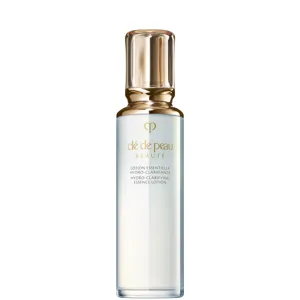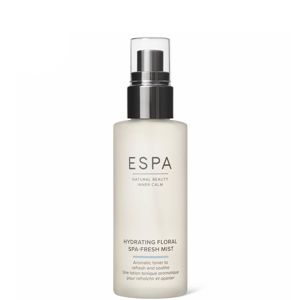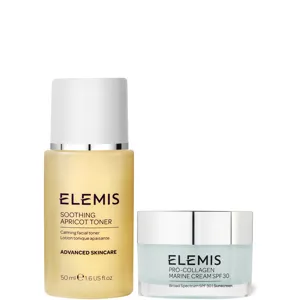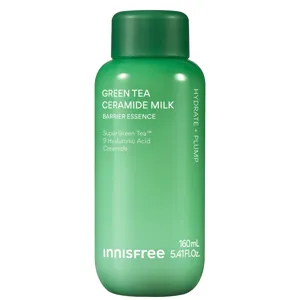
Our price tracker shows toner keeps selling month after month, even as cleanser-serum-moisturiser-SPF routines dominate. The data points to a simple truth: plenty of women still want that watery step after cleansing. The question we hear most is sharper than “do I need it?” It’s “when does toner earn its place?”
We see two stories in our retailer feed. First, legacy astringents hold on in chemists and department stores. Second, gentler, hydrating “softeners” and liquid exfoliants keep expanding at beauty specialists. Not all toners do the same job, and that matters more than the label. Some balance pH. Some add water and humectants. Others shed dull skin with acids. A few still chase oil with a fair dose of alcohol. Your skin type, climate, and active routine should decide which track you take — or whether you skip toner altogether.
Australia’s UV hits hard year-round. Summer runs hot and dry in much of the country, with sticky humidity up north. Skin can swing between parched and sweaty in one week. Toner can help you adapt fast. But the wrong one can set off redness, flaking, or breakouts. Here’s the practical guide we use to sort the keepers from the clutter.
Context: how toner changed, and why that matters
Toner started as an astringent step. Brands built formulas with denatured alcohol to cut shine and tighten the look of pores. Women who used strong soap cleansers felt that bite as a clean finish. That era taught an entire generation that skin should squeak. It also left many with irritation and a disrupted moisture barrier.
Then Japan and Korea reframed the step. Shiseido popularised “softeners” decades ago, a hydrating pre-serum used with hands, not a cotton pad. K-beauty pushed the 7-skin method in the mid‑2010s. Those thin watery layers focused on water-binding ingredients over sting. Western brands followed with glycerin-rich toners and essences. At the same time, acid toners took off. Glycolic and salicylic became household words, with consumers chasing glow and clearer pores from a bottle.
Across our AU merchant feed, we now see three broad toner families: hydrating toners/softeners, exfoliating acid toners, and clarifying astringents. The label still says toner, but the function differs. That split answers the “necessary or not” question. Necessary for what? For hydration, gentle pH reset, or steady exfoliation between actives, toner can work. For aggressive oil control or as a shortcut cleanser, it often backfires in Australia’s climate.
{{IMAGE:woman applying toner cotton pad bathroom}}Toner, defined: four jobs it can do now
We cut through the marketing by mapping toner to jobs, not buzzwords. Most formulas fall into one of four roles:
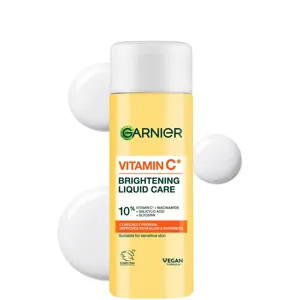
1) Replenish water. Hydrating toners or “softeners” load skin with humectants like glycerin, hyaluronic acid, and betaine. Think cushiony slip, no sting. They help dehydrated skin plump up before serum. We see these in ranges from Shiseido to Clarins, and in budget options from Garnier and L'Oréal.
2) Balance and soothe. pH-balancing toners keep the acid mantle in check after cleansing, especially if hard water or foaming washes leave skin tight. Look for panthenol, centella, green tea, and low fragrance. These suit sensitive or redness-prone skin, or anyone on retinoids who wants a calm buffer.
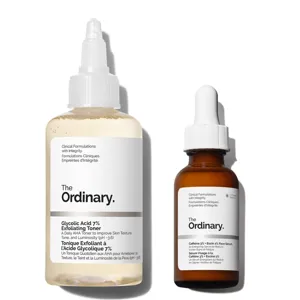
3) Exfoliate with acids. Glycolic, lactic, mandelic, and PHAs lift dull surface cells. Salicylic acid gets into oily pores and clears build-up. Acid toners can brighten, soften texture, and reduce breakouts. In Australia, they demand wise timing and daily SPF. We cover safe use below.
4) Clarify and mattify. Classic astringents target oil and feel sharp. They shrink shine fast but often pull water out of the skin. Daily use can dehydrate and trigger rebound oil. We rarely recommend them as a core step. Use them as a targeted T‑zone wipe on humid days at most.
When a bottle claims all four, doubt the pitch. Pick one job you want done. Then choose a formula that focuses on that result.
Who benefits most: skin types and goals
Not every routine needs toner. When it helps, it helps clearly. These are the women who benefit most in our view:
Oily or acne‑prone. A salicylic acid toner can reduce congestion on cheeks, jawline, and forehead. Niacinamide supports barrier and helps with oil control. Keep the rest of the routine simple. Avoid stacking strong cleansers, acids, and retinoids on the same night.
Dehydrated or combination. Many Australian women sit in this bucket: shine plus tightness after cleansing. A hydrating toner fixes the water deficit without extra oil. Press it in with hands. Follow with a light serum and gel cream. Skin often looks calmer and less reactive.
Dry or mature. A softener primes skin to drink up serums and creams. Look for amino acids, squalane, and low‑level lactic or PHA for gentle smoothing. You can sandwich a hydrating toner under a richer night cream for better cushion without heavy layers in the heat.
Makeup wearers. Toner can improve base application. Hydration sets the stage for smoother primer and foundation spread. Film-formers in some toners can also reduce pilling. If your base cracks by midday, a water-binding toner under moisturiser often fixes it faster than a thicker cream alone.
Post‑actives support. If retinoids leave you patchy, a bland soothing toner can buffer irritation. It won’t cancel the retinoid. It can reduce the sting and hold water while your barrier recovers.
Who should skip it — or go minimal
Plenty of women can skip toner without missing a beat. If your cleanser doesn’t strip and your moisturiser hydrates well, a toner may not add much. A simple three‑step routine wins for discipline and budget.
Skip daily toners if you already exfoliate with leave‑on acids, retinoids, or tretinoin. You can overload skin fast. Over‑exfoliation shows up as shininess, small cracks, flakes, and more breakouts. Remove one variable and watch for two weeks.
Give harsh astringents a rest if you see midday oil and flaking together. That pattern often means dehydration. Swapping to a hydrating toner usually calms both.
Use toner carefully if you have rosacea, eczema, or active dermatitis. Fragrance, menthol, and plant astringents can flare redness. If you want a toner, keep it unscented, alcohol‑free, and short on citrus oils. Patch test along your jaw for three nights.
And don’t use toner as a cleanser. Micellar water belongs in the cleansing step. Rinse micellar residue, then proceed. Toner should not stand in for a face wash after sunscreen and makeup.
Ingredient map: what to seek, what to swerve
Ingredients decide whether toner helps or harms. We group them by job.
Hydration heroes: glycerin, hyaluronic acid, sodium PCA, betaine, panthenol, trehalose, and amino acids. These bind water and soften tightness. Look for them high in the list for a true hydrating toner. Shiseido softeners and Clarins toning lotions often land here. Lancôme does this well too with comfort‑first textures.
Soothers: centella asiatica, green tea, allantoin, madecassoside, bisabolol, oat, and thermal water. These suit sensitive, redness‑prone, or retinoid users. Fragrance‑free formulas in this lane behave best under active serums.
Exfoliants: salicylic acid (BHA) for pores; glycolic and lactic (AHA) for surface glow; mandelic for a gentler nudge; PHAs (gluconolactone, lactobionic) for sensitive types. Start low and slow, two to three nights a week. Pair with daily broad‑spectrum SPF — Australia doesn’t forgive daytime acid overuse.
Barrel‑scrapers to limit: denatured alcohol high in the list, menthol, eucalyptus, high citrus oils, and heavy fragrance. These can sting and dehydrate in our climate. Fatty alcohols like cetyl or stearyl don’t sit in the same bucket; those can feel cushiony and support texture.
Smart extras: niacinamide for barrier and tone, azelaic acid derivatives for clarity, zinc PCA for oil, and saccharide isomerate for long‑term moisture. These add value when used at sensible levels and play well with most routines.
Acids vs Aussie sun: safe exfoliation rules
You can use an acid toner in Australia. You just need rules that respect our UV and heat. We stick to these:
Use acid toners at night. Apply two to three evenings weekly, not seven. Let your skin guide the schedule. If you add a retinoid, drop the acid for a few nights. Keep one “strong” night at a time.
Buffer on sensitive nights. A hydrating toner before acids can reduce transient sting without blocking the effect. Avoid full occlusion before acids. You want the active to touch skin, not fight a heavy film.
Pair with daily SPF. Acids thin the top layer for a glow. UV makes short work of that fresh skin. Use a broad‑spectrum sunscreen every morning and reapply outdoors. If you already use a vitamin C serum in the morning, stick to gentle acids at night. Consider PHAs if you live outdoors or work near a window all day.
Mind heat and sweat. Acids plus midday sport can irritate around the nose and chin. On training days, skip the acid toner the night before and use a soothing hydrator instead. Our SPF Protection Products category lists broad‑spectrum options that hold in heat, which supports any acid routine.
Salicylic specifics. BHA travels into oil and clears pores. If you get mask‑area congestion or jawline breakouts, salicylic makes sense. Keep it to a few nights and moisturise after. Overuse dries the edges of pores and they look larger, not smaller.
{{IMAGE:flatlay spf sunscreen toner aha bottle beach hat}}Sensitive, pregnant, or on actives? Choose the gentler path
Sensitive or reactive skin still can use a toner, but you need precision. Aim for short INCI lists and fragrance‑free claims. Thermal water blends and centella‑heavy toners settle redness and add water, fast. If you flush easily, keep menthol and strong plant astringents out.
If you are pregnant or breastfeeding, many dermatologists recommend caution with strong salicylic acid across large areas. PHAs, lactic at low strength, and azelaic acid in serum form often make gentler picks. Discuss actives with your GP if you sit in the high‑risk bucket. Meanwhile, hydrating toners play well with pregnancy‑safe routines and support barrier health.
If you use prescription tretinoin or strong retinoids, toner can serve as a buffer or a sub for acids. A bland hydrating toner under your moisturiser keeps skin flexible. Many women find a PHA toner on off‑nights smooths texture without spiking irritation. Watch for burny edges at the nostrils and corners of the mouth — a signal to dial back.
Those with melasma or pigmentation should handle acid toners as supporting acts. The heavy lifting often comes from vitamin C, azelaic acid, or retinoids, plus strict SPF. Over‑exfoliation can inflame and deepen pigment. Choose mandelic or PHA if you need the feel of an acid step and keep it gentle.
Application tactics: pads, hands, mists, and timing
How you apply toner changes the result more than most people think.
Cotton pad vs hands. Use pads for exfoliating toners and targeted oily zones. You want a controlled swipe. Use hands for hydrating toners and softeners. Press in two to three layers if you feel tightness. Pads soak up product and waste hydrating formulas.
Face still damp. Apply toner onto damp skin after cleansing. Water on the surface slows transepidermal loss and gives humectants something to grab. Pat, don’t rub, if your skin runs sensitive.
Frequency. Hydrating toners can run twice daily. Acid toners work best a few nights a week. Clarifying astringents suit targeted, occasional use on the T‑zone. Look for steadiness over drama. Skin prefers rhythms, not shocks.
Mists in Australia. A fine mist feels great but can dehydrate if you let it evaporate. Mist, then seal with serum or moisturiser. Mists make smart gym companions. Wipe sweat, mist, then apply SPF if you head back outdoors.
Makeup prep. A hydrating toner can reduce pilling and patchiness under base. Let it settle 60 seconds before primer. If base still pills, change the toner texture or test a different primer. Our Face Primers and Liquid Foundations categories help you spot textures that pair well.
Product picks by goal (with honest shopping notes)
We never treat toner like a one‑size call. Start with your goal, then shop with a filter.
Hydration first: Look for “softener”, “lotion”, or “comfort” on labels. Think Shiseido Treatment Softener‑style formulas or plush comfort toners from Lancôme. Budget buys from Garnier or L'Oréal stack glycerin and hyaluronic acid well. These lines show up at Adore Beauty, MYER, Priceline, Chemist Warehouse, and Sephora Australia, depending on brand deals. Tap the product page on GlamGeek, add it to your wishlist, and we’ll ping you when a retailer drops the price or bundles a gift‑with‑purchase.
Soothing and simple: Fragrance‑free formulas with panthenol, oat, or centella work for sensitive skin or retinoid users. We often see calmer picks from Clarins and The Body Shop, plus pharmacy players. Stock shifts often. Our comparison page collects current listings so you don’t have to hop between Mecca, Priceline, and MYER tabs.
Pore focus and blemish control: Salicylic acid toners sit in teen and adult acne routines. If you want brand variety, check Clinique for its Clarifying Lotion family and oil‑control lines. Clinique places at department stores and online specialists in Australia. Compare listings on GlamGeek to see where it sits in stock now and what samples ship with it.
Texture and glow: Lactic, mandelic, or PHA toners smooth without a harsh spike in sensitivity. These play well for first‑time acid users and for dry or mature skin. Use them two to three nights a week and pair with a brightening serum in the day. Our Anti Ageing Face Serums category makes it easy to shortlist vitamin C or peptide serums that sit well over a hydrating toner.
Makeup prep: If foundation grabs or looks dusty, a hydrating toner under moisturiser pays dividends. Many women find this change steadies base wear more than jumping to a heavier cream. Try it before you replace your primer. Then check our Face Primers page for a texture that matches your foundation of choice from MAC, Estée Lauder, or Charlotte Tilbury.
If you love a strict skincare budget, keep toner in the “nice to have” bucket. You can build great skin with a gentle cleanser, a targeted serum, a moisturiser, and broad‑spectrum SPF. Toner should solve a problem, not create one.
How to slot toner into a routine without irritation
Start with the basics. Cleanse once in the evening. Use a mild cleanser in the morning only if you need it. Our Foam & Wash Cleansers category filters help you compare textures if your current wash strips too hard or not enough.
Then pick one toner role. Hydration, exfoliation, or soothing. Don’t chase three at once. Apply your choice after cleansing, before serum. If you use vitamin C in the morning, skip acid toner at night more than three times weekly. If you use a retinoid, alternate nights or use toner only on off‑nights.
Introduce slowly. Three nights a week for acids. Daily for hydrators. Give it two weeks before you judge. Watch for warning signs: shiny tightness, tiny flakes, more redness on the nose folds, or a sandpapery feel. That texture change means you pushed too far. Pull back and load hydration and SPF until it settles.
Lock it in. Toners with humectants need sealers. Follow with a serum that matches your goal. Then moisturiser. Seal water in before it flies off in the heat. If your SPF pills, test your toner and moisturiser combo. Swap one texture at a time and observe.
Patch test smart. Swipe along the jaw for three nights before full‑face use. The jaw mimics facial skin and keeps reactions discreet. If you tolerate three nights, move up to cheeks and forehead.
Myths to drop: what toner does not do
Myth one: “Toner closes pores.” Pores don’t open and shut like doors. Some toners can reduce oil and swell skin slightly with water, so pores look less visible. That’s optics, not plumbing.
Myth two: “Toner must sting to work.” Sting means the formula irritates or exfoliates. Hydrating toners should not sting. Acids may tingle lightly. True burn or lasting redness signals a bad match or overuse.
Myth three: “Micellar water counts as toner.” Micellar is a cleanser. Many leave a film if you don’t rinse. That film can block actives or irritate. Use micellar to remove makeup. Rinse. Then apply toner if you choose to include it.
Myth four: “Astringent equals clean.” Tight does not equal clean. Tight often equals stripped. If your face feels squeaky, add back water with a hydrating toner or switch your cleanser. Australia’s dry heat amplifies the fallout from over‑stripping fast.
Retail reality in Australia: availability and pricing quirks
We track listings across Mecca, Priceline, Chemist Warehouse, Adore Beauty, Sephora Australia, and MYER. Toner ranges move in and out of stock often, especially during promo weeks. Department store classics can carry a local premium. Chemist brands swing on multi‑buy deals. Beauty specialists bundle deluxe samples that shift value further.
If you want a specific formula from Clinique, Shiseido, or Clarins, check the GlamGeek product page before you buy. Add it to your wishlist and we’ll alert you when one of the big AU retailers cuts the price or adds a gift. For pharmacy players like Garnier and L'Oréal, watch Chemist Warehouse and Priceline rotations. We surface those in our daily feed so you don’t chase links.
Imported K‑beauty toners appear at niche stockists and marketplace sellers. Stock varies and warranties differ. If you choose import‑only options, factor returns, expiry, and distributor support. Our listings flag AU‑authorised stock when brands provide that info.
What this means for your routine
You don’t need toner to have good skin. You might benefit from it if you pick a role and use it with restraint. Hydrating toners serve dehydrated, combination, and mature skin well in Australia. Acid toners help oil and texture when used at night, a few times a week, with daily SPF. Astringents solve short‑term shine and suit targeted use only.
Build around the climate you live in. Hot, dry days call for water‑binding layers and lighter oils. Humid days reward gentle, non‑greasy hydrators and a strategic BHA for the T‑zone. Australian UV punishes over‑exfoliation. Keep acids gentle and infrequent. Treat toner like a tool, not a ritual box to tick.
If you want help choosing, use GlamGeek filters for Face Toners. Sort by concern, key ingredient, and brand. Add favourites to your wishlist. We watch the retailers so you can buy when the value lands in your favour.
Tell us how you use it
Do you skip toner, or does one formula earn its slot? What skin type, what climate, and what result do you see? Share your experience and the bottle that works for you. Your notes help the next woman build a sensible routine without the sting.