Retinol body lotions have quietly become the new “fix everything” pitch for bumpy arms, rough thighs, and that stubborn sandpapery texture that never quite shifts.
We’re not buying the hype wholesale. But we also won’t dismiss the category. The reality in Australia is that body retinoids can work, and they can also backfire fast if you treat them like a basic moisturiser and forget the UV factor.
So here’s our take: retinol body lotion makes sense for texture (especially KP), but only if you build it like a system—actives, moisturising base, and daily SPF Protection Products where skin sees daylight.
KP isn’t “dry skin”: it’s a plug problem (and retinol targets that)
Keratosis pilaris (KP) looks like tiny bumps, often on upper arms, thighs, and sometimes cheeks. It behaves like dryness, but the mechanism usually sits deeper. Skin cells don’t shed cleanly. Keratin builds up and forms plugs around hair follicles.
That’s why regular body lotion can make KP feel softer, yet the bumps stay. You lubricate the surface. You don’t change the way cells turn over.
Retinoids help because they influence cell turnover and reduce the “sticky” build-up that forms plugs. That translates to fewer bumps over time and a smoother feel. It won’t happen overnight, and it won’t suit everyone. If your KP also runs red and irritated, you may need to calm it first.
One more Australian-specific note: KP often looks worse in dry, air-conditioned months and can sting more after summer sun exposure. That combo makes strong actives harder to tolerate. It’s the same skin condition, but the environment changes what your routine can handle.
Retinol vs AHA vs urea: pick the right “texture tool”
If you want smoother skin, you have three main levers. Each works differently, and the smartest routines often combine two—carefully.
Retinol (and retinoids) target turnover and follicle plugging. They suit persistent bumpiness and “rough but not flaky” texture. They can irritate, especially when you start or when your barrier already struggles.
AHAs (like lactic acid and glycolic acid) dissolve the bonds between dead cells. They deliver a faster “polish” effect than retinol for many women, especially on legs and arms. In humid climates (hello, Brisbane and Darwin summers), AHAs can feel stingier because sweat and friction amplify irritation.
Urea acts like a hydrator and a gentle keratolytic at higher strengths. It’s the unsung hero for rough, thickened body skin because it hydrates while smoothing. If retinol body lotions feel too risky, urea-based body creams often deliver a similar end goal with less drama.
How we’d choose:
- Mostly bumps (KP), little sensitivity: retinol at night, moisturiser on top if needed.
- Mostly rough + flaky: urea first, then consider adding retinol later.
- Mostly ingrowns or “strawberry legs”: AHA/BHA body products may beat retinol.
- Red, angry KP: pause strong acids and retinoids, build barrier, then reintroduce slowly.
There’s no prize for using the strongest active. The prize is consistency without irritation.
What to look for in a retinol body lotion (and what to ignore)
Body retinol marketing loves big promises and vague percentages. The label often looks scientific. The formula sometimes isn’t.
Start with the delivery system. Retinol needs stable packaging and a supportive base. Airless pumps and opaque bottles matter more than pretty names. If the product sits in a clear jar, we’d question how much active remains potent after a few months in a steamy bathroom.
Check for barrier helpers. The best body retinol formulas usually include glycerin, ceramides, fatty alcohols, squalane, or niacinamide. These won’t “cancel out” retinol. They reduce the chance you quit after week two.
Ignore buzzwords. “Firming” and “tightening” claims often rely on hydration and temporary plumping, not structural change. You can still enjoy that, but don’t pay extra expecting surgical-level results.
Be cautious with fragrance. Fragrance doesn’t automatically equal irritation, but retinol already pushes your tolerance. If your arms sting after shaving or you react to perfumed body wash, go fragrance-free where possible. You can keep your fragrance in Eau de Parfum Perfumes instead of your active lotion.
Packaging and retailer access in Australia matters. Some hyped US body retinoids land here via import sellers with variable storage conditions and zero recourse. If you can buy through Mecca, Sephora Australia, Priceline, Chemist Warehouse, Adore Beauty, or MYER, you usually get safer supply chains and clearer returns.
How to use retinol on the body without frying your skin
Most “retinol didn’t work” stories trace back to one of two issues: women expect overnight smoothing, or they use it like daily body moisturiser from day one.
Here’s the approach we keep coming back to because it reduces dropout.
Week 1–2: set the baseline
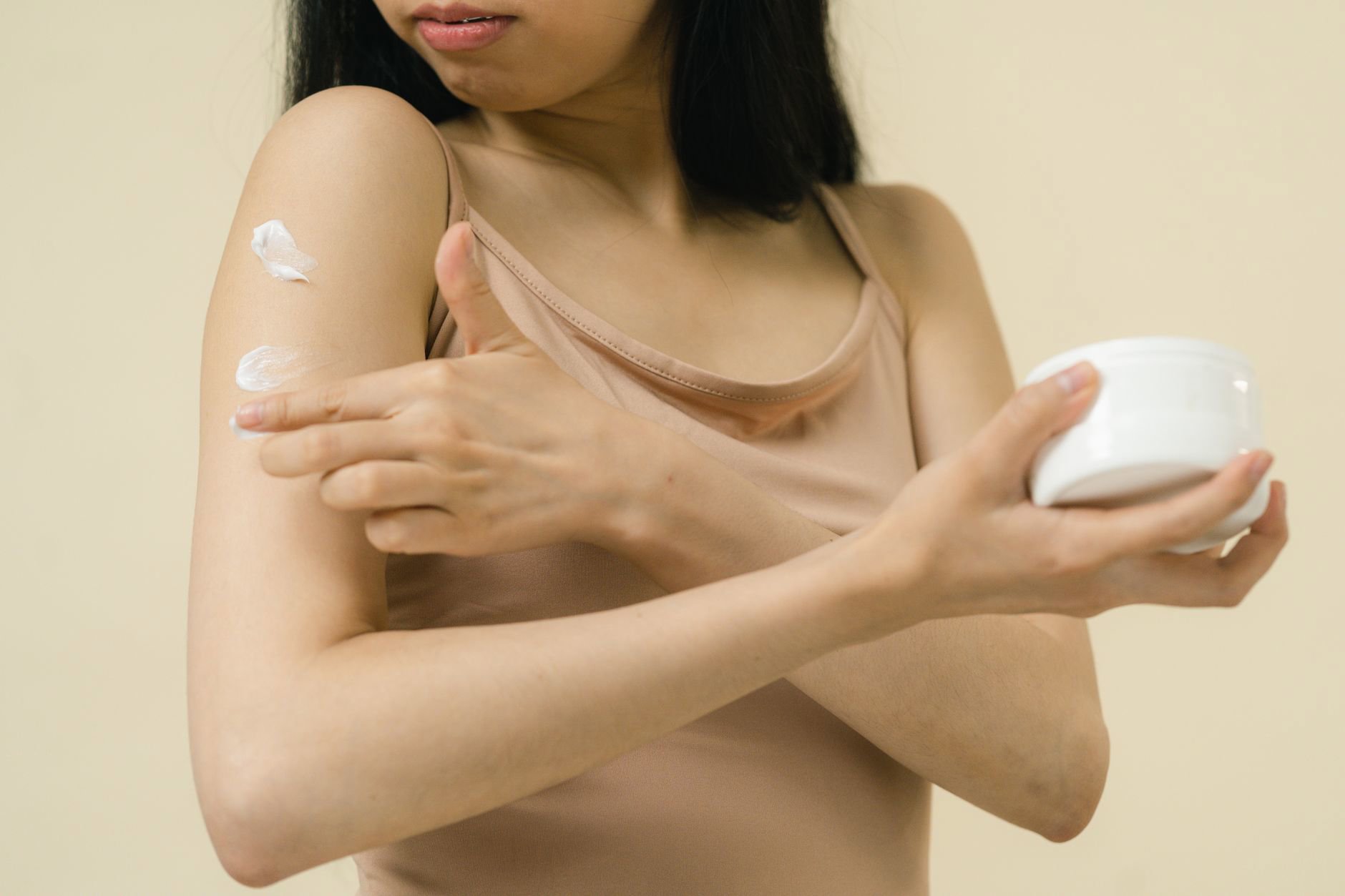
Apply retinol body lotion two nights a week to the target area only. Upper arms, outer thighs, or wherever the KP sits. Skip freshly shaved skin the same night. Shaving plus retinol makes irritation more likely.
If your skin feels tight, layer a plain body moisturiser on top after 10–15 minutes. This is not “diluting” the active in any meaningful way. It’s helping you stay consistent.
Week 3–6: build frequency
Move to every second night if your skin feels calm. If you see redness, persistent stinging, or peeling, drop back. KP improves with patience, not punishment.
Ongoing: protect the results
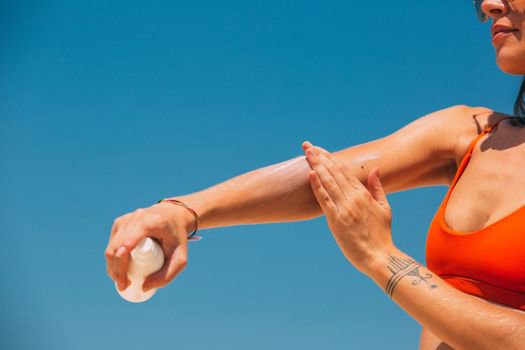
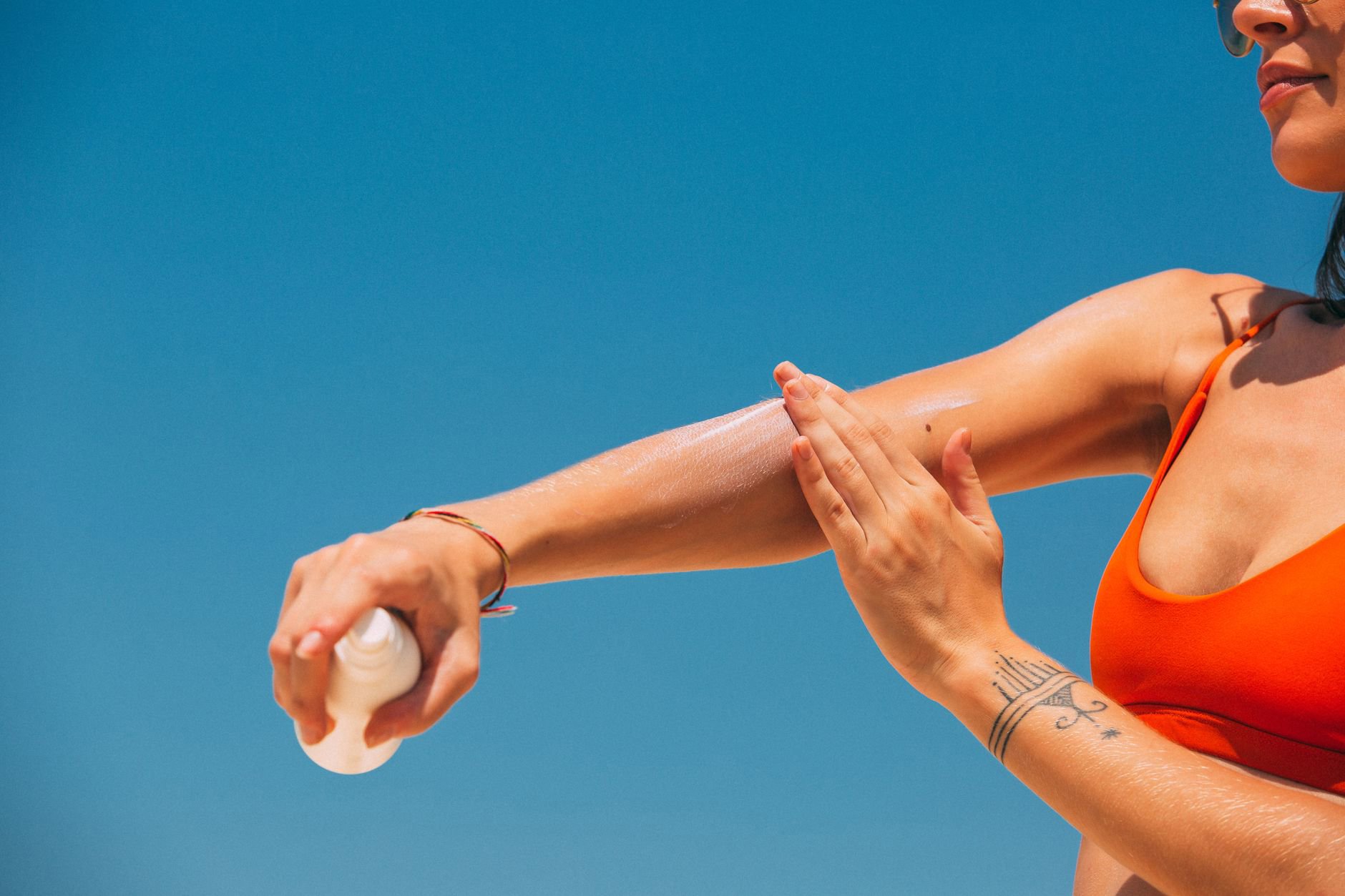
Use sunscreen on exposed areas. Arms and shoulders catch UV in Australia even on casual days. If you wear sleeveless tops, you need daily SPF on those areas. Retinoids can increase sun sensitivity, and UV undermines the smoothing work by triggering inflammation.
Also: don’t stack actives by accident. If you already use an AHA body wash, a scrub, and then retinol, you’ve built an irritation sandwich. Choose one “exfoliating lane” per night.
Smart product picks in Australia (by goal, not hype)
We won’t pretend there’s one perfect retinol body lotion. Availability shifts across Australian retailers, and brands love reformulations. Instead, we’d shop by reliable category staples and pair them strategically.
If your priority is KP texture on arms: look for a retinol body lotion with a moisturising base, then keep an AHA option for occasional use. Many women do well with retinol most nights and lactic acid once weekly on a non-retinol night.
If your priority is “rough + dry” rather than bumps: start with urea or lactic acid body lotions first. You’ll often get faster comfort and fewer side effects. Retinol can come later if bumps remain.
If your priority is body acne plus texture: consider alternating retinol with a salicylic acid body wash. Keep it simple: cleanse, active, moisturise. If you need a gentle cleanser, browse Foam & Wash Cleansers that don’t leave a film on the body.
If you want “tightening” for crepey skin: manage expectations. Hydration and consistent barrier care matter more than chasing the highest retinol. If you also use facial Anti Ageing Face Serums, don’t automatically assume you can replicate that strength across your body without irritation.
Where to hunt deals: Priceline and Chemist Warehouse often discount mass brands sharply, while Mecca and Sephora Australia tend to hold price but offer minis and sets. If you’re building a routine from scratch, watch for Skin Care Sets because they sometimes bundle a body treatment with a matching cleanser or moisturiser.
The “$26 smoother skin” problem: cheap can work, but don’t buy blind
Australian beauty headlines love a hero price point. A$26 sits in the sweet spot where a product feels affordable but “active” enough to tempt a splurge.
Here’s the nuance: budget body care can absolutely deliver. The issue is that budget ranges often play musical chairs with formulas and stock. You find a perfect texture lotion, then it disappears for months. Or it returns reformulated and fragranced.
So if you want to shop smarter, use a simple screening method:
- Decide your main active (retinol vs lactic acid vs urea). Don’t buy three exfoliating products at once.
- Check the base: does it include glycerin and occlusives, or does it look like a thin gel that dries tacky?
- Check your routine conflicts: if you use a scrub mitt, stop while you start retinol.
- Buy the smallest size first when possible. KP needs weeks, but irritation shows up quickly.
This is also where the “Australia tax” shows up. Some trending US body actives cost far more here once they land. If a locally stocked option gives you the same active family and supportive base, we’d take the local buy and keep the change.
If you’d rather spend on makeup and keep body care functional, that’s valid. Put your budget into one or two products you’ll finish, not five half-used experiments.
When retinol body lotion isn’t the answer (and what to do instead)
Retinol suits a lot of women. It doesn’t suit everyone. Knowing when to pivot saves your skin and your money.
If you get itchy, patchy redness: stop actives and go back to a plain moisturiser for a week. Then reintroduce at lower frequency. If redness persists, consider that fragrance or another ingredient may drive the reaction, not the retinol itself.
If your bumps feel hard and “pluggy” but you also have dry flakes: urea can outperform retinol early because it hydrates while it softens the plug. Retinol can come later once the surface stops cracking.
If your main issue is pigmentation on legs: retinoids can help over time, but daily sun protection and gentle exfoliation often matter more. Pigment loves UV. Australian UV rarely takes a day off.
If you’re pregnant or breastfeeding: many clinicians advise avoiding retinoids. Treat this as a hard stop unless your healthcare professional says otherwise. You still have strong options in urea and lactic acid body care, plus gentle Face Masks for targeted areas if you enjoy multi-masking (yes, bodies can be masked too—elbows and knees count).
If your skin can’t tolerate any actives: friction management becomes the “active.” Switch to softer clothing, avoid harsh shower heat, and use a richer body cream after every shower. It sounds basic because it is, and it still works.
Build a 4-product body routine that survives Australian weather
If your routine collapses the moment it gets hot, humid, or you travel, it wasn’t a routine. It was a fragile experiment.
This structure holds up across Australian climates because it stays minimal and flexible.
- Cleanser: a non-stripping body wash. If you use actives, you don’t need a squeaky-clean finish.
- Active (night): retinol body lotion or an AHA/urea lotion. Pick one as your main lane.
- Moisturiser (support): a plain, thicker body cream for nights your skin feels tight.
- SPF (day): on arms, shoulders, chest, and legs if they’re exposed.
Want to add “extras”? Add them where they won’t sabotage you. A pretty scented Shower Gels & Body Washes works better on non-active nights. Body shimmer looks better when the skin already feels smooth.
Also, stop over-scrubbing. A body scrub can feel satisfying, but KP bumps don’t need abrasion. They need consistent chemical smoothing and barrier support.
What this means for Australian women shopping right now
Body retinol isn’t a fad, but it also isn’t a free pass to “perfect” skin. For KP and rough texture, the best results come from choosing the right tool, using it slowly, and protecting the skin from UV.
If you only take two practical steps from this: pick one active lane (retinol or AHA/urea) and commit for six weeks, and then lock in daily sunscreen where your body sees daylight. That’s where Australian conditions change the outcome.
We also think women should feel zero guilt about going budget here. Body care gets used up fast. If a cheaper, locally stocked formula keeps you consistent, it beats an expensive import you ration and abandon.
What’s your main target right now—KP bumps, “strawberry legs”, or crepey dryness—and do you want a retinol-first routine or a lower-irritation urea/AHA plan?
![Lumene Nordic-C [Valo] Glow Cream Spf30](https://media.glamgeek.com/media/2026/02/06/c0cef909-16ab-49f9-865e-278e63871493_sm.jpg)