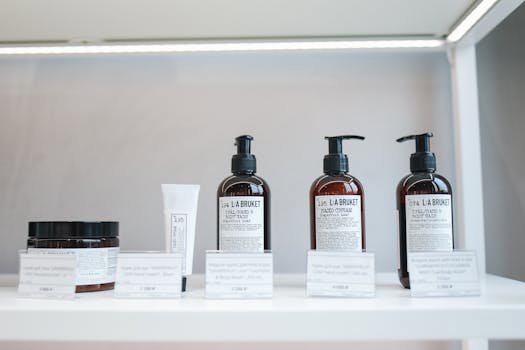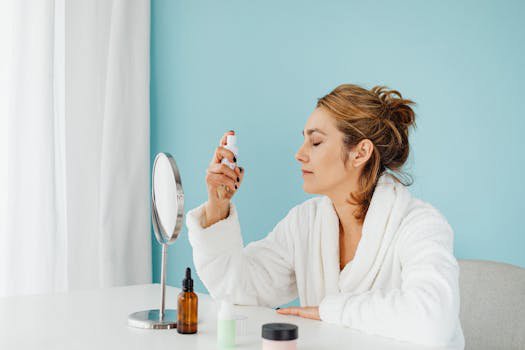
Jelly skincare has a very specific promise: bouncy hydration, a cool slip, and a “plump now” finish that sits well under makeup.
And unlike a lot of trend cycles, this one actually fits Australian reality. We deal with strong UV, air-con dryness, humidity up north, and makeup that needs to survive sweat. A gel-leaning, water-holding routine can make sense.
But “jelly” also attracts marketing fluff. Not every wobble-textured product hydrates well, and some dehydrate if you use them wrong.
Why jelly skincare is peaking in 2026 (and why Australia cares)
Several 2026 trend round-ups have pushed jelly textures into the spotlight, and we get why: they feel modern, they layer easily, and they suit the “barrier-first” mood that keeps showing up in Australian coverage.
Texture matters in a climate like ours. In hot months, heavy creams can feel sticky, slide under SPF, and push makeup into creases. Jelly gels usually spread thinly, dry down faster, and leave less residue. That can mean better wear with SPF Protection Products and fewer mid-day touch-ups.
We also see a practical shopping reason. A lot of women now split routines: a light daytime base under sunscreen, then a richer night layer only when skin feels tight. Jelly formulas slot into that daytime role without forcing a full routine overhaul.
Still, “jelly” describes a feel, not a function. Some jelly products rely on silicones for slip, some rely on humectants for water-binding, and some rely on both. The label tells the real story.
What “jelly” actually means on an ingredients list
Most jelly skincare falls into three buckets. Knowing which one you’re buying saves money and prevents that tight, squeaky finish that people mistake for “freshness”.
1) Humectant jellies lean on glycerin, propanediol, butylene glycol, hyaluronic acid, and sometimes polyglutamic acid. These pull water into the upper skin layers. They work best when you apply them to damp skin and seal them with a moisturiser or sunscreen. If you use them on dry skin in a dry room, they can feel like they vanish.
2) Silicone-gel jellies use dimethicone and related silicones to create slip and blur. They can feel plush and makeup-friendly, but they don’t automatically hydrate. Pair them with a hydrating layer underneath if you run dry.
3) Polymer “water-gel” jellies get their bounce from gelling agents and film-formers. These can feel cooling and light. Some include alcohol for a quick-dry finish, which oily skin may love and dry skin may hate.
Quick rule: if you want hydration, look for glycerin high on the list. If you want makeup grip and smoothness, silicones can help. If you want soothing, scan for panthenol, allantoin, centella, or colloidal oatmeal.
Build a jelly routine that survives SPF, sweat, and makeup
In Australia, the routine has to work with sunscreen. That means any “jelly step” needs to dry down cleanly, layer without pilling, and not mess with reapplication.
We’d structure it like this in the morning:
- Cleanse lightly (or just rinse) if you wake up oily. If you wear heavy night products, use a gentle wash from the Foam & Wash Cleansers category and keep it short.
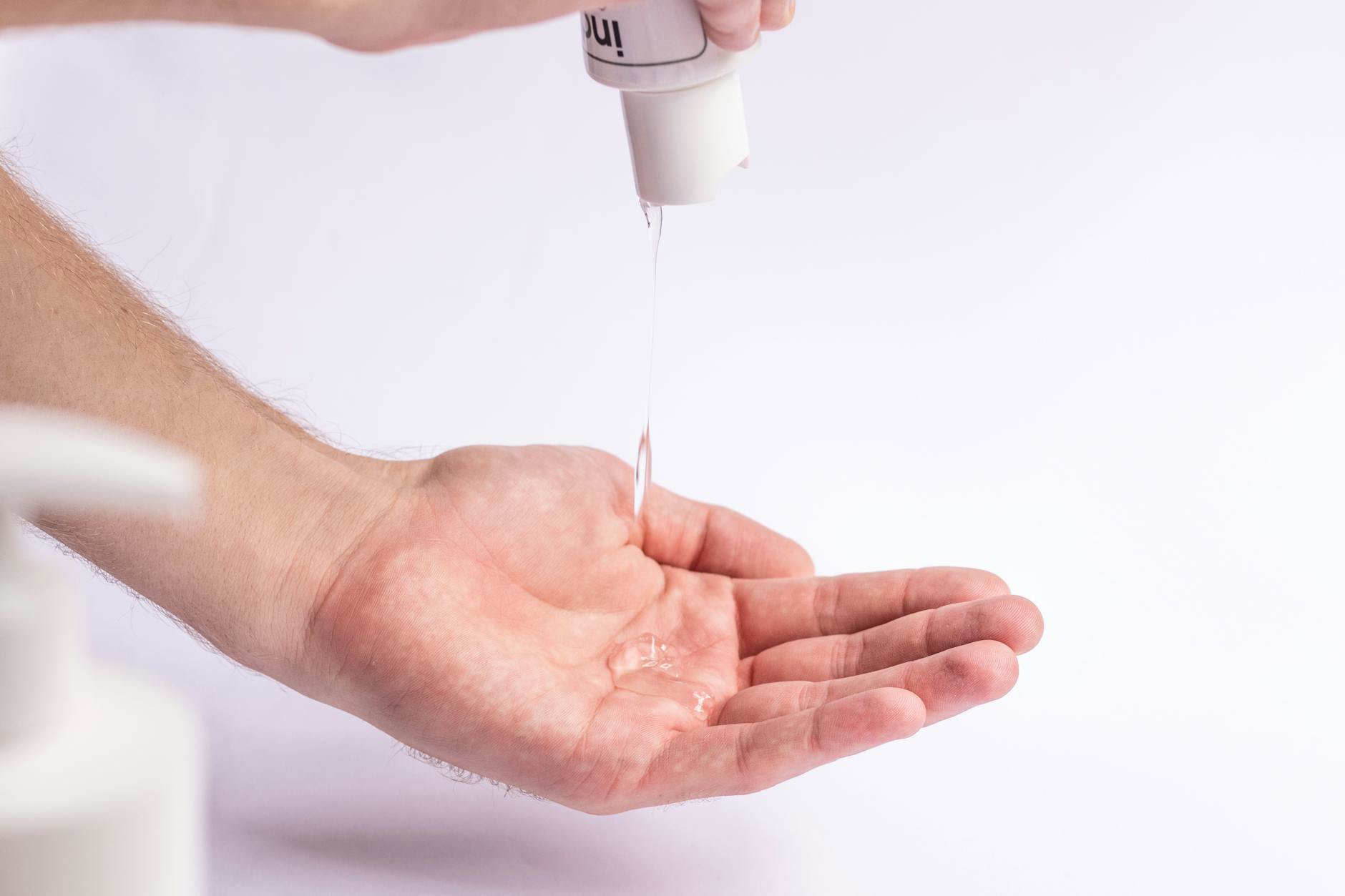
- Jelly hydrating layer on damp skin. Use less than you think. Over-applying water gels often causes pilling under sunscreen.
- Day moisturiser only if needed. Many women can skip a separate cream if the sunscreen feels moisturising. If you need one, keep it thin and look at Day Face Moisturisers that don’t leave a waxy film.
- Sunscreen. Let it set before makeup. Two minutes helps.
- Makeup. If you use primer, match textures. A silicone-heavy primer over a very water-heavy jelly can pill.
At night, jelly works as a “hydration sandwich”: cleanser, jelly serum/gel, then a moisturiser that seals. If you run oily, you can stop at the jelly layer a few nights a week. If you run dry, add a richer layer from Night Face Moisturisers.
One more Australia-specific tweak: if you spend time in air-con, keep a hydrating mist or a damp-hand re-press technique handy. Humectants need water to hold.
Who jelly skincare suits (and who should be picky)
Jelly textures suit more women than you’d expect, but the “best” jelly product depends on your barrier and your climate.
Oily or combination skin: You can treat jelly as your main moisturiser in summer. Look for lightweight humectants plus soothing ingredients. Avoid heavy oils layered on top during the day, because they can interfere with sunscreen feel and makeup wear.
Dry skin: Jelly can still work, but only as the hydration step. If you stop there, you may feel tight by mid-afternoon. Use a moisturiser on top, or pick a jelly that includes ceramides and fatty alcohols. If a jelly gel contains a lot of alcohol, it may feel great for five minutes and then leave you drier.
Sensitive or barrier-impaired skin: Jelly can be a win because it often avoids heavy fragrance profiles. Still, “cooling” formulas sometimes include menthol or strong botanicals. Patch test. Keep the rest of your routine boring for two weeks before you judge the jelly product.
Humid climates (Queensland, NT coastal): Jelly shines here. You can keep layers minimal and focus on sunscreen. If you hate shine, set sunscreen with a light powder and keep base makeup thin.
Hot, dry heat (inland summer): Humectants can backfire if you don’t seal them. Use jelly on damp skin, then add a thin moisturiser before SPF. That small change stops the “evaporated hydration” feeling.
The one deal worth noting: Olaplex jumbo duo is down 19%
Jelly skincare steals the headlines, but our price tracker shows the sharpest, cleanest saving this week sits in hair care.
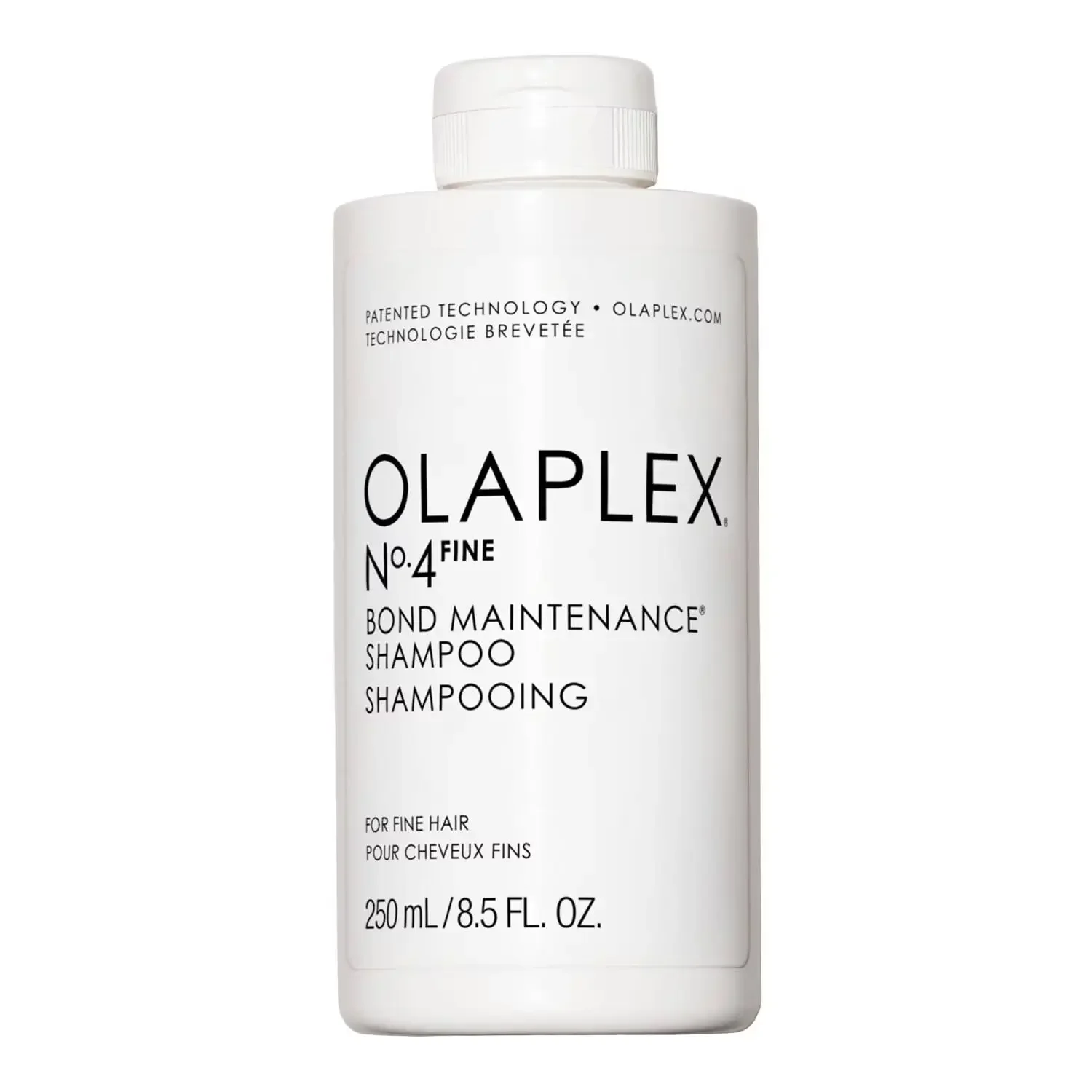
The Olaplex Shampoo And Conditioner Jumbo Duo dropped from A$101.92 to A$81.54 (19% off) at lookfantastic. That matters because jumbo formats rarely hit meaningful discounts, and haircare costs can creep up fast when you buy standard sizes on repeat.
Why mention it in a jelly skincare story? Because trend-led routines often push women to spend on extra steps. If you want to try a jelly serum or gel, it helps to “fund” that experiment by catching a genuine value drop elsewhere in the routine.
If you already use bond-building styling or colouring care, this is the kind of price move we’d watch. If you don’t, don’t buy it just because it’s on sale. Use the same discipline you apply to skincare: solve a real problem, then shop the drop.
For browsing, we’d keep a tab on Moisturising & Nourishing Shampoos and Moisturising & Nourishing Conditioners to compare textures and formats before you commit to another jumbo set.
Jelly + actives: how to layer without irritation or pilling
Jelly products often sit in the “hydration” slot, which makes them tempting to stack with active serums. That can work, but order and spacing matters.
Vitamin C in the morning: If you use a vitamin C serum, apply it first on clean, dry skin. Let it set, then apply your jelly layer, then sunscreen. If you notice pilling, reduce the jelly amount and press it in rather than rubbing.
Niacinamide: Niacinamide plays nicely with most jelly hydrators. It can also support barrier function, which helps if you use lightweight textures. If your skin flushes easily, keep niacinamide percentages moderate and avoid stacking too many “calming” botanicals at once.
Retinoids at night: Use the “buffer” method if you feel dry: jelly first, then retinoid, then moisturiser. If you tolerate retinoids well, you can apply retinoid first, then jelly, then moisturiser. The first option usually reduces sting.
Acids: If you use exfoliating acids, don’t rely on jelly to fix over-exfoliation. Use fewer acid nights and lean into barrier support. If you want occasional reset nights, swap acids for Face Masks that focus on hydration and soothing rather than tingling.
One practical trick: if sunscreen pills over your jelly routine, check for too many film-formers across layers. A jelly gel plus a grippy primer plus a longwear sunscreen can turn into “eraser bits”. Drop one layer.
Shopping smart in Australia: local brands, clean labels, and the “Australia tax”
Australian beauty coverage in 2026 keeps spotlighting local independent brands and “clean label” positioning. That mirrors what we see across retailer merchandising: more gentle claims, more barrier language, more minimalist routines.
We like the direction, but we also stay sceptical. “Clean” does not guarantee gentle, and “natural” does not guarantee low-irritant. Fragrance, essential oils, and citrus extracts can sit under a clean banner and still cause problems for sensitive skin.
Where Australia-specific shopping gets tricky sits in range and pricing. Some of the most talked-about textures launch overseas first, then arrive here later at a premium. That’s the Australia tax in action: higher landed costs, smaller market, and retailer exclusives. Before you pay import pricing, check whether Mecca, Sephora Australia, Adore Beauty, Priceline, or Chemist Warehouse stocks a comparable texture locally.
Our approach: pick the function, then shop the category. If you want a jelly moisturiser, compare gels within Day Face Moisturisers. If you want a bouncy treatment layer, compare Day Face Serums and focus on humectants plus soothing support.
If you also build a makeup wardrobe that plays nicely with jelly skincare, keep an eye on brands that do reliable, layer-friendly formulas like Clinique for sensitive-leaning options, Shiseido for refined textures, and NYX for budget-friendly complexion add-ons.
Makeup over jelly: the no-slip, no-shine method
Jelly skincare can make makeup look fresher, but only if you control slip. Too much glide under base makeup can break down coverage fast in heat.
We’d use this step-by-step approach for Australian summer days:
- Use a thin jelly layer and press it in. Rubbing creates product “ropes” that later pill.
- Wait for dry-down. If it still feels wet, your foundation will skid.
- Apply sunscreen in two thin coats instead of one thick one. Thick sunscreen layers move more.
- Spot-prime, don’t full-prime. Use primer only where makeup breaks up (usually T-zone). Browse Face Primers by finish: blurring for pores, gripping only if you keep skincare minimal.
- Choose a base that matches your sunscreen feel. If your sunscreen feels dewy, pick a more natural foundation. If your sunscreen feels matte, you can go more luminous.
- Set strategically. Powder the centre of the face, not the whole face. Keep cheeks more flexible if you want glow.
If you love blush and highlight trends, jelly skincare gives you that “skin looks alive” base. Cream blush sits well over it, but only if your sunscreen has set. For tools, a dense brush or sponge helps. If you need to refresh, blot first, then reapply sunscreen, then tap on colour.
For women who prefer budget makeup, check Revolution and Sephora Collection for complexion staples that handle a hydrated base without demanding luxury pricing.
What this means for your routine (and your wallet)
Jelly skincare works when you treat it as a texture choice, not a whole identity. You don’t need five jelly steps. You need one well-placed hydration layer that supports sunscreen and makeup.
Our practical takeaways for Australian women:
- Apply humectant-heavy jelly products to damp skin, then seal with moisturiser or sunscreen.
- If you pill, reduce product amount before you change products.
- In humidity, keep layers minimal and prioritise sunscreen feel and reapplication.
- Fund experiments with real discounts. This week, the clearest one sits in haircare: Olaplex jumbo duo at A$81.54 down from A$101.92 at lookfantastic.
Trend cycles move fast, but barrier comfort stays relevant. If your skin feels calm and your SPF sits well, you’re already “doing it right”, even if your products don’t wobble in the jar.
Which jelly texture are you chasing this year: a bouncy serum, a cooling gel moisturiser, or a makeup-gripping gel-primer feel?