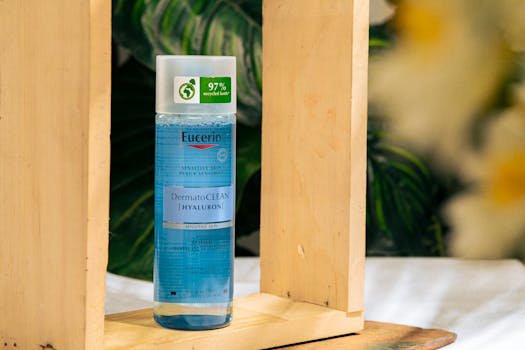
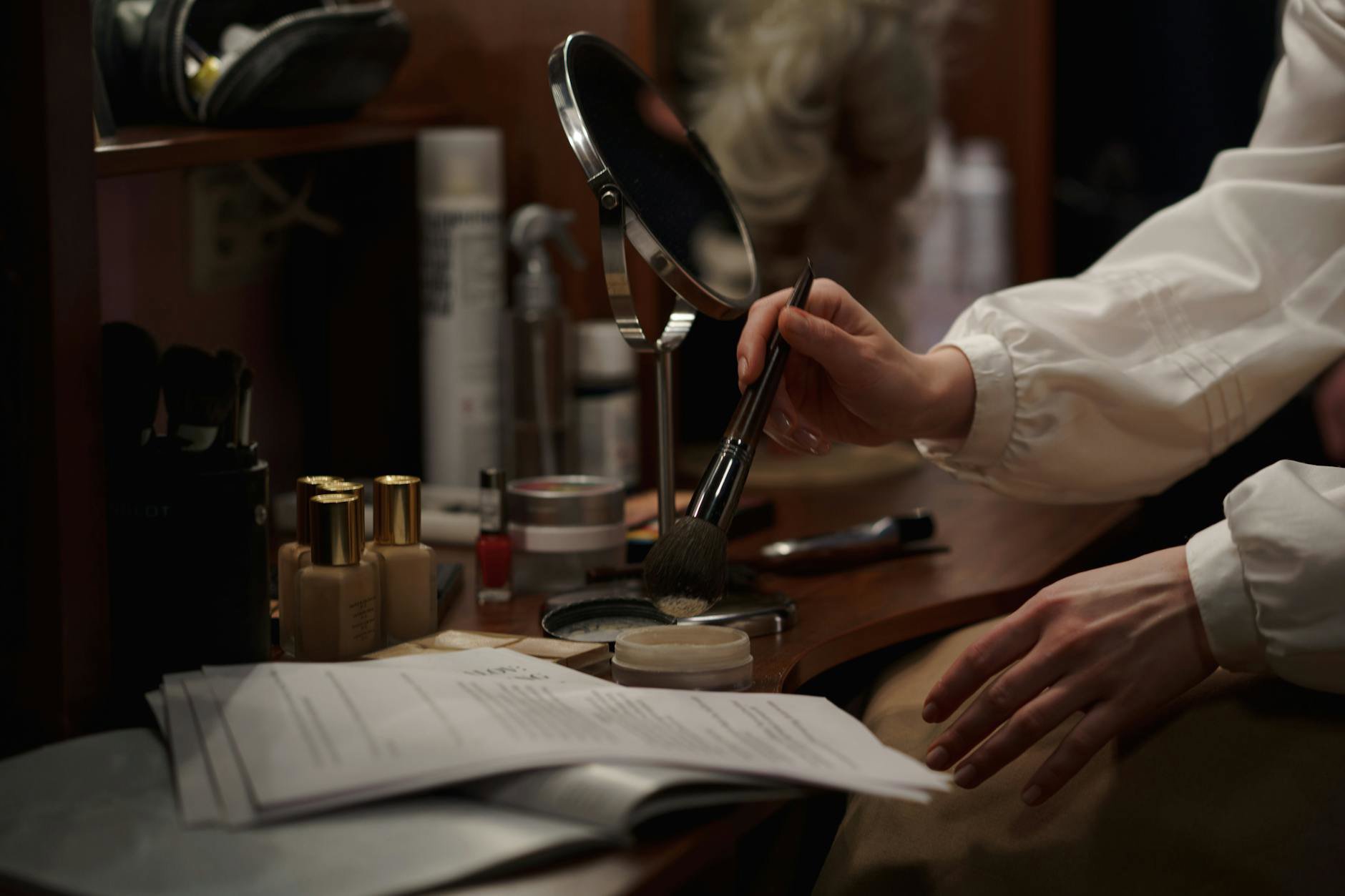
Our inbox keeps pinging with the same question: why are so many viral beauty hacks turning “terrifying” in Australia? The answer shows up every summer on our feeds. Tricks that look harmless in London or LA shift from quirky to risky under an Aussie UV index that often sits in the extreme range.
We see the searches spike when temperature rises. Sunscreen contouring. Mixing SPF into foundation. Face taping. Soap brows with actual soap. Brow lamination at home. The ideas promise shortcuts. They also set up a tug‑of‑war between trends and sun safety, long wear and skin barrier health. We rate good technique. We skip anything that trades skin for clicks.
This guide strips the hysteria from the headlines. We pulled the hacks apart, matched them to local conditions, and added product picks that behave in heat and humidity. We tracked what sells out at Mecca, Sephora Australia, Priceline, Chemist Warehouse, Adore Beauty and MYER, and where price gaps open. Then we organised safer ways to try the looks without trashing your barrier or your SPF.
Context: viral hacks meet Australia’s climate and rules
Two facts drive our view. First, Australia’s UV levels hit extreme for long stretches each year. The UV index in many regions sits at 11+ in summer. That pushes incidental exposure into the danger zone during a coffee run, not just at the beach. Second, sunscreen in Australia sits under the TGA. Labels carry “broad‑spectrum” only if they pass UVA protection tests, and the top claim reads SPF50+. Water resistance claims link to timed testing, not vibes.
Skin cancer risk here is not theoretical. Public health data estimates two in three Australians will receive a skin cancer diagnosis by age 70. That frames every heat‑season hack. A contour trick that leaves stripes of unprotected skin might trend on TikTok. It risks burns and pigment changes in Brisbane by brunch.
Our retail trackers saw SPF formats broaden between 2022 and 2025. Sticks, body gels, setting sprays and cushion compacts all landed. Consumers chased convenience. They also met formulas that behave badly if you store them in a hot car. Most sunscreens advise storage below 30°C. Many makeup bags will exceed that on a January afternoon. We rate heat‑stable picks and smart reapplication tools that don’t break makeup.
Price also shapes choices. The “Australia tax” shows in prestige categories more than mass. We often spot the same global hero foundation with a visible premium at one retailer and a sharper sticker elsewhere. Check our product pages before you buy. Add it to your GlamGeek wishlist and we’ll ping you when the price drops.
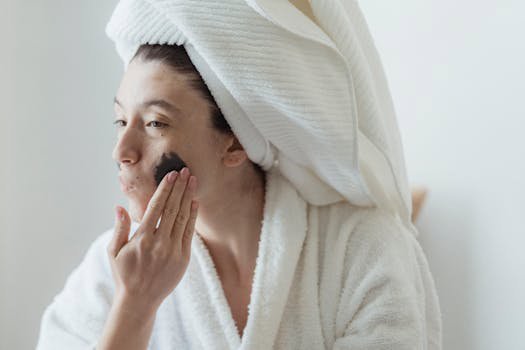
{{IMAGE:Australian woman applying sunscreen on face}}The “terrifying” trend decoded: UV‑risk hacks in Aussie feeds
“Terrifying” doesn’t mean clown makeup. It means hacks that gamble with protection, barrier health, or the integrity of your base in heat. Three stand out this season:
- Sunscreen contouring, sunscreen mapping, or SPF freckling. The idea: apply SPF only to highlights and let the sun “contour” the rest.
- Mixing sunscreen into foundation or relying on SPF mists as the only protection layer.
- Barrier‑compromising prep: aggressive exfoliation, retinoid stacking, or slugging under makeup in 35°C heat.
Under strong UV, these shortcuts don’t just miss the mark. They can cause sharp lines of burn, melasma flares, and visible texture. Then the internet sells a patch-up routine. More acids. More coverage. More occlusives. That loop leads to irritation, shine creep and pilling when the day warms up.
We rate technique over tricks. You can get sculpt, lift and glow without inviting sun damage or makeup meltdown. It needs three pillars: a full, even SPF Protection Products layer; heat‑aware prep; and long‑wear textures that flex with sweat. The sections below show how.
Sunscreen contouring and SPF mapping: why dermatologists groan
Sunscreen contouring looks clever in a 10‑second clip. You stripe SPF on the bridge of the nose, cheekbones and chin, and skip the hollows. Sun does the rest. In Australia, that approach invites a burn. You create high‑contrast edges of protected and unprotected skin. Burns often track to the lateral cheeks and jaw, and that pattern can stick as patchy hyperpigmentation.
We also see “freckle hacks” that spot‑apply tiny dots of SPF to keep pale freckles while the rest tans. That’s not harmless. Any tan equals skin damage. Melanin rises to protect the nucleus of skin cells from UV injury. Those freckles change under cumulative exposure. Pigment management gets harder with each summer.
Try a safer route:
- Apply a full, even SPF50+ layer to the entire face, ears and neck. Use the “two‑finger rule” for face, then blend onto ears and down the neck. Let it set for at least five minutes.
- Build depth with makeup, not sun. Choose long‑wear cream bronzer or a powder with a satin finish. Brands like MAC and Charlotte Tilbury earn their fanbases because the tones look like real skin in daylight.
- If you want faux freckles, use a dedicated pen and set with a mist. Don’t ask UV to do it.
We see strong stock‑outs on broad‑spectrum sticks and gels in peak months across Priceline and Chemist Warehouse. They travel better and feel light. Check our SPF category page to compare textures and see which retailers have them right now. Add favourites to your GlamGeek wishlist so you catch restocks and price dips.
Mixing, misting and makeup with SPF: doing it right in 35°C heat
We keep seeing two myths: you can mix sunscreen into foundation and keep the label’s SPF, or you can rely on an SPF setting spray as your only protection. Both create risk. Underdosing any SPF lowers the protection. Mixing thins the film and drags pigment through the filters. A mist might land unevenly, especially in wind or over textured skin.
Do this instead:
- Apply a standalone SPF50+ as your last skincare step. Let it set. That film needs time to form.
- Use a gripping primer over sunscreen to anchor base in heat. Check Face Primers with water‑resistant polymers. These bridge skincare and makeup without breaking SPF.
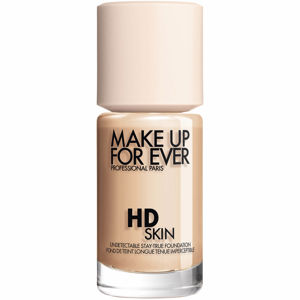
- Choose transfer‑resistant foundation formulas that stay put when humidity rises. We see repeat buys across Estée Lauder Double Wear, Lancôme Teint Idole Ultra Wear, Shiseido Synchro Skin Self‑Refreshing and L’Oréal Infallible. Compare them in our Liquid Foundations category.
- Reapply SPF without wrecking base. Use a clear stick on the high planes, or a dedicated SPF powder on the T‑zone. Mists work as a top‑up, not as your only layer.
Foundation shades often carry the biggest “Australia tax” in prestige lines. Our price pages flag meaningful gaps between Sephora Australia, MYER and Adore Beauty for the same shade. It’s worth a check before you restock. Tap “Add to wishlist” and we’ll alert you when a shade you love drops in price.
Slugging, glazing and sweat‑proof base routines for the tropics
Slugging blew up for a reason. Occlusives lock water in. They also create a sauna under makeup in hot weather. That raises sweat, moves pigment and triggers clogged pores. We see an uptick in “makeup pilling” threads every summer. The common culprit: heavy balm, then rich sunscreen, then long‑wear base. The layers never set.
Switch technique, not glow:
- Use a light gel‑cream moisturiser that binds water without greasiness. Hyaluronic acid, glycerin and panthenol pull weight here. Then apply SPF50+ and let it sit.
- Prime smart. Silicone‑leaning primers fill texture and help film‑formers grip. Water‑based gripping primers hold onto pigment without heaviness. Match primer to your base texture.
- Spot‑slug at night instead of full‑face slugging by day. Seal dry patches only. That protects barrier without flooding the T‑zone.
- Choose bases designed for heat. Shiseido popularised sweat‑responsive tech in suncare. Several brands now build similar polymer systems into foundation and tints.
Spritzes create confusion. A hydrating mist adds slip. A true setting spray adds hold. Read the claims. Charlotte Tilbury Airbrush Flawless Setting Spray and MAC Fix+ Stay Over aim for longevity. They don’t replace SPF or primer. They lock the last step.
Heat storage matters. Don’t leave balms, sticks or SPF in a hot car. Labels usually advise storage below 30°C. Our team sees texture shifts when products cook in a handbag during a heatwave. If your SPF smells off or separates, bin it and replace.
{{IMAGE:woman summer makeup sweating blotting paper}}DIY brow and lash lifts, face taping and instant “snatch” tricks
Home brow lamination kits filled Aussie feeds in 2024–25. The promise: fluffy, lifted brows in minutes. The risk: alkali burns and lash adhesive near eyes in a climate that triggers sweat and stinging. We log a spike in “my eyelids burned” comments each summer. Heat and humidity amplify irritation, then makeup on top drives more sting.
Pick safer upgrades that still read lifted in daylight:
- Swap the soap brick for purpose‑made brow wax or gel. Real soap sits at a high pH and can irritate, especially with sweat. Look for flexible hold formulas from brands like Sephora Collection and Morphe.
- Use tubing mascaras for a clean lift that resists smudge in humidity. Our Mascaras category helps compare brush shapes and claims across retailers.
- Try face tape only for a short event. Adhesives and sun don’t blend. Pull tape before bed. Cleanse and apply a bland moisturiser to calm the area.
- Fake a brow lift with pencil and highlight. Draw hair‑like strokes, then tap a satin highlight under the arch. No chemicals, no sting.
We spot broad price spreads on brow gels and mascaras. Priceline and Chemist Warehouse often run promotions, while Mecca and Sephora bundle minis. Add your picks to a GlamGeek wishlist if you’re waiting for a discount. We track price moves and flag drops so you don’t refresh all day.
Exfoliation, retinoids and peels: safe schedules for long UV days
Harsh peels feel productive. They also sensitise skin. We see the “terrifying” part when a heavy at‑home peel runs into midday sun the next day. Redness, stinging, then more makeup to hide it. The loop continues. In an Australian summer, gentle and timed wins.
Build a routine that respects UV exposure:
- Keep strong exfoliants and retinoids for night. Alternate nights if you’re new. Save barrier on beach or pool days.
- Use lower‑irritation acids for texture: mandelic or polyhydroxy acids handle humidity well. Browse options in Face Exfoliants.
- Patch test potent products. Apply a pea‑sized amount to the jawline for a few nights first.
- Seal with a light Night Face Moisturiser. Avoid heavy balm unless your barrier feels rough or patchy.
During the day, keep serums simple. Vitamin C can help with pigment control, but it can tingle on sensitised skin. If your base pills, strip back the active steps. A hydrating Day Face Serum, then SPF, then primer, then base. Four steps hold better in heat than eight.
Retail note: acids and retinoids show big value swings between Adore Beauty and MYER during promotion cycles. Check our category pages, then use the wishlist tool to catch the drop you want.
Fake tan, freckles and bronzer illusions without the sun
Self‑tan trends keep circling back to “freckle naturally” or “contour with the sun.” Skip both. You can score warmth, shape and those scatter‑freckle moments with pigment and a steady hand. No UVA required.
Makeup routes we rate for heat:
- Cream bronzer under a light base. Tap along the hairline and under cheekbones. Press your foundation or skin tint on top. This “under‑paint” looks real and lasts. Try long‑wear formulas from Charlotte Tilbury, MAC and L’Oréal.
- Pencil freckles after setting. Draw a few sizes, tap with a fingertip, then mist with a true setting spray. Don’t crowd them. Sparse reads chic.
- Strategic highlight. A satin, not sparkly, highlight on the top of cheeks, nose bridge and brow bone gives dimension that beats any tan line.
Mind the base. Heat swells pores during the day. Heavy powders can clump on top of sweat. Use thin layers. Carry blotting papers. Touch up with a pressed powder around the nose and chin, not full‑face. A light sweep restores polish without caking.
We see bronzers and pressed powders move fast when a shade goes viral on TikTok. That also triggers the “Australia tax” on prestige. Compare cross‑retailer availability on GlamGeek before you chase a single store restock.
Reapplication, water, sweat and the midday salvage plan
The piece everyone skips: reapplication. Sunscreen breaks down with time, sweat and rub. If you spend lunch in the sun or hit the pool, you need a top‑up. That’s where most makeup routines fall apart. The good news: you can salvage it with the right tools.
What we pack for a summer day:
- Clear SPF stick for the high planes. It glides over makeup without streaks. Reapply on cheekbones, nose and forehead. Press, don’t drag.
- SPF powder for T‑zone. It mattifies and adds some protection. Use a firm brush and press it in. Don’t whirl it around or you’ll move base.
- Setting spray in a fine mist. Use it after powder. It melts layers together so the finish looks like skin, not chalk.
- Concealer for targeted refresh. A dot under eyes and around the nose beats a full new layer. Check long‑wear picks in Liquid & Cream Concealers.
Salt and chlorine complicate things. They lift product and dry skin. After a swim, pat dry, reapply SPF to bare skin, then spot‑rebuild coverage with concealer and powder. Don’t smear old layers around. Keep it minimal and focused.
Our feed shows SPF sticks and powders swinging in and out of stock at big box and specialty stores. Use GlamGeek to track which merchant has them today. Add both to your wishlist to catch a promo before the weekend.
Store, layer and time: a heat‑savvy routine that just works
We rate routines that bend to heat and UV, not ones that fight them. Here’s a simple build that holds up to school runs, office days and Saturday markets in January:
- Morning: cleanse lightly if you need it. Hydrating serum. Light gel‑cream. Broad‑spectrum SPF50+. Wait five to ten minutes.
- Grip: apply a primer that matches your base. Silicone for smoothing, water‑based for grip.
- Base: long‑wear foundation or tint where you need it. Use a small brush or sponge. Keep layers thin.
- Shape: cream bronzer or contour, then set the centre of the face with pressed powder.
- Lift: brow gel or wax, tubing mascara, and a satin highlight.
- Lock: a true setting spray. Pack SPF stick, blotting papers and a pressed powder for the day.
Night steps depend on exposure. If you spent time in the sun, skip strong actives. Use a bland cleanser and a barrier‑friendly night cream. Slot retinoids and acids on lower UV days. Consistency beats force.
We keep an eye on price swings for primers and long‑wear foundations. Our comparison pages often show a prestige base lower at MYER during points events, then sharper at Sephora Australia on capsule deals. Tap “Compare Prices” on any base you want and let us watch the swings for you.
What this means: how to use viral hacks without regret
Viral beauty thrives on speed. Australia’s climate punishes shortcuts. You don’t need to reject the trends. You need to anchor them in even SPF, heat‑aware layering, and products built for sweat. That’s how you avoid the “terrifying” outcomes we keep seeing on feeds: stripy burns, pilled base, raw eyelids and angry pigment.
Your cheat sheet stays simple. Don’t contour with the sun. Don’t thin your sunscreen. Don’t laminate or perm when the forecast hits sticky and hot. Use film‑forming primers and long‑wear bases from brands that know sweat. Reapply SPF with sticks and powders. And keep acids for nights with less exposure. If a hack gambles against UV or barrier health, we’d skip it.
Our last nudge is financial. Prestige long‑wear and setting products hold value but carry premiums. Mass options perform well now. We often spot meaningful price gaps between Mecca, Sephora Australia, Priceline, Chemist Warehouse, Adore Beauty and MYER. Check GlamGeek before you buy. Add favourites to your wishlist and we’ll notify you when the price dips.
Where we go from here
We plan to keep tracking what trends hit Aussie feeds each summer and how they play out in heat and high UV. We will update our brand pages — from Shiseido to Estée Lauder and Charlotte Tilbury — with fresh price checks and stock status across local retailers. We’ll also continue to expand our categories, so you can compare Face Primers, Liquid Foundations and SPF Protection Products at a glance.
Which viral hack worries you most right now, and which one actually worked for your routine in our heat? Tell us. We’ll put the smartest, safest ideas to the test against the data and share the winners in our next update.
![Lumene Nordic-C [Valo] Glow Cream Spf30](https://media.glamgeek.com/media/2026/02/06/c0cef909-16ab-49f9-865e-278e63871493_sm.jpg)