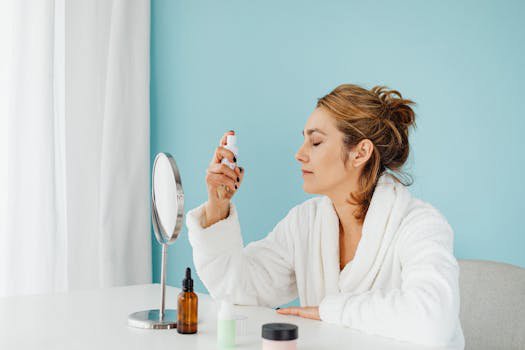
Australia’s most interesting beauty shift in 2026 isn’t a new “it” ingredient. It’s a backlash.
Headlines keep pointing to the same mood: overcomplicated routines are out, “skin longevity” is in, and textures like “jelly” are everywhere. We agree with the direction, but not the fluff. If your routine needs a spreadsheet, it usually needs editing.
For Australian skin, barrier-first isn’t a trend. It’s basic risk management in high UV, hot summers, and air-conditioned everything.
The real trend: fewer steps, better skin outcomes
When women’s media calls out “overcomplicated routines”, it reflects what we see in shopping behaviour too: fewer impulse add-ons, more repeat buys in core categories. Across our merchant feeds over the past year, the products that hold attention tend to sit in three buckets—gentle cleansing, barrier-support moisturising, and high-protection SPF.
That doesn’t mean actives are dead. It means actives need a job description. If you can’t answer “what problem does this solve?” and “how often can I use it without irritation?”, the product becomes routine clutter.
Barrier-first also fixes a common Australian pattern: women chase glow with exfoliants, then fight the fallout with heavier creams, then blame “humidity” or “dry air” when makeup slides. A stable barrier makes everything easier—hydration holds, redness calms, and base makeup stops behaving like it has a mind of its own.
We’d sum up 2026’s smartest routine reset in one line: protect in the morning, repair at night, and treat only as much as your skin can comfortably handle.
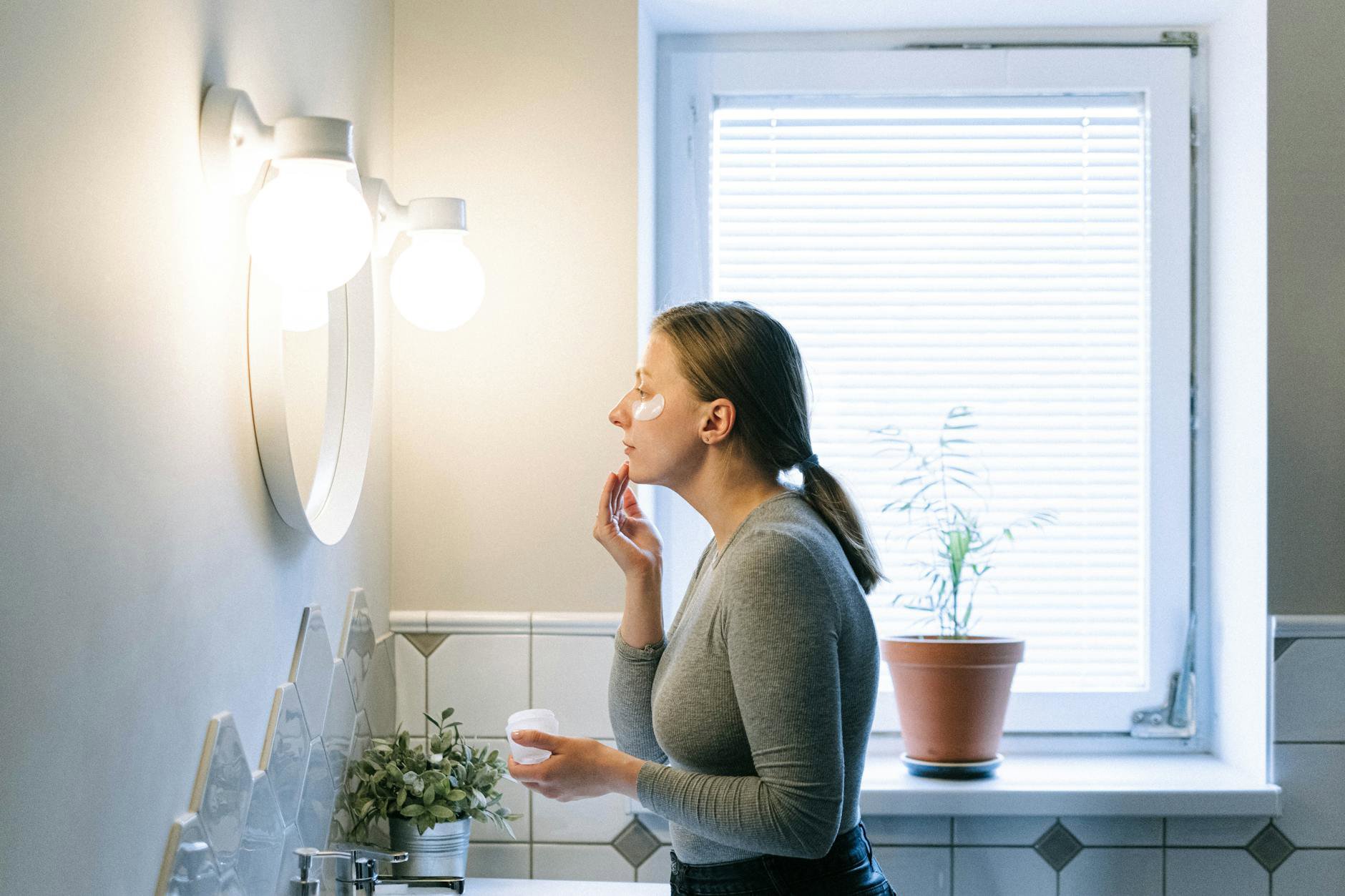
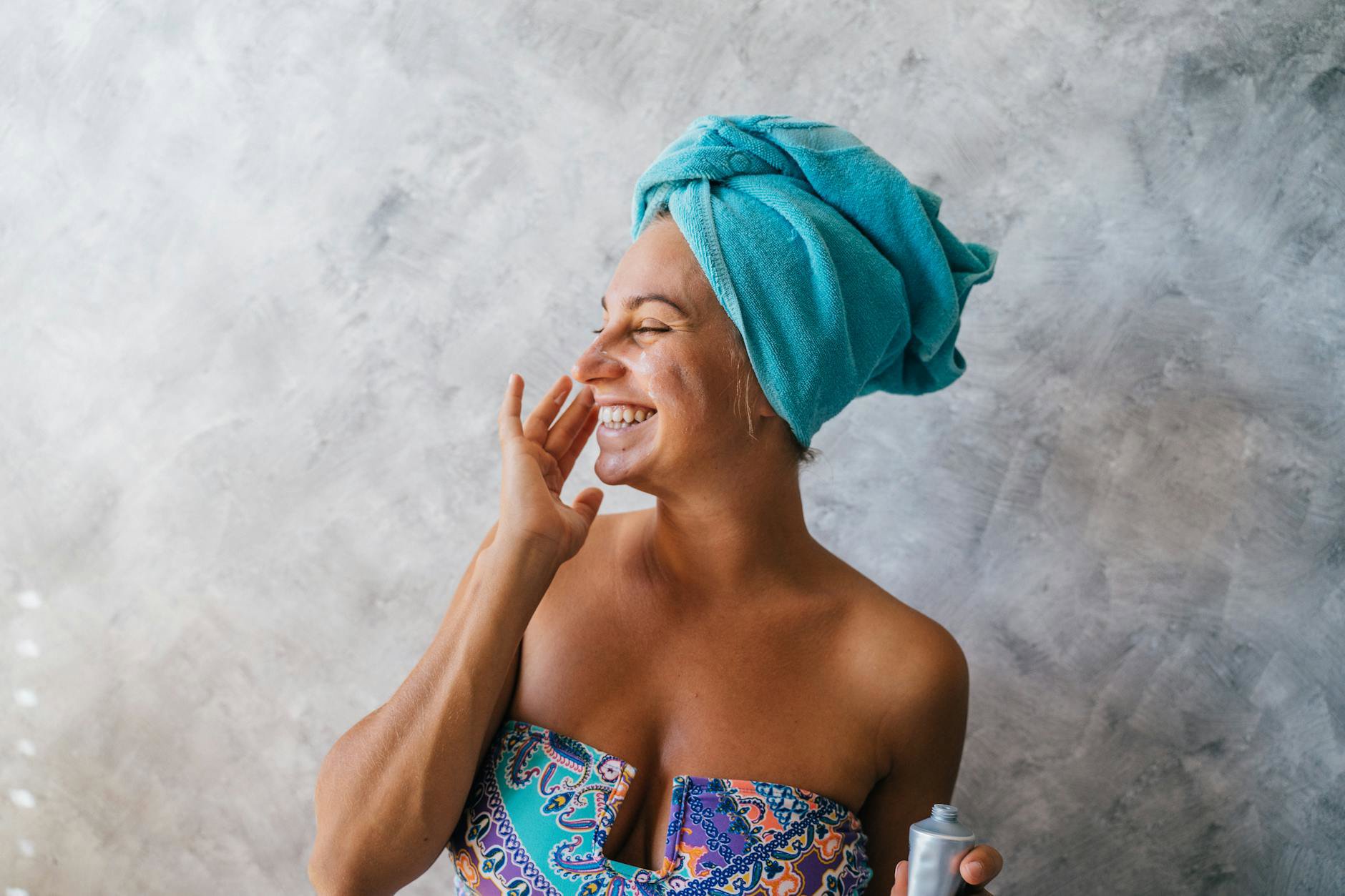
Barrier science, minus the marketing: what you’re actually rebuilding
Your skin barrier lives in the outer layer (the stratum corneum). Think “bricks and mortar”: skin cells act as bricks; lipids act as mortar. When the mortar thins, water escapes and irritants get in. That’s when you see stinging, flaking, sudden breakouts, and makeup that pills for no reason.
What helps? Not “clean” as a vibe—specific components that support the barrier’s structure:
- Ceramides (key lipids that reduce water loss)
- Cholesterol + fatty acids (often paired with ceramides for a more complete lipid blend)
- Humectants like glycerin (pull water into the top layers)
- Soothers like panthenol and allantoin (help reduce irritation signals)
What tends to break the barrier? In Australia, it’s a predictable mix: daily exfoliating acids, strong foaming cleansers, fragranced leave-on products, and under-using SPF (or using it only “when it’s sunny”).
One more practical point: barrier damage often looks like “oiliness”. When water loss rises, skin can overproduce oil to compensate. So the fix for shiny skin can be more moisturising, not less—just in lighter textures.
Morning routine for Australian UV: the SPF rules that matter
Skin longevity starts with UV discipline. Australia’s year-round UV means “weekday SPF” and “beach SPF” can’t sit in different mental categories. The goal stays the same: enough product, applied evenly, and reapplied when exposure continues.
We prefer women build a morning routine that makes SPF the easiest step, not the most annoying one. A simple structure works:
- Cleanse lightly (or just rinse if you’re dry/sensitive)
- Hydrate with a thin serum if needed (see our Day Face Serums edits for texture-first picks)
- Moisturise only if your SPF isn’t moisturising enough (browse Day Face Moisturisers by finish)
- SPF 50+ as your final skincare layer
Makeup compatibility matters in heat. If your base breaks up by lunchtime, treat SPF like a primer layer: let it set for a few minutes before foundation. Then keep complexion products thin. In humid areas (hello, Queensland summers), heavy layers trap sweat and separate faster.
Reapplication remains the hard part. For women who wear makeup daily, keep a dedicated reapply product in your bag. Sticks and mists can work, but technique matters. We’ve detailed options in our SPF Protection Products hub, including formats that don’t turn your base into a patchy mess.
Our sceptical take: if a brand sells “skin longevity” but downplays SPF, skip it. UV protection does more for long-term tone and texture than most expensive serums.
The “jelly” trend done right: hydration without the slip
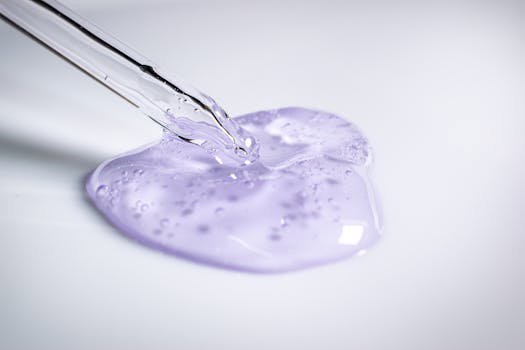
Jelly skincare and “bloom skin” headlines make it sound like a single look. In practice, it’s a texture strategy: high-water gels that feel weightless, layer well, and suit heat. Australia’s climate makes that genuinely useful—if you pick the right supporting layers.
Jelly products usually rely on humectants (glycerin, hyaluronic acid, betaine) plus film-formers for bounce. The upside: they can reduce that tight, dehydrated feeling without the heaviness of richer creams. The downside: humectants need a seal. If you apply a jelly gel and stop there, dry indoor air can still pull water out of skin.
So the “jelly but make it functional” method looks like this:
- Damp skin (not dripping) after cleansing
- Jelly/gel hydrator for water-binding
- Light moisturiser or lotion to seal (especially in southern states with drier indoor heating/cooling)
- SPF in the morning, or a simple occlusive layer at night if you’re dry
For makeup days, jelly textures can replace heavy primers. If you still want grip, choose a primer that matches your base formula. Our Face Primers section lets you compare finishes without guessing.
Women with very oily skin often fear “hydrating” textures. We’d still keep a jelly layer, but go thinner and prioritise a sweat-resistant SPF. Dehydration can push oil production up, not down.
Clean labels vs clean results: how to shop without paying the Australia tax
Premium beauty and “clean labels” keep showing up in market coverage, and Australian retailers have leaned in hard. The problem: “clean” rarely tells you whether a product works, whether it suits sensitive skin, or whether it just costs more.
Here’s how we’d shop clean-ish, without buying into vague claims:
- Shop by function, not ideology: barrier cream, gentle cleanser, SPF, treatment.
- Scan for fragrance in leave-on if you react easily. Fragrance isn’t “bad”, but it raises irritation risk for many women.
- Don’t fear safe preservatives. Products without adequate preservation can irritate skin too, especially in warm bathrooms.
- Choose texture for climate: gels and fluids for humidity; creams and balms for dry air.
Australia tax shows up most in trend-led categories: “clean” face oils, niche mists, and prestige “skin longevity” serums. If you love a premium brand, shop smart: watch for value sets, limited-time bundles, and reputable local stockists rather than grey import listings.
If you want to browse without getting funnelled into one retailer’s curation, start with category edits like Anti Ageing Face Serums and filter by texture and concern. Then compare where it’s stocked—Mecca exclusives behave differently on price than multi-stockist brands at Priceline, Sephora Australia, Adore Beauty, or MYER.
We also see women saving money by spending less on serums and more on reliable SPF and a boring moisturiser. That split usually delivers better skin.
A practical “skin longevity” schedule (that won’t fry your face)
Longevity skincare sounds like you need five actives. You don’t. For most women, a weekly schedule beats a maximalist daily stack.
We like a simple rotation that respects recovery days. Here’s a template you can adapt:
- Night 1: Retinoid (if you use one) + moisturiser
- Night 2: Barrier night (no actives) + richer moisturiser
- Night 3: Exfoliant (AHA or BHA, not both) + moisturiser
- Night 4: Barrier night again
- Repeat, adjusting based on redness or dryness
If you’re new to retinoids, treat them like training. Start once a week, then build. If you already use one and still feel stingy or tight, don’t “push through”. Pull back and rebuild barrier first.
For pigmentation (a big Australian concern thanks to UV), vitamin C in the morning can help, but only if your skin tolerates it. If it irritates you, don’t force it—consistent SPF and a calmer routine often improve uneven tone more than a serum you dread using.
For acne, keep one targeted active and keep everything else gentle. A stripped barrier can worsen breakouts, which leads to more stripping. That loop wastes months.
Makeup that respects the barrier: base techniques for heat and humidity
Makeup trends cycle fast, but Australia’s conditions stay stubborn: sweat, sunscreen layers, and sudden dehydration from air con. Barrier-first makeup starts with prep that doesn’t create friction.
Technique matters more than buying a new foundation. We’d prioritise:
- Pat, don’t rub skincare and SPF to reduce pilling
- Wait time: give SPF a few minutes to set before base
- Thin layers: one sheer foundation layer beats two medium layers in humidity
- Targeted powder only where you crease or shine
For coverage, we see better outcomes when women use concealer strategically rather than piling on foundation. Browse liquid options in Liquid & Cream Concealers and match undertone carefully. Undertone mismatch often gets mistaken for “oxidation”.
Blush trends like “aura” and “dewy dumplings” look great in photos, but they can slide on top of sunscreen. The fix: place cream blush first, then lightly set, then add a touch more cream on top. That sandwich effect holds longer in humidity.
For eyes, heat plus watery eyes can destroy mascara. If you struggle with smudging, choose tubing or long-wear formulas and keep the rest of the eye area simple. Our Mascaras list makes it easier to compare claims like “tubing” vs “waterproof” without relying on hype.
Local and Kiwi brands: what’s worth watching (and how to buy smart)
Vogue Australia and Retail Beauty both highlight a broader shift: local and nearby brands attract more attention, and women want brands that feel less generic than global giants. That can be great for shade ranges, undertone nuance, and climate-suitable textures.
Kiwi labels like Aleph sit in that “premium, minimalist” lane, while Australian indie brands keep expanding in SPF, tinted bases, and skin-friendly makeup. The opportunity for shoppers: these brands often design for Australasian conditions, not just Northern Hemisphere seasons.
The caution: smaller brands can mean fewer discounts and tighter distribution. Some ranges sit at Mecca or Sephora Australia with limited price movement. Others sell direct with occasional promos. If you’re experimenting, start with one anchor product, not a full routine overhaul.
We also recommend checking tools before you blame formulas. A soft sponge or dense brush can change how a base sits over SPF. If your makeup looks textured, don’t immediately buy a new foundation—test a different application method first. Our Makeup Brushes & Applicators section helps you compare shapes and densities by use case.
And yes: “support local” feels good. But outcomes matter. If a local moisturiser stings or a “clean” foundation clings to dry patches, you don’t owe it loyalty.
What this means for your 2026 beauty budget
Barrier-first routines usually cost less over time, because they cut the churn. You stop panic-buying soothing masks after you over-exfoliate. You stop rotating through primers because your base keeps separating. You stop “fixing” dehydration with more mattifying powder.
The spending priorities look boring, but they work in Australia: buy the best SPF you’ll wear daily, keep one moisturiser that never irritates you, and choose treatments slowly. If you want to indulge, do it in categories where you feel the difference—like a base product that matches your undertone, or a lipstick you genuinely wear. (We keep a running edit of Lipsticks by finish when you feel like a mood upgrade.)
Most importantly: don’t let trend headlines bully you into stacking. Jelly textures can help. Clean labels can help. But the routine that wins in Australia stays consistent in January and July.
Sign-off: what are you editing out first?
If you had to delete two steps from your current routine to make it barrier-first, what would they be—and what skin issue are you hoping improves first (redness, breakouts, dehydration, pigment, or makeup wear)?
Tell us what you’re working with, and we’ll point you to the categories and product types most likely to move the needle without adding chaos.
![Lumene Nordic-C [Valo] Glow Cream Spf30](https://media.glamgeek.com/media/2026/02/06/c0cef909-16ab-49f9-865e-278e63871493_sm.jpg)