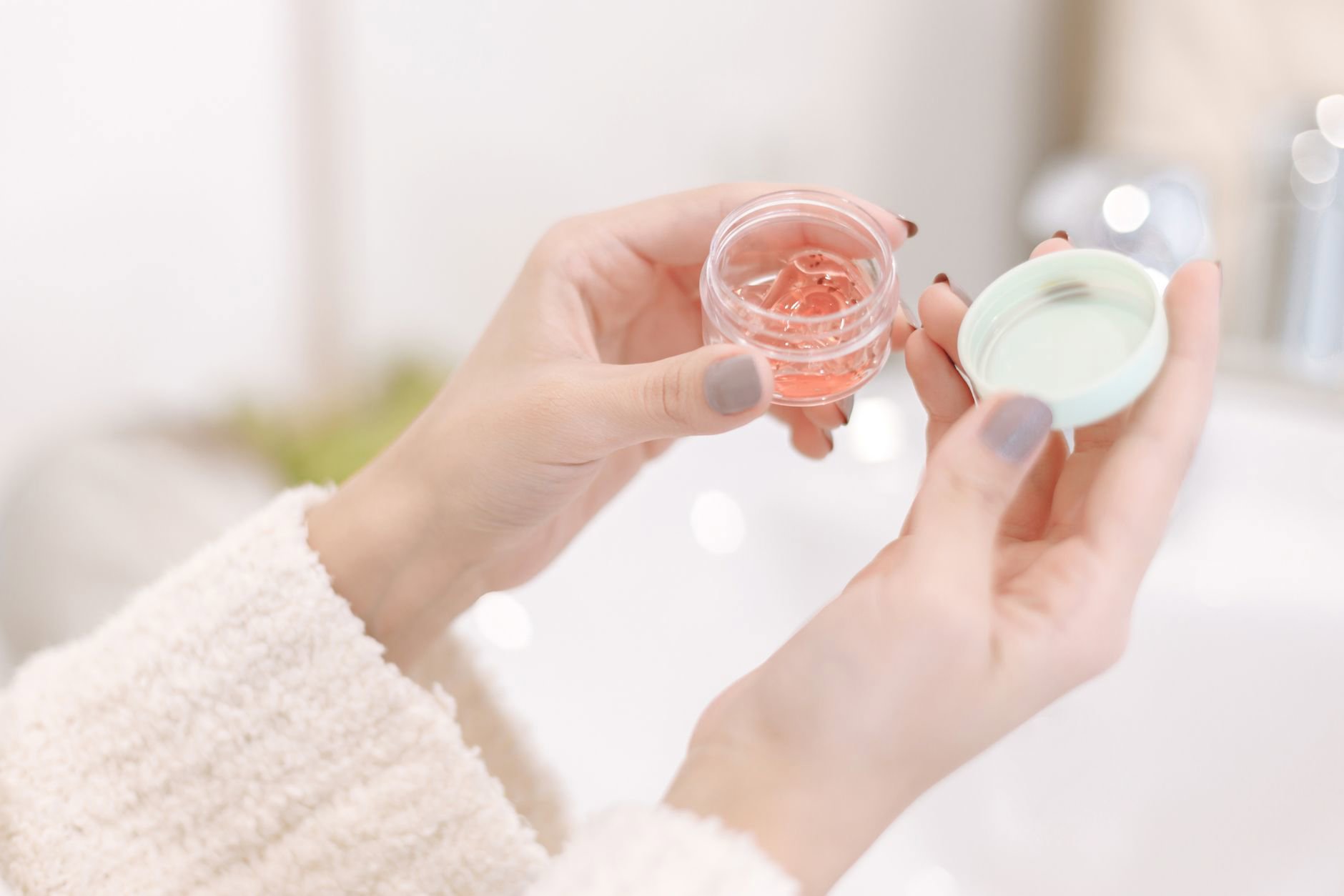
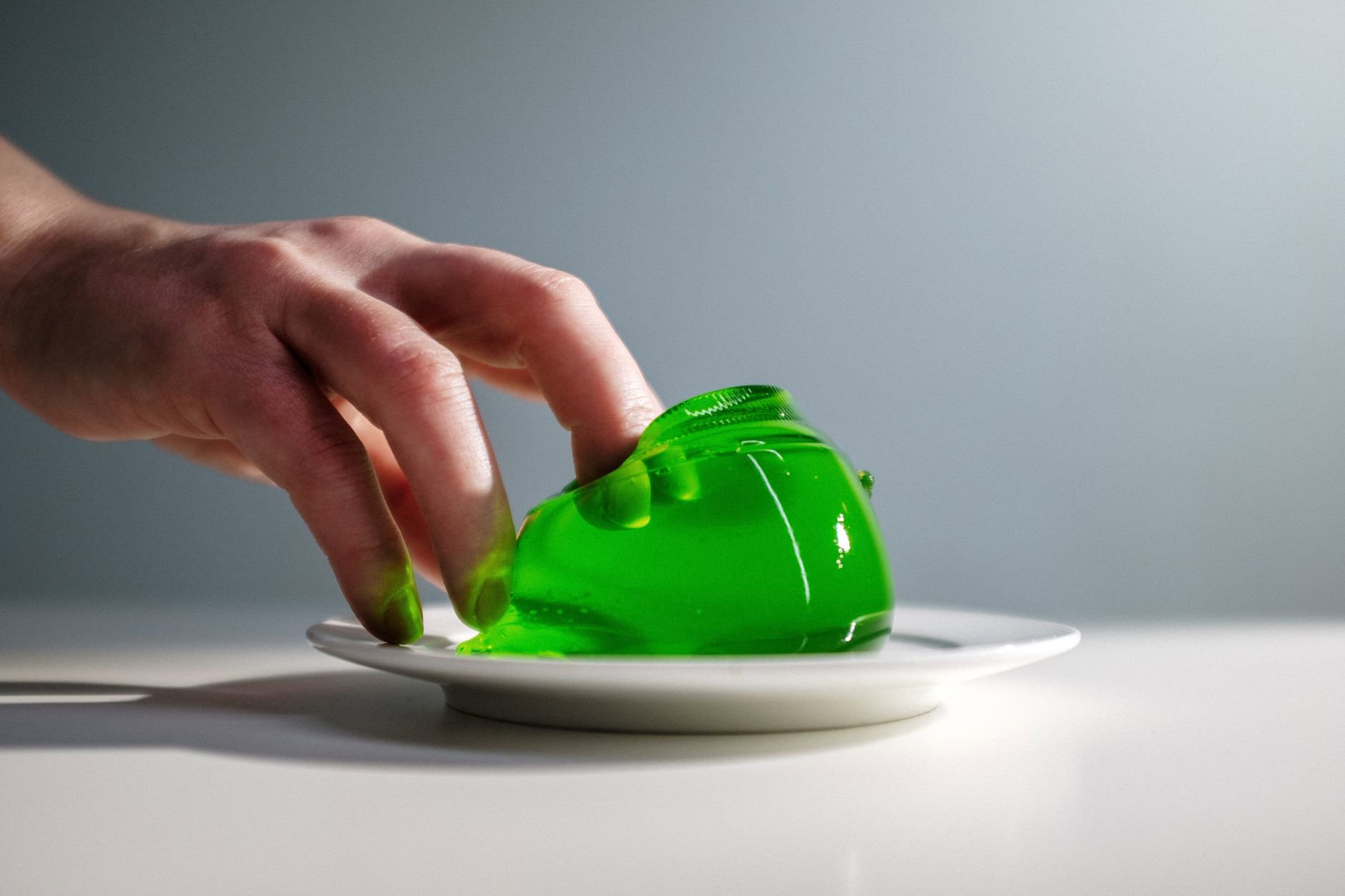
Jelly skincare has a marketing problem: it looks like a toy, it feels like a dessert, and it often gets sold as a shortcut to “bouncy” skin.
But the trend only works when you treat “jelly” as a texture, not a promise. Across Australian retailers, we keep seeing gel-jelly formulas positioned as do-it-all hydration. In our view, they’re more like a climate tool: useful in heat, humidity, and layered sunscreen days, and less impressive when you need serious barrier repair.
Here’s the practical guide: what jelly skincare actually is, which ingredients make it perform, how to slot it into a routine in Australia, and the common mistakes that turn a cute texture into pilling, shine, or congestion.
What “jelly skincare” actually means (and what it doesn’t)
“Jelly” doesn’t describe one ingredient. It describes a gel network that holds water, humectants, and actives in a bouncy texture. Brands build that texture with gelling agents and polymers (think carbomer, acrylates, xanthan gum, cellulose gums), then pair them with hydrators like glycerin, hyaluronic acid, betaine, panthenol, and sometimes soothing extras such as allantoin or centella.
That’s why jelly products can feel cooling and non-greasy. They spread fast, dry down quickly, and sit well under SPF Protection Products in sticky weather. Women in humid parts of Australia often tell us they want hydration without the “film” that richer creams can leave. Jelly textures aim straight at that.
What jelly skincare does not automatically mean: “clean,” “natural,” “K-beauty,” or “better for acne.” Some jelly formulas include fragrance, essential oils, or high levels of certain occlusives that can still clog or irritate. The texture can also hide a high alcohol content that gives an instant dry-down but doesn’t help long-term hydration.
We also see confusion between jelly skincare and “glass skin” styling. A glossy finish can come from emollients, illuminating makeup, or simply too much product. Jelly skincare can support a plump look, but it won’t replace consistent sunscreen, gentle cleansing, and barrier basics.
Why jelly formulas suit Australian weather (and when they don’t)
Australia’s conditions make texture matter. High UV year-round pushes many women into daily sunscreen use, and that changes how skincare needs to behave. If your moisturiser makes your SPF pill, or your toner never dries down, you’ll either use less sunscreen or skip steps. Neither wins.
Jelly textures often excel because they give a “light occlusion” effect. You get humectants that bind water plus a thin polymer film that reduces immediate evaporation. That can feel comfortable in hot summers, under makeup, and on days when you reapply SPF and don’t want thicker layers to build.
Where jelly formulas can fall short: dry, barrier-impaired skin. Humectants pull water into the top layers, but if the skin barrier has gaps, that water can evaporate fast. In dry inland climates, or in winter with heating, a jelly-only routine can leave skin tight by afternoon. In that case, think of jelly as the hydration layer, and add a more traditional moisturiser on top at night.
Another mismatch: very reactive skin. The “fun” part of the trend invites fragrances and botanical blends. If you’re sensitive, you’ll do better with straightforward, fragrance-free hydrators and fewer actives per step. Texture should feel nice, but it shouldn’t come with a rash risk.
The ingredient checklist: what to look for (and what to avoid)
If you only remember one rule, make it this: buy jelly skincare for function. The ingredient list tells you what the texture can actually do.
Green flags for hydration and comfort include glycerin (still one of the best hydrators), panthenol (pro-vitamin B5 for soothing and barrier support), beta-glucan, allantoin, and sodium hyaluronate (hyaluronic acid salt). Niacinamide can also work well in jelly textures because it plays nicely with lightweight bases and supports barrier function over time.
For oily or breakout-prone skin, a jelly cleanser or gel moisturiser that includes gentle oil-control support can help. Look for niacinamide, zinc PCA, or low-level salicylic acid in a leave-on product if you tolerate it. If you already use a strong acne active, keep the jelly step simple and use it as a buffer layer rather than another active.
Yellow flags: denatured alcohol near the top of the list (instant dry-down, possible dehydration), heavy fragrance, and “tingly” essential oils like peppermint or citrus oils. They don’t make a jelly work better; they just make it feel “fresh” for five minutes.
Polymer-heavy pilling risk matters in Australia because sunscreen and makeup sit on top. If a formula feels like it forms a tight film, it may pill when layered with certain SPFs or Face Primers. That doesn’t always show on the first application. It often appears when you reapply sunscreen, rub your face, or add makeup later.
- If you wear water-resistant sunscreen: choose a jelly layer that dries down cleanly and use less product.
- If you wear silicone-heavy primer: avoid jelly layers that already feel silicone-slick.
- If you use multiple serums: keep only one “film former” in the stack.
- If you hate shine: pick humectant-forward gels, not balm-gels with heavier emollients.
How to build a jelly-skincare routine that doesn’t pill under SPF
Most jelly-skincare fails come from layering mistakes. The routine looks simple online, then Australia’s sunscreen reality shows up and everything balls up on the cheeks.
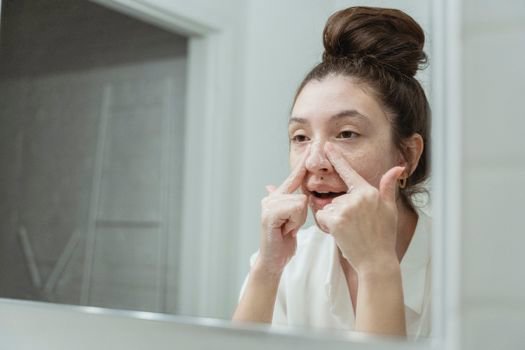
Step 1: Cleanse properly, especially at night. If you wear water-resistant sunscreen (very common here), you often need an oil cleanser or balm first, then a gentle second cleanse. Without that, jelly moisturisers can trap leftover sunscreen and sweat, which can show up as congestion along the jaw or sides of the nose. If you prefer a single cleanse, choose a thorough but non-stripping wash cleanser and take the full 60 seconds.
Step 2: Apply jelly on damp skin. Humectants work best when water sits on the skin. After cleansing, leave the face slightly damp. Then apply a small amount of jelly toner/serum/moisturiser. If you apply on fully dry skin in an air-conditioned office, you can get that “tight but shiny” paradox.
Step 3: Use less than you think. Many jelly textures invite over-application because they feel weightless. Too much product increases polymer build-up, which increases pilling with SPF. A pea-size for the whole face often beats a generous scoop.
Step 4: Give it time. Wait 60–90 seconds before sunscreen. That pause matters more than people think. It lets the gel network settle and reduces rubbing friction when you apply SPF.
Step 5: Press sunscreen in, don’t scrub. Use two-finger length as your baseline amount. Then press and smooth in sections. If you scrub, you lift the jelly layer and create little rolls. If you reapply sunscreen later, blot sweat first, then reapply with a light pressing motion.
If you need help selecting textures that sit well under makeup, it’s worth browsing our makeup tracker alongside your skincare picks. In Australia, the best routine often depends on what you put on top.
Jelly cleansers vs jelly moisturisers: pick the right category
“Jelly” shows up in multiple steps, and they don’t behave the same way. Choosing the wrong category wastes money because the texture feels fun, but the function misses.
Jelly cleansers suit women who want a gentle, low-foam wash that doesn’t leave skin squeaky. They can work well for morning cleansing or as a second cleanse at night. But don’t expect a jelly cleanser to remove heavy sunscreen by itself. Many don’t have enough oil-dissolving power, and Australia’s UV conditions push us toward tenacious SPF formulas.
Jelly toners and essences act as hydration “primers.” They can reduce that dry tightness after cleansing and help your next step spread more evenly. If you already use Anti Ageing Face Serums with actives, a simple jelly essence can be the comfort layer that stops you from overdoing exfoliants.
Jelly moisturisers work best when your skin produces some oil, you live in humidity, or you wear makeup and want a smoother base. They often suit combination skin in summer. If your skin flakes or stings, they may feel nice for ten minutes then disappoint. That’s not you “doing it wrong”; it’s the limit of a lightweight occlusive system.
Jelly masks can be useful as a quick hydration reset, especially after a day in sun and wind. Just keep expectations sensible. A mask can temporarily increase surface hydration. It can’t undo UV damage. It can’t replace daily sunscreen. It can’t repair a damaged barrier overnight.
Product picks we’d actually recommend buying in Australia
We won’t pretend every viral product lands well here. Stock can vary, prices can jump, and some launches stay import-only for months. So we focus on brands and product families that Australian women can actually shop through Mecca, Priceline, Chemist Warehouse, Adore Beauty, Sephora Australia, or MYER, plus brands with consistent local distribution.
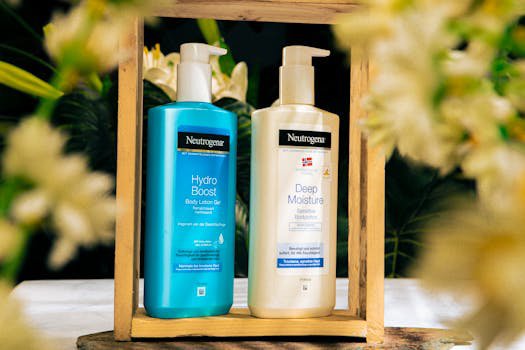
If you want a dependable jelly moisturiser texture, look at Clinique’s gel-leaning moisturisers (the Moisture Surge line often scratches the “jelly” itch) and browse Clinique listings for size options. Clinique tends to do lightweight hydration well, and it usually plays nicely under sunscreen when you use a small amount.
If you want a budget-friendly jelly direction, start with pharmacy gel moisturisers and hydrating serums rather than niche “jelly” launches. Garnier often runs accessible hydrators in gel formats, and they show up reliably at Priceline and Chemist Warehouse. We’d also check L'Oréal for gel-cream textures if you prefer a slightly richer feel without going full cream.
If you want a jelly texture that behaves under makeup, keep an eye on Sephora Collection for gel moisturisers and hydrating primers that suit hot days. That line often delivers “good enough” performance at a lower cost than prestige skincare, and it helps when you treat the step as texture support rather than an active treatment.
If you love the K-beauty influence (where a lot of jelly textures trend), you’ll usually find the better range through Adore Beauty and selected Priceline doors, plus import options online. Just avoid buying blind from marketplaces when you can’t verify batch codes or storage conditions; gel textures can separate if they sit in heat for long periods.
We also suggest checking our skin care pages before you commit to a trend buy. Our tracker often shows when a hyped item holds its price (rarely worth rushing) versus when it cycles through predictable promos.
Common jelly-skincare mistakes (and quick fixes that work)
Most “jelly didn’t work for me” stories fall into a few patterns. The fixes stay simple, but you need to be honest about what your skin actually needs.
Mistake: using jelly hydration as your only moisturiser in dry conditions. Fix: keep the jelly step, then seal it at night with a more traditional moisturiser. If you already own a richer cream, use it only on the drier zones (cheeks, temples) and keep the T-zone jelly-only.
Mistake: layering too many humectants. Hyaluronic acid serum + jelly essence + jelly moisturiser can feel plush at first, then oddly tight later. Fix: pick one main humectant step and simplify the rest. You’ll also reduce pilling under sunscreen.
Mistake: treating a jelly product like an acne treatment. Many jelly moisturisers suit oily skin, but that doesn’t mean they clear breakouts. Fix: separate goals. Use a proven acne active where needed, and keep the jelly layer soothing and light so you don’t irritate your barrier.
Mistake: chasing “bouncy skin” with shimmer and gloss. Some people confuse hydration with shine. Fix: aim for comfortable skin first. If you want glow, add it in Liquid Foundations or a targeted highlighter step, not by over-applying gel skincare.
- Pilling with SPF: apply half the jelly amount, wait longer, and press sunscreen in.
- Sticky finish: switch to a glycerin-forward gel and avoid heavy film formers.
- Stinging: cut fragrance and actives for a week and rebuild with basics.
- Congestion: double cleanse at night and don’t add facial oils on top.
- Dry by midday: add a thin cream only at night, or mist water before jelly.
- Makeup separating: choose either a skincare “slip” base or a silicone primer, not both.
Sustainable beauty and “jelly” packaging: what’s real vs vibes
Sustainability claims sit close to the jelly trend because brands love to pair “fresh” textures with “responsible” messaging. We’re sceptical by default, because sustainability in beauty rarely comes down to one claim on the carton.
Start with the basics: packaging type and refill options. A lot of jelly skincare comes in thick plastic jars that look cute on a vanity but don’t recycle well in many council systems. Pumps and simple bottles often recycle more consistently, and they protect the formula better too. Jars also increase the chance you contaminate the product with wet fingers, which can shorten useful life.
Next: formula stability in heat. Australia’s delivery chain matters. Gel products can separate or become runnier if they sit in hot warehouses or parcels. That isn’t always dangerous, but it can change performance, which leads to waste. If a brand sells “clean” formulas with minimal preservatives in a jar, we’d want a strong reason to trust its stability claims.
If you care about sustainability and budget, the best move often looks boring: buy a reliable hydrator that you finish, repurchase in a larger size, and avoid collecting half-used trend jars. It’s also where price tracking helps. When our feed shows predictable promo cycles, you can stock up once or twice a year rather than impulse-buying every “limited” launch.
What this means for your routine (and your wallet)
Jelly skincare can make your routine easier in Australian conditions, but only when you treat it as a texture choice that supports sunscreen and makeup.
Our practical takeaways: if you pill under SPF, you need fewer layers and more waiting time. If you feel dry by midday, you need a better seal at night, not a third hyaluronic product. If you break out, you need better cleansing and a separate acne plan, not a “jelly” label.
And if you’re shopping because a trend made you curious, set a rule: pick one jelly step to trial (toner or moisturiser, not both), finish it, then decide. That single change saves more money than any “dupe list” ever will.
Which jelly step are you most tempted by: cleanser, toner, moisturiser, or mask—and what’s the main problem you want it to solve (shine, dehydration, pilling, or sensitivity)?