Our price tracker flags the same pattern every summer: hydrating day creams sell out faster in coastal cities, while richer balms hold stock longer inland. That lines up with what dry skin needs in Australia — humidity and heat push you toward lighter textures, but desert-dry air and air-con demand real nourishment.
The other trend we see in the data: more moisturisers promise SPF, blue-light defence, microbiome support, and glow in one jar. Some deliver. Some don’t. When your skin feels tight by 10am, you need ingredients and textures that work, not slogans.
Here’s a straight-up guide to picking a day moisturiser for dry skin that holds up in Australian conditions. With examples, ingredient notes, and shopping tactics that can save money — and your face — in peak UV months.
Why dry skin feels tight by noon: what’s actually happening
Dry skin lacks oil. Dehydrated skin lacks water. Many women have both. When your barrier runs short on lipids, water evaporates through the skin faster. This water loss makes skin feel tight, flaky, and dull. Makeup grips to dry patches. Fine lines look sharper.
Your day moisturiser needs to do two jobs. It must pull water into the outer layers of skin. It must also seal that water in with skin-identical lipids. That pairing keeps skin comfortable in air-conditioned offices and in dry wind.
Think about your climate zone and your routine. A gel-cream can fail in a heated office with recycled air, while a heavy occlusive can feel greasy under SPF in humid northern summers. The right product balances water-binding humectants with barrier-building fats. You’ll often spot this balance when the INCI list includes both glycerin and ceramides.
We rate moisturisers that mimic the skin’s natural barrier. Ceramides, cholesterol, and fatty acids appear in the stratum corneum in a near 3:1:1 ratio. You don’t need a perfect lab ratio in a jar, but the presence of these three tells you the formula respects the barrier. If your skin feels chronically tight, favour barrier lipids first. Layer humectants underneath as needed.
The ingredients that actually help: humectants, emollients, occlusives
Start with humectants. Glycerin, hyaluronic acid, sodium PCA, and panthenol draw water into the top layers of skin. Glycerin works across humidity ranges, so it holds up in dry heat better than hyaluronic acid alone. Panthenol soothes and supports barrier recovery. Urea at low levels (2–5%) hydrates and smooths flake without acting like a peel.
Then check your emollients. These soften and fill micro-cracks. Squalane, triglycerides, shea butter, meadowfoam, and jojoba esters cushion skin without heavy waxy drag. Look for these when you wear makeup. They give slip and reduce pilling with sunscreen.
Finally, look for occlusives. They slow water loss. Dimethicone, petrolatum, lanolin, and certain waxes do this job. You don’t need a thick layer in summer. A formula with a little dimethicone or a touch of petrolatum near the end of the list can be enough to hold hydration through lunch.
Barrier helpers round out the picture. Ceramides support structure. Cholesterol improves flexibility. Fatty acids like linoleic acid help balance sebum-poor skin. Niacinamide at 2–5% helps barrier function and evens tone without sting for most. If your skin runs reactive, pick fragrance-free and colourant-free options and keep the active list short.
Where to start browsing? Shortlist from brands known for barrier-first formulas and clear INCI lists. You’ll find straightforward hydrators from Clinique and lipid-rich creams from European houses that favour ceramides. Drugstore stalwarts such as L'Oréal and Garnier also offer reliable glycerin-and-dimethicone blends that punch above their price. Add contenders to your GlamGeek wishlist and we’ll ping you when discounts hit.
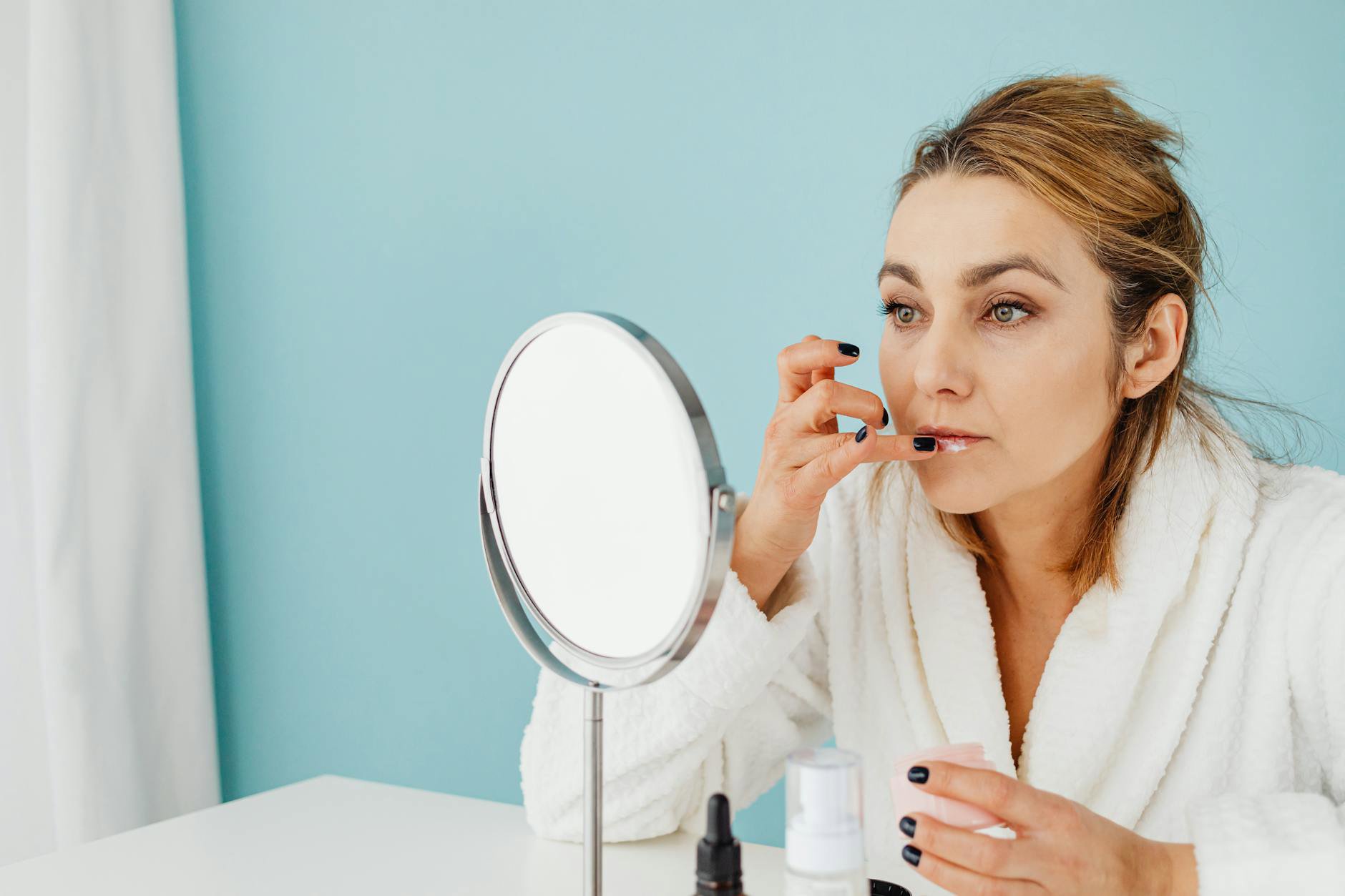
{{IMAGE:woman applying moisturiser in bright bathroom}}SPF in your day cream: smart shortcut or false security?
Australia’s UV stays high for most of the year. You need broad-spectrum SPF every day you see daylight. Some day moisturisers include SPF, and that can encourage daily use. But there’s a catch. You need a generous amount for full protection, and many women don’t apply that much of a rich cream.
If you prefer a moisturiser with SPF, choose one with UVA and UVB filters that you tolerate well. Texture matters more than marketing. A silky lotion encourages a proper amount on face and neck. If a thicker cream makes you skimp, you won’t get adequate protection.
We often recommend a two-step approach for dry skin. Use a hydrating, barrier-supporting moisturiser first, then apply a dedicated sunscreen. This layering lets you optimise comfort and protection. It also avoids relying on SPF in a jar that you apply too sparingly. It matters in harsh midday sun.
Prefer a one-and-done? Pick a high-SPF moisturiser that states broad-spectrum coverage and sits well on your skin. Check filters if you run sensitive. Some mineral filters can feel drying. Some chemical filters can sting. Patch test at the jawline. If you wear makeup, ensure your foundation doesn’t pill when layered. Explore our curated SPF Protection Products if you split steps. Dry skin thrives when you separate hydration from UV defence in summer heat.
Texture and format: choose for your climate, not the label
Texture drives compliance. If a cream feels heavy, you’ll apply less. If a gel-cream vanishes too fast, you’ll feel tight by 11am. In a dry, air-conditioned office, a cream-to-balm with ceramides and squalane hits the sweet spot. In humid coastal summers, a water-cream with glycerin and dimethicone may keep you comfortable without shine.
Jars vs pumps. Pumps keep formulas stable and encourage measured use. Jars invite overuse but make rich textures easier to scoop. Neither is “wrong”. For a hot commute, a pump lotion under sunscreen feels sane. For winter mornings in the south, a jarred rich cream improves comfort under makeup.
Australian conditions test heat stability. Some emulsions thin out or separate in cars or bags. Favour brands that formulate for warm climates. Japanese and Australian-made sunscreens and moisturisers often hold up better on sweaty days. You’ll find glossy gel-creams from houses like Shiseido that suit humid mornings, and richer European-style creams that suit heaters and wind.
Under makeup, slip matters. Silicones like dimethicone create glide and reduce pilling with SPF and foundation. If your base pills, reduce the amount, change the order, or switch texture. As a rule, apply thinnest to thickest. Allow a minute between layers. If you prime, keep your moisturiser light and your primer targeted. We see strong wear with light lotion + sunscreen + a targeted smoothing layer where pores show, rather than heavy cream everywhere.
{{IMAGE:skincare products on vanity with sunlight}}Dry but sensitive? How to avoid flare-ups while staying moisturised
Dryness often pairs with sensitivity. Fragrance, essential oils, and dye can sting on compromised skin. Skip them when your barrier needs repair. Fewer actives mean fewer variables. If a label reads like a serum buffet, save it for night.
Look for moisturisers with short, functional INCI lists. Ceramides, cholesterol, glycerin, squalane, panthenol, and dimethicone tend to play well with reactive skin. Niacinamide soothes, but some women flush at higher percentages. If you feel tingling, try a lower level or switch products.
A little lactic acid can help if flakiness blocks absorption. We mean low, moisturiser-level amounts, not a peel. If your skin reacts to acids, keep exfoliation separate and gentle. Limit acids to night and buffer with a bland cream. You can explore gentle options under Face Exfoliants and use them sparingly.
Patch testing helps. Apply a pea-sized amount along the jawline for three mornings before committing. Watch for heat, itch, or redness. If you react, shift to fragrance-free basics and rebuild your barrier. Brands with dermatology roots, and lines from Clarins or Clinique, often label sensitive-skin options clearly. Add them to your GlamGeek wishlist so you can jump when Chemist Warehouse or Priceline run promotions.
Layering that works in Australia: morning routine for dry skin
Start with a quick cleanse if you wake oily or wear heavy night care. Otherwise, rinse with lukewarm water. Over-cleansing strips lipids. If you cleanse, pick a low-foam gel or milk with gentle surfactants. Scan our Foam & Wash Cleansers and favour ones that mention “mild” surfactants on the label.
Apply a hydrating serum on damp skin. Glycerin and hyaluronic acid serums boost water content fast. Seal it with your day cream while the skin still feels slightly damp. This sandwich — humectant, then emollient/occlusive — keeps hydration in longer in dry air. If you want a glow boost, choose a serum with panthenol or a low-niacinamide percentage to avoid tingle.
Use a nickel-sized amount of moisturiser for face and neck. Women often under-apply. Press, don’t rub, if you tend to pill. Give it 60 seconds. Then apply broad-spectrum sunscreen generously. Reapply if you get sun or sweat. If you wear makeup, wait another minute before base.
Makeup tip for dry skin: avoid stacking too many silicone-heavy layers. A light lotion moisturiser, then sunscreen, then a hydrating primer on high-movement zones often beats a thick cream all over. Explore textures in Face Primers that target grip or blur without chalkiness. Hydrating foundations sit better over a balanced base; try medium coverage with skincare actives from prestige houses like Estée Lauder or glow-leaning formulas from Charlotte Tilbury. If you prefer flexible bases, browse our Liquid Foundations for dewy finishes built for drier skin.
Seasonal switches: how to tweak your moisturiser as weather changes
Australia throws four climates at one face across the year. Adjust your texture rather than rebuilding your whole routine. In humid months, switch to a gel-cream with strong humectants and a touch of dimethicone. In dry months, bring in a cream with ceramides and cholesterol. Keep your serum consistent if it works.
Traveling north for holidays? Heat and humidity reduce the need for heavy occlusives. Take a lighter day cream that plays well under sunscreen. Heading to the mountains or moving between indoor heat and cold wind? Step up to a richer cream and consider a soft balm layer over cheekbones during windy days.
We also see better outcomes when women split hydration from SPF in summer. Heat and sweat reduce tolerance for thick layers. Apply a light, lipid-balanced moisturiser, then sunscreen that you like reapplying. In cooler seasons, a moisturiser with SPF can feel comfortable and help with compliance.
Night complements day. Use a richer formula at night to top up lipids and reduce morning tightness. Keep strong actives like retinoids separate if your skin runs sensitive. You can shop targeted replenishing creams in Night Face Moisturisers and balance the pair for your climate and schedule.
Budget, luxury, and the Australia tax: where to spend and save
We track prices across Mecca, Priceline, Chemist Warehouse, Adore Beauty, Sephora Australia, and MYER. Moisturisers swing in and out of promo frequently. Prestige brands discount less often but bundle in sets. Drugstore and mid-market moisturisers see sharper markdowns during catalogue cycles and seasonal events.
Where to spend? If your skin needs barrier repair, invest in a moisturiser with ceramides, cholesterol, and stable emollients that your skin tolerates. Texture and stability also matter in heat. Well-formulated creams from premium lines can justify the spend when you wear them every day without irritation.
Where to save? Humectants like glycerin work across price points. Many budget creams combine glycerin with dimethicone and triglycerides and feel great under sunscreen. You’ll find solid options under mass brands like Garnier and L'Oréal. Compare side by side on GlamGeek. Add contenders to your wishlist and get alerts when Chemist Warehouse runs deeper discounts than Priceline or when Adore Beauty ships bonus sizes.
The Australia tax shows up most on imported luxury lines. Before you pay full RRP, check our comparison and consider sets. Brands like Clinique and heritage houses often offer value kits where the moisturiser plus travel minis beat the standalone jar. We see this pattern near Mother’s Day and Christmas. Watch for exclusive sizes at department stores. Sometimes the larger size carries a better unit price than duty free.
Real-world picks by skin concern: how to build your shortlist
For very dry, tight skin that flakes: shortlist creams with ceramides, cholesterol, shea or squalane, and a touch of petrolatum or dimethicone. Keep fragrance out. Add a glycerin serum underneath. Brands with dermatologist-led ranges suit this profile well. Luxury European creams can also help if you want a richer feel under makeup.
For dry but acne-prone skin: pick lightweight creams with squalane, glycerin, and niacinamide. Avoid heavy butters and coconut oil high on the list. A gel-cream with barrier lipids plus niacinamide can balance dryness and reduce congestion. Check how it layers under sunscreen and foundation to prevent excess occlusion.
For dry and sensitive, rosacea-prone skin: select fragrance-free formulas with panthenol, glycerin, and ceramides. Skip acids in your day cream. Use gentle exfoliation at night only if you tolerate it. Look for calming textures that reduce flush. Houses like Clarins and clinic-focused ranges can offer “calm” or “redness” labelled lines worth sampling.
For dry and mature skin: look for lipid-rich textures with ceramides, cholesterol, and peptides for comfort. Add niacinamide for tone and support. Keep daytime actives gentle. If you enjoy a luminous finish under makeup, explore creams from Charlotte Tilbury that focus on glow, then backstop with a hydrating sunscreen for protection and slip.
How to shop smarter with GlamGeek
Build a shortlist with our filters. Start in Day Face Moisturisers. Filter by skin type, fragrance-free, and texture. Add anything promising to your wishlist. We’ll notify you when stock returns or when the price drops at Mecca, MYER, Adore Beauty, Sephora Australia, Priceline, or Chemist Warehouse.
Read ingredients and reviews together. Our pages pull user feedback and brand claims into one view. Cross-check the first ten ingredients with your needs. Look for glycerin, squalane, ceramides, cholesterol, and dimethicone for daytime comfort. If a product leans heavy on botanicals and perfume, save it for night or skip it if your skin runs reactive.
Consider size and packaging. Jars can look generous but weigh heavy in a handbag. Pumps often deliver less waste. Check photos and ml sizes on listing pages. We track minis, travel sizes, and value sets. Many prestige creams drop in price-per-ml when you buy the value size or a kit. If you’re sampling, search for travel sizes first.
Pair smartly. Browse Day Face Serums for humectant layers and add a sunscreen you like from SPF Protection Products. If you want nighttime repair, park a richer option in Night Face Moisturisers. The right pair reduces the need for midday fixes.
What this means for your morning
Skip the guesswork. For dry skin in Australia, pick a day cream that pairs humectants with barrier lipids and includes a light occlusive. Choose a texture you enjoy in your climate. Split hydration from SPF if you skimp product to avoid shine. Patch test if your skin runs sensitive and avoid fragrance in daytime when your barrier feels compromised.
Shop with your environment and schedule in mind. Use our price comparison to choose a product you’ll apply generously. Waitlists help when popular sizes sell out at one retailer while sitting at another. Build a routine that fits your weather, then stick with it long enough to see comfort improve. Dry skin responds best to consistency.
Ready to build your shortlist?
Search our curated picks in Day Face Moisturisers, filter for dry skin, and add your favourites to a wishlist. What’s your climate challenge right now — humid heat, cold wind, or office air-con? Tell us, and we’ll help you narrow the textures and ingredients that make your mornings easier.
![Lumene Nordic-C [Valo] Glow Cream Spf30](https://media.glamgeek.com/media/2026/02/06/c0cef909-16ab-49f9-865e-278e63871493_sm.jpg)
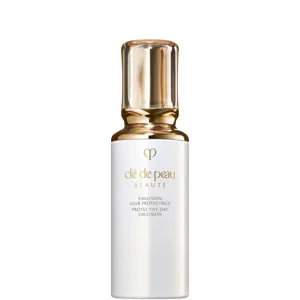
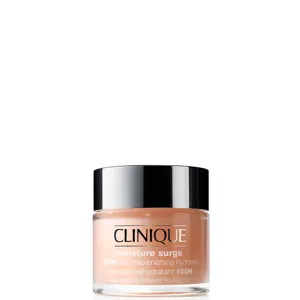
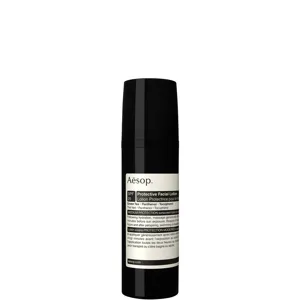
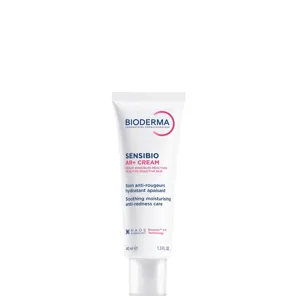
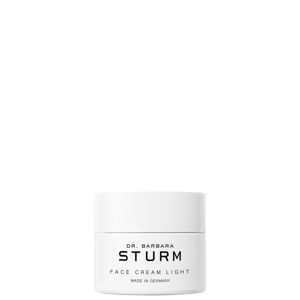
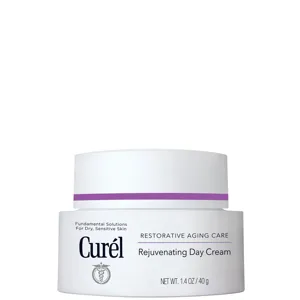
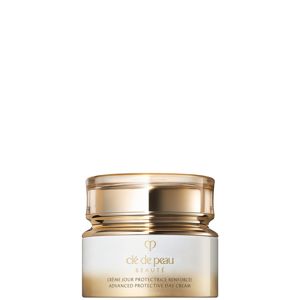
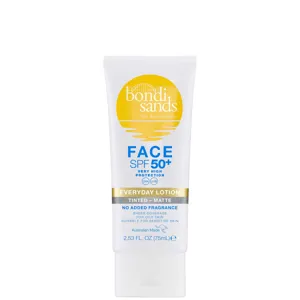
![Lumene Nordic Hydra [Lähde] Intense Hydration Moisturizer](https://media.glamgeek.com/media/2026/02/06/1a03b766-93b1-4255-8230-dfe1149ca6e7_sm.jpg)
![Lumene Nordic Hydra [Lähde] Water Gel](https://media.glamgeek.com/media/2026/02/06/df7d3a74-1aa8-408b-86d4-99b556ae91cb_sm.jpg)