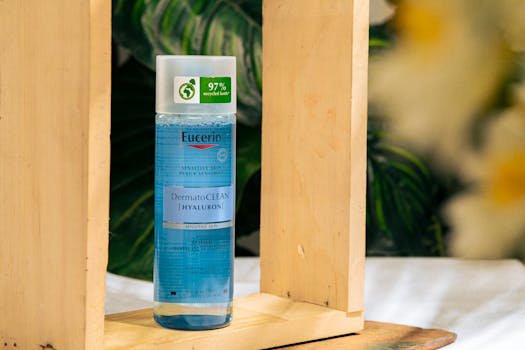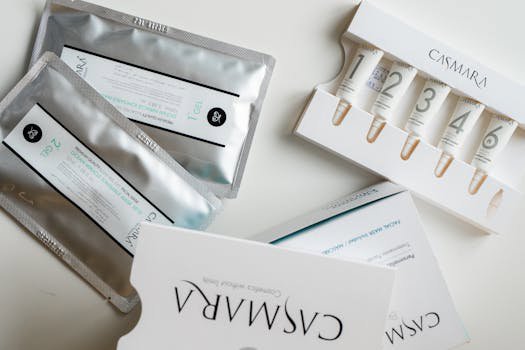
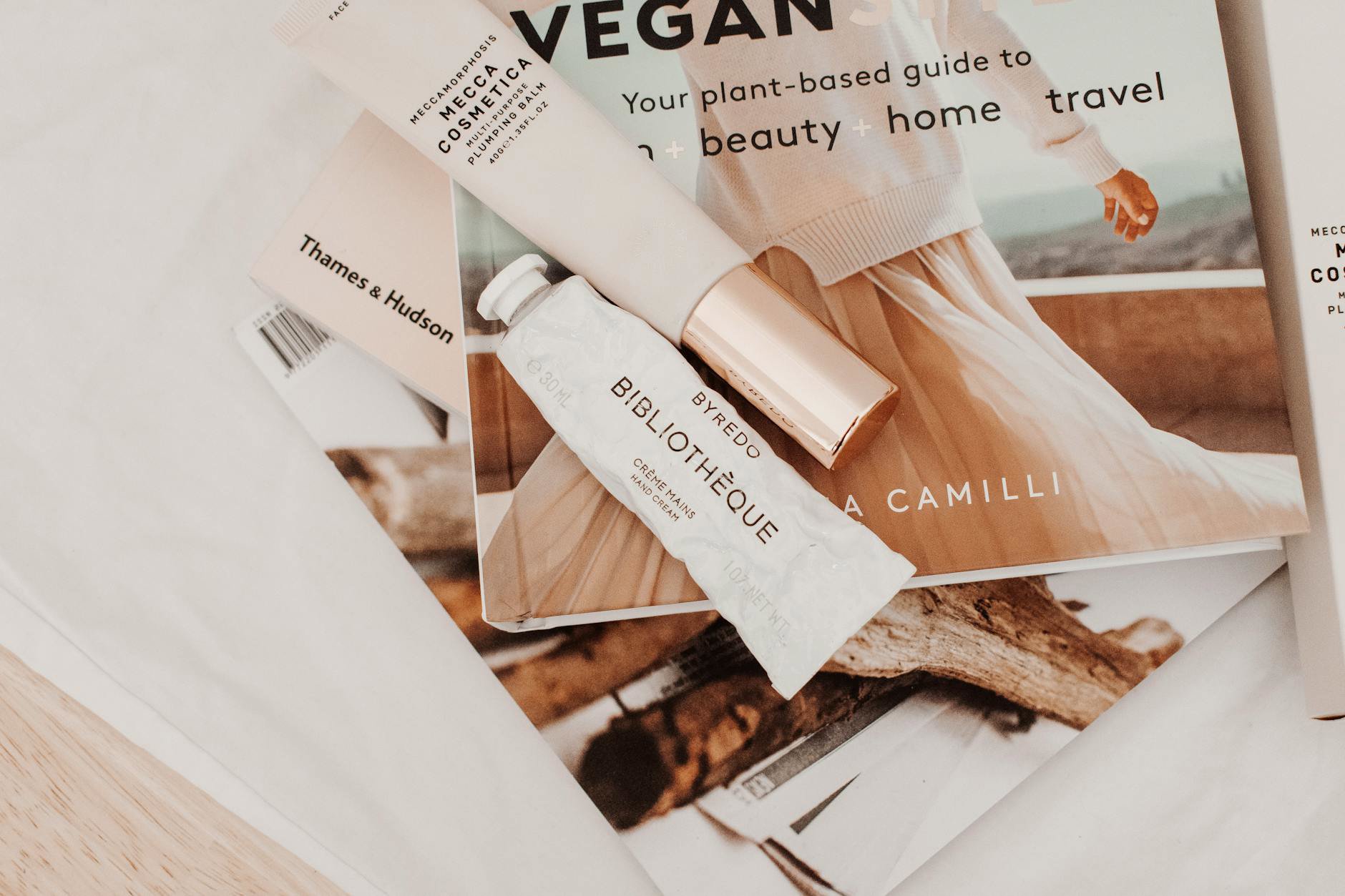
Vegan beauty isn’t niche anymore. Our price tracker shows a steady rise in vegan-tagged launches across Australian retailers since 2022, with a sharper uptick each quarter of 2025. That growth has heat, but also hype. Labels look cleaner, claims sound greener, and baskets get pricier when brands add an ethics halo.
Here’s the honest part. Vegan does not guarantee better. It signals something specific: no animal-derived ingredients. That can pair with excellent performance, or it can mask a weak formula. The winners in 2026 combine vegan sourcing with techy textures, heat-stable actives, and fair prices. The rest lean on buzzwords.
We’ve tracked thousands of products across Mecca, Priceline, Chemist Warehouse, Adore Beauty, Sephora Australia and MYER for more than a decade. Some vegan swaps outperform their traditional counterparts; some don’t. This guide cuts through the claims and points to what’s worth buying in Australia right now, and how to avoid overpaying for a green sticker.
Australia’s vegan-beauty moment, in context
Australian shoppers moved fast on cruelty-free and vegan cues after 2020. That year, Australia restricted the use of new animal-test data for cosmetic ingredients under national regulation. It did not turn every product vegan, but it nudged the market. Brands shifted language. Retailers built vegan filters. Our feed saw more badges, more leaf icons, and many reformulations.
The shift also timed with better lab tech. Plant-derived squalane replaced shark squalene years ago. Fermentation pushed hyaluronic acid and lactic acid production without animal inputs. Synthetic pigments replaced carmine in many lines. These upgrades let brands go vegan without tanking texture or wear time. They also let mass brands compete with prestige on feel and finish.
Prices changed too. We see a soft premium on vegan-labelled SKUs compared with non-vegan counterparts in similar categories. It varies by retailer and brand. Discounts close the gap during sale events. Expect bigger swings in colour cosmetics and haircare, and smaller shifts in SPF and treatment serums where regulation and R&D drive cost.
Stocking also matters. Some buzzy vegan imports reach Australia through global sites before local distribution locks in. When that happens, Australians pay more after currency conversion, GST, and freight. We flag it below when local shelves solve that price creep, or where waiting pays off.
{{IMAGE:vegan beauty skincare flatlay australian brands}}Vegan vs cruelty-free vs “clean”: read the label, not the marketing
Let’s sort the terms. Vegan means no animal-derived ingredients. Cruelty-free means no animal testing at the brand level under a defined standard. “Clean” is a vague marketing term that changes by retailer. In 2026, Australian shoppers see all three on the same box. Only one is a clear ingredient claim.
Certifications help, but the logos differ. The Vegan Society sunflower certifies ingredient sourcing. PETA and Leaping Bunny address animal testing under their frameworks. Some older bunny marks from Australian groups still appear on legacy packaging. They signal intent but do not guarantee a formula is vegan by itself. Check both claims.
We rate brands that make it easy. Clear vegan flags on each product page. Ingredient lists that name the animal-free alternative (like candelilla wax instead of beeswax). Searchable filters at checkout. Retailers do this well today, but tags can slip during relaunches. If you shop a new shade or limited edition, re-check the label. It saves a return.
Keep one more filter in your head. Performance still rules. A vegan mascara that smudges in 30 minutes is a bad buy. The best picks match or beat legacy formulas on wear, comfort, and removal. That’s where the wins are this year.
Ingredients that make or break a vegan claim
Vegan beauty rests on the INCI list. A few red flags signal animal sourcing. Look out for these, then learn the swaps that keep performance intact:
- Beeswax, honey, propolis, royal jelly. Common in balms and mascaras. Vegan swaps: candelilla wax, carnauba wax, rice bran wax.
- Lanolin and lanolin alcohol. Used in lip balms and creams. Vegan swaps: shea butter, hydrogenated vegetable oils, synthetic esters.
- Carmine (CI 75470). A red pigment from insects. Vegan swaps: synthetic reds, mineral blends, and newer bio-identical pigments.
- Silk, pearl, and marine collagen. Found in skincare and powders. Vegan swaps: hydrolysed plant proteins, peptides, vegan collagen analogues.
- Keratin. Common in haircare. Vegan swaps: wheat or soy amino acids, bond-building polymers.
Some actives cause confusion. Most retinol and retinoids on shelves come from chemical synthesis, not animals. Hyaluronic acid is almost always produced by bacterial fermentation. Ceramides are lab-made. Squalane today is largely sugarcane-derived. Glycerin can come from plants or animals; many brands note plant origin now. If a label stays vague, check the brand FAQ or ask customer service.
Fragrance muddies the water. “Parfum” can include musks and fixatives. Modern musks are synthetic. Natural animal musks are off the table for ethical and legal reasons. Still, brands differ in how they source aroma compounds and fixatives. If you want a vegan perfume, look for an explicit vegan claim on the fragrance itself, not just the house.
Bonus check: brushes and tools. Many premium brush sets still use animal hair. Synthetic fibres match or beat natural hair in 2026. They also handle cream and liquid textures better, which suits modern bases. If you need a top-up, shop vegan fibres in Makeup Brushes & Applicators.
SPF is non-negotiable: picking a vegan sunscreen for Australian heat
Australia demands daily SPF. High UV, long summers, and outdoor habits make that clear. A vegan sunscreen should tick three boxes: TGA-listed, photostable, and pleasant enough to wear every day. If it feels greasy or pills under makeup, it will sit in a drawer.
Chemical filters like Uvinul A Plus and Tinosorb S offer strong UVA protection and play well in light textures. Mineral-only SPF can work too, but it needs smart dispersion to avoid cast. Many newer vegan SPFs use plant waxes and esters to stabilise pigment and improve slip without beeswax. That makes a visible difference on deeper skin tones.
Look for water resistance if you sweat or swim. The label should state 40 or 80 minutes. Check for sweat-resistant claims that match your climate. Northern humidity can wreck a pretty formula by midday. Southern dry heat punishes anything too dewy. A gel-cream or fluid suits most faces under makeup. If you need a starting point, compare filters and textures in our SPF Protection Products category and add your picks to a wishlist. We’ll alert you when a price drops at your chosen retailer.
One more check for vegans: SPF sticks and balms sometimes lean on beeswax for structure. Many 2026 releases now use rice bran or candelilla wax instead. Scan the INCI to be sure.
Makeup that holds in heat and still stays vegan
Base makeup must survive sweat, SPF, and long commutes. Vegan or not, that’s a tall order. The good news: silicone elastomers and film-formers that drive long wear are lab-made. You can get a flawless vegan base that doesn’t slide off by noon.
Start with a thin primer if you need grip. Avoid heavy mattifiers that cake in dry heat. Modern gel primers use flexible polymers that stay comfortable. Explore options in Face Primers and focus on wear claims over buzzwords.
For foundation, look for volatile solvents that set fast and airy pigments that blur. Many vegan bases deliver full coverage without waxes or animal binders. Shade range matters more than label colour-coding. Test undertones under daylight. Compare textures and wear claims in Liquid Foundations, and keep an eye on our price graph. We see strong discount cycles on select lines at Priceline and Chemist Warehouse, while Mecca and Sephora reserve value for kits and seasonal sets.
Mascaras spark the biggest vegan debate because beeswax has dominated for decades. 2026 solved much of it. Tubing mascaras use polymers that form smudge-resistant films and remove with warm water. Many skip animal wax entirely. If you want classic volume, look for blends with candelilla and carnauba plus lightweight fibres. Check our Mascaras category and filter by vegan where available. Add a couple to your wishlist and wait for a promo; our alerts catch frequent double-digit markdowns.
Skincare: where vegan swaps often beat the originals
Skincare went vegan quietly and well. Most gold-standard actives came from labs to begin with. That freed up texture work and let brands push comfort in heat without animal inputs.
Look for ceramide complexes, cholesterol substitutes, and fatty acid blends in day creams. These mimic skin’s barrier and suit sun-exposed climates. Pair them with niacinamide for oil control and tone. For mornings, a light gel-cream under SPF works across seasons. Browse Day Face Moisturisers, and watch for value sizes; litre-for-litre pricing can drop sharply on jumbo pumps.
Serums do the heavy lifting. Vitamin C derivatives like sodium ascorbyl phosphate and ethyl ascorbic acid hold better in heat than L-ascorbic in many routines. Peptides and ectoin trend for barrier comfort. Retinols and retinal are almost always vegan, and many brands now pair them with squalane from sugarcane. Compare textures and strengths in Anti Ageing Face Serums or Day Face Serums. Add a couple to your GlamGeek wishlist and we’ll ping you when they drop at Adore Beauty or MYER.
Patch-test retinoids and acids regardless of labels. Vegan does not mean gentler. pH, solvent choice, and buffer systems drive feel. Check reviews, scan our ingredient tags, and match the active to your tolerance.
Haircare without animal inputs: frizz control that actually works
Haircare used to rely on keratin claims and collagen buzz. 2026 formulas talk bond repair and cuticle smoothing instead. That shift suits vegan shoppers. Bond-builders use lab-made acids and polymers. Plant-derived oils handle slip and shine. You lose nothing on performance when a shampoo skips animal proteins.
For humid zones, look for lightweight silicones, polyquaterniums, and amino acid blends. They control frizz without heavy waxes. Dry southern heat likes richer conditioners with shea, meadowfoam, and hemisqualane. Many vegan masks now combine cationic conditioners with starches for weightless moisture. They rinse clean and pair with heat tools without crunch.
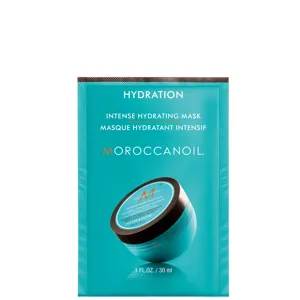
Start simple. A moisturising shampoo, a conditioner that suits your thickness, and a weekly mask. You can find strong options in Moisturising & Nourishing Shampoos, Moisturising & Nourishing Conditioners, and Hair Masks. If you want an accessible entry point, budget brands like Garnier list plenty of vegan formulas and run frequent promos at Chemist Warehouse.
Watch the claims on “protein” and “keratin” in vegan haircare. Many lines use plant proteins or amino acids. That’s fine. They help with body and elasticity. Just keep expectations in check. No topical will rebuild hair like new. The goal is smoother, stronger-feeling hair that styles faster and frizzes less.
Fragrance and bodycare: vegan options that smell and feel expensive
Vegan fragrance uses synthetic musks, woods, and ambers to build complexity. That’s not a downgrade. Most prestige houses rely on synthetics for consistency. The trick is balance and diffusion. If you want a vegan perfume, filter by “vegan” in our Eau de Parfum Perfumes category and check if the brand confirms vegan fixatives and colourants.
Bodycare is simple. Most body lotions and washes can go vegan without drama. Look for shea, cocoa, plant oils, and lab-made humectants. Skip beeswax-heavy balms if you prefer a lighter finish in heat. Our Body Lotions and Shower Gels & Body Washes filters catch vegan labels fast. Add your shortlist to a wishlist and watch for bundle offers at Adore Beauty and Sephora Australia.
Lip care needs a closer read. Many balms still rely on beeswax and lanolin. Plenty of 2026 sticks and masks now use rice bran wax, hydrogenated polyisobutene, and plant butters instead. If you want a vegan fix, shop our Lip Balms & Creams and tick the vegan filter where available.
Packaging also shifted. Sugarcane-based tubes and recycled plastics now show up at all price points. Nice to have, but judge the juice first. A luxe bottle means little if the scent vanishes in an hour.
{{IMAGE:australian woman applying vegan makeup outdoors}}Where to shop vegan in Australia without paying a premium
Most major retailers now flag vegan products online. Sephora Australia and Mecca apply “vegan” filters across makeup and skincare. Priceline and Chemist Warehouse add badges on product pages. MYER and Adore Beauty use side filters and glossary pages. That speeds research, but watch for relaunches. We see the odd miss during shade extensions.
On pricing, timing beats loyalty. Chemist Warehouse and Priceline run frequent cosmetics promos that bring vegan picks well under RRP. Adore Beauty pushes strong gift-with-purchase deals. Sephora and Mecca discount less often but build value in sets and seasonal kits. Our tracker catches these shifts. If you love a foundation or mascara, add it to your GlamGeek wishlist. We’ll alert you when it drops, and show which retailer has the best basket value at that moment.
Brand choice helps. Revolution lists wide vegan ranges and plays hard in sales. Tarte built its reputation on vegan-friendly formulas in colour and base. The Body Shop rolled out extensive vegan certification across its range, which makes one-stop basket building simple. Mass heritage brands push vegan-labelled lines too. Garnier leads on accessible price points, while prestige houses like Charlotte Tilbury tag select vegan SKUs so you can cherry-pick hero items.
Beware the Australia tax on hot imports. Some vegan darlings launch overseas first. Early buyers import, pay shipping, and then pay GST at checkout. Local launches often land cheaper by the time stock reaches Mecca, Sephora or Adore Beauty. If you can wait, wait. Use GlamGeek’s comparison to track both the import and the local when it lands. We watch stock status and flag when it flips to “in AU”.
One last practical tip: sets. Eye and lip kits often include vegan shades even when the entire line isn’t. Check the contents list. You can stock up on a vegan red in a holiday set, then refill singles when they go on promo in our Lipsticks or Eye Shadow Palettes categories.
What this means for your 2026 vegan beauty routine
Build your basket around function first. In Australia, that means SPF you’ll wear, a base that holds in heat, and skincare that supports a hard-working barrier. Vegan labels fit cleanly into that plan in 2026 because the tech caught up years ago. You no longer trade texture or wear time to avoid animal-derived inputs in most categories.
Shop with a shortlist and a wishlist. Compare ingredient lists for the few tricky items (mascara waxes, lip balms, fragrance fixatives). Add contenders to your GlamGeek wishlist and wait. Our price tracker pings you on the next retailer markdown, so you skip the ethics premium and still get the formula you want. When stock flips from import to local, we mark it. That’s your cue to buy without paying extra for freight and conversion.
If you want an easy route, start with categories that already excel in vegan form: SPF fluids, gel-cream moisturisers, tubing mascaras, and silicone-based primers. Then layer in colour that makes you happy. A vegan routine should feel modern and perform in the real world. In 2026, it can.
Tell us what you want priced next
Which vegan SPF actually disappears on your skin? Which mascara holds up in January humidity? Add your picks to a GlamGeek wishlist and tag them vegan. We’ll track prices across Australian retailers and flag the best time to buy. What should we compare next?
![Lumene Nordic-C [Valo] Glow Cream Spf30](https://media.glamgeek.com/media/2026/02/06/c0cef909-16ab-49f9-865e-278e63871493_sm.jpg)