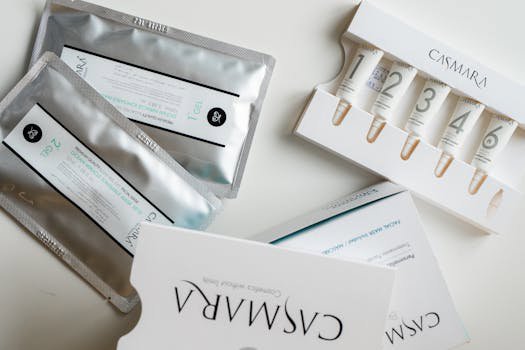

Across our price tracker, refills and solid formats now earn more clicks than they did two years ago. Shoppers are asking better questions, and brands feel the heat. Yet for all the green leaves on boxes, the part that matters often hides in the small print.
Australia adds its own twist. Products ship far, summers hit hard, and sunscreen counts as a medical product. What reads as eco on a Northern Hemisphere shelf can flop here. We look for what works now, in our climate and our retail reality.
Context: why sustainability lands differently in Australia
Distance drives emissions. Most prestige beauty ships from Europe, North Asia, or the United States. Air freight shortens waits but raises the carbon cost. Local stocking helps, but import-only launches still tempt. We flag those, because they change both footprint and price.
SPF lives under the Therapeutic Goods Administration. That adds rigour and safety. It also adds rules on packaging claims and limits rapid reformulations. For a hot, high-UV country, this is a good trade. It does mean sunscreen refills remain rare. Efficacy and contamination matter too much for casual decanting.
Soft plastics recycling remains patchy. Programs rise and pause, and kerbside varies by council. Pouches can cut plastic, but disposal options lag. A refill only counts if you can use it and handle the waste. We balance that reality when we rate packaging claims.
{{IMAGE:women using refillable beauty products outdoors}}Refills that actually work here
Not all refills save waste in practice. Pumps and droppers trap residue. Thick creams resist a clean transfer. Our pick list starts with categories that refill well, and end well.
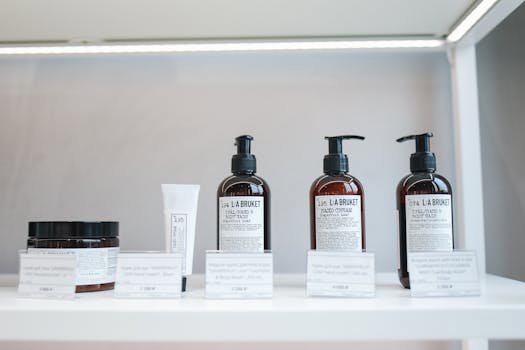
Shampoos and conditioners lead. Large pouches reduce plastic and pack light. Brands sell them widely, including salon lines. You will see refill options under hair care on brand hubs like Kérastase. Use a wide-neck bottle at home and label the date. Decant with a funnel and cap tightly to prevent contamination.
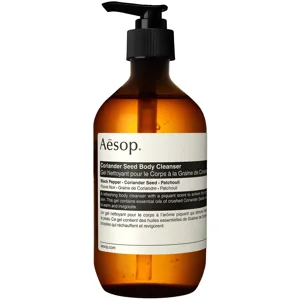
Hand wash, body wash, and liquid soap work next. You go through them fast. A refill pouch empties clean, and you avoid a new pump. Check our Shower Gels & Body Washes category and add favourites to your wishlist. We will alert you when a pouch or supersize drops in price.
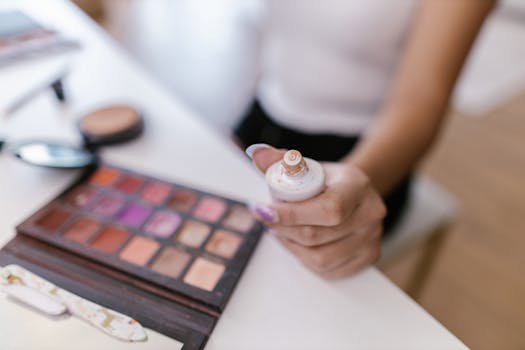
Makeup refills can be smart when the hardware lasts. Magnetic palettes, metal lipstick bullets, and twist-up compacts live for years. You can find refill systems from trend and luxury brands. See the Charlotte Tilbury and MAC brand pages for examples. Avoid refilling glass droppers or airless pumps at home. Skincare needs clean-room conditions to stay safe.
What about claims on plastic savings? Brand numbers vary. Many marketing sheets cite 60–80% less plastic than a new bottle. Treat that as direction, not gospel. Focus on categories you buy often, and formats that you can refill without mess. If it leaks, you will bin it early. That defeats the point.
Packaging claims decoded: recyclable, recycled, and the heavy glass trap
Recyclable means a material can be recycled somewhere. Recycled means it already contains recovered content. These words are not the same. Look for post-consumer recycled (PCR) content where possible. Numbers matter more than a leaf icon.
Glass feels premium. It also weighs more and breaks in transit. A heavy jar can raise freight emissions and waste space in a suitcase. We prefer lighter, mono-material plastic where you can recycle it locally. A simple HDPE bottle with a screw cap beats a glass jar with a mixed pump.
Mixed pumps cause issues. Springs and metal pins block kerbside recycling in many councils. If your bottle uses a pump, check if you can unscrew the head. Rinse the bottle, dry it, and recycle the bottle only. Bin the pump unless your council accepts it. Keep lids on bottles if guidelines in your area say so, which many do.
Refill pods inside outer jars pose another trap. A thin plastic pod can save plastic against a full glass jar. It can also add parts that your council cannot sort. Choose refills that use the same outer case for years, with a sturdy and simple inner pod. Less fuss, less waste.
When we compare options, we scan for a clear PCR percentage, mono-material parts, and light weight. That beats a slogan. You can check the brand pages on GlamGeek, like L'Oréal, for packaging notes and retailer descriptions in one place.
‘Nature positive’, vegan, and cruelty-free: which labels carry weight
Nature positive sounds good. It means nothing specific without a plan. We look for actions tied to biodiversity, water, and land use. The best brands publish targets, methods, and third-party checks. Vague tree-planting lines do not pass.
Ingredients matter. Palm derivatives appear widely. Roundtable on Sustainable Palm Oil (RSPO) certification offers different levels. Segregated beats mass balance. This label never sits on every cosmetic, but brand policy pages often state it. If a brand avoids palm, it likely replaces it with another oil. Ask how that oil performs under heat and on skin.
Vegan tells you about animal origin. Cruelty-free tells you about animal testing. Australia restricts the use of new animal test data for cosmetic ingredients. That reduces harm. Some markets still require animal testing for retail sales. Brands handle this in different ways. Look for a clear policy and third-party marks where they exist. No single global badge covers every country.
Organic and natural labels vary. COSMOS sets a known standard, and ACO certifies in Australia. These marks say how the product was made and with what. They do not prove better results for your skin. We recommend performance first, then credentials. If a product fails in heat or clogs skin, you will waste it.
Want to filter by values and price? Tap brand hubs like Garnier or Clinique on GlamGeek. Compare descriptions and claims in one view. Add contenders to your wishlist. We will ping you when a value set or refill bundle goes on offer.
Formulas that suit Australian heat, humidity, and high UV
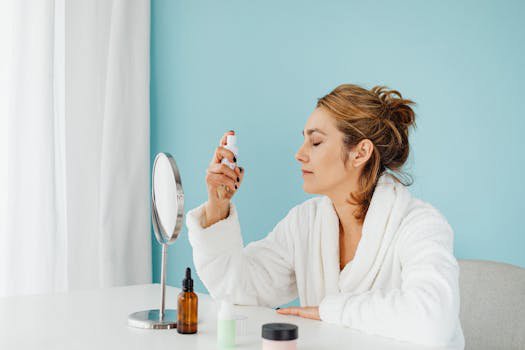
Sunscreen first. Daily SPF matters more here than in milder climates. Pick TGA-listed sunscreens with broad-spectrum cover. Water resistance helps during summer and sport. Check our SPF Protection Products category. Sort by rating and add top picks to watch for price drops.
For Vitamin C, heat can speed oxidation. Look for stable derivatives like sodium ascorbyl phosphate or ascorbyl glucoside. Dark, air-restrictive packaging helps. Airless pumps or opaque tubes keep actives fresh. Our Anti Ageing Face Serums section pulls options from major retailers. Compare format and packaging before you buy.
Fragrance in skincare can irritate sweaty or sun-exposed skin. Consider fragrance-free day moisturisers in summer months. Explore Day Face Moisturisers for lighter gels and lotions. Light textures sink fast and work under SPF.
Makeup needs staying power when the humidity spikes. A primer that controls oil reduces midday patching. See Face Primers and sort by long-wear claims. Match that with transfer-resistant Liquid Foundations. Less midday touch-up means less waste from wipes and cotton pads over time.
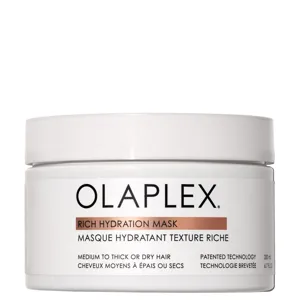
Hair also changes with climate. UV, salt, and chlorine lift colour. Use leave-ins with UV filters and choose deep treatments weekly. Browse Hair Masks and pick tubs over sachets. Tubs last longer and cut foil waste.
Waterless, solid, and powder formats: where they shine, where they don’t
Bars and powders pack light and skip water. That helps freight and packs. Shampoo bars thrive in dry climates and short trips. They can drag in hard water or heavy humidity. If your hair tangles, pair a bar with a rich conditioner or a vinegar rinse.
Powder cleansers travel well and last. They activate with water and avoid preservatives that struggle in heat. Check our Foam & Wash Cleansers category for a mix of traditional and waterless formats. Read the ingredient list for enzymes or gentle surfactants. Enzymes give a mild polish without plastic beads.
Solid moisturisers and balms can melt in an Aussie summer. Store them out of sun and avoid hot cars. If a product arrives soft, chill it before opening. If you crave a minimal routine, aim for multi-use sticks in cooler months and switch textures when heat rises.
Not every waterless option suits acne-prone skin. Rich butters can occlude pores in humidity. Spot test and keep receipts. Our returns advice sits below for a reason. Returns have an impact too, so pick carefully on the first go.
We rate waterless formats for travel, camping, and gym kits. We prefer light, refillable liquids for daily showers at home. That split saves hassle and waste.
{{IMAGE:Australian woman applying SPF at the beach}}Recycling in Australia: what actually gets recycled
Recycling claims fall apart when items jam sorting lines. Small items under a certain size often slip through. Pumps and droppers use mixed materials that many councils reject. Soft plastics remain a moving target. Store take-back programs exist, but they change.
Here is a simple rule. Recycle clean, dry bottles and jars over the size of a tennis ball. Remove pumps where possible. Keep lids on if your council says so. Check council pages before you put a new material in your bin. Policies shift, and sorting lines differ.
TerraCycle-style programs help when kerbside fails. Some retailers and brands offer in-store bins. These accept mixed packaging that would otherwise go to landfill. Participation varies by location and changes without much notice. Call ahead before you carry a bag of empties to a store.
Compostable plastic sounds kind. Home compost rarely reaches the right heat to break it down. Most councils do not accept it in green bins. Treat that label with caution unless you have access to industrial composting. Better yet, avoid single-use sachets and mini tubes. Pick full sizes and decant into a travel bottle.
We log pack types in our product database where retailers disclose them. When you compare a cleanser or a serum on GlamGeek, you can see format and component notes. Use that info to pick the simplest package that suits your routine.
Buy less, buy smarter: shade accuracy, long-wear, and multipurpose picks
The most sustainable item is the one you finish. Returns burn freight and create waste. We shop with shade and wear in mind, then bring price into the mix. Heat and humidity shape that choice.
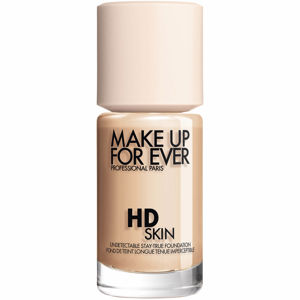
Base products need precise undertones. Use swatch tools and retailer virtual try-ons where offered. Compare undertone labels across brands. Then check our Liquid Foundations page for reviews and current prices. Add two shades to your wishlist if you straddle seasons. Wait for a sale, then buy both and mix.
Primers, mascaras, and lipsticks drive finish and wear. A smoothing primer reduces foundation waste from patchy reapplication. Browse Face Primers. For lashes, tubing and heat-resistant formulas smudge less in summer. Start at Mascaras and filter by waterproof if you swim. Lips can go matte for longevity or balmy for comfort. Check Lipsticks and look for refillable bullets from brands like Charlotte Tilbury.
Palettes tempt but date fast. Buy a compact edit that works all year. Our Eye Shadow Palettes section shows neutrals and minis that deliver value. Check grams per pan and shade duplication. Tight edits cut waste and bulk.
Build a simple daytime kit for heat: SPF, oil-controlling primer, long-wear base, tubing mascara, and a neutral lip. Less fuss, fewer touch-ups, and fewer products to bin.
Price, promotions, and Australia’s ‘premium’
We see higher RRPs here than in the US and UK. Shipping, taxes, and distribution add up. The premium often lands between 10% and 25% on like-for-like SKUs. That varies by brand and retailer. Our tracker logs those gaps across new and cult launches.
Local stocking still beats grey imports. You get returns support, valid warranties, and shorter freight. That cuts risk and emissions. Many brands run targeted offers with Australian retailers. We see strong cycles around end of financial year and Boxing Day. Sets and refills often feature in those sales.
Use GlamGeek to take the guesswork out. Add a product to your wishlist and switch on alerts. We track prices across Australian stockists like Sephora Australia, Mecca, Priceline, Chemist Warehouse, Adore Beauty, and MYER. You get notified when the price dips, or when a value set arrives.
Bundle buying helps if you will use every item. Avoid giant kits with shades you will never touch. Check our Makeup Sets and Skin Care Sets pages. Compare grams per dollar and skip filler products.
Brand hubs like Shiseido and Estée Lauder help you scan across lines. You can move fast between a serum, a refill pack, and a limited set. That saves time and avoids impulse buys.
Skincare durability: packaging and actives that last the trip
Australia’s climate punishes unstable formulas. Hot vans and long corridors can turn a thin antioxidant brown. Look for airless pumps, opaque tubes, and small apertures. Clear dropper bottles look pretty and underperform in summer.
Retinoids need care. Encapsulated formulas tolerate heat better than plain retinol in jars. Consider night creams in airless pumps. See Night Face Moisturisers for options with dosing pumps. A pump that measures peas prevents overuse and waste.
Acids uncap dead skin well, but overuse sensitises. A mild lactic or mandelic acid suits year-round maintenance. Pair that with strict SPF. Check Face Exfoliants and weigh pH and percentage. A gentle acid you finish beats a harsh peel you abandon.
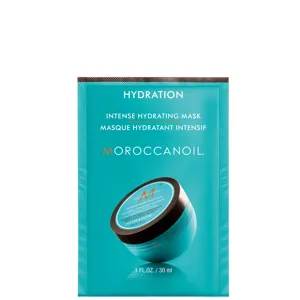
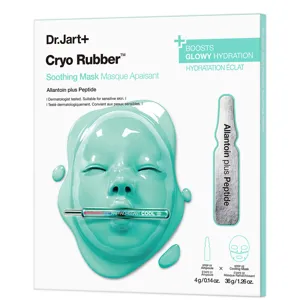
Masks in jars dry out. Single-use sachets create waste. Choose tubes with caps and buy sizes you will finish in three to six months. Our Face Masks page lists tubing formats across price points. Use our filters to find fragrance-free or clay-free if your skin dislikes them.
For lips, balms in sticks beat pots for hygiene. See Lip Balms & Creams and pick SPF options for the beach. Pot balms invite repeated dipping with sandy fingers. That ends badly.
Fragrance and aerosols: choices with fewer trade-offs
Eau de parfum lasts longer than eau de toilette on skin. Fewer sprays mean fewer bottles over time. When you shop, compare sizes and concentrations across our Eau de Parfum Perfumes and Eau de Toilette Perfumes pages. Add a favourite to your wishlist to catch price dips during gift seasons.
Aerosols present a disposal challenge. Compressed cans reduce propellant volumes but still complicate recycling. Where possible, pick pump sprays or roll-ons. For hair, choose creams and serums in tubes over sprays where performance allows.
Body lotions beat body creams for tubes and pumps. They pack lighter and sink faster in heat. Check Body Lotions for large sizes that reduce bottling waste. Thick tubs suit winter or very dry skin. See Body Creams if you need a rich option, but buy sizes you can finish.
When you pick scent in hair care and body, lighter fragrance loads reduce headache under heat. Heavily perfumed products can clash with perfume and cause irritation. Test with a travel size before you commit to a litre.
What this means: a smarter checklist for 2026
Sustainable beauty in Australia is practical, not perfect. Look past slogans. Pick what you will finish. Choose formats that work in heat. Prefer packaging that recycles locally. Shop when the price drops, not when the ad lands.
Use this checklist:
- SPF daily. TGA-listed, broad-spectrum, and water-resistant for summer.
- Refills for hair and body wash. Hardware refills for makeup that lasts.
- Light, mono-material packaging with PCR content. Avoid mixed pumps when you can.
- Stable actives in opaque, airless packaging. Smaller sizes for volatile formulas.
- Solid and powder formats for travel. Liquids in refill pouches for home.
- Check council recycling rules. Rinse, dry, and recycle only bottles and jars that qualify.
- Buy fewer palettes. Prioritise shade accuracy, long-wear, and multipurpose products.
- Use GlamGeek wishlists and alerts. Catch genuine sales from Australian stockists.
Add products you are considering to your GlamGeek wishlist. We will watch prices across major Australian retailers so you do not need ten tabs open. When a refill bundle or kit lands below RRP, you get an alert and a link.
Over to you
Which claims still confuse you on shelf? Have you found a refill that truly works in our climate? Tell us where you want more proof, and we will dig into the data. We can pull retailer availability, pack formats, and price history on request.
Want a shortlist for your routine? Share your skin type, the climate you live in, and the two products you finish fastest. We will point you to the right categories, plus a few brand pages to check. Add them to your wishlist, and we will keep watch for a price drop.
![Lumene Nordic-C [Valo] Glow Cream Spf30](https://media.glamgeek.com/media/2026/02/06/c0cef909-16ab-49f9-865e-278e63871493_sm.jpg)