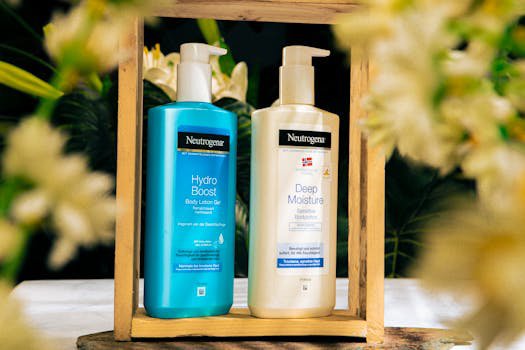
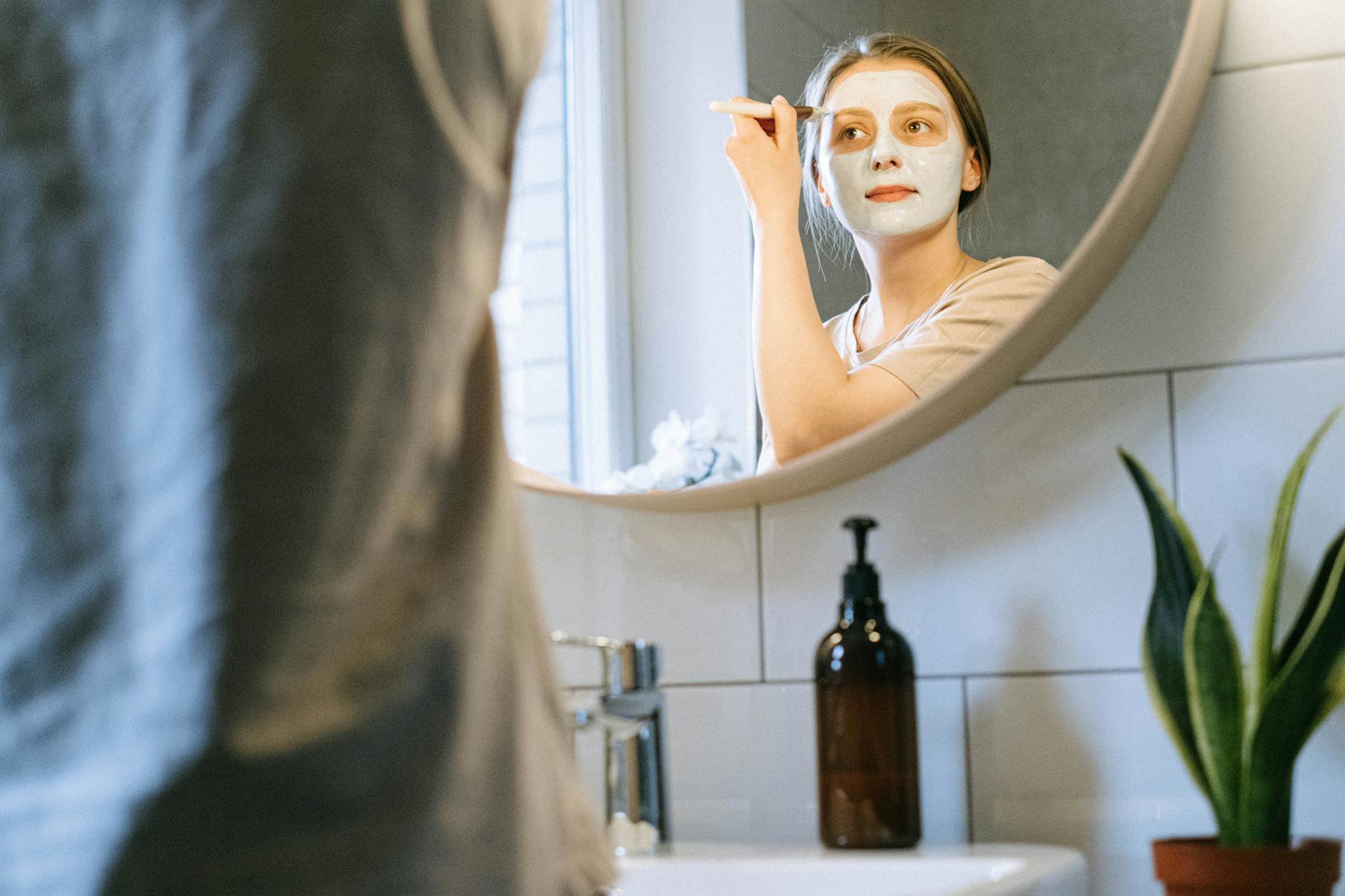
The scariest beauty trend this year doesn’t come in a jar. It shows up as stinging, redness, and skin that reacts to everything. Our data flags a steady rise in searches for “why is my face burning?” every time a new DIY “hack” goes viral. That pattern repeats with every cycle of lemon masks, undiluted retinol challenges, and sunscreen “cocktails.”
Meanwhile, the boring basics top the carts. Across our Australian retailer feed, fragrance-free moisturisers and SPF 50+ outsell most trending peels week after week. Glass skin and glazed donut glow still trend, but the products that keep faces calm in real heat get the repeat buys.
Here’s the twist. Barrier care looks dull on TikTok. It works in Darwin humidity and a Perth heatwave. That is why we rate it higher than hacks.
Context: why barrier talk won’t die, and why Australia cares
Skin barrier chat hit mainstream beauty around 2020, right as lockdowns pushed at-home peels and retinoid experiments. The hangover lasted. By mid‑2022, “slugging” peaked in Australia as winter dryness met indoor heating. In 2023 and 2024, ceramides, panthenol, and centella moved from niche to normal in mass retailers. We tracked more “repair” and “cica” SKUs arriving at Priceline and Chemist Warehouse, and more “sensitive” lines appearing in premium counters at MYER and Sephora Australia.
Australian conditions keep the topic alive. High UV, high sweat, and saltwater magnify irritation. Sunscreen sits at the core of every routine here, which adds its own friction. Some filters feel heavy; some sting; reapplication challenges makeup; heat melts occlusives. Women want gloss and glow that stands up to a January picnic, not just ring-light promise.
Price also bites. The “Australia tax” shows up on many global launches. Our tracker often sees identical formulas listed cheaper in other regions. Locally, smart swaps matter more. We see frequent value wins from brands with a barrier brief that don’t chase viral hype. Think ceramide creams, fragrance-free hydrating serums, and water-resistant SPF. These products hold their spot on shelves because women buy them twice.
{{IMAGE:woman applying sunscreen at the beach}}What your barrier does, and how hacks break it
The barrier is not a buzzword. It’s the stratum corneum: flattened cells (corneocytes) locked in a lipid matrix of ceramides, cholesterol, and fatty acids. This layer keeps irritants out and water in. It also sets skin’s pH, which supports enzymes, microbiome balance, and healthy desquamation.
Break the lipids, and skin leaks. You feel tightness after cleansing. Products sting. Redness lingers. Flakes creep in even when you’re oily. Acne flares because inflammation rises. UV exposure compounds damage. In Australian sun, a compromised barrier burns faster and heals slower.
How do hacks damage it? Over‑exfoliation strips lipids and speeds cell turnover beyond what your lipids can support. Harsh surfactants raise pH and swell the stratum corneum, which disrupts enzyme function. Strong actives stacked together ramp irritation. DIY acids with unknown pH hit like a hammer. Even “natural” ingredients cause harm when used neat. Essential oils and citrus juices burn under UV. The barrier does not care about trends. It cares about chemistry and dose.
Red flags that your barrier needs repair:
- Stinging from products that never stung before
- Persistent redness, flushing, or a shiny tight look after washing
- Makeup pilling or catching on new texture
- Increased breakouts despite “stripping” cleansers
- Seasonal eczema flare or itchy, hot cheeks after sun
Good news: barrier damage responds well to simple routines. Gentle surfactants, humectants, and lipid blends calm things fast. But you need to pause the peels and stack SPF like your glow depends on it. It does.
The hacks that hurt in Aussie heat (and what to do instead)
Some trends fail harder under Australian conditions. Sweat, UV, and salt push irritation faster. A few common offenders:
- Sunscreen “cocktailing.” Mixing SPF with foundation or oil dilutes filters. That kills protection. Apply a tested SPF as its own step. Layer makeup over it once it sets.
- DIY peels and “kitchen acids.” Lemon, vinegar, crushed aspirin, or “just a dash of glycolic daily” lead to patchy burns. Use leave‑on acids with a stated pH and percentage or skip acids while your barrier recovers.
- Undiluted essential oils or neat retinoids. These spike sensitisation and dermatitis. Cushion retinoids with moisturiser or choose a lower strength. Patch test always.
- Dermaplaning and microneedling at home before beach days. Freshly abraded skin plus UV and salt equals fireworks. If you plan a high‑exposure day, hold the blades.
- Slugging in humid heat with heavy makeup. Occlusives under sweat and pigment can trap heat and breakouts. Reserve petrolatum for targeted spots at night or dry winters.
Better swaps honour the climate. Pick water‑resistant SPF 50+ and let it dry before makeup. Choose a pH‑balanced cleanser that rinses clean without squeak. Keep actives simple: one or two at a time, with buffer nights. Use light gel-cream moisturisers in tropical humidity and richer creams for southern winters. A bland balm saves cheeks after wind or surf.
We also steer women toward retailer testers and travel sizes first, especially with SPF. Texture acceptance drives adherence. Our price feed shows constant bundle offers from Mecca, Adore Beauty, Sephora Australia, and MYER. Add your shortlist to a GlamGeek wishlist and we’ll ping you when the price drops or a set appears.
A heat‑proof barrier routine for morning and night
Morning in Australia needs hydration, antioxidants you tolerate, and serious SPF. Night focuses on cleanse, replenish, and a measured approach to actives. Keep each step short and soft on the barrier.
AM plan:
- Cleanse lightly, or just rinse if skin feels clean. Look for pH-balanced, sulphate‑free gels in the Foam & Wash Cleansers category that don’t leave you tight.
- Hydrate with a humectant serum. Niacinamide 2–5%, panthenol, glycerin, or beta‑glucan support barrier function. Browse the Day Face Serums category for fragrance‑free options.
- Moisturise for your climate. Gel-cream if humidity runs high; lipid‑rich cream if air runs dry. Start with blends that list ceramides and cholesterol. We see steady repurchases for lines from Clinique due to gentle textures. Shortlist a few in Day Face Moisturisers and compare prices across retailers.
- Finish with broad‑spectrum SPF 50+. Choose water resistance for pool or beach. Our audience rates Japanese and Korean textures, and many also stick with high‑end suncare from Shiseido for event days. See our SPF Protection Products to track offers at Sephora Australia and Adore Beauty.
PM plan:
- Remove sunscreen and makeup with a gentle cleanse. In bushfire smoke or heavy city air, a two‑step cleanse can help, but keep both steps mild.
- Use actives only on nights you tolerate them. Retinoids get their own night. Acids get another. Some women alternate with a pure hydration night.
- Lock in with a cream that replaces lipids. Ceramides, cholesterol, fatty acids, and squalane top the list. If cheeks crack or sting, add a bland balm over hot spots. Scan our Night Face Moisturisers for fragrance‑free picks and set deal alerts.
Remember the order: thinnest to thickest. SPF always sits last in the morning. Less product with smart formulas beats more product that fights itself in heat.
Actives without fallout: how to keep results and your barrier
You can keep retinoids and acids in an Australian routine. You just need rhythm. Results come from consistency, not bravado.
Start with one. If you begin retinol, hold acids for four weeks. If acne drives your plan, try a leave‑on BHA and delay retinoids. Patch test new actives on the jawline. Add moisturiser before and after if you sting. This “sandwich” buffers irritation without killing efficacy.
Retinoids pair well with niacinamide and ceramides. They fight irritation and support barrier lipids. Vitamin C helps with pigmentation, but many formulas tingle. Switch to stable derivatives if you flush, or apply every second day. Keep acids under control. One gentle lactic acid night per week can smooth texture without stripping.
Heat raises reactivity. On steamy nights, skip actives if your face feels hot. Save them for cooler evenings. After a beach day or long hike, go bland for 24–48 hours. Reach for calmers like centella, panthenol, and oat. If you love French pharmacy “cicaplast” style balms, you’ll find similar textures from L'Oréal and pharmacy lines at Priceline. Sensitive‑leaning women often like soothing options from Clarins as well.
We also see strong loyalty to gentle, slow‑burn serums. Barrier‑minded shoppers repurchase niacinamide hydrators from budget and premium brands year‑round. If you want a luxe night serum that behaves well under moisturiser, best‑sellers from Estée Lauder show high repeat rates in our data. Add contenders to your wishlist and price‑watch across MYER and Sephora Australia.
Makeup that respects your barrier and still lasts
Complexion needs to survive heat, humidity, and SPF layers. The wrong base drags on sunscreen or breaks apart in sweat. The right one glides, flexes, and lets skincare do the heavy lifting.
Prime with care. Skip heavy, alcohol‑heavy mattifiers when your barrier sulks. Choose hydrating primers with silicone blends to smooth without sting. Silicone does not suffocate skin. It creates a breathable film that reduces friction. We track strong satisfaction scores on smoothing bases in the Face Primers category.
Use flexible coverage. Sheer to medium liquid foundations move better with heat. Long‑wear icons from Estée Lauder and pro‑artist favourites from MAC appear often in our top‑viewed lists for summer weddings and outdoor events. Check user photos and filter by formula in Liquid Foundations before you buy.
Application matters. Let sunscreen set. Apply base with fingers or a damp sponge to avoid pilling. Set only where you shine. Reach for a micro‑fine powder on the T‑zone and leave cheeks dewy. Blotting papers serve better than constant powder top‑ups in humidity. They lift sweat and oil without more layers.
Pick barrier‑friendly colour too. Cream blush and bronzer sit nicely over SPF and hydrating bases. Avoid heavy fragrance around the eyes in summer; the mix of sweat and scent stings. If mascara smudges in humidity, try tubing formulas and keep the lash line clean.
{{IMAGE:close-up skincare texture ceramide cream}}Repair mode: what to do when you’ve overdone it
It happens. Skin burns, flakes, or breaks out after a peel stack or a long day in sun and wind. Pause the actives and run a three‑day repair plan.
Day 1–2:
- Strip the routine back. Gentle cleanse, hydrating serum, barrier cream, SPF. Nothing that tingles.
- Layer humectants and lipids. Niacinamide, panthenol, glycerin, squalane, and ceramides rebuild tolerance.
- Spot treat with hydrocolloid patches if pimples pop up. Avoid picking. Oils + sweat + fingernails equal scars.
- Protect during the day with SPF 50+ and a hat. Reapply with a mist or stick if makeup must stay on.
Night 3:
- Reintroduce one active if your skin stays calm. For texture, choose a mild lactic acid once. For pigmentation, use vitamin C the next morning. For lines or acne, bring back a gentle retinoid on alternate nights.
- Keep moisturiser rich for a week. Petrolatum over hot spots at night helps stop TEWL. Use it as a patch, not a full‑face mask unless air is cold and dry.
Watch for triggers. Fragrance, strong mint or citrus, and high alcohol can set you back. If you love botanicals, look for calmer picks like centella and colloidal oatmeal. If you want to explore soothing body care while your face rests, check textures in our Body Lotions or richer picks under Body Creams. The Body Shop’s comfort‑first staples often land on deal pages across Aussie retailers.
The barrier ingredients glossary that actually helps
Shopping gets easier when you know the names that matter. Here’s a quick glossary to save you time.
- Ceramides (NP, AP, EOP): lipids that fill gaps between cells. They strengthen the barrier. Look for them high on the INCI list.
- Cholesterol and free fatty acids: team players with ceramides. The trio together mimics skin’s own lipids.
- Niacinamide: a do‑all that supports lipids, calms redness, and helps pores look better. Gentle for most, even in heat.
- Panthenol (B5) and beta‑glucan: water lovers that soothe and help repair micro‑damage.
- Squalane: stable emollient that softens without heaviness. Good in humid weather.
- Urea: hydrates at low percentages and exfoliates softly when higher. Great for flaky patches and body roughness.
- Colloidal oatmeal, centella, and madecassoside: calm inflamed skin. Useful after windburn or post‑actives.
- Allantoin and bisabolol: buffers that reduce sting and help healing.
- Petrolatum and silicones: not villains. Petrolatum locks in water best. Silicones cushion and reduce friction. Both can suit sensitive skin when used smartly.
Also note what to dodge when irritated. Essential oils, heavy fragrance, drying alcohols, and high‑percent acids can restart the fire. If you love luxury textures, brands like Guerlain deliver that feel, but many formulas include scent. Sample first if your cheeks run sensitive. Balanced, fragrance‑free picks from pharmacy brands or classic hydration lines from Clinique often suit a moody barrier better.
Sun, sweat, salt: a beach‑proof barrier strategy
Beach days don’t have to wreck your glow. You just need a plan and a few reapplication tricks that play well with heat.
Choose a water‑resistant SPF 50+ and apply liberally on dry skin. Let it set for 15 minutes before you leave. If you swim, reapply as soon as you towel off. Mineral filters like zinc oxide protect well but can feel dry; layer a light moisturiser first if your skin runs tight. Chemical filters feel lighter and suit reapplication between swims. Premium water‑resistant options from Shiseido score well with our community for texture and durability. Track them under SPF Protection Products and compare across Sephora Australia and Adore Beauty.
Keep reapplication portable. Sticks help on noses and ears. SPF mists help top up over bare skin. Powder SPF helps a makeup day in the city, but you still need a proper base layer. Don’t rely on powder alone for a beach day.
Post‑sun care matters. Rinse off salt and sand with a mild cleanser. Soothe with a humectant serum and a lipid‑rich cream. Aloe feels nice, but the workhorses are panthenol, glycerin, ceramides, and squalane. If you got more sun than planned, skip actives for two days. Reach for calming creams. Add a cooling gel under your usual moisturiser. If prickly heat flares, dress the skin in light layers and avoid fragranced body products until it settles.
Makeup on beach days should be minimal. Tubing mascara holds through sweat. A tinted balm serves lips and shields them from crack and peel. You can shortlist your favourite soothing picks in Lip Balms & Creams and set price alerts for Chemist Warehouse and Priceline sales.
Where pricing bites, and how to shop smarter
Barrier care can be affordable. It shines when formulas are well‑balanced, not when marketing shouts. We see consistent value in “boring” hydrators across mass and mid‑tier brands. Our tracker often shows price gaps between Mecca, Priceline, Chemist Warehouse, Adore Beauty, Sephora Australia, and MYER. Bundles and seasonal kits matter too. They cut cost per millilitre and let you test texture without a full‑size gamble.
How to use GlamGeek here:
- Compare before you commit. Check product pages for price history and retailer stock. Popular lines from Estée Lauder and SPF from Shiseido often rotate between retailers.
- Build a wishlist by routine step. Add your SPF, your moisturiser, and your serum. We’ll ping you when one drops in price or a set appears.
- Read the ingredient callouts. We group products by key actives like ceramides and niacinamide, so you don’t have to decode every INCI list from scratch.
Luxe can be worth it if the texture keeps you compliant. Budget can win if it stays fragrance‑free and balanced. Let texture preference guide your spend. The best routine is the one you follow daily in summer heat.
What this means: the routine that actually holds up
Here’s the simplest way to get glow without drama in Australian conditions. Build your base around a pH‑balanced cleanser, a hydrating serum, a moisturiser that matches your climate, and a broad‑spectrum SPF 50+. Add one active that targets your top concern. Run it on alternate nights. Treat the rest of your evenings like skin rehab with lipids and humectants.
When a hack trends, ask three questions. Does this respect pH? Does this increase UV sensitivity? Can I keep this going through a heatwave? If the answer skews no, skip it. Reach for products that name ceramides, niacinamide, panthenol, cholesterol, and squalane. If you want proven long‑wear makeup to sit over that, explore smoothing bases in Face Primers and flexible coverage in Liquid Foundations. Always layer over SPF.
We keep seeing the same purchase pattern in our data. Women try a hack, then return to basics with better filters and gentler creams. The glow that sticks comes from barrier‑first habits. That matters more than any reel or routine trend.
Use our category hubs to shortlist balanced picks, from SPF Protection Products to Day Face Moisturisers. Add your favourites to a wishlist. We’ll track availability at Mecca, Priceline, Chemist Warehouse, Adore Beauty, Sephora Australia, and MYER so you don’t have to scan six tabs.
Over to you
Have you retired a “terrifying” hack and found a barrier step that actually sticks in Aussie heat? Tell us which moisturiser, SPF, or serum you rate, then add it to your GlamGeek wishlist. We’ll watch the prices and alert you when the deal lands.
![Lumene Nordic-C [Valo] Glow Cream Spf30](https://media.glamgeek.com/media/2026/02/06/c0cef909-16ab-49f9-865e-278e63871493_sm.jpg)