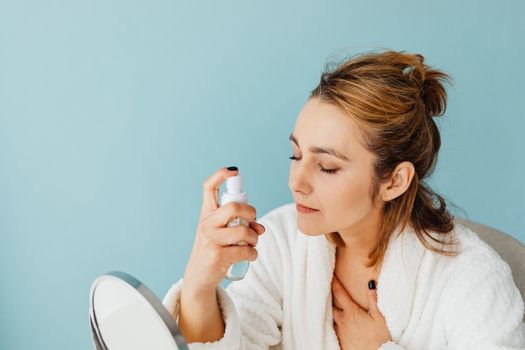
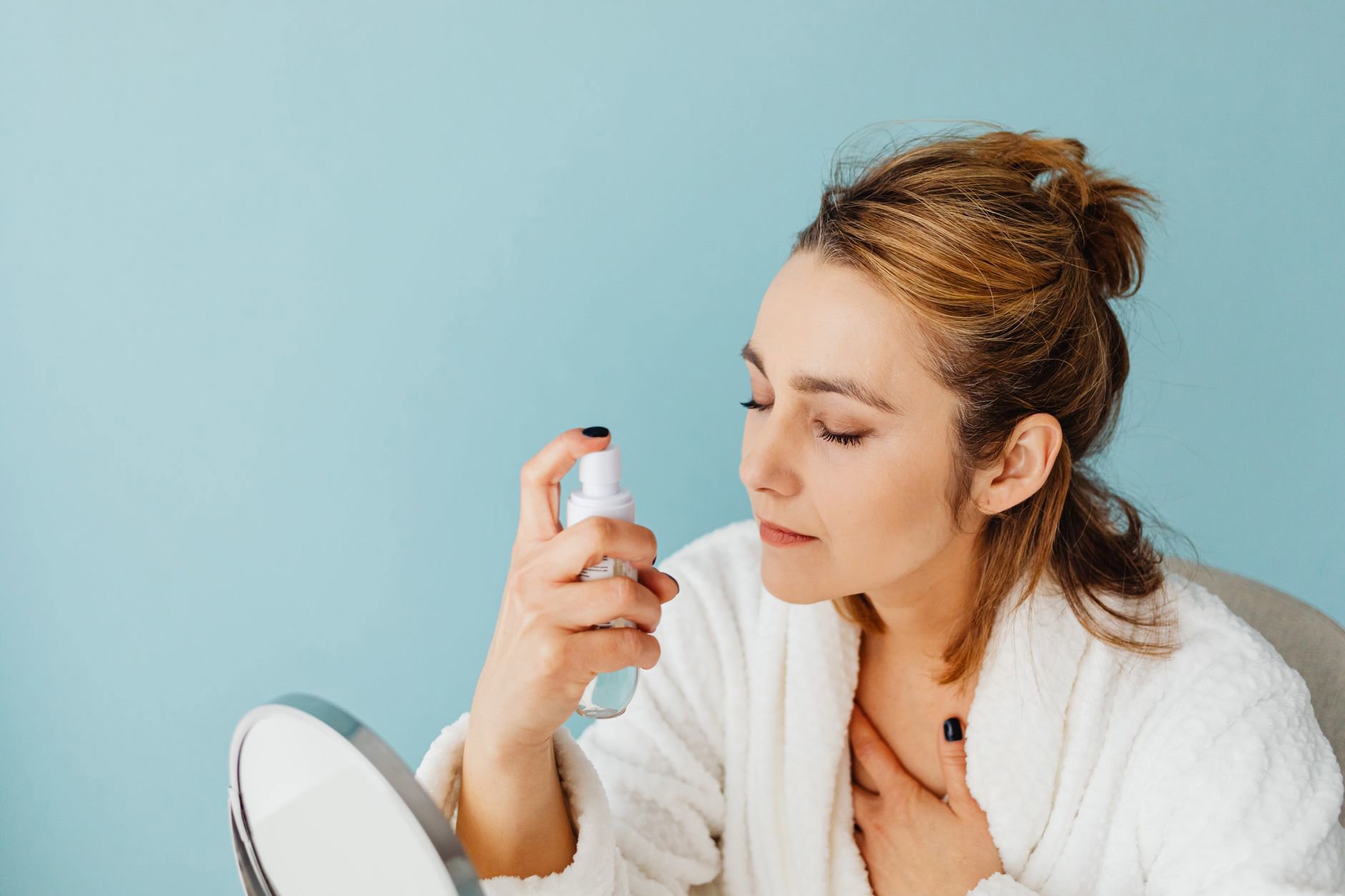
Face mist vs setting spray comes down to purpose: face mists focus on hydration, soothing, and skin feel, while setting sprays focus on locking makeup in place with film-forming ingredients and wear-extending hold. A face mist can refresh bare skin or makeup, but it won’t reliably “set” foundation the way a true setting spray can.
Search results often mash these two together, because both come in a spray bottle and both promise “freshness”.
But your face cares less about the label and more about the formula. In Australian conditions, that difference matters: hot, dry days in the south, humidity up north, and UV year-round all change how skin dehydrates and how makeup breaks down.
We track pricing across major retailers, and face mists sit in a wide band: budget-friendly hydrators at around A$20, and prestige mists climbing past A$150. The price usually reflects actives, packaging, and brand positioning, not “hold” like a setting spray.
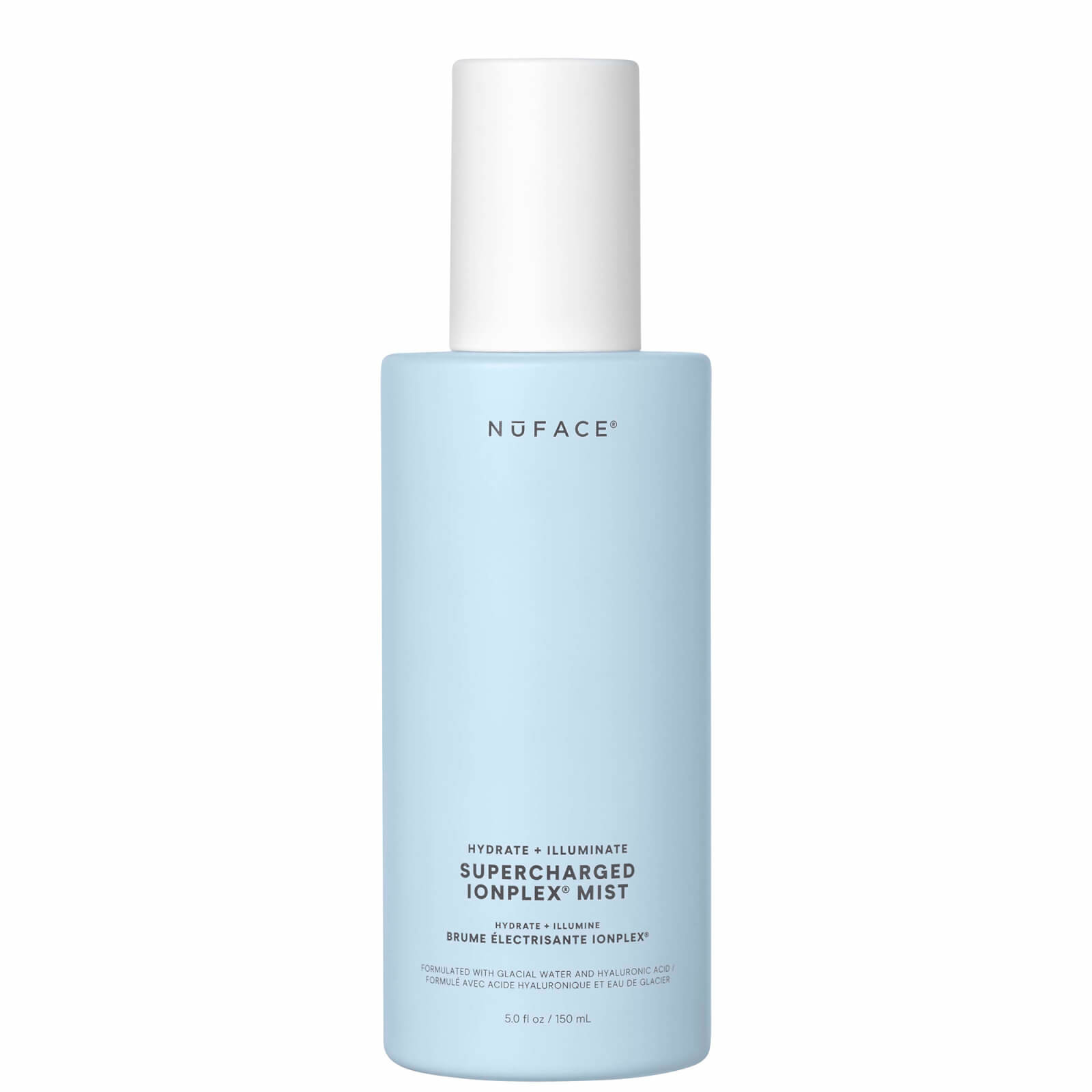
Below, we’ll separate what face mists actually do (and don’t do), what ingredients to look for, and how to use them alongside makeup without accidentally causing pilling, patchiness, or a melted base.
Face mist vs setting spray: the functional difference
A face mist behaves like skincare in a spray format. Think hydration, soothing, and a temporary comfort boost. Many mists lean on humectants like hyaluronic acid, barrier helpers like ceramides, or calming extracts.
A setting spray behaves like makeup technology. It usually relies on polymers that form a flexible film as the water phase evaporates. That film helps makeup resist transfer and separation. Face mists can’t promise that unless they include similar film-formers, and most skincare-first mists don’t.
Finish also splits them apart. Face mists often aim for dewy, plumped, or “toned and refreshed”. The goal sits in skin appearance and feel. A setting spray aims for longevity first, then a finish (matte, natural, or radiant) second.
Here’s the practical takeaway: use face mist to treat thirst and texture. Use setting spray to extend wear. If you only own a mist, it can still help makeup look better, but it won’t replace a true “lock-in” step.
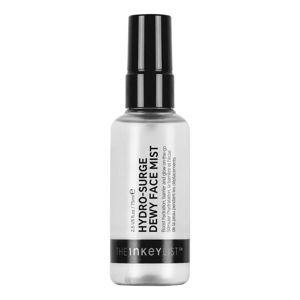
- Hydration-first face mists: THE INKEY LIST Hydro-Surge Dewy Face Mist (from A$21.56) targets long-lasting hydration up to 12 hours* and a dewy look.
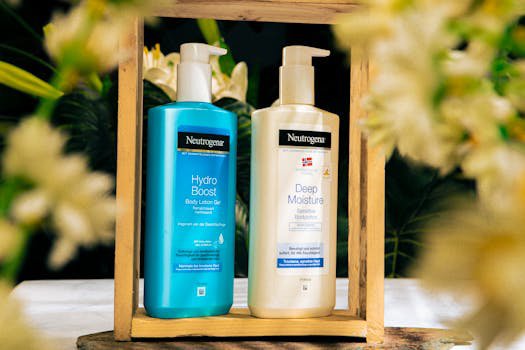
- Barrier-supporting comfort: Curél Deep Moisture Spray For Dry, Sensitive Skin (from A$24.50) focuses on dryness and sensitivity with ceramides and eucalyptus extract.
- Makeup-adjacent refresh: Biossance Squalane + Hyaluronic Toning Mist (from A$49.00) positions itself to tone, set, and refresh, with two forms of hyaluronic acid.
Ingredient clues: what to look for on the label
You can often predict performance by reading for a few “families” of ingredients. Face mists typically prioritise water-binding and comfort ingredients, because they need to feel good immediately.
Humectants pull water toward the outer skin layers. Hyaluronic acid appears across mist formulas because it gives instant surface plumpness. Dr. Barbara Sturm Hydrating Face Mist (from A$156.80) specifically calls out low and high-weighted hyaluronic acid molecules for plumping.
Barrier support shows up in mists aimed at dryness or sensitivity. Ceramides matter here, because they support the skin barrier’s “mortar” function. Curél’s mist highlights ceramides, which suits dehydrated, reactive skin that needs comfort more than glow.
Soothing and redness-facing formulas often use gentle cleansing or calming actives. Mario Badescu Reparing Facial Spray With Hypochlorous Acid (from A$35.28) uses hypochlorous acid and frames it as a rinse-free, one-step mist that gently cleanses skin experiencing redness and flare-ups, while helping reduce blemish-causing bacteria.
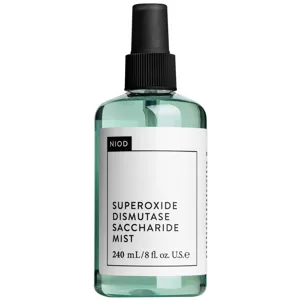
Environmental protection can appear in skincare mists, even though “setting” isn’t the goal. Niod Superoxide Dismutase Saccharide Mist (from A$64.00) positions itself to hydrate and provide protection against environmental aggressors, using marine polysaccharides to help visibly smooth rough feel.
What you usually won’t see in classic face mists: a clear promise of transfer resistance, mask-proofing, or all-day hold. Those claims typically require film-formers more common in setting sprays.
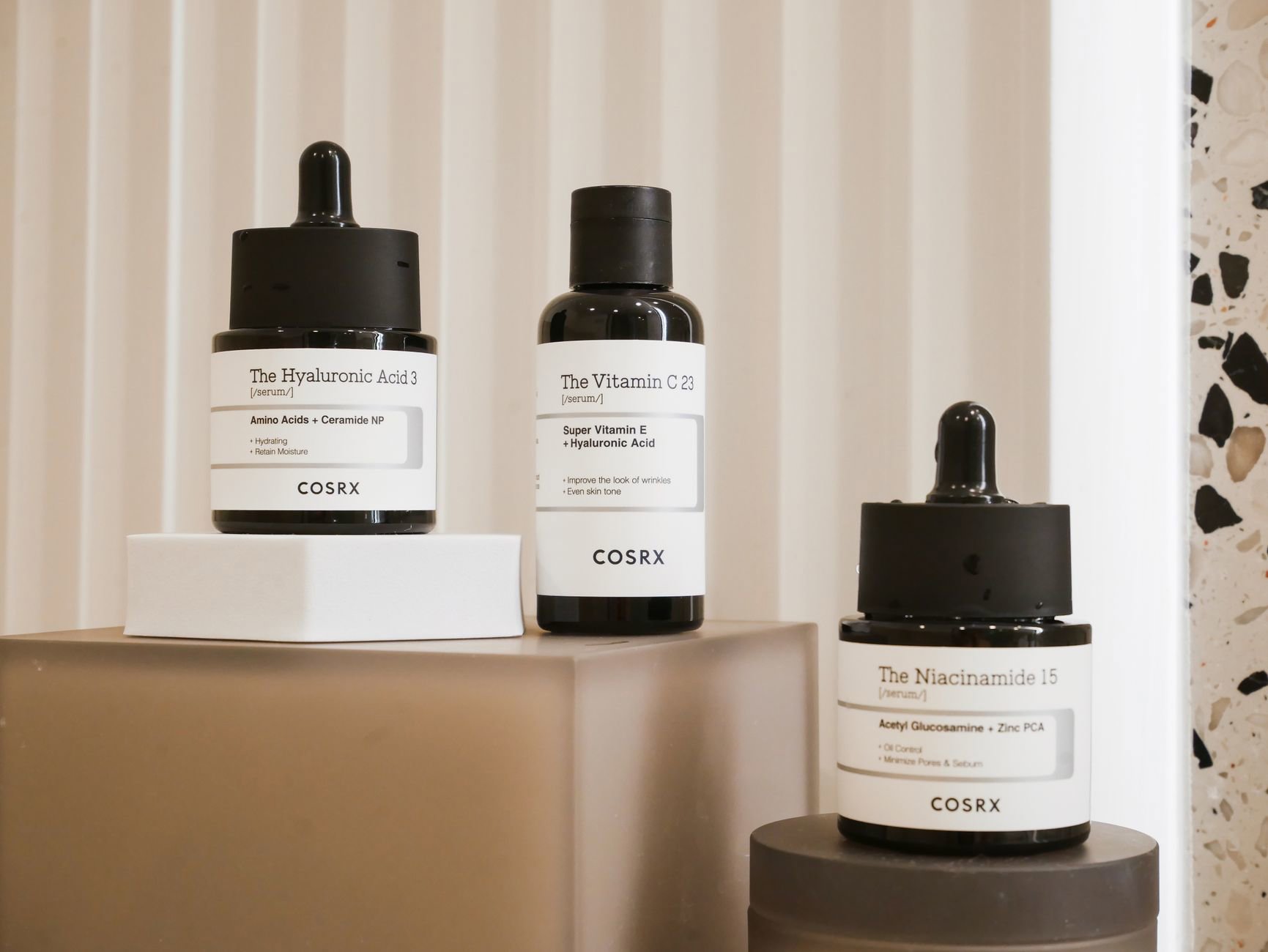
Finish and feel: dewy, glossy, sticky, or weightless
Finish matters because it changes how makeup reads on skin and how skin feels in heat. Two mists can “hydrate”, yet one looks glossy and one looks soft.
Dewy mists suit dry or normal skin and anyone chasing a fresh sheen. THE INKEY LIST Hydro-Surge Dewy Face Mist explicitly leans dewy and cooling, with 3% Aquaxyl and a 2% Hydroviton® Insta complex made with cucumber. That points to comfort plus immediate surface bounce.
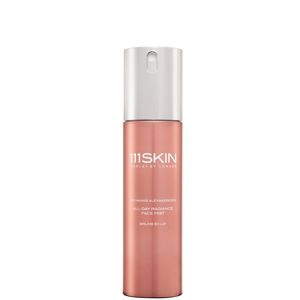
Radiance mists aim for a lit-from-within look rather than shine. 111SKIN Radiance Glow Face Mist (from A$147.00) includes peptides and prebiotics for hydration and visible plumpness and smoothness, plus ferulic acid to reduce the appearance of redness. The finish goal reads “luminous-looking complexion”.
Weightless hydration matters for combination or oily skin. Many people avoid mists because they fear greasiness. A lightweight, fine mist can refresh without turning T-zones into a mirror, but the difference usually comes down to droplet size and how heavy the humectant blend feels.
One more detail: salt, alcohol, and heavy fragrance can make a mist feel “fast drying”. That can read as refreshing, but it can also feel tight later. If you chase comfort, pick formulas positioned for dryness or sensitivity, like Curél.
Where each fits in a routine (without messing up your base)
Setting sprays usually sit after makeup, because they need to dry into a film over powders and pigments. A face mist sits almost anywhere, because it behaves more like a hydration step.
That flexibility can backfire. Spray at the wrong time and you can create pilling, patchy foundation, or mascara transfer.
We’d use this simple approach, especially in Australian summer:
- On bare skin: mist as a quick hydration layer before a Day Face Moisturiser step. Clinique Moisture Surge Face Spray (from A$55.00) suits that classic “skin feels thirsty” moment.
- Between thin layers: one light spritz, wait 20–30 seconds, then continue. This can help reduce that tight, over-powdered look.
- Over makeup to refresh: spray from a distance, then let it dry. Don’t rub. Biossance Squalane + Hyaluronic Toning Mist explicitly positions itself to tone, set, and refresh, so it fits this “re-melt the layers” use well.
- During the day: use a mist like a reset button when air-con or wind dries you out. If you wear SPF Protection Products, blot first so you don’t create slip, then mist lightly.
If you use a microcurrent device, you also see face mists used as performance support. NuFace Supercharged Ionplex Facial Mist (from A$86.24) was developed to support NuFACE microcurrent treatment, with IonPlex® and glacial water to promote optimal efficacy of the treatment.
Different job, different placement. Simple.
Choose by skin type and by climate (Australia gets both extremes)
Skin type matters, but climate sets the rules. A rich, dewy mist can feel perfect in Melbourne winter and too shiny in Darwin humidity.
Dry or sensitive skin usually needs barrier support and a fine, non-irritating spray. Curél’s ceramide-focused positioning makes it a sensible pick at from A$24.50: Curél Deep Moisture Spray For Dry, Sensitive Skin. For a prestige option, Dr. Barbara Sturm Hydrating Face Mist (from A$156.80) targets plumping via mixed-weight hyaluronic acid.
Dehydrated but oil-prone skin tends to crave water, not heaviness. Look for lightweight hydration claims and avoid over-spraying. THE INKEY LIST Hydro-Surge Dewy Face Mist (from A$21.56) sits at the affordable end, and it focuses on barrier hydration and a cooling feel for up to 12 hours*.
Redness, flare-ups, and breakout-prone skin often does better with a mist that frames itself around gentle cleansing and calming. Mario Badescu Reparing Facial Spray With Hypochlorous Acid (from A$35.28) suits that brief: hypochlorous acid, rinse-free, and aimed at reducing blemish-causing bacteria.
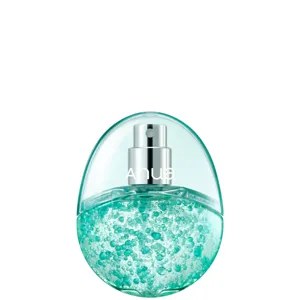
Skin that looks dull often wants “glow” without sparkle. ANUA Exclusive Pdrn Hyaluronic Acid Hydrating Capsule Mist (from A$27.44) uses hydra-glow capsules and includes 2,000 ppm PDRN (a salmon DNA-derivative), plus hyaluronic acid and hydrolysed collagen. It targets visible firmness and radiance.
Availability can vary by retailer. In Australia, brands show up across Mecca, Sephora Australia, Priceline, Adore Beauty, and MYER depending on distribution. Our merchant feeds often show prestige mists holding higher “Australia tax” pricing, especially above A$140, so it pays to compare.
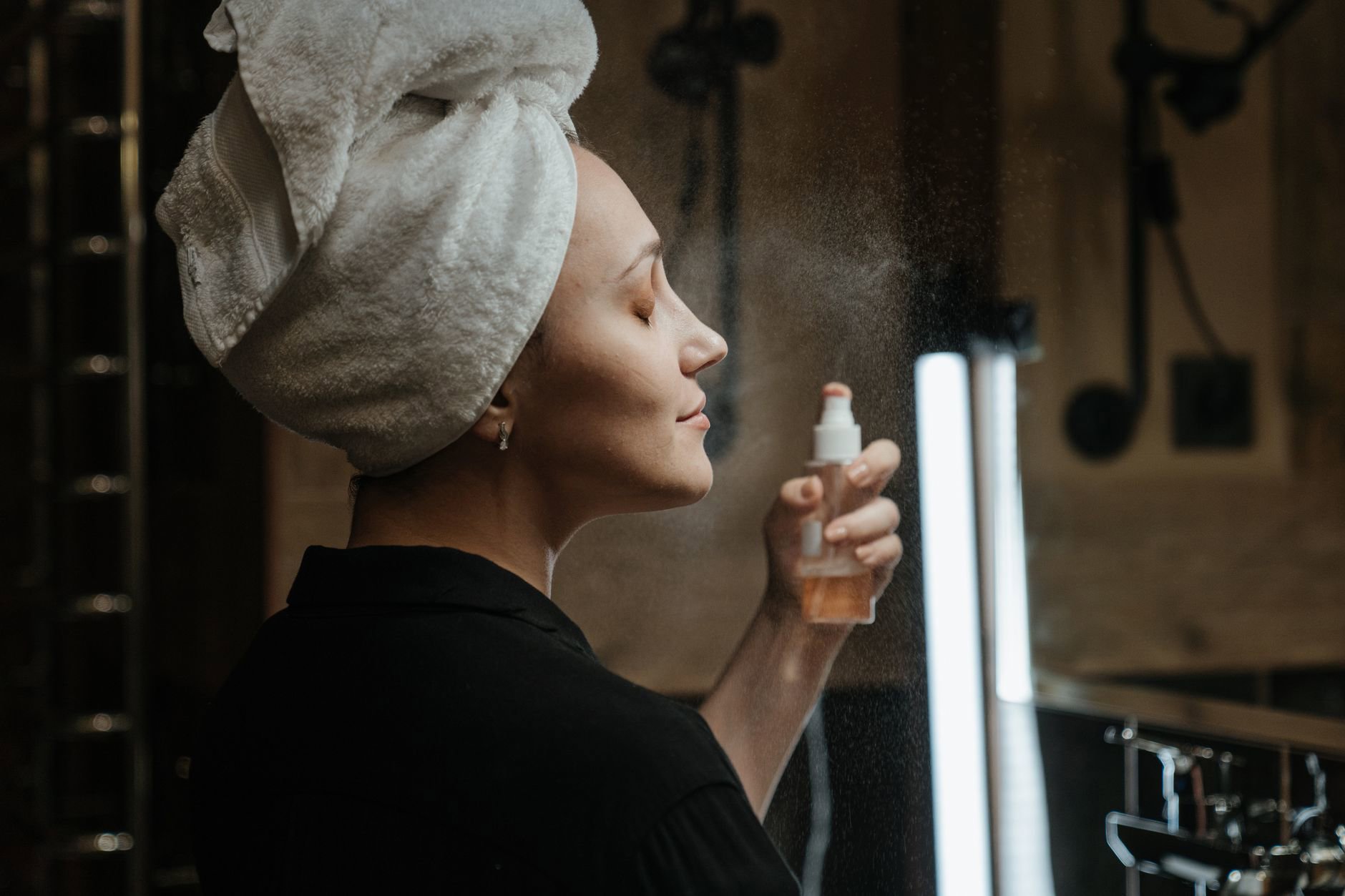
Face mist “setting”: what works, what doesn’t, and better techniques
Most face mists can improve makeup appearance. They can soften powder, reduce a dry cast, and make skin look more skin-like.
They usually can’t promise wear time. That needs a film.
So what can you do if you want the setting effect but only own face mists? Use technique. It won’t replace a true setting spray, but it can reduce the “cakey by lunchtime” problem.
- Mist before makeup: one light layer helps prevent foundation clinging to dry patches. Try Clinique Moisture Surge Face Spray (from A$55.00) for a straightforward hydration hit.
- Mist after powders: hold the bottle 25–30cm away, spray in an X then a T pattern, and stop. Let it dry fully.
- Press, don’t rub: if you need to reduce droplets, gently press with clean hands. Rubbing moves pigment.
- Use a “toning mist” format: Biossance Squalane + Hyaluronic Toning Mist (from A$49.00) explicitly targets tone, set, and refresh, so it suits this makeup-finishing role.
If you want hydration plus environmental support during the day, especially when you commute, a mist like Niod Superoxide Dismutase Saccharide Mist (from A$64.00) fits better than repeatedly layering heavy dewy sprays. It aims to hydrate and protect against environmental aggressors.
One warning: over-misting can make makeup separate. More spray does not equal more longevity.
Best face mist picks by goal (with tracked AU pricing)
We’ll keep this anchored to what these products claim to do. No guesswork.
These face mists cover the most common “I’m really asking about…” needs behind the face mist vs setting spray query.
- Best budget hydration mist: THE INKEY LIST Hydro-Surge Dewy Face Mist (from A$21.56). It targets instant and long-lasting hydration for up to 12 hours* with 3% Aquaxyl and a cucumber-based Hydroviton® complex.
- Best for dry, sensitive skin: Curél Deep Moisture Spray For Dry, Sensitive Skin (from A$24.50). It highlights ceramides and eucalyptus extract in an ultra-fine mist.
- Best “glow capsule” radiance pick: ANUA Exclusive Pdrn Hyaluronic Acid Hydrating Capsule Mist (from A$27.44). It features hydra-glow capsules plus 2,000 ppm PDRN, hyaluronic acid, and hydrolysed collagen for visible firmness and radiance.
- Best makeup-friendly refresh: Biossance Squalane + Hyaluronic Toning Mist (from A$49.00). It positions itself to tone, set, and refresh, with two forms of hyaluronic acid.
- Best for “thirsty skin” top-ups: Clinique Moisture Surge Face Spray (from A$55.00). It frames itself as a convenient solution for skin that needs hydration through the day. For more on the brand range, see Clinique.
- Best for environmental stress support: Niod Superoxide Dismutase Saccharide Mist (from A$64.00). It targets hydration plus protection against environmental aggressors and uses marine polysaccharides for smoother feel.
- Best for microcurrent routines: NuFace Supercharged Ionplex Facial Mist (from A$86.24). It supports microcurrent treatment efficacy with IonPlex® and glacial water.
- Best high-end radiance: 111SKIN Radiance Glow Face Mist (from A$147.00). It includes peptides, prebiotics, and ferulic acid for luminous look and reduced redness appearance.
- Best high-end hydration: Dr. Barbara Sturm Hydrating Face Mist (from A$156.80). It targets plumping with low and high-weight hyaluronic acid molecules.
Not every routine needs prestige pricing. Our tracker often shows the best value sits in the A$20–A$60 band, where you still get modern hydrators and fine mists.
Practical tips you can use today (and avoid common mistakes)
Keep the goal specific. If you want makeup to last through humidity, a face mist can refresh, but it won’t replace a proper setting product. Use it for comfort and finish instead.
Try this simple workflow:
- Morning dryness: spritz once, wait 30 seconds, then continue with your usual Day Face Moisturiser and SPF Protection Products.
- Powder looks heavy: mist from distance, then let it dry untouched for a full minute.
- Midday tightness: blot oil first, then mist lightly. This reduces slip and patchiness.
- Redness flare-ups: choose a calming, gentle-cleanse style mist like Mario Badescu Reparing Facial Spray With Hypochlorous Acid (from A$35.28) rather than stacking fragranced, dewy layers.
If you want a “skincare meets makeup” effect, pick one mist and commit. Layering multiple mists often creates a tacky surface that grabs pigment and turns texture obvious.
Also: store your mist away from heat. Hot bathrooms and hot cars shorten shelf life and can change spray performance.
Face Mist vs Setting Spray FAQ
Can a face mist replace a setting spray?
A face mist can refresh makeup and soften a powdery finish, but it usually can’t replace a setting spray for wear time. Setting sprays often rely on film-forming polymers that create a flexible layer as they dry. Most face mists focus on hydration, soothing, and skin feel instead of transfer resistance.
Do face mists make makeup last longer?
Face mists can make makeup look better, which can feel like “lasting longer”. They help powders melt into the skin and reduce dryness that causes cracking. Still, they don’t reliably stop fading from sweat, oil, or friction. Use a mist for finish and comfort, not guaranteed longevity.
When should you use face mist in a skincare or makeup routine?
Use face mist on bare skin to add light hydration before moisturiser, between thin layers to reduce tightness, or over makeup to refresh. Hold the bottle about 25–30cm away and let it dry. Avoid spraying too close, because droplets can spot makeup and cause patchiness.
Which face mist is best for dry, sensitive skin?
Look for barrier-supporting and sensitivity-focused formulas. Curél Deep Moisture Spray For Dry, Sensitive Skin (from A$24.50) highlights ceramides and an ultra-fine mist designed for dryness and sensitivity. For a premium option, Dr. Barbara Sturm’s mist focuses on low and high-weight hyaluronic acid.
What should you use to refresh makeup in Australian heat and humidity?
Start by blotting sweat and oil, then use a light face mist from a distance and let it dry untouched. This refreshes comfort and reduces a cakey look without adding heavy slip. Hydrating mists like THE INKEY LIST Hydro-Surge Dewy Face Mist can help with dehydration, while toning-style mists like Biossance can suit makeup refresh.