Our merchant feed doesn’t get emotional. It just moves when retailers blink.
This week, the clearest signal isn’t a new trend name. It’s a cluster of 25% discounts landing on high-ticket skincare and devices at the same time, plus one genuinely useful cheap find for breakouts.
We’re going data-led because the numbers are stronger than the headlines. If you shop winter beauty like an Australian (dry indoor air, windy commutes, and UV that still doesn’t take a season off), these are the cuts that can actually shift your routine without blowing it up.
The week’s price pattern: “winter repair” went on sale
Across our tracker this week, the discounts aren’t scattered. They cluster around barrier repair, body oils, and home tech.
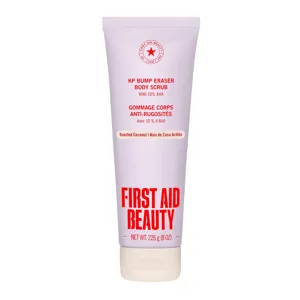
At lookfantastic, several well-known lines dropped by 25% in one go: First Aid Beauty Ultra Repair Cream fell from A$68.60 to A$51.45, and First Aid Beauty Ultra Repair Firming Night Cream dropped from A$76.44 to A$57.33. Those are classic “cold front” products: rich textures, lower irritation risk, and the sort of formulas women reach for when heaters and long showers start showing up on the face.
Body care followed the same pattern. L’Occitane Supple Skin Oil moved from A$84.28 to A$63.21, and Neom Pro-Vitamin D3 Dry Body Oil went from A$68.60 to A$51.45.
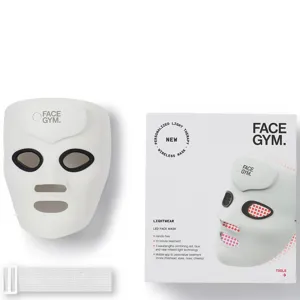
Then there’s the tech end. FaceGym Pro dropped from A$980.00 to A$735.00, and the Foreo Faq 201 Led Mask fell from A$880.04 to A$660.03. That’s the kind of price movement that can change the “maybe one day” category into “if you were already saving for it, this is the window”.
Beauty sites have talked up simplified winter routines lately, and we agree with the direction. The best winter routine isn’t longer. It’s more deliberate. A sale like this makes it easier to put the budget into one or two high-impact categories and keep the rest steady.
If you only buy one cheap item: hydrocolloid patches for winter breakouts
Not every winter skin problem looks like dryness. Plenty of women get more congestion when they start layering heavier moisturisers, wearing scarves, and leaning on richer SPF formulas.
The most useful low-cost drop in our feed sits right here: Garnier Pure Active 8Hr Invisible Hydrocolloid Blemish Patch is A$10.33, down from A$15.66 (34% off) at lookfantastic. Hydrocolloid patches don’t “cure” acne. They do something simpler and more reliable: they create a moist healing environment and physically stop you picking.
How to use them so they actually work:
- Clean, then fully dry the skin. Moisture underneath can stop adhesion.
- Skip serums on the spot. Put the patch on bare skin so it seals.
- Choose the right timing. Overnight works, but they also shine under makeup on a workday if the edges stay flat.
- Don’t rip them off early. Wait until they turn opaque or lift on their own.
Where women go wrong in winter: they keep spot-treating with strong acids, then keep adding heavier creams because the skin feels tight. That loop often creates more irritation and more “angry” breakouts. A patch plus a boring moisturiser can calm the cycle faster.
Budget tip: if you’re already browsing Garnier, use patches as the “cart anchor” and compare the rest of your routine around it. The patch is the intervention. Everything else should support recovery.
Barrier repair that doesn’t fight Australian SPF habits
Australian winter still demands daily sunscreen, even when the air feels crisp. That means your moisturiser needs to play well under SPF and makeup, not pill, and not sting.
This is why the First Aid Beauty Ultra Repair Cream discount matters. At A$51.45 (down from A$68.60), it hits the sweet spot for women who want a richer formula without the “occlusive slip” that can make SPF slide around by lunchtime. It also sits in the practical middle: not a featherlight gel, not a heavy balm that traps heat.
How we’d structure a winter morning when dryness meets UV:
- Cleanse gently (avoid squeaky-clean foam if you’re already dry).
- One hydrating layer (a simple Day Face Serum if your skin likes it).
- Moisturiser (thin layer, focus on cheeks and around the mouth).
- SPF (the non-negotiable step; see SPF Protection Products for options to compare).
At night, you can go heavier because you don’t need perfect layering. That’s where the First Aid Beauty Ultra Repair Firming Night Cream drop to A$57.33 (from A$76.44) makes sense. The “firming” label can be marketing fluff, but a well-formulated night cream can still deliver what winter skin wants: comfort, reduced flaking, and fewer reactive red patches.
Shopping reality check for Australians: if you usually buy from Mecca or Sephora Australia, a lookfantastic discount can look tempting, but shipping times and returns matter. Price wins only count if you’ll actually use the product, not “save it for later”.
Body oils in winter: when they beat lotions (and when they don’t)
Body oils surge every winter for a reason. Lotions can feel cold and thin when the air gets dry, and many women hate waiting for them to dry before dressing.
This week’s numbers put two oils on the radar: L’Occitane Supple Skin Oil at A$63.21 (down from A$84.28) and Neom Pro-Vitamin D3 Dry Body Oil at A$51.45 (down from A$68.60), both at lookfantastic.
Here’s the practical science. Oils don’t “add water” to skin. They reduce water loss. In winter, that can feel like magic because it stops the tight, papery sensation. But if your skin already feels rough, you often need water and an occlusive layer. That’s where pairing matters.
A no-fuss method that works in dry southern states and in air-conditioned offices:
- Shower, then leave skin slightly damp.
- Apply body oil to seal that water in.
- If you still get flaky (shins, elbows), add a light layer of Body Lotions on top in those zones only.
- Don’t overdo fragrance-heavy oils before bed if you’re reactive.
When oils don’t win: if you get body acne on the back or shoulders, or if you need fast, non-slip dressing. In that case, a classic cream texture can behave better. You can compare options under Body Creams and treat oil as a targeted step for legs and arms.
Devices on sale: how to decide if LED or EMS is the smarter spend
Devices look like the ultimate “winter project”. More time indoors, more time in front of mirrors, more time thinking about skin.
But most women don’t need more tech. They need one good tool and a consistent plan. This week, the price cuts are big enough to justify a proper comparison: Foreo Faq 201 Led Mask at A$660.03 (down from A$880.04) and FaceGym Pro at A$735.00 (down from A$980.00), both at lookfantastic.
LED masks suit women who want gradual, low-effort support for visible redness, post-breakout marks, and overall tone. The key is frequency. If you won’t use it several times a week, it turns into expensive shelf décor. If you do, the “cost per use” can drop fast over a year.
EMS (electrical muscle stimulation) tools sit in a different lane. They target muscle contraction and can give a short-term “snatched” look, but they demand technique and consistency. They also don’t replace the basics: sunscreen, moisturiser, and sensible actives.
Our decision rule for Australians: if your main complaint shows up as pigment, redness, or uneven tone after summer, LED tends to make more sense. If your main complaint is a lack of facial definition in photos and you already have skincare sorted, EMS may fit better.
Either way, don’t buy a device before you’ve stabilised your cleanser, moisturiser, and SPF. If you’re still hopping between five trending serums, a device won’t fix the chaos.
Luxury kits vs building your own routine: where the value actually sits
Holiday-style kits show up year-round now, and winter often brings “summer kit” or “travel kit” promos that feel counterintuitive in Australia. The pricing can still be useful if the discount is real.
This week, Dr. Barbara Sturm Summer Kit dropped from A$1409.24 to A$1056.93 (25% off) at lookfantastic. That is still a serious amount of money, even on sale. Kits like this can make sense for a specific type of shopper: the woman who already buys the brand, wants minis for travel, and values convenience over comparison shopping.
For everyone else, building your own routine usually wins. You can choose one strong moisturiser, one targeted active, and one SPF you’ll actually wear. You can also shop categories rather than hype. For example, compare Anti Ageing Face Serums if you want a results-driven step, and keep your moisturiser in the steady “comfort” lane.
Where luxury kits can still be strategically smart: if you’re trying to cut down the number of products you own. A kit forces a tighter edit. That can reduce impulse buys, which cost plenty over a year.
We’d also flag the “Australia tax” factor. Imported luxury bundles can look cheaper offshore, but you give up easy in-store returns and quick restocks. If your skin reacts, that friction matters more than the discount.
Winter routine simplification: the rules that stop you wasting money
Several outlets have pushed “simplified winter routines” and “lazy” approaches lately. We like the idea, but only if it stays practical. Simple doesn’t mean random. It means fewer steps that you can repeat.
Here are the rules we see pay off in price data and in shopping behaviour:
- Stop doubling up on the same function. If you buy a rich night cream, you probably don’t need a separate sleeping mask.
- Buy one problem-solver at a time. Patches for breakouts, or a barrier cream for dryness. Not both, plus three serums.
- Spend on what you use daily. That usually means moisturiser and SPF, not a “special” product you forget.
- Choose textures for climate. Humid northern winters can handle lighter layers; Melbourne-style wind needs richer options.
If you want to refresh makeup without buying a whole new face, focus on skin prep and one feature. A hydrating base plus a good mascara often beats a new foundation. If you’re comparing staples, browse Mascaras and keep your base consistent.
And if you do shop a sale, avoid the trap of “winter only” purchases. Australia snaps back to heat fast. Products that work across seasons deliver better value.
What this means for Australian shoppers this week
First, the best buys aren’t the loudest launches. They’re the products that slot into a routine you already run most days, especially moisturisers and body care that protect against winter dryness without clashing with daily SPF.
Second, this is a rare week where devices have meaningful, clean percentage drops. If you’ve already decided on LED or EMS and you’ve budgeted for it, the Foreo Faq 201 Led Mask at A$660.03 and FaceGym Pro at A$735.00 make the “wait for a discount” strategy look justified.
Third, the smart cheap add-on is clear. The Garnier hydrocolloid patches at A$10.33 offer a tidy, low-risk way to manage the kind of winter breakouts that come from richer layers and irritation.
Finally, don’t let a discount talk you into a new routine identity. Use the sale to reinforce your basics, then stop shopping. Your skin usually improves when the cart closes.
Over to you
Which winter problem are you actually trying to solve right now: tight, flaky skin, surprise breakouts, or makeup that won’t sit properly by midday?
If you tell us your climate (dry south vs humid north) and your top concern, we’ll point you to the most cost-effective category to shop first.


![Lumene Nordic-C [Valo] Glow Cream Spf30](https://media.glamgeek.com/media/2026/02/06/c0cef909-16ab-49f9-865e-278e63871493_sm.jpg)