Face primer sits in a funny spot. It looks like skincare, behaves like makeup, and often hangs around in a drawer far longer than either. Our product database tells a blunter story: most primers carry a 6M–24M PAO icon. Women still keep them for years.
That mismatch costs performance and can cost your skin. Old primer can separate, pill, or make foundation slide before lunch. Worse, some formulas irritate once preservatives weaken. You can avoid all of that with a few checks and a clear plan.
We track thousands of listings across Sephora Canada, Shoppers Drug Mart, The Bay, and Well.ca. The dates, the packaging, and the ingredient lists point to the same conclusion. Primers do expire. You can spot the signs and replace on a smart schedule.
Context: why primers go off, and how long they really last
Primer bridges your skincare and your base. It must play well with moisturiser, SPF, and foundation, then hold makeup in place for hours. That balancing act relies on stable emulsions, film-formers, and preservatives. Time, heat, and air break that balance.
Unopened, many primers remain stable for two to three years from manufacture. Brands stamp this as a batch code rather than an expiry date. Once opened, the clock starts. The open-jar symbol on the box or tube shows a typical safe-use window, often 12M for silicone-heavy primers and 6M–12M for water-rich gels.
Storage and packaging matter as much as the formula. Pump and airless bottles slow down oxidation and contamination. Jars and wide openings invite air, light, and fingertips. Canada’s climate adds extra stress. Winter cold can shock an emulsion, and summer cars heat products well past room temperature.
Buying a jumbo primer during holiday sales feels thrifty. It rarely pays if you rotate three different bases. Smaller sizes and single open bottles keep waste low and performance high.
{{IMAGE:woman checking cosmetic expiry date}}The symbols, dates, and codes that tell the story
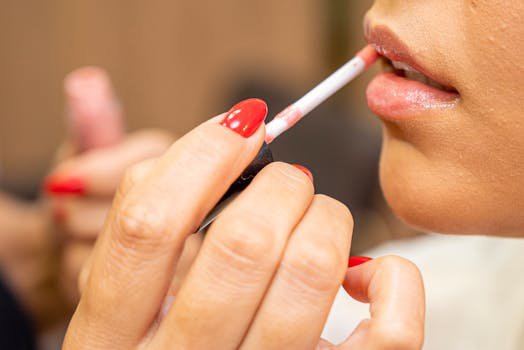
The PAO icon does the heavy lifting. Look for a small jar graphic with a number and an M. “12M” means the brand recommends using the product within 12 months after opening. Set a reminder on your phone or write the open date on the tube with a marker. That tiny habit saves guesswork later.
Batch codes tell you when the product rolled off the line. You’ll find a short alphanumeric string stamped on the crimp or base. Brands use different formats. If the code looks cryptic, contact customer service or check the brand’s site. The code unlocks the manufacture date and helps you avoid buying old stock during clearance season.
Best-before dates on makeup remain rare in Canada. Regulators require ingredient lists and safety, not expiry stamps. That places the responsibility on you to read the PAO, store products well, and trust spoilage signs. The PAO assumes average bathroom storage and daily use. Your habits may shorten or extend that window.
Packaging shapes the countdown. Airless pumps limit oxygen and fingers. Classic pumps and squeeze tubes still protect well if you recap right away. Jars expose the entire surface area each time you open the lid. If you love a jar formula, use a clean spatula and keep the lid time brief.
Finally, pay attention at the point of purchase. Boxes on an endcap under bright lights sit warmer than stock in a drawer. Heat ages emulsions. Reach for units from the back if the display looks sunlit or the store runs warm.
Shelf life by primer type: silicone, water, SPF, and glow
Not all primers age the same. Formula type sets the baseline, then packaging and storage push it up or down.
Silicone-based primers use dimethicone and similar polymers to blur and smooth. These formulas resist water and often carry a 12M or even 24M PAO. They still degrade. Over time, slip agents lose even spread, and the gel matrix can weep clear fluid. Iconic blurring primers from houses like MAC generally hold up well if you keep them capped and cool.
Water-based gel primers hydrate and grip. They rely on film-formers and humectants. These gels usually list a 6M–12M PAO. They show age faster because water invites microbial growth once preservatives struggle. Hydrating options from Clinique or pro lines like Revolution perform best within their first year after opening.
Illuminating primers mix emollients, mica, and sometimes oils. They feel silky and leave a sheen. Oils can oxidize. That produces a crayon-like smell and a warmer, sometimes orange, tint. Many glow primers, including radiance blends from Charlotte Tilbury, show a 12M PAO. Respect it, especially if you store the tube in a bright spot.
SPF-infused primers require extra care. UV filters lose power with time and heat. Treat these as sunscreens first, primers second. Replace within 12 months of opening. Do not count on an old SPF primer for real protection. Pair a dedicated sunscreen from our SPF Protection Products category with your favourite base for safer coverage.
Colour-correcting primers carry pigments that can settle. Green, peach, and lavender tints still work well if you can re-disperse them with a vigorous shake. If colour clumps or the base looks streaky after shaking, performance has likely slipped. When in doubt, compare a fresh dab against a patch from the same tube you opened months ago. If the tone shifts or the slip feels gritty, plan a replacement.
If you shop by brand, explore our Face Primers category. You can filter by finish and skin type, then add options to your wishlist. We’ll ping you when stock changes or a Canadian retailer runs a promo.
Spoilage signs you can trust
Your skin and your eyes give the clearest verdict. Start with the look and feel in the tube. Phase separation that will not mix after a good shake signals breakdown. A primer that once squeezed as a smooth gel but now sputters water and blobs has aged out.
Texture on skin tells the next story. Fresh primer spreads in a thin, even veil. Old primer drags, pills, or leaves clumps that magnify pores rather than blur them. If foundation over it looks patchy, lifts when you tap, or slides off by mid-morning, the primer may have passed its prime.
Use your nose. Many silicone-heavy formulas smell neutral when new. A sour, plastic, or crayon note suggests oxidation or microbial activity. Fragrance can mask early shifts, so do not rely on perfume to judge safety.
Watch for colour change. Clear gels turning yellow or tinted primers skewing darker point to oxidized oils or unstable pigments. Mica-based glow primers can look dull or streaky as binders fail. You should not need to fight the product to make it blend.
Finally, assess skin response. Stinging, redness, or unusual warmth after application indicates stress. Do a quick patch test on the jaw or behind an ear if a long-ignored tube re-enters your routine. Any irritation means you retire it. No glam look starts with angry skin.
Packaging, climate, and storage: Canada-proof your primer
Air, light, and heat age primers fast. You control all three with smart storage. Keep bottles in a drawer or cupboard away from radiators and windows. Recap immediately after use. Wipe nozzles so residue does not dry and seed clumps back into the tube next time.
Airless pumps extend usable life. They push product up without backflow. Traditional pumps and squeeze tubes still protect well, but try not to tap the opening to your face or fingers. That touch introduces microbes and oils that thin preservatives must then fight.
Canada’s winter adds a unique hazard. Freezing can wreck emulsions. Do not leave your makeup bag in a car overnight. If a primer freezes in transit or luggage, expect permanent separation once it thaws. Summer brings the opposite. A parked car or sunny windowsill can bake a tube above safe temperatures within minutes.
Bathrooms also work against you. Steam and warmth fluctuate, and humidity accelerates microbial growth. Store daily-use items within reach, but keep back-up tubes in a closet or bedroom drawer. Travel with minis and refill from a fresh bottle so you do not open your full-size months before you plan to finish it.
Retailers sell plenty of jumbo sizes during holiday sets. Only buy big if you wear primer daily and keep to one open bottle. Rotating three finishes across seasons stretches that timeline too far for most formulas.
{{IMAGE:makeup flatlay primer bottles}}Hygiene and application habits that protect shelf life
Clean application extends a product’s life more than most people think. Wash hands before you apply. If you prefer tools, reach for clean brushes or a sponge from our Makeup Brushes & Applicators category. Tools reduce direct contact with the tube opening and the product inside.
Do not double-dip a spatula without washing it. If your primer lives in a jar, treat it like a moisturiser. Use a dedicated spatula, scoop only what you need, and close the lid quickly. Wipe the rim so it stays clean and tight.
Apply primer before foundation and avoid pressing the nozzle to your skin. That habit transfers sebum and makeup back into the opening. A quick alcohol wipe on the nozzle once a week keeps things tidy. Let alcohol evaporate fully before the next use.
Skip sharing. A friend’s face can host microbes yours does not love. Eye-area use deserves extra care. Many face primers work under eyes, but the skin there responds faster to irritation. Consider a fresh tube if you plan to switch a face primer into eye-duty after months of storage.
Finally, measure your dose. More product does not mean better grip. Over-application increases pilling, which many users mistake for “spoiled.” Try a pea-sized amount for the whole face. If pilling continues on a fresh bottle, test compatibility with your moisturiser and SPF. Some combos clash even when both products are new.
Replacement timelines and smarter shopping in Canada
Set timelines by formula, then refine them by your storage and usage. Unopened primers often stay stable for up to three years from manufacture when stored cool and dark. Opened silicone-heavy blurring formulas commonly hold a full year. Water-rich gels prefer a tighter 6M–12M cycle. SPF primers deserve the strictest rule: replace within 12 months of opening, and sooner if heat exposure occurs.
Write the open date on the back of the bottle. That small step beats guesswork and helps you finish products before freshness dips. If you rotate primers by season, buy smaller sizes or minis. Holiday kits from brands like MAC and discovery sets from Clinique or Revolution give you enough for a season without leftovers.
Canadian shoppers face limited shades and longer restocks in some regions. Resist stockpiling backups you will not open for a year. Our price tracker often sees fresh supply return before you would ever reach for that sealed spare. Add your picks in Face Primers to your wishlist. We alert you when Sephora Canada, Shoppers Drug Mart, The Bay, or Well.ca adjust stock or run promotions.
Match your primer to your base and season. Hydrating grips pair well with lighter Liquid Foundations for winter. Blurring silicones shine with satin or matte coverage in summer. If you want sun defence every day, keep SPF as a separate step from our SPF Protection Products category. Do not rely on an aging SPF primer for protection on a beach day.
Before you bin a bottle, confirm spoilage rather than a clash. Try the primer over bare skin. Then test with a different moisturiser or SPF. If problems persist, the formula likely expired. If it performs well in a new combo, your previous pairing caused the issue.
Ingredients and stability myths to stop believing
Silicones do not make a product immortal. Dimethicone feels inert, but primers still rely on water, humectants, and preservatives. Those parts degrade with time and heat. On the flip side, natural oils do not always spoil fast. Stable esters last longer than unrefined botanical oils.
Vitamin C in a primer sounds attractive. In reality, low concentrations and opaque packaging help, but light and air still break down ascorbic acid forms. If you want real antioxidant power, keep your vitamin C in a dedicated serum and store it away from light. Leave the primer to do what it does best: grip and blur.
SPF filters need special respect. Mineral filters like zinc oxide remain more stable than many chemical filters, but any SPF formula can settle or clump as binders age. That ruins even spread and lowers protection. Replace SPF primers on schedule and use a separate sunscreen for high UV days.
Fragrance can both help and hinder. It masks small odour shifts, which tempts you to overextend use. It also adds potential irritation, which grows more likely as preservatives weaken. Unscented variants from lines like Charlotte Tilbury and value-focused brands like Revolution exist, but read the label. “Fragrance-free” still appears less often in primers than in skincare.
If you buy by brand, keep a shortlist. Classic blurring staples from MAC hold up when stored well. Radiance primers from Clinique offer sheer glow with sensible PAO windows. Budget picks from Revolution let you rotate finishes without waste. You can compare across them on our site and set stock alerts instead of hoarding backups.
House brands like Sephora Collection also cycle kits and minis often. Those kits help you finish within the PAO and find a texture that behaves with your base. That reduces trial-and-error waste and keeps your stash fresh.
What this means for your makeup bag
Primer works best fresh. That does not demand a strict calendar purge. It does ask for a plan. Check the jar icon when you open a tube. Store it cool and capped. Watch for separation, odour shifts, and pilling. Retire anything that stings or smells off.
- One open primer per finish beats a drawer of half-used tubes.
- Write your open date and stick to 6M–12M for water gels and 12M–24M for silicone blurs.
- Keep SPF separate if you want reliable sun protection all year.
- Buy minis or kits when you rotate seasonally or only use primer for events.
- Use clean hands or tools and avoid touching nozzles to skin.
- Add favourites in Face Primers to your wishlist. We will alert you when stock or pricing changes in Canada.
You will save money by finishing what you open and skipping backups you will not reach for in time. Your foundation will also behave better. Fresh primer grips and glides as designed. Old primer makes you work harder for weaker results.
How long do you keep a primer before you call time? Which spoilage sign made you toss one fastest—pilling, smell, or sting? Tell us, and add your current favourite to your GlamGeek wishlist so we can ping you when it drops back in stock near you.