Our price tracker has watched a familiar pattern for years: sheet masks spike in promotion ahead of gifting peaks, while wash-off masks hold steady year-round. Promotions shift behaviour. Skin does not. The right format depends on your goals, your climate, and your patience on a weeknight.
Marketing calls both formats a quick fix. Results vary. Occlusion, water content, rinse-off times, and actives all change what happens on your face. One mask can plump skin for a photo. Another can unclog a T-zone over several uses. Both have a place. Neither suits every job.
Here is a practical, Canadian take. We compare sheet masks and wash-off masks by skin concern, climate, ingredients, time, and waste. We point to products women actually buy here, and where the savings tend to appear. Add contenders to your GlamGeek wishlist and we will ping you when the price drops, so you do not pay a winter premium for a 20-minute treat.
Context: why format matters more than hype
Across our merchant feed for Canada, we see hundreds of SKUs that split into two camps. Sheet masks deliver fast hydration and soothing. Wash-off masks cover decongestion, exfoliation, and targeted treatment. Retailers rotate textures by season. Hydrating sheets front-load winter. Clay and exfoliating jars take the summer shelf.
Climate matters. Canada has long, dry winters with indoor heating. Skin loses water faster. Occlusive formats that hold humectants on the skin make sense in January. Summer brings humidity and sweat. Congestion rises. Clay and enzyme masks shine when pores feel sticky. Your mask calendar can reflect the weather, not a trend.
Availability also plays a role. New US launches sometimes take months to land at Sephora Canada or Shoppers Drug Mart. We track that lag. If you plan a routine around a viral mask, check whether Canada has it yet. Consider a local equivalent from Sephora Collection, Garnier, or Clinique while you wait. We list all options on the Face Masks page and surface current offers from major Canadian retailers, so you do not have to hunt.
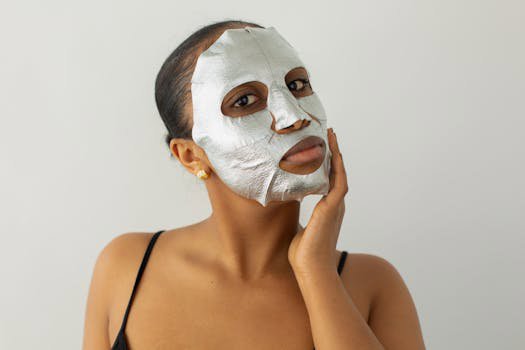
{{IMAGE:woman applying sheet mask at home}}Sheet masks: where they shine and where they stall
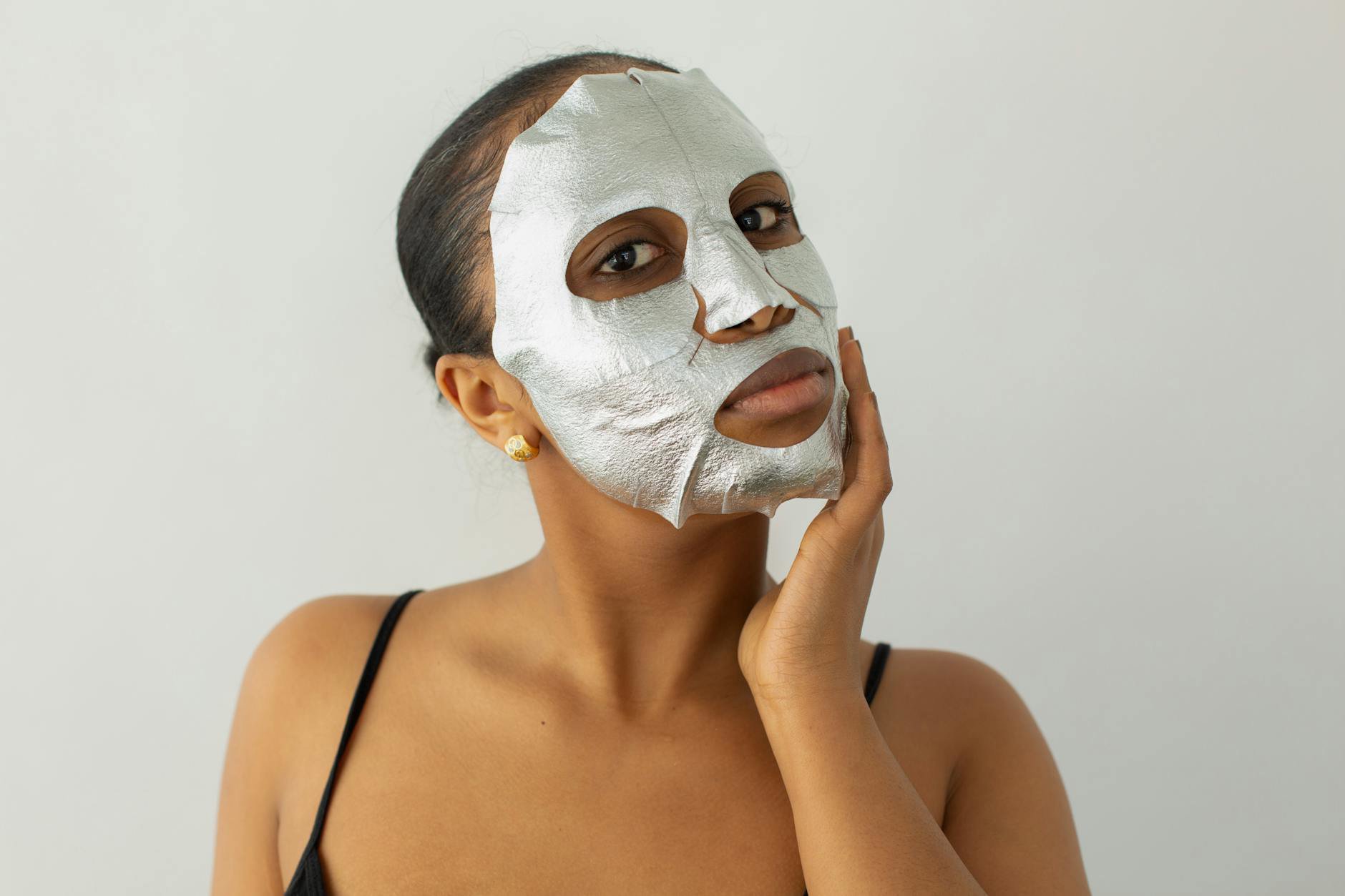
Sheet masks act like a humid tent over the skin. The fabric or hydrogel slows evaporation. Humectants such as glycerin and hyaluronic acid can bind water at the surface. That gives a plump, dewy look for several hours. If your priority is bounce and calm, sheets deliver fast.
We rate simple, hydrating sheets that skip strong acids. Look at Sephora Collection for budget-friendly fibres, and Shiseido for luxe hydrogel or bio-cellulose formats that cling well. Garnier offers tissue masks that turn up often on promotion at drugstores. The Body Shop’s biodegradable sheets sit between those ends and focus on gentle actives.
Where do sheets stall? Decongestion and serious exfoliation. A soaked fabric does not scrub. Acids in a sheet raise irritation risk without the control of a rinse. We see better outcomes when acids sit in peel pads or controlled wash-off formulas instead. Sheets also need a good fit. If the mask lifts, the serum dries unevenly. Always finish with a moisturiser to seal the water you just added. Skip fragrance-heavy options if your skin flushes in winter.
Use case: pre-makeup, pre-flight, or post-ski. A 10–15 minute session calms flaky patches and helps foundation sit better. Keep the time strict. Leaving a sheet on until it dries can draw water back out of the skin. That cancels the plump you paid for.
Wash-off masks: precision, power, and control
Wash-off masks excel at tasks that need contact plus removal. Think clay to absorb oil. Enzymes or AHAs to loosen dull build-up. Sulfur to quiet spots. You control where the mask goes, how thick it sits, and exactly when it leaves. That control suits sensitive skin and combination zones.
Examples that show the range: Clinique does charcoal clays that stay gentle. L'Oréal Pure-Clay masks cover mattifying, glow, and detox angles. Clarins SOS Hydra is a cushy gel-cream that you rinse, then seal with moisturiser. Sisley Black Rose Cream Mask sits in the plush, pampering tier and targets radiance and fine lines. These hit different needs, but all give you timing control.
Power brings duty of care. Do not stack an AHA mask with a retinoid the same night. Do not keep clay on until it flakes and cracks. That dries the barrier and backfires. Aim for a “just set” clay, not cardboard. For dullness, use short, regular sessions. Weekly 10-minute masks move the needle better than a monthly marathon.
Wash-offs can also be more economical per use. A tube gives many applications. Jars and tubes reduce waste compared to single-use sheets. That matters if you mask often through a prairie winter and want results without a bin of sachets.
Match the format to your skin scenario
Dry or tight skin in winter: choose sheet masks with hyaluronic acid, glycerin, panthenol, and ceramides. Follow with a rich moisturiser. Consider The Body Shop for Vitamin E or aloe-based sheets and a ceramide cream on top. If you prefer wash-off, look for gel-cream masks that rinse clean but leave slip. Clarins SOS Hydra is built for this, and Lancôme and Estée Lauder offer similar comfort textures.
Oily or congested T-zone: hold the sheets for hydration days. Use clay on the centre of the face, not the cheeks. Charcoal, kaolin, and zinc help. Clinique and L'Oréal keep this gentle enough for repeat use. Rinse before it fully dries. Pat a light hydrator on top to avoid rebound oiliness.
Sensitive or redness-prone: pick minimal-fragrance sheets with madecassoside, centella, or oat. Keep the session short. For wash-off, avoid grainy scrubs and high-acid blends. Enzyme gels can give glow without the sting. Patch test behind an ear before a full-face try. You can also multi-mask: clay on the chin and nose, calming sheet on the cheeks. That saves your barrier while fixing the parts that need it.
Mature skin or fine lines: hydration boosts plump, but actives build results. Alternate. Use a gentle AHA wash-off weekly for texture. Add a peptide or ceramide-rich sheet when skin looks flat. Brands like Shiseido, Lancôme, and Sisley sit in the luxe lane here. Check our price comparison before you commit; we often catch brand events that soften the spend.
Ingredients: what works best in each format
Best in sheet masks: humectants and calmers. Glycerin, hyaluronic acid, aloe, panthenol, beta-glucan, and ceramides top the list. Niacinamide can help tone and barrier. Light antioxidants such as green tea work too. Fragrance can irritate when skin sits occluded, so fragrance-free lines win on reactive cheeks. Garnier and Sephora Collection both label by concern, which makes scanning easy.
Handle with care in sheet masks: strong acids and retinoids. Occlusion can amplify tingle into a sting. If a sheet includes exfoliating acids, limit the time and avoid the eye area. Do not pair with another exfoliant that day. Save stronger resurfacing for controlled rinse-off formats.
Best in wash-off masks: AHAs (glycolic, lactic), BHAs (salicylic), enzymes (papain, bromelain), clay (kaolin, bentonite), charcoal, sulfur, and azelaic-like blends. These work well with precise timing and removal. Oil-absorbing clays suit hot months or hormonal weeks. Brightening acids lift dullness when used consistently. Rinse with lukewarm water and follow with barrier care.
Handle with care in wash-offs: mixing multiple active masks in one session. Keep to one family at a time. If you use retinoids at night, mask with acids on a different night. Your barrier will thank you when the radiators stay on from November to March.
Time, mess, and how each fits real routines
Sheet masks win for speed and ease. Tear, unfold, press, and scroll a timer. No sink needed. They work in front of a humidifier on the sofa. They work in hotel rooms. They prep skin for makeup in 10 minutes. That is useful if you need a calm base before a long day and dry office air.
Wash-off masks suit planned resets. They ask for a sink, a headband, and a clock. They give precision that pays off if your pores clog or your tone looks flat. Many tubes also allow “target masking.” You can paint clay on the T-zone and leave cheeks bare. That limits dryness and saves product.
If mess is your stress, pick gel textures you can swipe off with a damp microfibre cloth. Avoid crumbly clays that drop on your jumper. If time is tight, consider 3–5 minute express formulas from established brands. Estée Lauder and Clarins both play in this space. For pre-makeup, sheets tend to win. For reset Sundays, jars and tubes take it.
{{IMAGE:woman rinsing off face mask at bathroom sink}}Sustainability and cost-per-use: what our data suggests
Single-use sheets create more packaging waste. Even with compostable fibres, many pouches still go in the bin. Multi-use jars and tubes spread packaging across dozens of applications. If you mask weekly, wash-off formats usually cut waste.
Cost-per-use often favours wash-offs too. Promotions on sheet masks help, but the maths rarely beats a 75–100 ml tube used over months. Our tracker shows regular multi-buy or points events on sheets at drugstores. We also catch brand-wide offers on prestige wash-offs at department stores. Both save money. The longer arc leans to jars if you mask often.
If sustainability tops your list, look for biodegradable sheet materials and minimal fragrance. Some brands state the fibre source clearly. In wash-offs, pick recyclable tubes over heavy glass where shipping weight adds emissions. Either way, buy what you will finish. A half-used jar expiring on a shelf wastes more than a finished pack of five sheets.
Use your GlamGeek wishlist to set alerts. We aggregate prices from Sephora Canada, Shoppers Drug Mart, The Bay, and Well.ca. You can time restocks to promotions instead of paying full price mid-winter when demand and dryness spike together.
Techniques that actually improve results
Prep well. Cleanse with something mild, not stripping. Try a low-foam gel from the Foam & Wash Cleansers category. Pat dry. If you plan a sheet, apply a watery toner first to dampen the canvas. That helps the sheet sit well and stay moist.
Sheet mask rules: smooth from centre outward. Press along the sides of the nose. Do not talk while it sits. Stop at 10–15 minutes. Massage in leftover serum on the neck and chest. Seal with a cream from Day Face Moisturisers or Night Face Moisturisers depending on the time. If any stinging or redness builds, remove it early and rinse with cool water.
Wash-off rules: apply a thin, even layer. Avoid the eye area unless the brand states otherwise. Use a soft brush if you prefer clean fingers. This improves evenness and keeps jars tidy. Follow the exact time on the box, especially with acids. Rinse thoroughly with lukewarm water. Do not use hot water in winter; it worsens dryness.
After any mask, treat skin kindly. Add a hydrating serum from Day Face Serums if needed, then a moisturiser. In the morning, apply broad-spectrum protection from SPF Protection Products. Masks can make skin more light-sensitive. SPF protects the progress you just made.
Brand spotlights Canadian shoppers actually find
Budget and mid-price: Garnier covers easy-win hydration in sheets and offers clear labelling by concern. Sephora Collection keeps prices accessible and rotates seasonal scents and fibres. The Body Shop positions itself with community-led sourcing stories and biodegradable sheet options.
Derm-backed: Clinique sticks to fragrance-free in skincare and offers charcoal clays and soothing wash-offs. These fit sensitive skin that still wants results. Clarins balances botanicals with gentle textures. It delivers hydration in formats that work in cold months.
Luxe: Shiseido builds hydrogel sheets and structured masks that hug contours. Texture and adherence matter there. Lancôme and Sisley lead pampering wash-offs when you want both comfort and radiance. If you are eyeing a luxury jar, add it to your GlamGeek wishlist. We flag brand events and seasonal gift sets under Skin Care Sets that can lower the cost of entry.
Colour-adjacent prep: if your goal is a smooth base for makeup, use a hydrating sheet, then a primer from Face Primers. This helps with pilling and patchiness in dry air. Brands like Charlotte Tilbury and MAC appear often in our comparison for prep products that play well over masks.
When to pick one, when to alternate, when to skip both
Pick a sheet mask when you want fast hydration, travel-friendly care, or makeup prep. Keep it simple on ingredients. Seal it in with cream. Use it two or three times a week in winter if your skin tolerates that schedule.
Pick a wash-off mask when you want to treat texture, oil, or stubborn dullness. Set a timer. Start with weekly use. Adjust as your skin responds. Multi-mask if your T-zone and cheeks behave like strangers.
Alternate when your goals split by day. For example, use a clay mask mid-week after a sweaty workout. Use a hydrating sheet on Saturday before dinner. This prevents over-exfoliation while keeping skin bouncy. Your barrier will cope better through central heating season.
Skip both when your skin is actively irritated, sunburned, or over-exfoliated. Go back to basics. Cleanser, bland moisturiser, and SPF. Reintroduce masks once your barrier calms. Use our filters on the Face Masks page to shortlist fragrance-free and sensitive options before you retry.
What this means for your routine
Sheet masks and wash-off masks excel at different jobs. Sheets hydrate and soothe fast. Wash-offs refine, decongest, and brighten with more control. Your best choice changes with the season, the week, and even the day’s plans. Build a small roster. Do not overstack actives. Keep a calendar that reflects winter dryness and summer humidity.
Spend where you see value. If you mask often, a tube usually beats singles on cost and waste. If you want a quick lift before events, keep a pack of reliable sheets on hand. Use GlamGeek to compare prices across Canadian retailers. Add favourites to your wishlist. We will alert you to promotions so your routine stays consistent even when demand rises and shelves shuffle.
Your turn
What job do you need your next mask to do: hydrate fast, smooth texture, or unclog a zone? Tell us your skin type, your climate, and how much time you can spare. We will point you to a short list on our Face Masks page and flag current offers so you can try the format that fits without overspending.