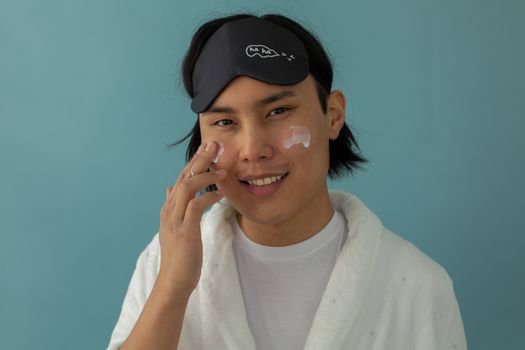
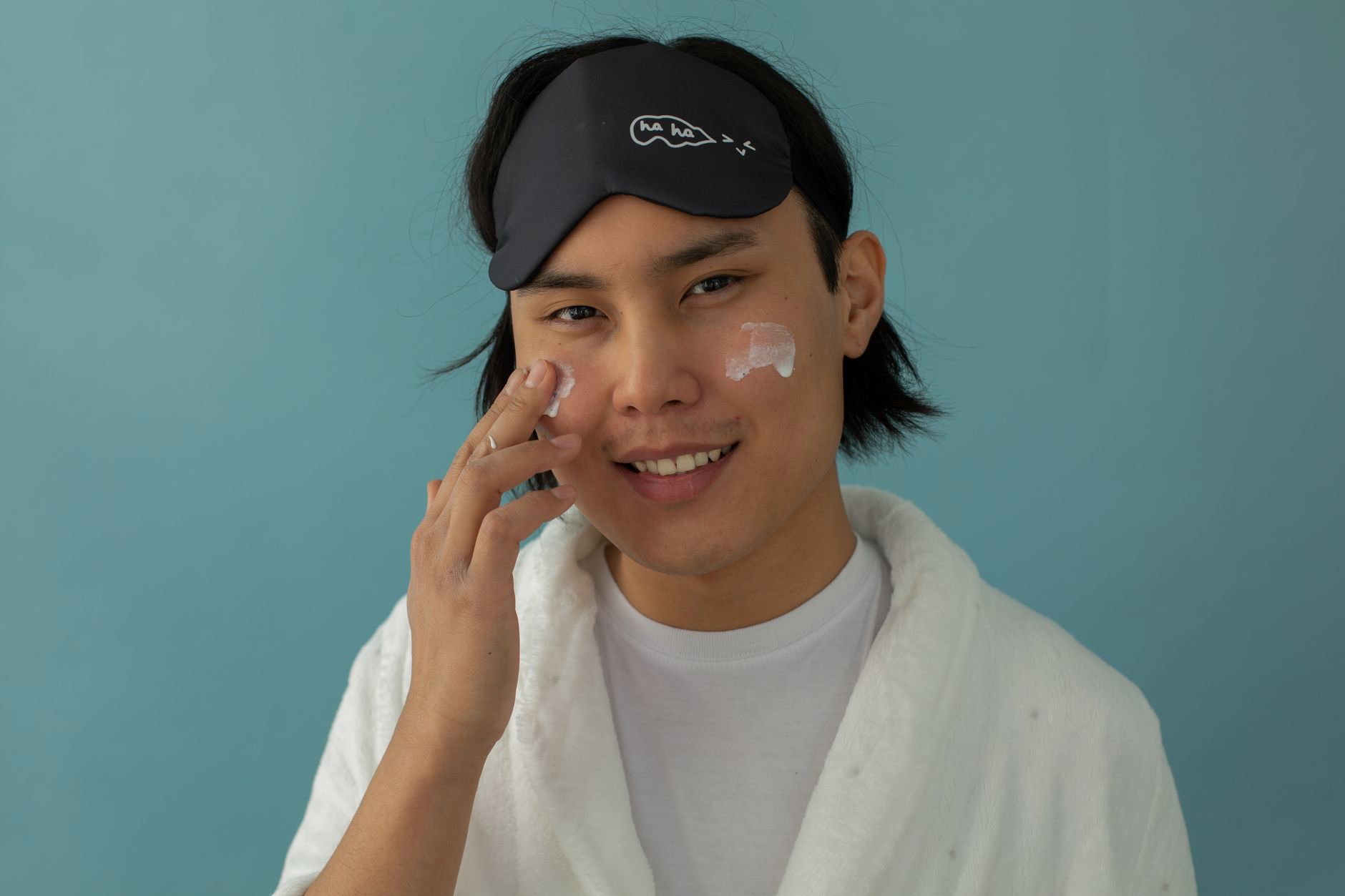
Yes, most people can use a night moisturiser every night.
But “every night” only works when the formula matches your skin, your climate, and the rest of your routine. In Canada, dry winters and indoor heating push many complexions toward daily barrier support. On the flip side, oily or congestion-prone skin can react fast to rich textures, heavy occlusives, or too many actives stacked together.
Our pricing feeds across Canadian retailers show night creams often come in a wider texture range than many shoppers expect—from gel-creams to balm-like occlusives. The right frequency depends less on the label and more on how your skin behaves after two to three weeks of consistent use.
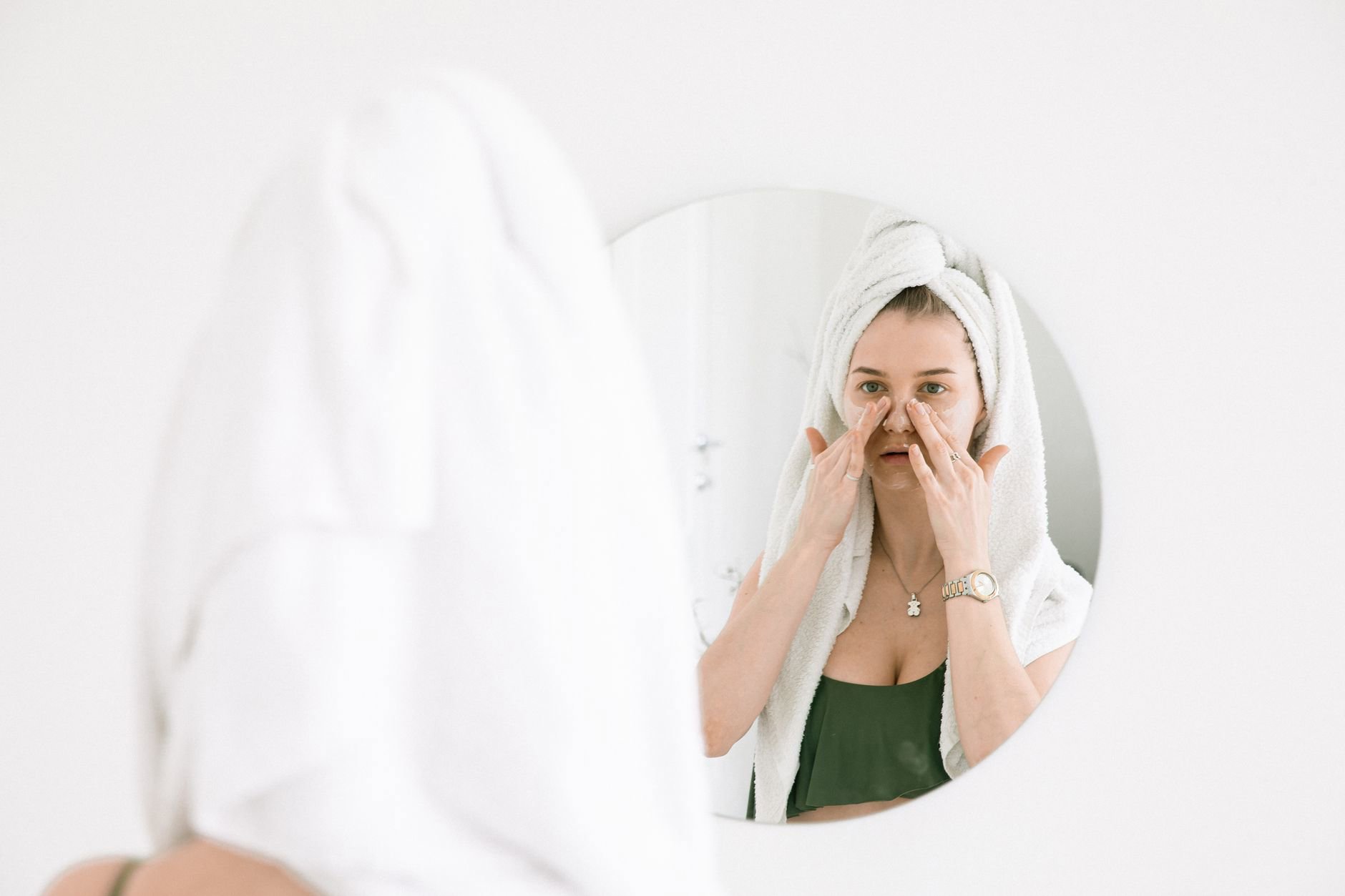
Quick rule: nightly use is the default. Then adjust down if you see irritation, clogged pores, or persistent shine in the morning.
When nightly use makes sense (and when it doesn’t)
Night moisturiser exists for one job: reduce overnight water loss and support the skin barrier while you sleep. If your skin feels tight after cleansing, looks dull by morning, or gets flaky around the nose and mouth, nightly use usually helps.
Daily night moisturiser also makes sense when your routine includes ingredients that can be drying or sensitising. Retinoids and exfoliating acids can increase dryness and compromise the barrier when used aggressively. A consistent night moisturiser can buffer that, even if you keep actives to a few nights a week.
When does nightly use not make sense? When the formula is too heavy for your skin, or when you treat “night cream” as permission to pile on everything. If you wake up with greasy film, more bumps, or sore red patches, you don’t need to quit moisturiser—you need to change the dosage, texture, or the actives you pair with it.
Another common mismatch: using a rich occlusive cream every night in a short, hot, humid summer stretch. Many Canadians can tolerate more richness from October to April, then prefer lighter textures from June to August. Seasonality matters.
How to set your frequency by skin type (a practical framework)
Frequency works best when you treat it like a dial, not a rule. Start with nightly application for 10–14 days, then adjust.
Dry or dehydrated skin: nightly use typically stays steady year-round. In winter, many people do best with a slightly thicker layer on the driest zones. If you still feel tight by morning, you may need a more occlusive night formula rather than “more nights.”
Normal or combination skin: nightly use often works, but you may apply less on the T-zone. A common pattern that keeps things balanced: full-face nightly application in winter, then “cheeks only” in summer if you wake up shiny.
Oily or acne-prone skin: you can still moisturise every night. The trick is texture and amount. Use a smaller quantity, spread thinly, and avoid stacking multiple heavy layers. If you see closed comedones on the forehead or along the jaw, consider switching to a lighter night moisturiser rather than skipping nights.
Sensitive or reactive skin: nightly moisturiser can be supportive, but your barrier gives you quick feedback. If you feel stinging on application, persistent redness, or burning when you sweat, reduce the frequency for a week and simplify the rest of the routine.
One more variable: how much you apply. Many “my skin hates night cream” complaints disappear when people cut the amount in half.
Actives at night: retinoids, acids, and the moisturiser “sandwich”
Most people ask about frequency because they want to use actives at night. Fair.
Retinoids: If you use a retinoid, a night moisturiser often becomes the stabiliser in the routine. You can moisturise every night even if you only use retinoids two to four nights a week. A common approach that reduces irritation: moisturiser, retinoid, then a second thin layer of moisturiser on top. People call this “sandwiching.” It lowers dryness without making the retinoid useless.
Exfoliating acids (AHA/BHA): Acids and rich occlusives can sometimes feel uncomfortable together on sensitive skin. If you use acids at night and wake up tender, try an “acid night” with a lighter layer of moisturiser, then a “recovery night” with a more generous layer the next evening.
Occlusives: Petrolatum-style occlusives reduce water loss, but they can trap heat and sweat. That can feel great on windburned winter skin and not so great on oily skin in July. If you suspect occlusives cause congestion, don’t jump to “no moisturiser.” Instead, use an occlusive-leaning formula only two to three nights a week and keep the other nights lighter.
We also see shoppers over-correct by buying several products across categories—serums, masks, and oils—then blaming the night moisturiser when irritation hits. If you want to keep the routine simple, the night moisturiser should be the consistent baseline and the actives should be the rotating pieces. For context only, this is the same logic we use when comparing routines that include Anti Ageing Face Serums or Face Masks: one steady anchor, one variable.

What to look for in a night moisturiser (without getting sold a fantasy)
Night moisturiser marketing loves a miracle claim. Skin usually wants basics.
At a formula level, most night moisturisers rely on three building blocks:
- Humectants to pull water into the skin (think glycerin-type behaviour, even when brands don’t spotlight it).
- Emollients to make skin feel smooth and reduce roughness.
- Occlusives to slow water loss overnight.
- Support ingredients that target tone, texture, or lines (often where irritation risk rises).
What changes for nightly use is the risk of accumulation. A mildly fragranced cream once a week might feel fine, but nightly use can tip some people into sensitivity. Same story with highly active blends: daily use can become too much even when the product seems “gentle.”
Texture also matters more than people admit. If you dread applying it, you’ll use too much, skip nights, or rub aggressively. All of those increase irritation. The best night moisturiser is the one you can apply consistently, in the right amount, without drama.
Canadian shopper behaviour also reflects price tiers. Our tracker often shows three buying patterns: budget-friendly basics (especially at Shoppers Drug Mart), mid-range staples (common at Sephora Canada), and luxury jars (often at The Bay). Price does not guarantee tolerance. It usually buys texture and sensorial extras.
Night moisturiser picks (Canada) and who we’d match them to
We can only recommend products we can verify from our tracked listings. That means: brand, product name, and the listed Canadian price. If a product’s ingredient claims aren’t provided in the feed, we won’t invent them.
Here are night face moisturisers we see Canadian shoppers compare often, grouped by budget logic and typical use cases.
Budget to mid-range: reliable nightly habits
- Clinique Smart Night Clinical MD Multi-Dimensional Repair Treatment Retinol — C$120.00. Best for shoppers who want a night moisturiser that explicitly pairs with a retinol concept. Start slowly if you react to retinoids.
- L'Oréal Revitalift Triple Power Anti Aging Moisturizer — C$22.99. A pragmatic price for nightly use when you don’t want the “special occasion” jar problem.
- Garnier SkinActive Moisture Rescue Refreshing Gel-Cream — C$10.99. A strong candidate for people who prefer lighter gel-cream textures at night.
- The Body Shop Vitamin E Nourishing Night Cream — C$32.00. A straightforward night-cream category buy for those who want a classic cream format.
With budget picks, the main win is consistency. You can use them nightly without feeling like each application costs a latte.
Mid-range to premium: texture and targeted routines
- Estée Lauder Revitalizing Supreme+ Night Intensive Restorative Creme — C$168.00. A premium night cream choice when you want a dedicated night jar and a richer feel.
- Lancôme Rénergie Lift Multi-Action Night Cream — C$135.00. Often cross-shopped with other lifting-themed night creams at Sephora Canada and The Bay.
- Shiseido Benefiance Overnight Wrinkle Resisting Cream — C$92.00. A classic “overnight” format for shoppers who want a dedicated PM moisturiser.
- Clarins Multi-Active Night Cream — C$82.00. A mid-range night option that fits a lot of routines where irritation isn’t the goal.
With premium jars, nightly use can feel psychologically harder because you try to “save it.” If you only use it twice a week, you might do better with a cheaper nightly staple and keep the premium one for winter or recovery nights.
Luxury tier: if you know you’ll commit
At this tier, the risk is buying for the fantasy and using it inconsistently. If you want nightly use, prioritise the jar you can apply every evening without rationing.

Signs you should scale back (and what to do instead)
Night moisturiser should not hurt. It also should not make you break out in a new pattern.
Here are the most common signals that “every night” needs tweaking:
- Stinging or burning on application that lasts more than a minute.
- Redness that spreads beyond your usual flush zones.
- New bumps in clusters, especially closed comedones on the forehead or along the jaw.
- Waking up greasy even after using a small amount.
- Flaking plus oil (often a sign of barrier stress from actives, not “too much moisturiser”).
What to do next depends on the pattern.
If you see irritation, keep the night moisturiser but reduce actives first. Use the moisturiser nightly for one week with no exfoliation nights. If the stinging stops, you found the culprit. Then reintroduce actives on alternate nights.
If you see congestion, reduce the amount and apply only where you feel dry for 7–10 days. If that doesn’t help, switch to a lighter-feel night moisturiser rather than skipping moisturising altogether. Many oily skins still need overnight hydration; they just don’t need a dense layer.
If you get flaking and tightness, you likely need either a richer formula or more consistent nightly use. People sometimes moisturise “when dry,” which guarantees they stay dry.
How to apply night moisturiser for nightly use (so it works better)
Night moisturiser performs best when you treat it like a measured step, not a finish-line slather.
Step-by-step, skin-first:
- Apply to clean, slightly damp skin. Not dripping. Just not fully air-dried.
- Use a pea to nickel-sized amount depending on texture and season.
- Press and smooth. Don’t scrub it in.
- Give it 2–3 minutes before your face hits the pillow.
If you run actives, keep a simple weekly rhythm. Here’s one that suits many Canadians in winter:
- 2 nights: active night (retinoid or acid) + a thinner layer of night moisturiser.
- 5 nights: recovery night (night moisturiser only) with a normal layer.
Summer often flips that. Lighter layer most nights, richer “recovery” only when you feel dry after sun or air conditioning.
One more practical point: if you also use a daytime product, don’t assume your night jar must be heavier. Some people do better when their night moisturiser feels similar to their day texture, just used more consistently. If you want to compare formats, bookmark our category pages for Day Face Moisturisers and SPF Protection Products—not for swapping products here, but for planning how your day and night steps complement each other.
Price, value, and where Canadians actually buy night creams
Night moisturisers sit in a wide price band in Canada, and the “Canada premium” can show up fast on prestige brands. We see shoppers cross-check Sephora Canada against The Bay and Shoppers Drug Mart, then wait for promos or points events to make a pricier jar feel reasonable.
Value comes down to cost per night and whether you will apply it nightly. A C$225 luxury jar looks different if you use it twice a week versus nightly. A C$10.99 gel-cream can outperform an expensive cream if it keeps you consistent and un-irritated.
Our general shopping advice stays boring on purpose:
- Buy the texture you’ll use every night, not the one that sounds nicest.
- When introducing a new night moisturiser, avoid changing other steps for two weeks.
- If you use a retinol-labelled night product (like Clinique Smart Night Clinical MD Multi-Dimensional Repair Treatment Retinol at C$120.00), start with fewer nights and build up.
- Save luxury jars for seasons when they shine, like January dryness.
And if you need a clean mental model: the “best” night moisturiser is the one that improves your mornings without adding new problems.
Practical takeaways you can use tonight
If you’re unsure, start with nightly use for two weeks using a modest amount. Track three things: morning tightness, new texture (bumps), and redness. Those signals matter more than the label.
If your routine includes actives, keep the night moisturiser consistent and adjust the actives, not the moisturiser. Many irritation spirals start when people stop moisturising because they peel, then peel more, then keep exfoliating. Swap that loop for recovery nights.
Need a simple pairing strategy? Pick one night moisturiser as your baseline—something you can afford to apply nightly—then decide if you want a second, richer option for winter-only nights. In our tracked set, that often looks like a lighter gel-cream like Garnier SkinActive Moisture Rescue Refreshing Gel-Cream (C$10.99) as a baseline, then a richer premium jar for cold snaps.
Consistency wins. Drama loses.
Which skin type best describes you—dry, oily, combo, or sensitive—and are you using retinoids or acids at night? We can help narrow the nightly frequency and which of the options above fits your pattern.