Our price tracker flags lip balms as one of the most repeatedly purchased items across major Canadian retailers. That repeat spend tells a simple story: we burn through balms faster than we think, keep multiples, and often let half-used sticks linger in coats and handbags long after they should go. The truth is less cute than a cherry-scented bullet. Yes, lip balms expire—and some expire faster than others.
Across our merchant feed, we see restocks spike during January cold snaps and again before summer long weekends. Heavy use in dry, heated air, then pocket-melting summer heat. Those swings do not help a balm’s shelf life. If you’ve ever pulled a grainy tin from your parka or a soupy stick from your car console, you’ve seen the effects of time and temperature.
Most balms don’t shout about expiry the way sunscreens do. They rely on a small open-jar icon—your PAO (Period After Opening)—or nothing at all. Add in “natural” oils that oxidize faster and tinted formulas that behave more like makeup, and the guesswork grows. We cut through it below, with clear timelines, ingredient stability notes, and the unmistakable red flags that mean it’s time to bin and replace.
Context: PAO symbols, printed dates, and how Canada treats balms
Two markers matter: a printed expiry date and the PAO symbol. A printed date appears most often on SPF lip balms. In Canada, SPF products fall under drug rules and include an expiry date on the carton and often the tube. That date is a hard stop. An expired SPF balm won’t give proper UV protection, even if it still looks fine.
The PAO symbol looks like an open jar with a number—6M, 12M, 24M. It tells you how long the product stays safe and performs as intended once you open it. Many anhydrous balms (formulas without water) carry a 12M or 24M PAO. Water-containing lip treatments often sit nearer 6M or 12M.
Unopened shelf life varies by formula, packaging, and storage. Most waterless sticks and tubes last up to a few years unopened in a cool, dark drawer. Oils with many unsaturated bonds, like rosehip or evening primrose, oxidize faster. They can shorten both unopened and opened timelines.
One more detail from our data: minis and value sets flood the market during holiday periods. We see shoppers add three, four, five balms to wishlists over the season. Many sit unopened until spring. Keep boxed backups in a stable, cool spot. Avoid bathrooms and window ledges. Heat, light, and humidity chip away at stability, even before you break the seal.
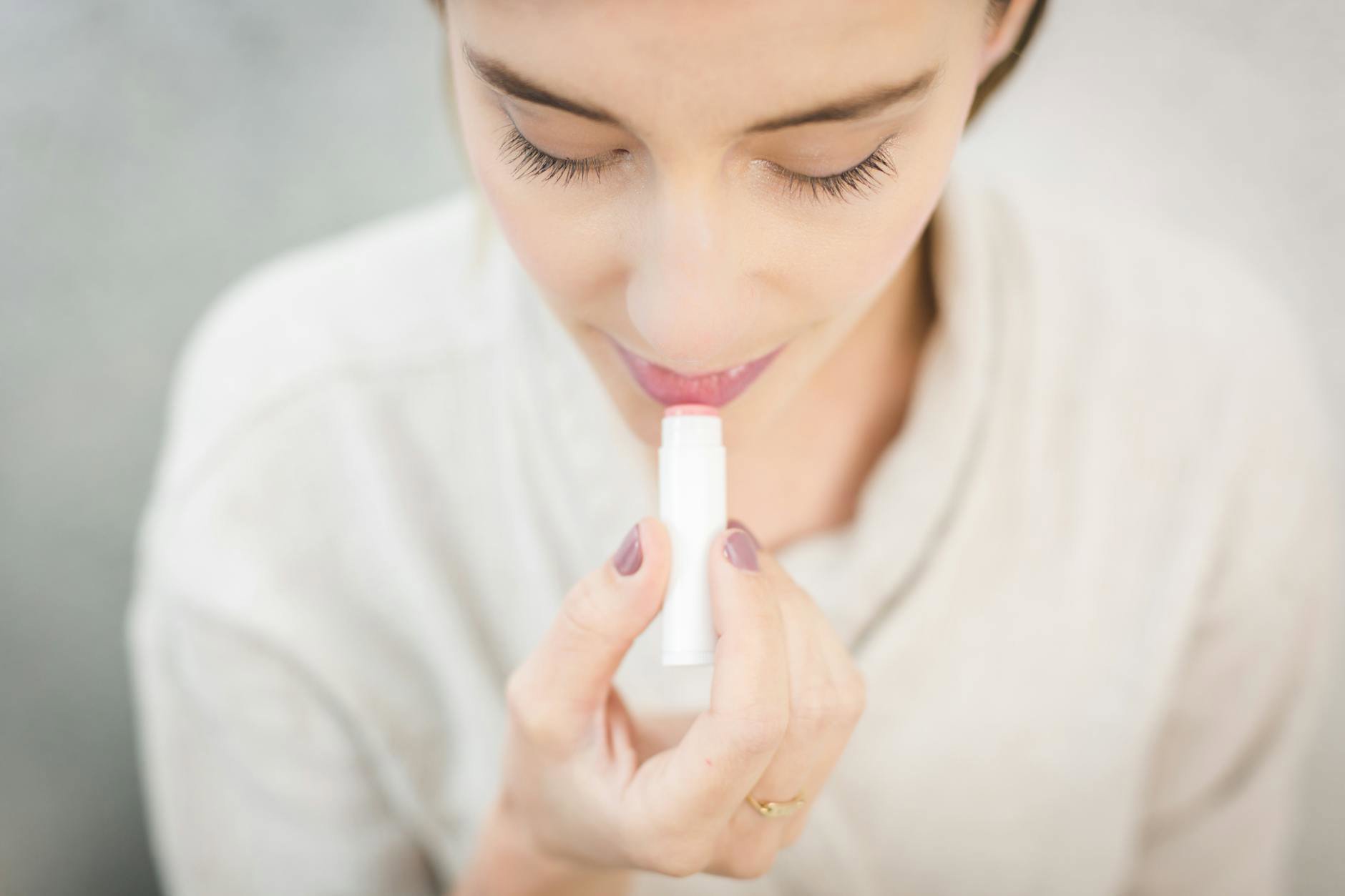
{{IMAGE:woman applying lip balm close-up}}How long do different lip balms last?
Not all balms share a clock. Composition sets the pace. So does packaging. Here’s how common categories behave when unopened and once you twist up.
Petrolatum or mineral-oil heavy sticks: These classic formulas resist microbial growth because they contain no water. They handle temperature swings better than many natural blends. Unopened, they often sit tight for years in a cool, dark place. After opening, the PAO usually ranges from 12M to 24M. They can still go off if you store them in heat or leave them uncapped.
Beeswax and plant oil balms: These feel lovely and often carry “clean” positioning. They rely on oils like sunflower, jojoba, or coconut, and stabilisers like vitamin E. Unsaturated plant oils oxidize faster than mineral oil. Unopened, plan for a shorter window than petrolatum sticks. After opening, consider 12M realistic. If the blend includes fragile oils like rosehip, watch for earlier changes in scent and texture.
Lanolin-based balms: Lanolin excels at reducing transepidermal water loss in harsh weather. It suits Canadian winters. It can develop a stronger odour over time. If you spot a PAO of 12M, stick to it. Store it cool to reduce odour shifts and keep texture smooth.
SPF lip balms: Treat them like sunscreen. Use them during the season you buy them, then check the printed date next spring. Mineral filters like zinc oxide bring stability but can separate when they overheat. Organic filters (like avobenzone) lose effectiveness when light and heat stress them. An expired SPF balm does not protect. Replace it before the first patio day.
Tinted and glossy balms: Colour pigments and flavour oils increase complexity. Some tinted balms behave like lipstick with a balm core. Expect shorter PAOs, often 6M to 12M. Fragrance-free tinted options may last a bit longer, but colour and oils still age. Watch for odour shifts and texture changes earlier than with a plain stick.
Water-containing lip treatments: A few lip masks and treatments blend water with butters and humectants. Preservatives protect them while the PAO clock runs. Opened jars or tubes with water inside usually sit closer to 6M or 12M. Close the cap promptly and avoid fingers to extend their useful life.
Red flags: clear signs your balm has turned
Trust your senses. When oils break down or ingredients destabilise, they send signals. These cues mean you should retire the tube and open a fresh one.
- Rancid, crayon, or play-dough odour: Oxidized oils smell off. Once you notice it, the balm has passed its best.
- New stinging or burning: Menthol and peppermint tingle by design. But if a once-gentle balm now bites, the formula may have changed with age or contamination.
- Grainy or gritty texture: Butters like shea can crystallize when they cool too slowly. Graininess can happen in fresh balms, but it increases with age and heat swings.
- Oil pooling or “sweating”: Heat pushes oils out of the wax network. Pools on the surface show a destabilised blend.
- Cracking, shrinking, or crumbling: A dried-out stick won’t glide. That drag increases irritation and can worsen chapping.
- Colour shift: A clear balm that looks yellow-brown, or a tinted balm that fades unevenly, suggests oxidation or pigment change.
- Mold or obvious contamination: Rare in waterless sticks, more possible in water-based masks or jar formats. Any visible growth means bin it.
- After illness or cold sore: Viruses linger on surfaces. Replace any balm used during an outbreak or respiratory infection.
- Past the printed date (SPF): Expired sun protection does not protect. Replace it.
One more signal comes from your own usage. If you avoid the balm because it now smells odd or drags on the lips, your instincts catch what your eyes missed. Move on.
Ingredient stability 101: what fails first
Ingredients age at different speeds. Some hold, some wilt. Knowing which ones wobble first helps you set expectations and storage habits.
Unsaturated plant oils: Rosehip, evening primrose, and many seed oils contain high levels of polyunsaturated fatty acids. Those double bonds welcome oxygen. The result is rancidity and that crayon scent. Antioxidants like tocopherol help, but they can’t fight bad storage or years of heat exposure.
Shea and cocoa butter: These butters can crystallize into tiny granules when they cool slowly after a heat spike. The balm feels grainy, then melts smooth on contact. The balm may remain safe, but texture suffers. Repeated heat swings increase the chance of crystallization and separation.
Essential oils and flavours: Peppermint, citrus, cinnamon, and “dessert” flavours create appeal, but they add volatility. Citrus oils oxidize fast and can irritate when old. Cinnamon and menthol can feel harsher as the base dries out. Fragile fragrance components fade or sour with time. Fragrance-free options often age more gracefully.
Actives: Hyaluronic acid needs water to plump; most classic balms lack it. Lip serums with humectants live on shorter timelines and need good preservatives. Peptides and vitamins support comfort, not miracles. Vitamin C in a tinted balm will not stay stable forever. Vitamin E helps slow oxidation, but only so far.
UV filters: Zinc oxide and titanium dioxide remain stable solids but can separate. Organic filters can degrade with light and time. SPF balms set their own deadline with a printed date. Respect it.
Packaging and hygiene: sticks vs pots vs tubes
Format shapes lifespan. Sticks protect the core and offer quick, low-contact application. Squeeze tubes with slanted tips keep fingers out and reduce contamination. Jars feel luxe but invite trouble in winter cold and when you reach in with hands or nails.
For jar balms, use a clean spatula. Store the spatula in a separate pouch or wipe it before every dip. Do not double-dip. If you apply after brushing teeth or after meals, wash hands first. It sounds fussy; it saves you from microbes and crumbs in your pot.
Do not share balms. We often see this with tinted balms at brunch or in the office. Sharing increases the risk of passing viruses and bacteria, including cold sores. If a friend needs relief, hand over a sealed single-use packet or gift a new tube.
Consider caps and threads. Wipe away buildup that collects dust and lint. A clean edge helps the cap seal and slows oxidation. Store every balm capped, away from windows, radiators, and car dashboards.
{{IMAGE:winter woman with scarf applying lip balm outdoors}}Canada-specific storage: winter heat, summer sun, and real life
Canadian winter punishes lips. Heated indoor air and icy wind strip moisture fast. Many women apply balm dozens of times a day. That frequency increases contamination risk and speeds up wear and tear.
Keep one active balm in rotation and a backup at home. Avoid parking extras in every coat and tote. Freeze–thaw cycles in a front hall or boot room can crack sticks and push oils out. Pocket warmth can then liquefy an already stressed balm.
Summer creates a different hazard. A closed car warms fast in the sun. A balm left in the console or a beach tote can melt into a puddle. Heat speeds oxidation and can wreck SPF effectiveness. Keep SPF lip balms in your handbag or a shaded pouch. Replace any that turned to soup and reset lumpy after cooling.
Layer your routine for comfort and protection. A hydrating serum around the lip contour supports the barrier, then a balm seals it. You can browse hydrating options in our Day Face Serums category, then finish with a pick from Lip Balms & Creams. At home, a humidifier helps overnight. It makes every balm feel better the next day.
Can you fix a grainy, sweaty, or too-hard balm?
Sometimes you can improve texture. Sometimes you should cut losses. Use these tactics only for non-SPF balms. Do not re-melt or heat any SPF product. Heat can destabilise the filters and change even spread.
- Grainy from shea crystals: Warm a small amount between clean fingers before applying. The grains melt on contact. If the entire stick feels sandy, park it in a warm room for a day so it softens and crystals dissolve. Then store it cooler to slow re-crystallization.
- Oil pooling or sweating: Blot the surface with a tissue and store the balm in a cool spot. If the separation returns or the smell turns, retire it.
- Too hard to apply: Press it gently to your lips for a few seconds to warm the bullet, then swipe. Do not microwave or use direct heat. You can place a closed tin in a pocket for a short time to soften before use.
- Soupy or misshapen stick after heat: If it cooled lumpy and applies patchy, you won’t get an even film. Open a new one.
When the smell changes, you can’t save it. Oxidation has moved in. You risk irritation if you push through. Bin it and open a fresh tube.
When to choose fragrance-free, and when a tint makes sense
Fragrance-free balms age more predictably and irritate less when old. If you react to menthol, cinnamon, or citrus, skip flavoured sticks. Look for plain beeswax, petrolatum, or lanolin bases and minimal extras.
Tinted balms carry more personality and can replace lipstick on dry days. They also give you more variables that can change faster. If you love a tinted veil, rotate shades by season and finish what you open. Brands that lean into tinted comfort include MAC, Clinique, Tarte, and Charlotte Tilbury. Add favourites to your GlamGeek wishlist and we’ll ping you when a shade goes on promo.
If you want simple and affordable for the gym bag or ski jacket, check picks from Sephora Collection or budget-friendly lines such as Revolution. Costs vary by retailer in Canada. We compare prices so you don’t have to bounce between tabs.
SPF lip balms: stricter rules, smarter habits
We rate SPF balms as non-negotiable from April through October, and on bright winter days. Snow glare can burn lips fast. These products carry an expiry date and deserve a dedicated check every spring. If the date passed, replace it. Do not gamble on last year’s tube.
Reapply SPF balm with the same discipline you use for face sunscreen. Food, hot drinks, and napkins wipe off coverage. Keep a tube near your keys and a second in your day bag. Explore options in our SPF Protection Products category, and filter for lip formats. You can favourite options and wait for a Canadian-stock markdown before cottage season.
Prefer mineral filters? They tend to look slightly whiter but age predictably. Prefer organic filters? They feel lighter but rely on stabilisers and good storage. Either way, the printed date wins the argument when you decide to keep or toss.
Declutter and rotate: a simple system that actually works
Rotation beats guesswork. Use these steps to keep a tidy, safe lip stash without wasting money.
- Pick one active day balm and one night balm. Keep them in reach. Cap them every time.
- Note the opening month. Use a small sticker on the tube base or a note in your phone.
- Store backups in a cool, dark drawer. Avoid bathrooms and cars.
- Audit quarterly. Smell, swipe, and toss anything with changes.
- Replace any balm used during a cold sore or after a respiratory bug.
- Keep SPF balms in a separate pouch. Check dates at the start of spring.
If you love a specific formula from L'Oréal or plan to try a new shade from Charlotte Tilbury, add it to your GlamGeek wishlist. Our alerts mean you can catch a sale at Sephora Canada, Shoppers Drug Mart, or The Bay without daily checking. We track prices across major retailers so you can stock up only when it makes sense.
Routine tweaks that make any balm work harder
A great balm does more with a little support. Gentle prep and smart layers keep lips soft longer, so you reapply less often and stress the formula less.
Skip harsh scrubs on delicate lip skin. If you exfoliate, keep it rare and gentle. Avoid facial scrubs with large particles. If flakes build, soften them first with a steamy shower, then apply a thicker balm and let it sit. If you want to explore mild options for surrounding skin, check our Face Exfoliants category and keep them off the lip vermilion.
Hydrate the skin around the mouth. A lightweight moisturiser or serum helps reduce the urge to over-scrub your lips. Our edits in Day Face Moisturisers include fragrance-free picks that won’t compete with your balm.
If colour matters, try a tinted balm that you can finish in a season. Pair it with a matching lipstick for events. Browse Lipsticks for complementary shades from MAC or Clinique. One swipe of lipstick for the meeting, balm for the commute. Products you finish don’t have time to expire.
What this means for your makeup bag
Lip balms do expire, even if the tube looks fine. Oils oxidize. Butters crystallize. Fragrances sour. SPF filters time out. The fix is not complicated. Respect printed dates on SPF. Read PAO symbols on everything else. Store cool and capped. Keep fingers out of pots and avoid sharing.
Set a simple cadence. Audit your balms at the change of seasons. Replace expired SPF before the first patio seat. Retire anything that smells off or drags. Use our Lip Balms & Creams category to shortlist replacements, then add picks to your wishlist. We’ll alert you when a retailer drops the price in Canada so you can restock sensibly.
Red flags don’t mean you failed. They mean your balm did its job through winter wind or rooftop afternoons and reached its limit. Open a fresh one with confidence. Your lips will tell you the difference.
How many balms sit half-used in your coats and bags right now? Do you run one tube to the end, or keep a shade for every pocket? Tell us, and add your next target to your GlamGeek wishlist—we’ll let you know when it’s worth picking up a new one.