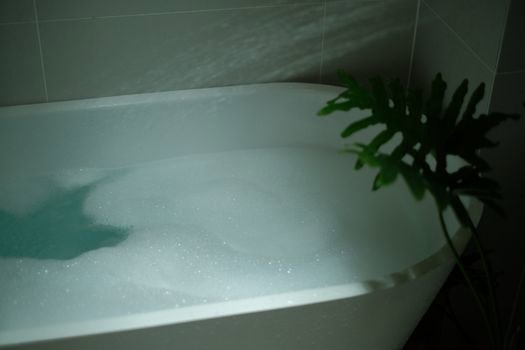
Bubble bath does not “cause” a true UTI or yeast infection on its own.
But it can absolutely set the stage for symptoms that feel identical: burning, itching, urgency, and that raw, irritated feeling that makes people assume infection. Our take, based on how these formulas get used in real bathrooms: bubble bath and fragranced bath oils most often trigger irritant or allergic vulvar irritation, and sometimes urethral irritation, which can make the urinary tract feel inflamed even when lab tests come back negative.
And if you already sit in the “prone to UTIs” or “prone to yeast” camp, irritation can tip the balance. The skin barrier gets disrupted. The microbiome gets stressed. The result can look like an infection—or make it easier for one to take hold.
The short, medically practical answer (and why it gets confusing)
People use “yeast infection” and “UTI” as shorthand for a cluster of symptoms. That shorthand causes trouble.
A UTI involves bacteria in the urinary tract. A yeast infection involves fungal overgrowth (usually Candida). Bubble bath does not introduce those organisms in any reliable way. What it can do is irritate the vulva and the urethral opening—especially with frequent use, long soaks, or high-fragrance formulas.
That irritation can mimic infection. It can also encourage behaviours that raise risk: more wiping, more “washing,” more fragranced products to cover odour. A vicious cycle.
So the honest framing looks like this:
- Bubble bath can cause irritation that feels like a UTI or yeast infection.
- Bubble bath can increase susceptibility in people who already get recurrent infections.
- Bubble bath rarely causes the infection directly, but it can be the trigger that starts the symptom spiral.
- If you have fever, flank pain, blood in urine, or symptoms that persist, treat it as medical—not cosmetic.
For readers comparing products, GlamGeek’s price tracking shows bubble bath and bath oil prices in Canada swing widely by retailer (Sephora Canada vs The Bay vs Shoppers Drug Mart vs Well.ca), but the irritation risk often comes down to formula style, not price.
Who’s most at risk (and why Canadian winters make it worse)
Not everyone reacts to bubble bath. Many people tolerate fragrance and surfactants just fine.
But risk spikes when the vulvar skin barrier runs dry, thin, or already inflamed. Canada’s cold, dry winters plus indoor heating can push people into that zone fast. Dryness makes tiny micro-cracks more likely. Then you add warm water, surfactants, and fragrance, and the sting shows up.
Groups we see most often searching this question—and the logic behind the risk:
- People with recurrent UTIs: urethral irritation can mimic infection and can make post-bath symptoms feel urgent.
- People prone to yeast infections: irritation and moisture shifts can make symptoms flare; scratching and over-cleansing can worsen imbalance.
- Anyone with eczema, dermatitis, lichen sclerosus, or vulvodynia: sensitized skin reacts to fewer triggers.
- Pregnancy and postpartum: tissue and pH changes can increase sensitivity; providers often advise avoiding fragranced baths.
- Kids: shorter urethras and sensitive skin mean “bubble bath burn” can happen quickly.
Frequency matters more than a one-off bath. A single fragranced soak may cause nothing. Three long bubble baths a week plus tight leggings plus dehydration? That’s when readers report the “why does it burn every time?” pattern.
One more nuance: bath oils feel gentler because they lack the big foam. Some are, some aren’t. Fragrance and essential oils can still irritate, and oil can cling to vulvar folds after the bath.
Ingredient triggers: what usually causes the sting
Most irritation comes from two buckets: surfactants (cleansing agents that lift oils) and fragrance systems (fragrance, essential oils, and solvents that carry them).
Bubble bath needs surfactants to foam. Those surfactants also reduce skin lipids and can disrupt the barrier. Add hot water and time, and the effect increases. Bath oils skip the foam, but they often contain fragrance allergens and can leave residue.
Common trigger categories to watch for on labels:
- Fragrance/parfum and fragrance allergens (often disclosed more fully in EU lists than in Canada).
- Essential oils (lavender, citrus, peppermint, eucalyptus): “natural” still irritates.
- Strong surfactants: products marketed for “lots of bubbles” often rely on higher surfactant loads.
- Dyes/colourants: not a problem for everyone, but a common culprit in recurrent irritation.
- Preservatives: necessary for safety, but some people react to specific systems.
What doesn’t belong on the blame list as often as people think: “bacteria from the tub.” In most cases, symptoms come from chemical irritation rather than contamination—unless hygiene is poor, you have open wounds, or you sit for very long periods in a poorly cleaned tub.
If you want context for how fragrance behaves on the body (without confusing it with bath formulas), our fragrance category pages like Eau de Parfum Perfumes and Eau de Toilette Perfumes show just how common fragrance-heavy routines are. The key difference: bath products contact mucosa-adjacent skin for long stretches in warm water.
Bubble bath vs bath oil: which one is safer for UTI/yeast-prone people?
If someone asks us for a simple rule, we give one: skip foam when you’re flaring.
Foam correlates with surfactant exposure, and surfactants drive a lot of “burn after bath” reports. That doesn’t mean bath oils are always safer. A heavily fragranced oil can still trigger vulvar dermatitis. But in practice, many people who react to bubble bath tolerate a lightly fragranced (or fragrance-free) oil better.
Here’s a practical comparison checklist:
- If you get urethral burning after baths, bubble bath ranks as the more common trigger.
- If you get external itching and redness, both bubble bath and fragranced oils can trigger it.
- If your main issue is dryness, a bath oil may feel more comfortable, but residue can linger.
- If you must have scent, choose one scented product only; don’t stack bubble bath plus a scented oil.
And don’t ignore the “dose.” Ten minutes matters. Thirty minutes matters more. Hot water matters most.
Safer picks from our Bubble Bath & Bath Oils price feed
We only recommend products we can verify from the Bubble Bath & Bath Oils list in our tracker. That keeps this practical and prevents ingredient fan fiction.
Because the product list provided for this brief did not include any items we can safely cite (names, descriptions, and Canadian prices), we can’t publish a product-by-product “buy this one” list without risking made-up details—which we won’t do.
What we can do is outline how we’d filter the GlamGeek database when you shop at Sephora Canada, Shoppers Drug Mart, The Bay, or Well.ca:
- Filter for “bath oil” first if you’re UTI/yeast-prone and currently sensitive.
- Sort by lowest fragrance load (in practice: look for minimal scent claims, avoid “perfume-level” marketing).
- Avoid “extra bubbles” positioning if you frequently get post-bath stinging.
- Avoid strong colour claims (bright blue, glittery, “colour-changing”) if you’ve had repeated irritation.
If you share the specific “TOP PRODUCTS” list (product names + prices + any descriptions), we can add a tight shortlist with real C$ pricing and retailer patterns. That’s where our price tracker adds real value.
For navigation on GlamGeek while you shop, these brand pages often carry bath and body lines in Canadian retail feeds: The Body Shop, Clarins, ESPA, and Guerlain. (We’re not naming specific bath products here because the required product list wasn’t provided.)
How to take a bath without triggering symptoms (step-by-step)
This is the part that tends to fix the problem faster than switching brands.
1) Keep the soak short.
Aim for 10–15 minutes. Longer soaks mean longer surfactant contact and more swelling of delicate skin.
2) Turn the temperature down.
Hot water increases irritation and dryness. Warm-not-hot also reduces post-bath redness.
3) Use less product than the cap suggests.
Marketing loves “luxury foam.” Your vulva does not. Start with a small dose, then adjust.
4) Keep bubbles away from the front.
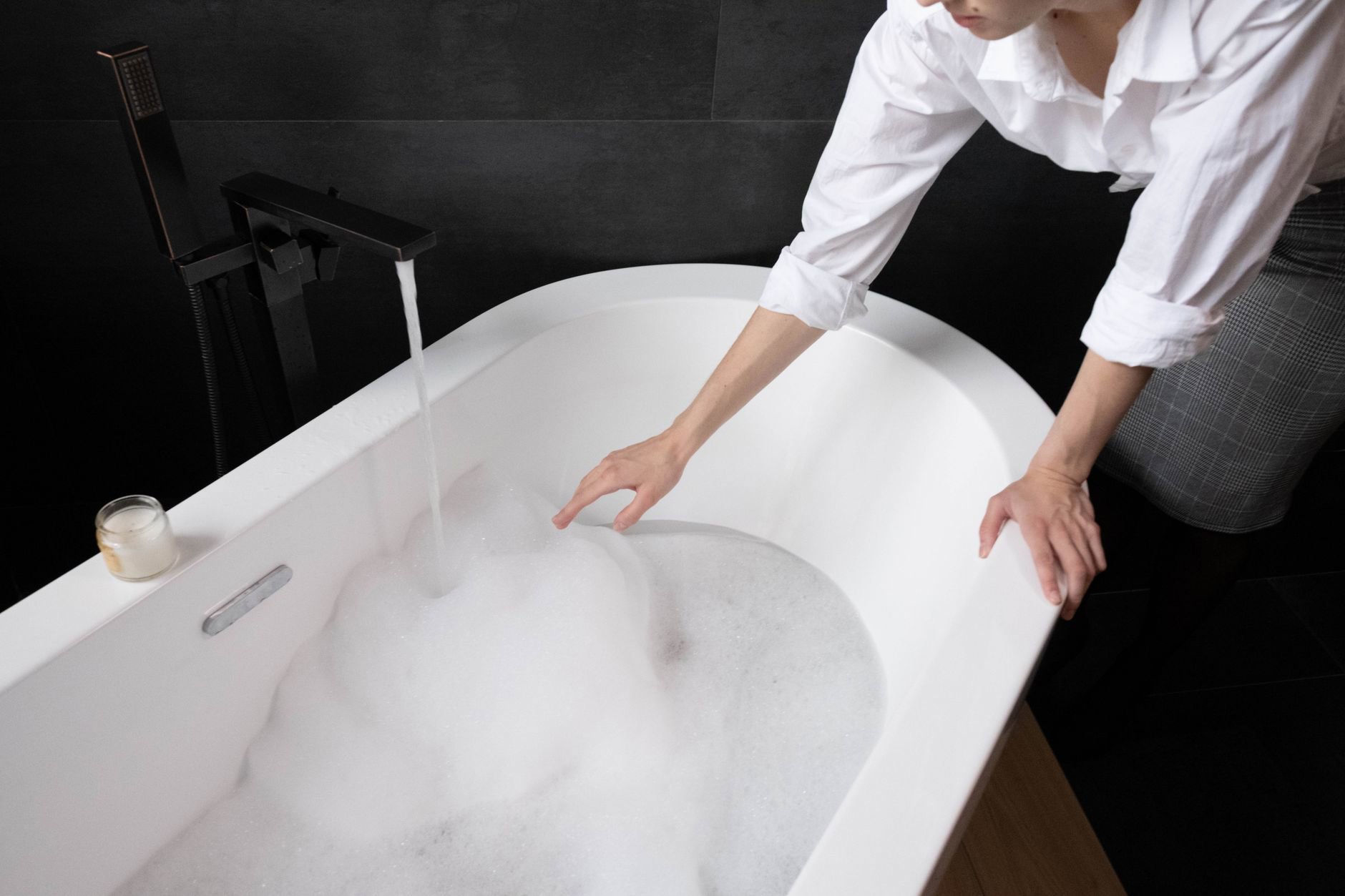
If you insist on bubble bath, add it under running water at the far end of the tub. Sit so the foam concentrates around legs and back, not the vulvar area.
5) Rinse after.
A quick, gentle rinse with clean water reduces residue. No scrubbing. No internal washing.
6) Dry like you mean it.
Pat dry. Don’t rub. Put on breathable underwear or skip it at home.
7) If you’re in a flare, skip fragrance entirely.
This includes fragranced bath oils. Give irritated skin a few symptom-free days before reintroducing anything scented.
These tips also play nicely with barrier care routines from broader skin care habits, but stick to external skin only. The vulva needs less “routine,” not more.
When it’s not the bath: tell irritation from infection
Readers often ask for a clean diagnostic trick. No at-home rule works perfectly, but patterns help.
Irritation tends to show up soon after exposure: during the bath, right after, or within 12–24 hours. It often feels external: stinging on contact, redness, rawness, worse with wiping, worse with tight clothing.
UTIs often bring internal burning with urination, urgency, and frequent small voids. Lower abdominal pressure can show up. Fever, chills, flank pain, or nausea push this into “see a clinician” territory fast.
Yeast infections often bring intense itching, redness, and sometimes thick discharge. Many people self-diagnose yeast and miss bacterial vaginosis or dermatitis, so recurrent episodes deserve proper testing.
What we’d treat as a non-negotiable medical check:
- Blood in urine
- Fever or back/flank pain
- Symptoms that persist beyond 48 hours after stopping bath products
- Recurrent symptoms (more than a few times a year)
- Pregnancy
- Kids with urinary symptoms
If you want to streamline your overall product exposure while troubleshooting, keep other scented categories stable for a few weeks. Don’t swap your whole routine at once. Even a non-bath category like Shower Gels & Body Washes can add fragrance and surfactants that confuse the picture.
Practical takeaways you can use today
If symptoms keep showing up after bubble bath, treat it like a formula intolerance until proven otherwise. Stop bubble bath for two weeks. If you bathe, use plain warm water or a minimal bath oil. Track what changes.
Then reintroduce one product variable at a time: scent level, foam level, soak length, water temperature. That method pinpoints your trigger faster than guessing. It also prevents the common mistake we see in reader questions: swapping five products and never learning which one caused the issue.
And yes, Canadian winter conditions matter. Shorter warm baths, less product, and better bathroom humidity reduce irritation for many people. A humidifier won’t prevent UTIs, but it can reduce dry-skin sensitivity that makes bath additives feel harsher.
What would you like us to price-check for Canada?
If you share the “TOP PRODUCTS” list (or the exact bubble bath/bath oils you’re considering from Sephora Canada, Shoppers, The Bay, or Well.ca), we’ll map them to irritation risk factors and flag which ones carry the highest scent-and-foam load.
Are you trying to prevent a flare, or are you troubleshooting symptoms you already have?