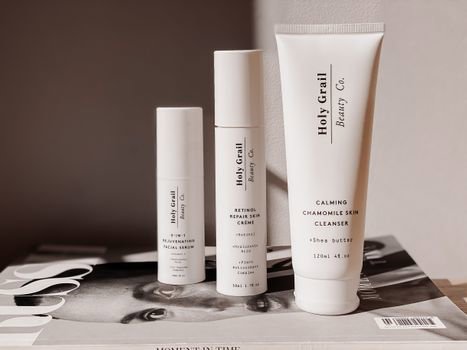
You can buy the most advanced anti‑ageing formula on the shelf and still see flat results if you apply it in the wrong order. Our data says shoppers spend heavily on serums and then chase moisturisers to “seal it in.” That seal only works when the layers play well together.
We track pricing and product availability across Sephora Canada, Shoppers Drug Mart, The Bay, Well.ca, Murale, and Nordstrom Canada. The top‑searched question around retinol, peptides, and vitamin C is not which one to buy. It’s how to stack them without redness, pilling, or wasted actives.
Context: what actually changes when you layer well
We have tracked beauty pricing and catalogue data since 2010. The category for anti‑ageing serums and creams keeps expanding. More formats launch every quarter. Think water‑light essences, lipid serums, gel creams, and barrier balms. Order now matters more than ever because textures and pH values differ widely.
Canada adds a climate edge. Winters run cold and dry, with indoor heating that strips humidity. Skin loses water faster, especially at night. A solid moisturiser layer buffers strong actives and cuts irritation risk. In short summers, sweat and sunscreen build‑up raise clog risk. Lighter layers win then. Your routine should flex with the season.
Product trends also shift quickly. We saw a clear uptick in peptide and retinal launches in 2023–2024 across our merchant feed. Peptides often sit well with many steps. Retinoids and acids demand more care. Layer with intent and you will see more from the same spend. Layer at random and you will waste actives and time.
One last reality check. Canadian shoppers often pay a premium against US list prices. We see it in our feed every week. Smart layering stretches value per millilitre. You need less of each formula when your stack is organised and compatible.
{{IMAGE:woman applying serum in bathroom}}AM order that works: antioxidant, hydrate, moisturise, protect
Morning routines should focus on prevention and hydration. Antioxidants target free radicals from UV, pollution, and heat. Hydrators plump. Moisturisers lock water in. Sunscreen finishes the job. Keep the layers thin and fast‑absorbing to support makeup.
Suggested order:
- Cleanser: remove oil and residue from the night. Gel or milk works. Keep it gentle.
- Toner or essence (optional): use a hydrating formula if your skin feels tight.
- Antioxidant serum: vitamin C or a multi‑antioxidant blend. Use a pea‑sized amount. Press, don’t rub.
- Hydrating serum: hyaluronic acid or polyglutamic acid for extra water‑binding support.
- Moisturiser: choose a light cream or gel in humid months. Pick a richer texture in winter.
- SPF: finish with a broad‑spectrum sunscreen, and use enough for full coverage.
Brands across price tiers offer solid options here. Check Anti Ageing Face Serums to compare ingredient lists and textures across retailers. If you see your pick go out of stock often, add it to your GlamGeek wishlist. We’ll alert you when it returns or drops in price.
Many Canadian women layer vitamin C under SPF year‑round. That pairing makes sense. Vitamin C supports UV defence; sunscreen does the heavy lift. If vitamin C stings, try a gentler derivative or switch to a peptide serum. You can still get firming support without the tingle.
PM order that respects actives: cleanse, treat, buffer, seal
Evening is the time for stronger actives. Skin repairs overnight and tolerates more then. Treat, then buffer with cream. That simple split reduces flaking and redness.
Suggested order:
- Cleanser: remove sunscreen and makeup first. Use a balm or oil if you wear long‑wear formulas. Follow with a gentle gel if needed.
- Exfoliant (on alternate nights): use an AHA or BHA, then stop for the night. Do not stack it with retinoids.
- Retinoid serum or cream: apply a blueberry‑sized amount. Treat face, then neck if your skin tolerates it.
- Moisturiser: buffer with a ceramide or peptide cream. Add an occlusive only if your skin runs dry.
Many women see better tolerance when they use the “sandwich” method. Apply moisturiser, then retinoid, then another thin layer of moisturiser. This buffer reduces early peeling. It may slow onset of results by a week or two, but it keeps you on track.
Retinoids show up at all price points. Look at Estée Lauder and Shiseido for luxe textures that spread thinly. Scan L'Oréal and Clinique for mid‑priced options with clear strengths stated on pack. Use our compare tool on GlamGeek to check format and size across retailers before you check out.
Timing myths and facts: how long to wait between layers
You do not need long gaps between most layers. Aim for 60–90 seconds if the product feels damp. That window allows film‑formers to set. It also reduces the chance of pilling under sunscreen or foundation.
Exceptions help:
- Low pH vitamin C (ascorbic acid): give it two minutes before moisturiser. You protect its acidity and reduce the chance of pilling.
- Retinoids: no need to wait after application. Do wait until the skin feels dry before you add a heavier occlusive. That keeps spread even.
- Peptide serums: they mix well. Apply after vitamin C if you use both in the morning.
Old internet myths say you cannot mix vitamin C and niacinamide. Modern formulas solve this. Most paired blends stay stable and kind to skin. If you buy separate serums, keep vitamin C first, then niacinamide. Watch your skin and adjust. Hard rules help less than close observation.
One more timing tip. Apply actives to clean, dry skin if you chase full strength. Apply to slightly damp skin if you want a gentle start. Water dilutes actives a touch. That trick helps early retinoid weeks.
Compatibility cheat sheet: what to layer, what to split
Use this simple matrix when you build a week:
- Vitamin C + SPF: great in the morning. Serum first, sunscreen last.
- Retinoid + ceramides: great at night. Ceramides buffer and support barrier repair.
- Peptides + almost anything: easy mixers. Use them morning or night.
- Exfoliating acids + retinoids: split across nights. Most skins dislike this stack.
- Vitamin C + exfoliating acids: split across days if your skin stings.
When in doubt, run a two‑day rotation. Day one: vitamin C and peptides in the morning, moisturiser and SPF; retinoid at night with a cream. Day two: antioxidant and hydrating serum in the morning; AHA or BHA at night with a cream. Repeat. This simple cadence cuts conflict while you still get steady results.
Buffer smarter when you feel prickle. Add a richer cream or reduce frequency. You can also swap an AHA for a gentler PHA. Skin can change month to month, especially in Canadian winters. Keep notes and adjust.
Texture strategy: thin to thick, water before oil
Texture order still works in 2026. Start with the thinnest, most watery formulas. End with the heaviest creams or oils. Water struggles to cross an oil film. Oil spreads fine over moist skin.
Use this quick test. Put a small dot on your inner arm. If the product runs, it goes early. If it sits and looks glossy, place it toward the end. If it feels gummy, give the next step more time.
Mind film‑formers. Many vitamin C serums and pore‑blurring moisturisers set to a micro film. Press them in. Do not rub. Rubbing breaks that film and causes pilling when you add sunscreen or primer. If you love a blurring cream, let it set for two minutes before SPF or makeup.
If you wear foundation, test your stack with your usual base. Apply your chosen moisturiser, then set a timer for three minutes. Add your base. If you see pilling, reduce the amount of serum, or swap in a lighter cream. You can also switch to a silicone‑free moisturiser under makeup days. The finish often sits smoother.
Winter in Canada: barrier‑first routines that still treat lines
January skin in Winnipeg does not behave like June skin in Vancouver. Dry, heated air speeds up transepidermal water loss. Fine lines look deeper when skin lacks water. That is fixable with consistent barrier care and smart timing.
Morning: keep the active step gentle. Use vitamin C or a peptide blend. Follow with a humectant serum and creamy moisturiser. Finish with sunscreen. Scan Day Face Moisturisers to compare textures that sit well under SPF and makeup.
Night: protect the barrier while you treat. Use retinoids two to four nights a week. On off nights, layer a peptide or ceramide serum under a rich cream. Look at Night Face Moisturisers for options that seal in hydration without heavy fragrance. Add an occlusive balm to cheeks if they chap. Keep it off acne‑prone zones.
Two accessory tips help. Run a bedroom humidifier on the coldest weeks. Apply body lotion and lip care right after showers. You can browse Lip Balms & Creams on GlamGeek if your lips peel with retinoids. That support matters for comfort and compliance.
{{IMAGE:Canadian woman winter skincare routine}}Summer and SPF: when sunscreen holds the stack together
UVA does not take holidays. Sunscreen locks your anti‑ageing work in place. It prevents new pigment and protects collagen while you treat texture and tone. This step makes the most difference over time.
Apply your antioxidant serum and lightweight moisturiser first. Allow a minute. Then lay down sunscreen. Use enough. Cover hairline, ears, and neck. Reapply if you spend time outdoors or commute in bright light. Browse SPF Protection Products to compare filters, finishes, and sizes. We track prices across Sephora Canada, Shoppers Drug Mart, and The Bay so you can pick the best value for your skin type.
Makeup fans can add a primer if they like. Hydrating primers suit dry skin. Oil‑control primers help in heat. If you love a glowy base, try a thin layer of illuminating moisturiser, then sunscreen. Test the combo with your usual foundation to check for pilling. When a formula pills, use less or switch to a different finish.
For sensitive or reactive skin: irritation‑proof layering
Redness, itching, or tightness tells you the barrier needs attention. You can still chase anti‑ageing results. You just need a buffer‑first approach and slower pacing.
Start simple for four weeks:
- AM: gentle cleanse, hydrating serum, moisturiser, sunscreen.
- PM: cleanse, peptide serum, ceramide cream.
When the skin feels calm, add retinoids one night a week. Put moisturiser on first. Wait two minutes. Apply a small amount of retinoid. Seal with the same cream. Increase to two nights a week if your skin stays calm. Avoid exfoliating acids while you ramp retinoids. If you want glow, use a very gentle PHA once a week instead.
We see strong demand for peptide and ceramide creams across mass and prestige. The texture matters more than the logo here. Check Anti Ageing Face Creams and use filters for “fragrance‑free” and “dry skin.” Add your shortlist to a GlamGeek wishlist to catch restocks and offers. Winter out‑of‑stocks happen fast in Canada.
For combination or acne‑prone skin: treat texture without heaviness
Combination and acne‑prone skin needs light layers. Weight does not equal moisture. You can hydrate with thin serums and still keep pores clear.
AM: cleanse, vitamin C or niacinamide serum, lightweight gel moisturiser, sunscreen. PM: cleanse, BHA or a gentle retinoid, then a thin moisturiser. Spot treat if needed. Keep thick occlusives away from the T‑zone.
If you see pilling under sunscreen, reduce the total serum amount. Two thin serums often beat one heavy layer. Press each step in and give a short wait. If your retinoid stings, buffer with moisturiser first. Or switch to an every‑other‑night plan with peptides on off nights.
Big brands now field lighter textures across price bands. Mid‑priced options from Clinique often balance oil control and hydration well. Prestige lines from Estée Lauder lean rich, but several serums spread thin and sit well under gel creams. Compare textures, not brand myths. Your skin will thank you.
Makeup days: keep the stack smooth and pill‑free
Pilling kills confidence and wastes product. It happens when textures clash or when silicones, powders, and thick films stack in one zone. The fix is simple: less product, more patience, and compatible finishes.
Use a hydrating serum, a light cream, and sunscreen. Give each step at least a minute. If you need extra glide for foundation, choose a thin primer rather than another creamy layer. You can browse Face Primers and pick a texture that matches your base.
Set a timer the first few tries. Train your routine like a recipe. Many women report smoother application when they press, not rub. Use flat palms and light pressure on cheeks. Tap along the jaw. Then move to makeup. If a product keeps pilling, swap either the serum or the moisturiser for a silicone‑free option and test again.
Exfoliation cadence: where acids live in the week
Acids can brighten and smooth. They also complicate layers. Keep acids simple. Place them in the evening on their own. Follow with moisturiser. Stop there for the night.
A working cadence for many women looks like this:
- Two nights a week: AHA or BHA after cleansing, then moisturiser.
- Two to four nights a week: retinoid, then moisturiser.
- Other nights: peptide serum, then moisturiser.
Skip acids if your skin stings with vitamin C. Try a PHA instead. Or hold acids while you ramp retinoids. Consistency beats aggression. If you want to compare strengths and formats, start at Face Exfoliants. Use filters for skin type to narrow fast.
Troubleshooting: fix pilling, redness, and stalled results
Pilling means one of three things: too much product, not enough time between steps, or texture mismatch. Reduce the amount by a third. Add a minute of wait. If that fails, swap either the serum or the moisturiser to a lighter, silicone‑free base.
Redness or stinging points to overuse or a clash. Cut exfoliants for a week. Buffer your retinoid with moisturiser on application. Use a plain ceramide cream at night while the skin recovers. If the flush continues, stop actives and seek advice from a pharmacist or dermatologist.
Stalled results often trace back to frequency, not formula. Check your week. Many women use vitamin C three days out of seven and expect a bright‑even finish. Aim for five mornings a week if your skin tolerates it. The same goes for retinoids. A steady two to four nights a week changes texture over months, not days.
If cost blocks consistency, use GlamGeek’s price tracker. We monitor stock across major Canadian retailers. Add your serum or cream to a wishlist and watch for restocks and multi‑buy offers. You can also compare size‑per‑millilitre across options and stretch your budget further.
What this means for your routine
Layering order and timing turn good formulas into great results. Keep mornings geared to antioxidants, hydration, and sunscreen. Reserve strong actives for nights. Split acids and retinoids across different evenings. Buffer when your skin complains. Increase pace when it behaves.
Build your stack around your climate and week. Dry winter? Pick thicker creams and more buffer nights. Hot summer? Go light, keep the SPF high, and press each step in. Your routine does not need ten steps. It needs a few compatible ones used most days.
Shop with intention. Start at Anti Ageing Face Serums and Anti Ageing Face Creams to shortlist textures and actives. Compare options from Clinique and Estée Lauder, then check finish and season fit. Round out your cart with a solid day cream from Day Face Moisturisers and your preferred SPF from SPF Protection Products. Add favourites to a GlamGeek wishlist to catch stock alerts and price moves.
Your turn
What order gives you the best balance of glow and comfort right now? Which serums slot neatly under your winter moisturiser without pilling? Tell us what works on your face and in your climate. We track the prices; you share the wins. Together we can build smarter, calmer routines for Canada’s seasons.