Our price tracker shows a familiar pattern every year. Eyeshadow palettes surge in November, then pile up in clearance by spring. Great for deals. Not so great for drawers jammed with palettes that do not get used.
Most women keep palettes longer than any other makeup category. Even the ones that sat untouched after one dramatic holiday look. That is where expiry matters. Eyes go red, lids get itchy, and the performance drops before the packaging does.
We rate palettes that wear hard and last well. But even the best formula ages. Here is how to tell if yours has expired, how to make it last longer, and when to let it go with no guilt.
Why palette expiry is not guesswork
Makeup does not print “best before” like milk. Instead, most palettes use a PAO symbol. It is the little open jar with a number, like 12M, 18M, or 24M. That tells you how many months the product stays stable after opening.
Powder eyeshadows last longer than creams. They hold less water, so microbes grow slower. Our read across merchant listings shows brands often mark powders at 24 months PAO. Cream shadows and toppers often carry 6 to 12 months. “Clean” formulas that skip certain preservatives can sit lower. The PAO still wins as your first guide.
Batch codes help when you buy a backup or pick up a discounted palette. They flag the production run. Retailers in Canada move palettes fastest in Q4. Holiday sets flood Sephora Canada and Shoppers Drug Mart. Leftover stock can drift into spring sales and off-price channels. That does not mean it is unsafe. It does mean you should check the PAO and consider how long it has been around.
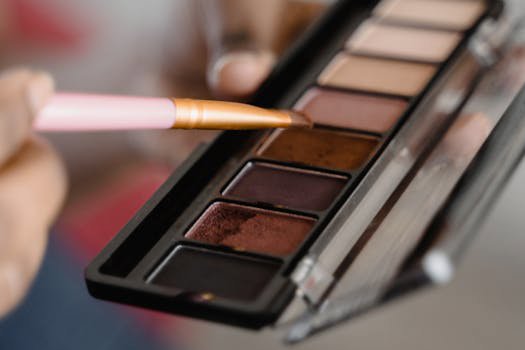
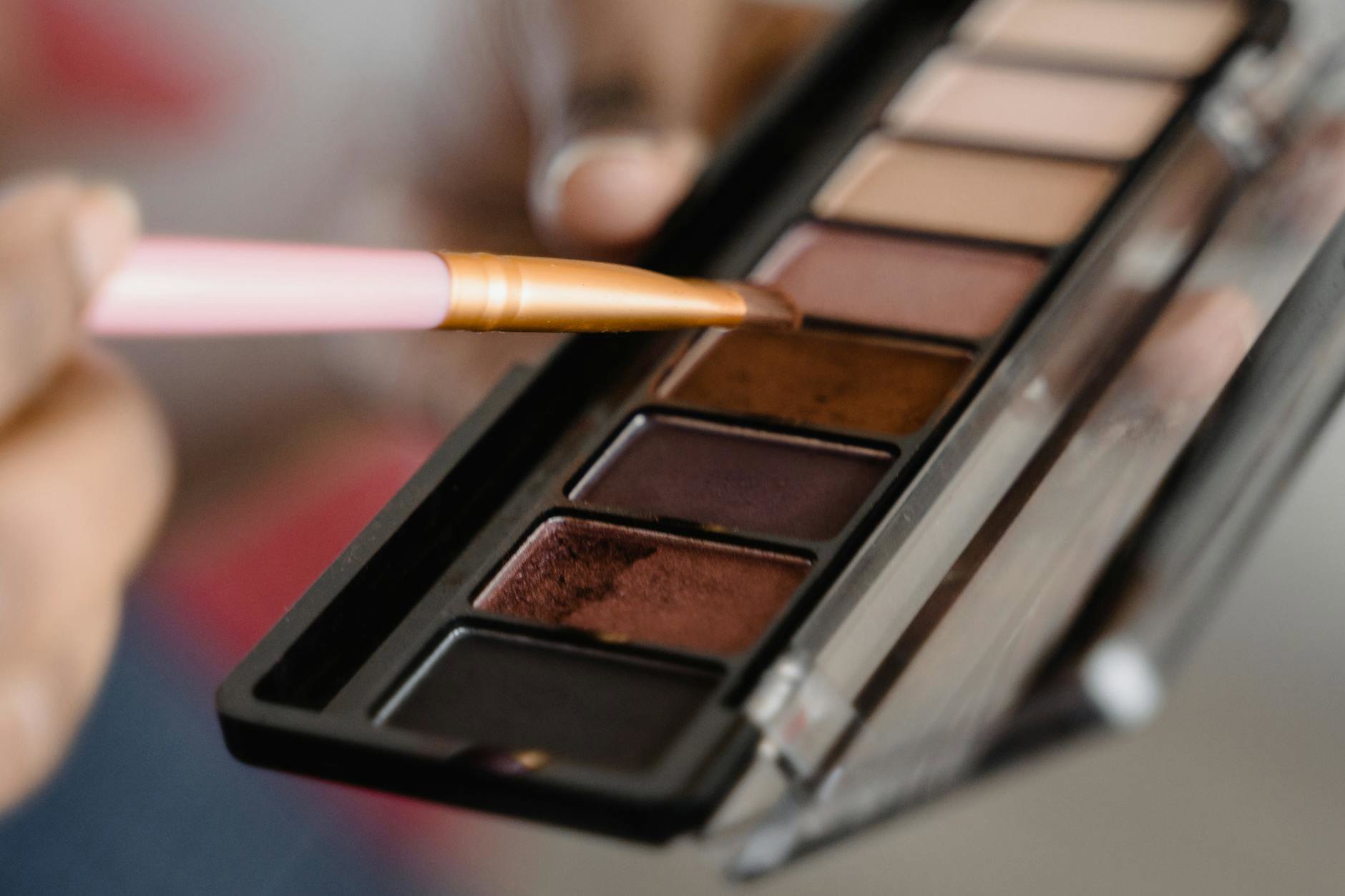
{{IMAGE:woman inspecting eyeshadow palette}}How long an eyeshadow palette really lasts
Think in two clocks. Unopened, then opened. Unopened powder palettes can sit for quite a while if stored well. Light, heat, and humidity speed up ageing. Once opened, the PAO clock starts. That is when air, skin oils, and brush contact begin to add up.
General ranges look like this. Powder palettes: 18 to 36 months after opening. Cream and hybrid shadows: 6 to 12 months. Glitter gels and liquid toppers skew to the lower end. Some formulas go off faster if you foil shadows with setting spray right in the pan. Water and film formers change the surface. They can harden the pigment and invite growth.
Longevity also depends on texture. Mattes tend to hold steady if kept dry. High-shine metallics often contain more oils and emollients. Those can oxidise sooner. That is why a matte can stay fine while a neighbouring shimmer smells odd after a year.
Brand practices vary. Big pans from Morphe get lots of brush traffic, which can shorten their useful life. A tidy quad from Charlotte Tilbury stays cleaner if you rotate shades. Pro staples from MAC sit in many kits for years, but pros disinfect often. Your habits matter as much as the formula.
The clearest signs your palette is expired
Trust your senses before the stamp. If a palette looks or behaves strangely, move on. The eye area is not the place to gamble.
Smell comes first. A sour odour, a musty note, or a crayon-like scent all flag oxidation. That change happens when oils in the formula break down. Fresh powder should smell like very little. If you smell it at arm’s length, that is a warning.
Texture tells the next story. Watch for a greyed film or “hard pan” that blocks payoff. Look for wet-looking spots in powders. Those come from oils transferring off your brush or lids. Clumps that will not blend or crumbling shades can also point to age. Creams that crack, separate, or look stringy have reached the end.
Colour shifts finish the case. Once-vivid jewel tones can dull. Taupes can skew yellow. Black can fade to charcoal. If you see dots, fuzz, or any visible growth, that is mould. Do not try to save it. Bin the palette.
Eye safety and hygiene habits that matter
Eyes react fast. Redness, stinging, or unexpected dryness after use points to a problem. If you get an eye infection, play it safe. Discard anything that touched your lash line and lids that week, including liners and palettes. Do not risk re-inoculating the area.
Brush hygiene changes everything. Clean face and eye brushes weekly if you wear makeup often. Wash with a gentle cleanser and rinse well. Deep clean concealer and cream shadow brushes more often. Creams trap more microbes than powders. If you need new tools, browse Makeup Brushes & Applicators and add favourites to your wishlist. We will flag a price drop for you.
Keep water away from your palette. Do not lick a brush. Do not spritz setting spray or water straight onto the pan. Pick up pigment dry. If you want a foiled look, dampen the brush away from the palette. Then pick up product from a clean portion. That keeps moisture off the surface.
Banish fingers from the pans. Oils from hands drive hard pan and surface glaze. Use a brush or a spatula if you must swatch.
Storage that slows expiry in Canadian homes
Think cool, dark, and dry. Not the bathroom. Steam and temperature shifts stress pigments and binders. A bedroom drawer or closed unit works. Keep palettes away from a radiator or a sunny sill.
Canadian winters bring dry indoor air. That can make some pressed shadows more brittle. It does reduce microbe growth. Summer flips the risks. Humidity swells powders and accelerates breakdown. A couple of silica gel packets in a drawer help even things out.
Close palettes between shades. Work with the one pan you need, then shut the lid. Air and dust do more damage than most women realise. If you travel, place palettes in a padded case. Do not leave a kit in a hot car. Heat can soften binders. It also weakens the glue that holds pans in place.
Shipments in winter can freeze and thaw in transit. That can fracture pressed powders along stress lines. Check new deliveries on arrival. If the product arrives damaged, contact the retailer first. Do not try to fix a brand-new broken palette before speaking to customer care.
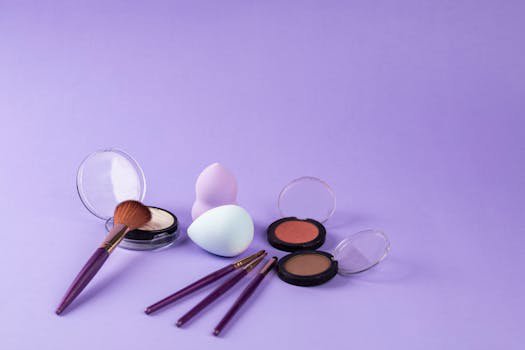
{{IMAGE:flatlay neutral eyeshadow palettes on vanity}}Sanitising a palette the safe way
Sanitising helps extend the usable life of a powder palette. It does not reverse expiry. Use it on palettes that still smell normal and perform well, but need a refresh.
Here is a simple protocol:
- Clean your brushes first. Dirty brushes undo the whole effort. A brush cleanse takes minutes and pays off fast.
- Scrape the top layer if you see hard pan. Use a clean metal spatula. Lift the thinnest film until fresh pigment shows.
- Lightly mist 70% isopropyl alcohol above the pans. Hold the spray about 15 cm away. Aim for a fine cloud, not wet spots.
- Let the palette air-dry open for 30 minutes. Close it once dry. Store it in a clean, dry place.
Do not soak the pans. Do not flood the palette. Higher concentrations than 70% flash off too fast. They do not sanitise as well. Avoid fragrance sprays. They can irritate eyes and leave residue that changes payoff.
Pressed glitters and gels are a different story. Many are not approved for the immediate eye area. Check the label. If the base looks stringy or smells sweet-sour, retire it. No sanitising method makes a degraded adhesive safe for lids.
Quick fixes that work, and ones to skip
Some palettes need a quick tune-up, not a funeral. If the surface has glazed, lift it with a clean spoolie or a blade. Work lightly. You want to remove only the top millimetre.
Repressing can help a crumbled matte. Crush the shade in its pan with a clean tool. Add a few drops of 70% isopropyl alcohol. Press with a paper-wrapped coin. Let it dry overnight. Do not repress if the colour smells off or has changed hue. That is lipstick-on-a-cadaver territory.
A sticky base can revive payoff on older mattes. Try an eyeshadow primer. If you need one, scan our picks in Face Primers. A primer grips pigment without wetting the pan. In a pinch, a tiny dab of concealer on the lid helps. If you restock concealer, compare options in Liquid & Cream Concealers and set a wishlist alert.
Skip homemade fixes that add food-grade oils or glycerin to your palette. Those change the formula and encourage growth. Also skip straight hydrogen peroxide. It can bleach colour and irritate eyes.
When to toss it without debate
There are red lines. If you see mould, bin it. If your eyes itch or swell after using a palette, stop. Retire that product and anything else you used with it that day.
Throw out any palette used during or right after an eye infection. That includes styes and conjunctivitis. Preservatives do not neutralise that risk. Do not try to rescue it with alcohol. Replace it instead.
Palettes that smell sour or like old crayons belong in the bin. So do creams that have separated or grown a skin. If a shimmer has bled oil into surrounding pans, the formula has moved on. Take the hint. Your eyes will thank you.
Lastly, if the performance collapses, stop forcing it. When a matte will not blend or a metallic flakes into your contacts, it is done. Treat yourself to a fresh neutral. We track palettes from Tarte, Clinique, and Sephora Collection. Add contenders to your wishlist and we will ping you when prices drop across Canadian retailers.
Smart shopping so you do not buy old stock
Big launches drop earlier in the US. Canada often follows weeks later. That lag can work in your favour. You can read swatch reviews, watch wear tests, and decide before it lands here. The downside shows up on clearance racks months later. Older runs can hang around.
Buy from trusted channels: Sephora Canada, Shoppers Drug Mart, The Bay, and brand sites that ship domestically. Well.ca also moves steady volume on staples. Our feed flags when new palettes from lines like Lancôme or Estée Lauder arrive. If a deal looks too good on a marketplace, check the seller and the return policy.
Check the PAO on the box if you can. If you shop in person, confirm the box and the palette match. For online orders, open the unit and start the clock only when you plan to use it. Store backups in a dark drawer, away from heat.
If you live near the border and pick up US-only palettes, remember the Canadian price premium. It exists. Factor duty, tax, and returns into your choice. If the launch will hit Canada soon, waiting can save hassle. Our alerts will tell you when it lands and where it is cheapest.
Declutter without waste: what to do with retired palettes
Expired palettes do not belong on eyes. But you can keep a few for non-skin use if they do not smell off. Pressed mattes work for paper swatches when you map future looks. Artists also use old shadows for quick mood boards on card.
Do not donate used eye products. Eye safety standards are strict for a reason. If the palette is still within date and barely touched, some local shelters accept sealed makeup. Ask first. Policies vary.
Break the palette down for disposal. Remove magnets and mirrors. Cardboard parts go in recycling if clean. Wrap pans and dispose of them with household waste. Some brand counters accept empty packaging. Check your local store to confirm current programmes.
Use the declutter as a reset. List the five shades you wear most. Nudes? Soft rose? Deep brown? Then replace with a lean palette that hits those notes. Browse our Eye Shadow Palettes page. Shortlist favourites and save them. We track prices so you do not have to.
Ingredient cues that predict a shorter life
Labels hold clues. Creamy metallics often list dimethicone, esters, or oils high in the deck. Those bring slip and shine. They also oxidise faster. If a palette leans creamy, expect a shorter PAO and treat it gently.
Loose terms like “natural” or “clean” do not mean unsafe. They can mean different preservative systems. Some skip traditional parabens. That may lower the margin for error on storage. Keep those palettes extra dry and closed.
Pressed glitters often use polyacrylates or other film formers. These dry out over time. When they do, fallout spikes. If you love sparkle, buy smaller pans and finish them before they dry. Or pick shimmer powders that give shine without a gummy base.
If you have sensitive eyes, scan for fragrance and certain colourants. Fragrance near the eye can irritate. Many high-end lines, including Shiseido and Clarins, flag eye-safe claims clearly. Read before you buy. Your comfort matters more than a trend shade.
Routine checks: a calendar for your palettes
A quick monthly check saves hassle. Open each palette you use most. Smell it. Swipe your top two shades on the back of your hand. If payoff drops or the scent changes, act.
Mark the open date with a slim label on the back. Note the PAO window. Build a habit to retire palettes at the end of that window if warning signs show up. If a palette still performs and passes the sniff test, carry on. Use your judgement and listen to your eyes.
Schedule brush washing. Set a day and stick to it. Clean brushes pick up colour better. They also keep bacteria out of pans. If your kit needs an update, tap into our listings for Makeup Brushes & Applicators. Add a couple of backups so you never run dry on clean tools.
Keep a small bottle of 70% isopropyl alcohol in your drawer. Mist palettes lightly every few weeks if you use them often. That simple habit extends their safe run.
What this means for your makeup bag
Expired palettes are not a moral failure. They are a sign of over-collecting or under-rotating. Use this as a prompt to buy fewer, better, and in the shade stories you actually wear. Quads and curated 6-pans tend to get finished. Mega palettes often do not.
When you do replace a staple, treat it like a wardrobe basic. Choose the undertones that flatter your skin and eye colour. Check how the mattes blend and how the shimmers wear. A good primer will keep pigment in place without needing to wet the pan. We list strong options in Face Primers. If you need a new neutral, set a wishlist on our Eye Shadow Palettes page. We watch prices across Sephora Canada, Shoppers Drug Mart, The Bay, and more.
Store palettes like you store fragrance: away from heat and light. Keep them closed. Clean your brushes. Do quick sensory checks. Those habits cost nothing. They save your eyes and your budget.
Tell us what you are seeing
Are your oldest palettes still blending fine, or did a favourite start to smell off? Which brands have held up best in your drawer? Share your experience, and tell us what you replaced it with. Add your next pick to your GlamGeek wishlist and we will alert you when the price drops.