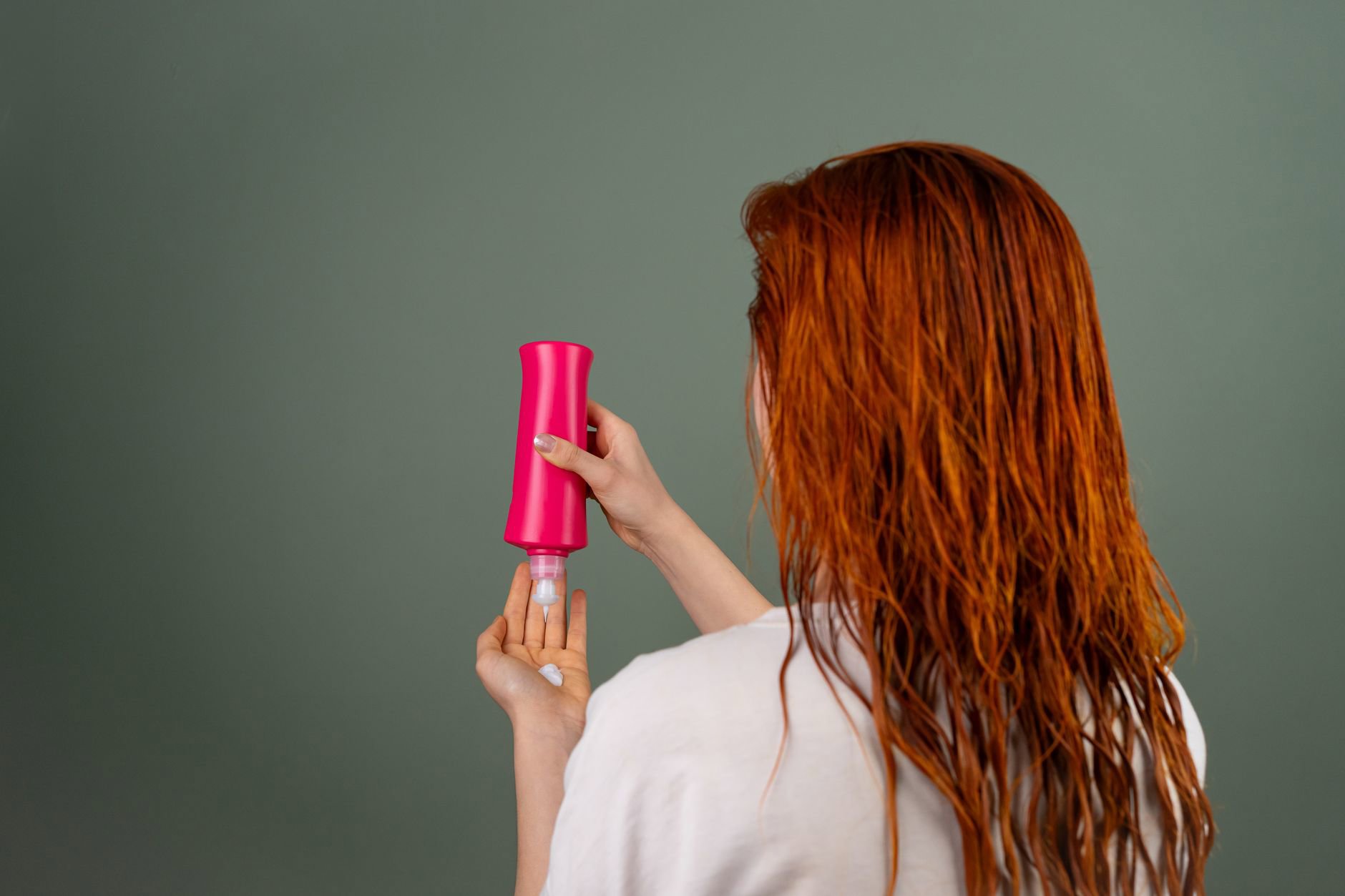
Leave-in conditioner is a no-rinse conditioning product you apply after washing (or between washes) to add slip, reduce tangles, and help manage dryness and frizz. Many people can use leave-in conditioner every day, but the right frequency depends on hair thickness, porosity, scalp oiliness, and styling habits, plus how lightweight or rich the formula feels.
Daily leave-in can work brilliantly in Canada’s winter air, where indoor heating pulls moisture from hair fast. It can also backfire when the formula is heavy, the dose is generous, or the hair gets fine and flat by day two.
Our price tracker also shows a pattern: the best “daily” picks tend to be mid-weight, multi-use stylers, while richer leave-ins sell steadily in colder months when people push barrier care for hair the way they do for skin care.
So yes, you can use leave-in conditioner every day.
But you shouldn’t assume you need to.
What “every day” really means (and why it’s not one routine)
When readers ask about daily leave-in, they usually mean one of three things: daily after showering, daily as a refresh on non-wash days, or daily because hair feels rough and won’t behave. Each one needs a different approach.
Daily after showering often works because water resets the hair surface. You apply leave-in to damp hair, distribute, and you’re done. Daily between washes can work too, but it turns into a layering situation, which raises the risk of buildup on fine hair and on hair that already holds product easily.
The fourth scenario matters: daily leave-in as a fix for ongoing damage. Leave-in can reduce friction and breakage, but it can’t “repair” a split end. If daily use only helps for a few hours, your real lever may be less heat, fewer harsh detangling sessions, and tighter wash-day conditioning. (For context only, not product picks, we cover wash choices separately under Moisturising & Nourishing Shampoos.)
Frequency depends on two variables you can control: formula weight and amount. When either one runs too rich, “every day” becomes “every day until it looks greasy.” When both stay light, daily use can feel effortless.
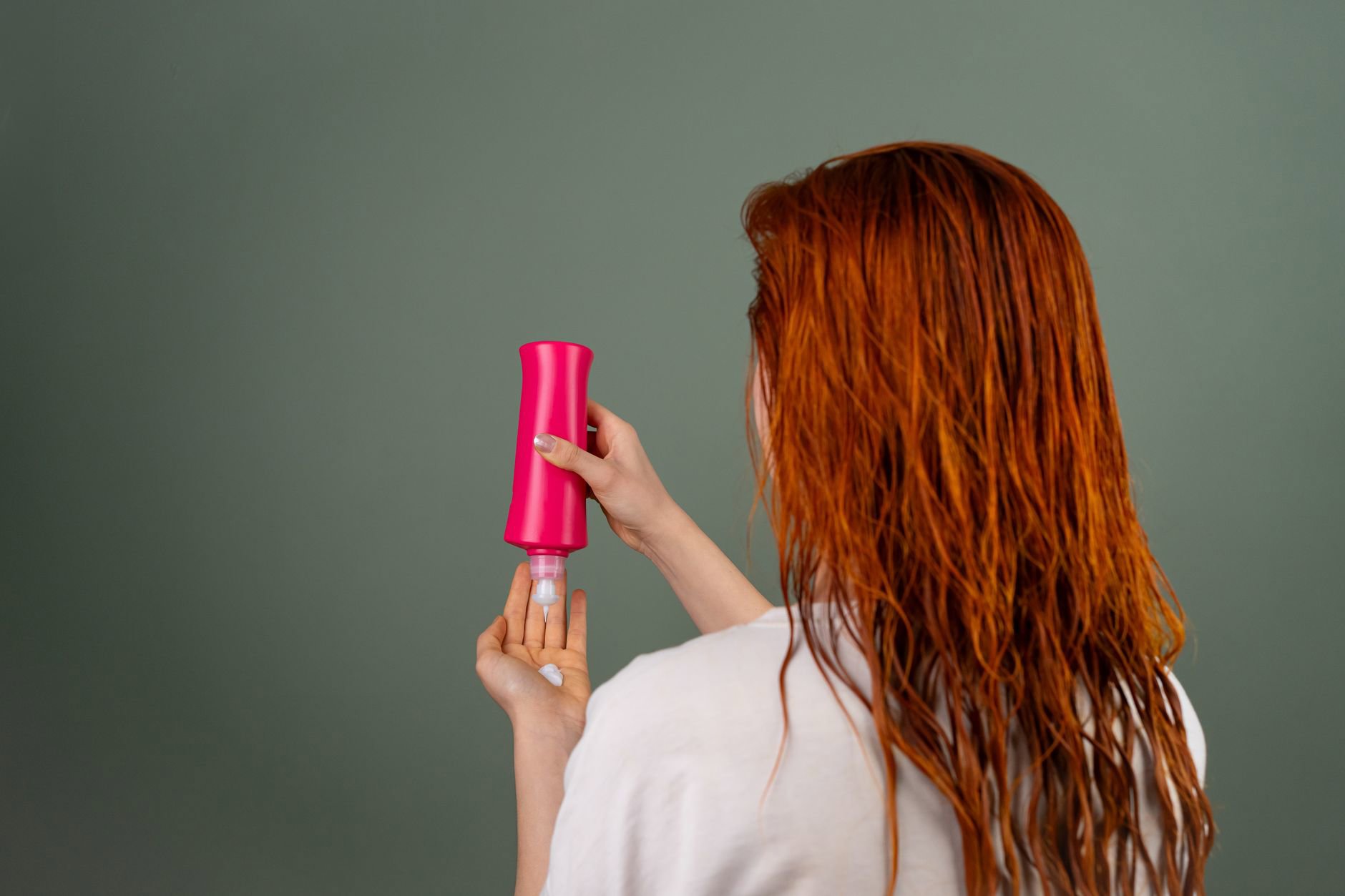
Daily leave-in by hair type: a realistic schedule that won’t weigh you down
Hair type advice online often treats leave-in like a moral choice. It’s not. Think of it like fabric softener: useful when needed, annoying when overused.
Fine hair (straight to wavy): Most fine hair does best with leave-in 2–4 days per week, then spot-treating ends as needed. If you want daily use, keep it tiny: a pea-sized amount for mid-lengths and ends, and keep it off the roots. Fine hair also benefits from “reset days” where you skip leave-in entirely to see what your baseline looks like.
Oily scalp, normal ends: Daily leave-in can still work, but place it like a designer would place highlights: only where needed. Aim for ends-only most days, and do a full mid-lengths-and-ends application only on wash day. If your hair starts to separate into stringy sections by midday, you likely used too much or applied too close to the scalp.
Dry hair (medium to thick): Daily use often makes sense, especially in winter. Start with wash-day application plus a light daily refresh on the driest zones. If hair drinks product and still feels rough, you may need a richer leave-in or a slightly larger dose, not more frequent application.
Curly and coily hair: Daily leave-in can be a staple, especially for curl definition and reduced tangling. The key is water. Most curls respond best to a quick mist (or damp hands) before applying a small amount, so you spread product evenly rather than stacking it on dry hair.
Bleached, coloured, or heat-styled hair: Daily leave-in can reduce friction and snapping, which matters when hair becomes porous. But daily use should still look clean and touchable. If hair feels coated, switch to less product on non-wash days and do a better distribution pass on wash day.
Signs you’re overusing (vs underusing) leave-in conditioner
Overuse and underuse both show up as “bad hair days,” which makes this confusing. The giveaway sits in the texture and timing.
Signs of overuse usually appear fast, often within hours. Hair looks dull instead of glossy. It clumps into heavy sections. Fine hair loses lift at the crown. Curls feel soft but lack bounce. You may also notice that your next wash feels harder, like the hair resists water for a minute before it wets through.
Signs of underuse show up through friction. Detangling takes longer. You hear more snap when brushing. Ends feel raspy by afternoon. Frizz spikes when you put on a scarf or toque. If you live in a dry-heated apartment, this last one hits hard.
Here’s a simple check that works across hair types: run fingers down a small section of hair. If it feels dry and grabby, you likely need more slip. If it feels coated and draggy, you likely need less product or fewer reapplications.
Another clue sits in your refresh pattern. If you need to reapply multiple times a day, the issue may be distribution (you missed sections) rather than true dryness.
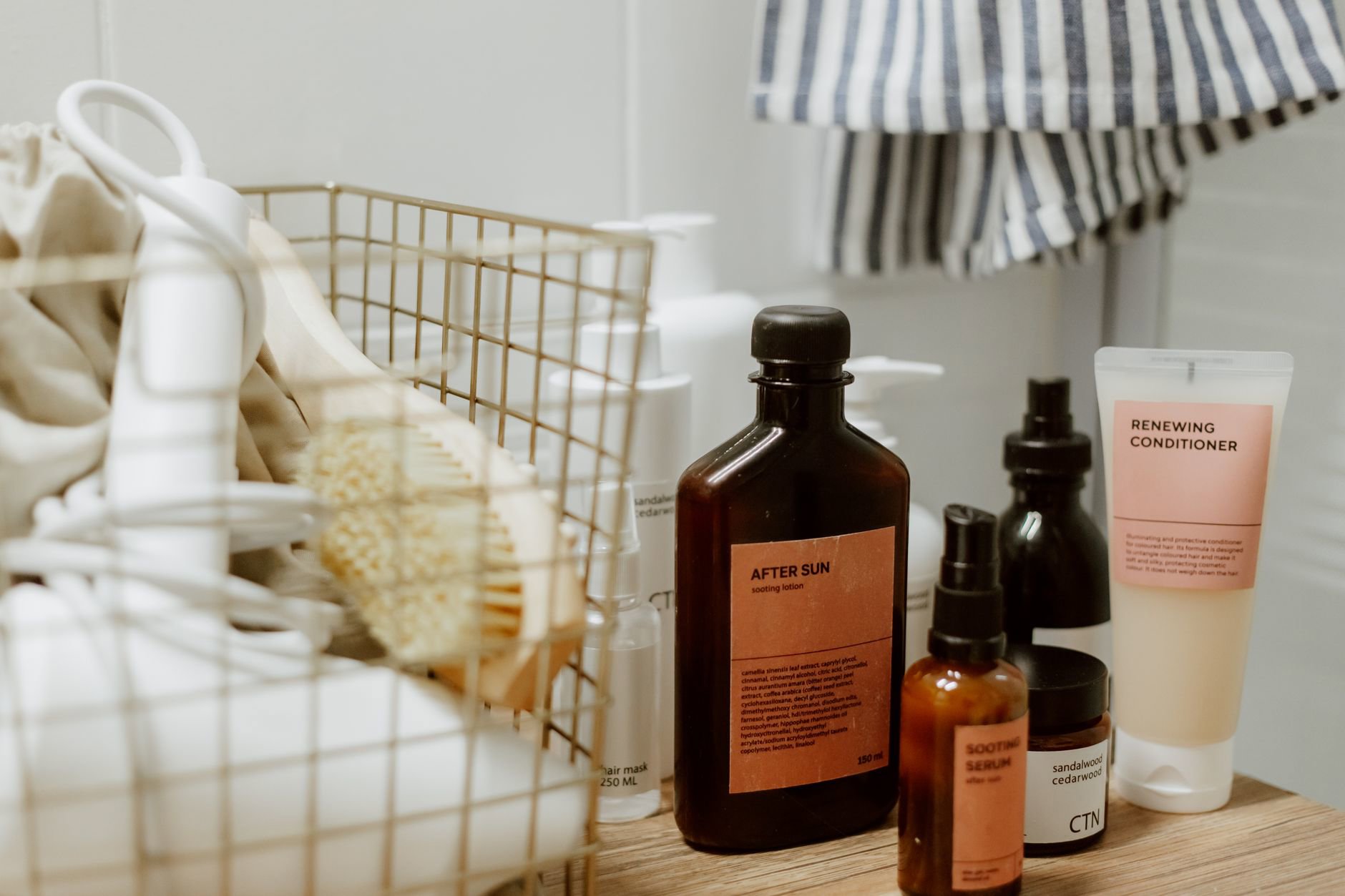
How to adjust amount and placement (the difference between daily success and daily buildup)
Daily leave-in usually fails on technique, not intention. People apply it like a rinse-out conditioner: everywhere, quickly, and in a thick layer.
Placement comes first. For most hair types, treat the scalp zone like a “no fly” area unless the product specifically targets scalp comfort. Leave-in belongs on mid-lengths and ends, where hair ages and dries out. If your hair is short, that may still mean “the last 2–3 cm” rather than the whole head.
Amount comes next. We like a three-tier approach that keeps you honest:
- Micro dose: a pea-sized amount total. Best for fine hair, oily scalps, and daily refresh.
- Standard dose: a nickel-sized amount. Best for medium density on wash day.
- Rich dose: a loonie-sized amount (or two passes). Best for thick, very dry, or highly porous hair.
Distribution matters more than adding more product. Rub it between palms, then “glaze” over the surface. After that, use praying-hands motion or finger-comb to get it inside the section. If you stop at glazing only, you’ll get frizz control on top and tangles underneath.
Finally, remember the Canada factor. Winter static often tricks people into overapplying leave-in on dry hair. Try damp hands first, then a micro dose. You often need water plus a little conditioner, not conditioner alone.
What to look for in a daily leave-in formula (without getting lost in marketing)
A daily leave-in should do two jobs: reduce friction and help hair hold onto water. Brands often talk about “repair” or “bonding,” but your day-to-day results usually come from a smaller cast of characters.
Slip agents help detangling and reduce mechanical damage. Many formulas rely on conditioning agents and film formers to smooth the cuticle surface. The upside: less breakage from brushing. The downside: too much film can feel coated on fine hair.
Humectants attract water. In a humid summer, that can make curls swell and frizz. In a dry winter, humectants can help if you also have water in the hair first. That’s why damp-hair application beats dry-hair application for most people using leave-in often.
Emollients soften and add flexibility. These matter most for dry, coarse, or porous hair. They also drive “weight,” which is why daily use can go wrong on fine hair if the formula leans heavy.
If you feel stuck, choose one of two lanes: a lightweight leave-in for frequent use, or a richer leave-in for wash day plus sparse refresh. People rarely need a rich leave-in every single day and a heavy dose.
For additional routine context, our guides under hair care often pair leave-in use with how you handle wash frequency and heat styling, even when the product category differs.
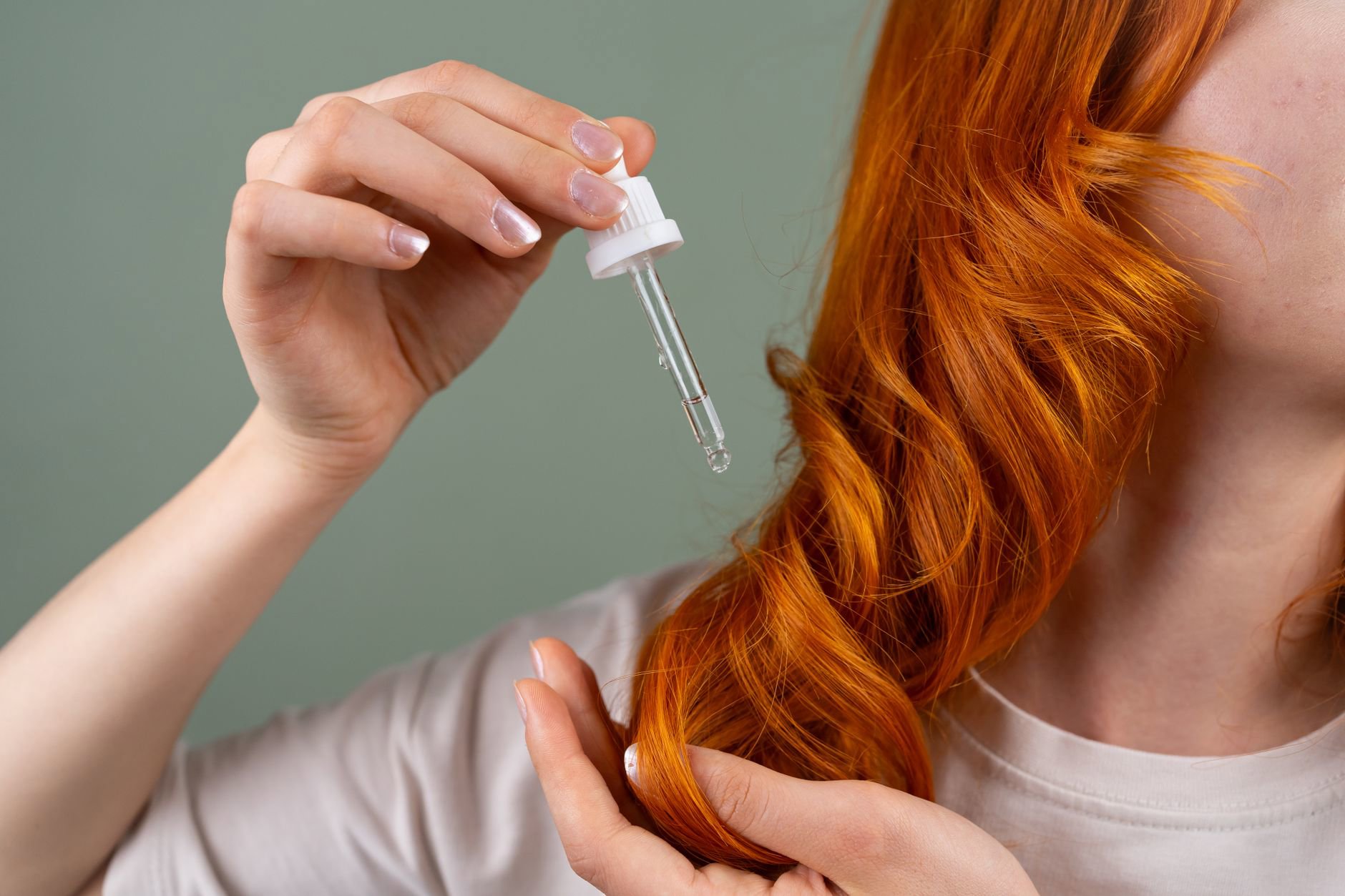
Leave-in conditioner picks we’d actually use for different “daily” needs (with Canadian prices)
We can only recommend products that appear in our tracked “top products” list for leave-in conditioners. If your favourite leave-in isn’t here, treat this section as a way to think about use cases: daily lightweight, wash-day rich, or curl refresh.
Kérastase Leave-In Conditioner (C$74). This sits in the premium tier, which often carries a noticeable Canada premium compared with US pricing. We’d reserve it for people who want a polished finish and can justify the spend, then use it strategically rather than overapplying daily out of habit. Brand link: Kérastase.
Garnier Leave-In Conditioner (C$11). This price point makes experimentation easier, and our merchant feeds typically show this tier staying widely available across mass retailers. It suits the “daily micro dose” approach: small amounts, focused on ends, and you won’t feel precious about using it regularly. Brand link: Garnier.
L'Oréal Leave-In Conditioner (C$12). Another budget-friendly option for people who want frequent use without committing to salon pricing. We’d put it in the same lane as Garnier: everyday maintenance, not a once-a-week ritual. Brand link: L'Oréal.
The Body Shop Leave-In Conditioner (C$18). This tends to appeal to shoppers who prefer to keep routines straightforward and shop in-store at malls. As a mid-range option, it often fits medium hair types that need more softness than the cheapest sprays can deliver, without going full rich. Brand link: The Body Shop.
Avon Leave-In Conditioner (C$12). If you want a low-commitment daily product, Avon’s price lands in the “try it and adjust” range. We’d use it for refresh days and for people who tend to underuse leave-in because they worry about buildup. Brand link: Avon.
Clarins Leave-In Conditioner (C$40). This sits in the prestige bracket without reaching the top-end salon prices. We’d treat it as a “nice wash-day leave-in” for dry or styled hair, then reduce frequency if hair starts to feel coated. Brand link: Clarins.
Sisley Leave-In Conditioner (C$105). This is luxury pricing, and we rarely see shoppers use products in this bracket with a casual heavy hand. If you buy it, daily use can still be fine, but only with disciplined dosing. A micro-to-standard dose often makes more sense than layering. Brand link: Sisley.
Where to shop in Canada? Availability changes, but leave-ins in these brands commonly appear through Sephora Canada for prestige, and through mass channels like Shoppers Drug Mart for Garnier and L’Oréal. If you already comparison-shop makeup at retailers for Lipsticks or Mascaras, the same habit pays off here because hair pricing swings more than people expect.
Building a wash-day + non-wash-day routine that supports daily leave-in
If you want to use leave-in every day, you need a routine that avoids constant layering. The cleanest approach uses two modes: wash-day foundation and non-wash-day touch-ups.
Wash day: Apply leave-in on damp hair after your rinse-out steps. Use a standard dose for medium hair, rich dose for thick or very dry hair, micro dose for fine hair. Then distribute well. Spend 20 seconds more than you think you need. Good distribution reduces the urge to reapply later.
Non-wash days: Start with water. Lightly dampen hair with wet hands or a mist. Then apply a micro dose only where hair feels rough: often the ends, the front pieces, and the underside. If you apply leave-in to fully dry hair every day, you tend to create “product islands” that feel sticky or heavy.
Day-three reality check: If hair looks limp by day three with daily leave-in, stop reapplying and do a reset wash sooner, or reduce your dose. If hair looks frizzy and feels brittle by day three, keep daily use but add water before you apply and increase distribution time.
Many readers also ask whether they can pair leave-in frequency with less frequent washing. Yes, but the better you get at micro dosing and placement, the more realistic that becomes. Otherwise, the hair starts to look “product-wet” rather than healthy.
Practical tips you can use today (quick fixes that change everything)
Start by treating leave-in like seasoning, not sauce. Most daily problems come from overpouring. Use half your normal amount for a week, apply only to the last third of your hair length, and see if shine and movement return.
Then make water your partner. A tiny amount of leave-in on slightly damp hair often beats a bigger amount on dry hair. This one tweak helps curls refresh without crunch, helps fine hair avoid grease, and makes dry ends feel softer without turning them waxy.
If you want to be methodical, track two things for seven days: how many times you reapply and where you reapply. If you always hit the same spots, you don’t need “daily everywhere.” You need “daily in zones.”
Leave-In Conditioner Every Day FAQ
Is it bad to use leave-in conditioner every day?
Using leave-in conditioner every day isn’t automatically bad. Problems start when the formula feels heavy for your hair type or you apply too much too close to the scalp. Fine hair and oily scalps often need smaller amounts or fewer days. Dry, curly, or porous hair often tolerates daily use better.
How do you know if you’re using too much leave-in conditioner?
Too much leave-in usually makes hair look dull, feel coated, or separate into stringy sections, often within hours. Curls can feel soft but lose bounce. Fine hair can fall flat at the crown. If hair also takes longer to feel clean on wash day, reduce the amount and keep application to mid-lengths and ends.
Can you use leave-in conditioner on non-wash days?
Yes, you can use leave-in conditioner on non-wash days, but use a smaller “refresh” amount and apply it to targeted areas like ends and dry zones. Dampening hair first with wet hands or a light mist helps you spread product evenly and reduces buildup from layering leave-in onto fully dry hair.
Should you apply leave-in conditioner to the scalp?
Most people should avoid applying leave-in conditioner directly to the scalp because it can make roots look oily and weigh hair down. Focus on mid-lengths and ends, where hair needs conditioning most. If you have very short hair, keep the amount tiny and avoid the first few centimetres near the roots.
What hair types benefit most from daily leave-in conditioner?
Daily leave-in conditioner often suits curly, coily, thick, dry, or bleached hair because these types lose moisture and slip faster. Fine hair and oily scalps can still use leave-in frequently, but they usually need micro doses and ends-only placement. The best frequency depends on how hair looks and feels after a full day.