Summer hair trend coverage keeps pushing the same idea: more “effortless,” more “undone,” more “cool girl.” The useful part for Canadian women sits underneath the vibe—this season’s top hair trends reward technique more than they reward pricey tools.
Across our merchant feed, we also see a predictable pattern every June: hair styling “helpers” (texture sprays, light oils, smoothing creams) spike in searches, while big-ticket tools don’t move as fast unless a major promo hits. That’s the tell. Women want results without buying a whole new kit.
So we’re committing to a take: Summer 2026 hair trends in Canada aren’t about chasing a new look. They’re about building a small, humidity-proof system—one that protects ends, controls frizz, and still holds a style after a day of heat, transit, patios, and lake weekends.
The Summer 2026 trend we actually rate: “expensive hair” without heat
ELLE Canada’s summer hair trend roundups point to a familiar direction: hair that looks polished but not “done.” Think soft movement, healthy shine, and texture that reads intentional. The fastest route there in Canada rarely involves daily hot tools in July.
Heat styling stacks damage on top of what summer already does: UV exposure, salt or chlorine, frequent washing, and friction from air-drying. If hair already runs dry (common after Canadian winters), summer can turn “fine” into “fried” quickly.
We’d frame the trend as a three-part formula:
- Build shape with low heat or no heat (braids, twists, velcro rollers, or a quick blowout once, then maintain).
- Use one product for grip (mousse, texture spray, or lightweight paste) so styles hold.
- Finish with shine + seal (a silicone-leaning serum or light oil on ends only).
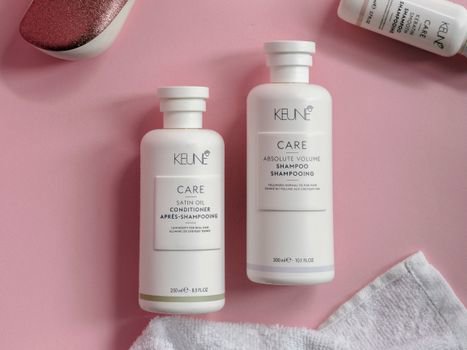
If you want to shop this trend without overspending, start with categories that tend to offer strong value at Shoppers Drug Mart and Well.ca: Moisturising & Nourishing Shampoos, a light conditioner, and one leave-in styler. Save “treatment” money for a mask or bond-builder when you actually need it.
Humidity vs frizz: the science that explains why your style collapses
Frizz doesn’t just mean “dry hair.” In summer, frizz often means hair that keeps grabbing water from the air. Hair fibres contain keratin and hydrogen bonds that shift when moisture levels change. In humid conditions, those bonds reorganize, and hair swells unevenly. That’s the poof.
Canadian summer weather makes this tricky because it flips fast. You can style hair in a dry, air-conditioned condo, then step outside into sticky humidity. Or you can leave a cooler coastal area and land in a hotter city pocket. Your products need to handle both.
What actually helps:
- Film-formers (common in mousse and anti-frizz creams) that create a flexible “coat” over the cuticle.
- Silicones (like dimethicone/amodimethicone) that reduce friction and slow water uptake.
- Cationic conditioners (quats) that smooth static and improve combability.
- Strategic humectants (glycerin, propanediol) used carefully; too much can backfire on very humid days.
We’d skip the marketing promise that any single spray “blocks humidity” all day. Instead, build a layer system: a smoothing leave-in on damp hair, then a light hold product, then a tiny amount of serum on dry ends. That combination survives Canadian humidity swings better than one hero product.
Shopping tip: when you compare options at Sephora Canada versus Shoppers, check sizes. We often see prestige anti-frizz creams priced high per mL. Drugstore formulas with amodimethicone and polyquaterniums can perform similarly for less—especially when technique does most of the work.
Air-dry styling that doesn’t look “air-dried”: a step-by-step system
“Effortless summer styling” headlines sound like a fantasy if your hair air-dries into a triangle, halo, or flat roots. The fix isn’t more product. It’s using the right product at the right time, then setting a pattern while hair dries.
Here’s the system we recommend for Canadian summer, when you want low effort but you still want shape:
Step 1: Get water out—gently
Stop rubbing hair with a towel. Squeeze and blot instead. If you have one, use a microfiber towel or even a soft cotton tee. Friction roughs the cuticle and creates frizz before you apply anything.
Step 2: Put “slip” first, then “hold”
Apply a leave-in conditioner or smoothing cream to mid-lengths and ends while hair stays damp. Then add mousse or gel through the lengths (not at the roots unless you want volume). Use “prayer hands” to distribute, then scrunch or twist to form the shape you want.
Step 3: Set the pattern
For waves: do 2–4 loose braids, or twist sections away from the face, then clip. For curls: finger coil a few face-framing pieces so the front looks deliberate. For straight hair: comb into place, then tuck behind ears and clip flat to reduce flip-outs.
Step 4: Don’t touch until 90% dry
Hair sets as it dries. Touching disrupts the clumps and creates frizz. If you need speed, diffuse on low heat/low airflow for a few minutes, but keep hands off.
Once dry, finish with a half-drop of serum on ends. If you want a little lift, mist texture spray at roots and massage quickly. That’s it. The rest is maintenance.
The “bang for your buck” haircare trend is real—here’s where to spend
Allure’s “more bang for your buck” framing lines up with what we see in pricing behaviour: women don’t want to rebuild routines each season. They want fewer products that do more jobs, and they want them at prices that don’t sting.
We agree—with one caveat. Multi-taskers work when the formula matches your hair’s actual needs. A “mask + conditioner + treatment” hybrid can disappoint if you need either serious slip or real protein support.
Our spending hierarchy for Canadian summer looks like this:
- Spend (if you colour or heat-style): a quality heat protectant and a treatment category like Hair Masks. These products reduce breakage, which saves you more than they cost.
- Save: shampoo. If your scalp feels balanced and your lengths don’t squeak, most mainstream shampoos can do the job.
- Spend selectively: leave-in stylers. If your hair frizzes or tangles easily, a better leave-in often improves every style you do.
- Save: “shine sprays” that mostly deliver alcohol + fragrance + a light silicone. You can often get similar shine from a tiny amount of serum or oil.
When you shop, compare your cost per use. A prestige mask that you only tolerate once a month won’t beat a mid-priced mask you use weekly. We also suggest watching for value sets in Skin Care Sets sections around major retailers’ seasonal promos; hair sets often appear there too, and the math can work in your favour.
If you want brand directions without pretending one label fixes everything, Canadian shoppers usually find consistent ranges at Kérastase (premium), L'Oréal (high-street), and Garnier (budget). Choose by hair condition, not hype.
K-hair care buzz: what’s worth importing, what to buy in Canada
K-beauty has trained shoppers to look for gentle cleansers and smart hydration. Now K-hair care headlines signal a similar wave: scalp care, lightweight conditioning, and glossy finishes that don’t feel heavy. The catch for Canadians: availability often lags, and importing can add fees that erase value.
We treat K-hair care as a concept, not a must-buy. If you can’t find a hyped Korean product at Sephora Canada or Well.ca, you can still build the same functional routine using products already widely stocked in Canada.
What to copy from the trend:
- Scalp-first cleansing (focus shampoo on scalp, not ends).
- Light layers (conditioner + leave-in, both in small amounts).
- Gloss strategy (finish products that smooth the cuticle without grease).
- Periodic clarifying if you use a lot of styling product or dry shampoo.
What to be cautious about: overdoing scalp actives. Exfoliating scalp serums and “cooling” treatments can irritate if you already deal with sensitivity. If flakes or itch show up, scale back and prioritise gentle cleansing plus a basic conditioner first.
Canadian climate note: in many regions, you can swing from humid outdoor air to drying indoor A/C. That combo makes hair feel rough, then oily at the roots. A lightweight conditioner plus a tiny amount of silicone serum often works better than piling on oils.
Summer hair trend #1: big, soft volume that still feels touchable
ELLE Canada’s summer hair trend coverage keeps circling back to volume—big hair that still moves. The easiest way to get it isn’t teasing. It’s root lift plus a style that cools in place.
Technique that works:
- After washing, apply mousse at roots and through mid-lengths.
- Rough dry to 70–80% (or air-dry to that point), then switch to a round brush for just the crown and face-framing pieces.
- Set the crown with two velcro rollers while hair cools. Cooling locks the shape.
- Finish with a light texture spray at roots only, then smooth ends with serum.
If you don’t want a dryer at all, you can still get lift: part hair opposite where you want it to sit, clip roots up while drying, then flip your part back. Root clips cost little and do more than many “volumizing” sprays.
Women with fine hair should watch for heavy butters and oils in leave-ins. They flatten volume fast. Look for products that promise “lightweight” and check ingredient lists for lots of plant oils near the top. Those often read rich, not airy.
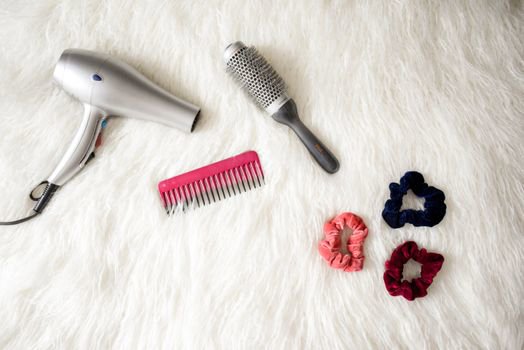
For styling tools and basics, Makeup Brushes & Applicators aren’t the only category worth browsing—many retailers mix hair brushes and rollers into tool promotions. Watch for bundles and multipacks when you compare retailers.
Summer hair trend #2: “wet look” sleek buns—without crunch or flakes
Sleek buns won’t leave the trend cycle because they solve real problems: humidity, second-day hair, and time. The risk sits in product overload. Too much gel can flake. Too much oil can separate and look greasy by noon.
Our preferred formula uses three textures in small amounts:
- A light leave-in on the lengths (if hair feels rough).
- A strong-hold gel mainly at roots and hairline.
- A wax stick or paste for flyaways after you secure the bun.
- A glossing serum on ends only.
Step-by-step:
- Brush hair back when it’s slightly damp, not soaking wet.
- Apply gel to roots and smooth with a boar bristle or dense brush.
- Secure with an elastic, then twist into a bun and pin.
- Use a wax stick lightly at the hairline, then press with your palm.
To avoid flakes, don’t layer multiple hold products that use different polymers. If you want to refresh, mist water onto hands and smooth, then add a tiny bit more gel only where needed.
Canadian shopping note: wax sticks and edge products sell out during summer event season. If a product disappears at Sephora Canada, check Shoppers Drug Mart or The Bay for similar styling categories rather than waiting weeks for a restock.
Summer hair trend #3: glossy lengths—how to get shine that looks real
“Glossy hair” reads expensive because shine signals smooth cuticles. You don’t need a salon gloss to get close, but you do need clarity about what shine products can and can’t do.
Shine comes from three sources:
- Surface smoothness (conditioners, silicones, proper drying).
- Colour and light reflection (fresh colour jobs often look shinier).
- Clean hair without residue (too much dry shampoo dulls shine).
For Canadian summer, we like a “clean + seal” approach:
- Use a regular shampoo focused on scalp.
- Condition mid-lengths and ends, then rinse thoroughly.
- Once weekly, use a clarifying wash if you rely on styling products.
- Finish styles with a silicone serum on ends, not at the crown.
Women with highlighted hair should also watch for UV fade. Hats help, but so do leave-ins that reduce dryness. If you colour-treat, a weekly mask often makes more visible difference than swapping shampoos.
If you love a polished finish, prestige lines like Shiseido and Estée Lauder dominate skin categories, but hair shine gains often come from technique and the right conditioner more than a luxury label. We’d rather see you invest in one strong mask and keep the rest simple.
What this means for Canadian shoppers (and your summer hair budget)
Those Summer 2026 hair trends—volume, sleekness, “expensive” shine—sound different, but they share one practical requirement: controlled moisture. In Canada, that means you plan for humidity swings, A/C dryness, and more frequent washes.
The simplest way to win the season: stop collecting random “fixers” and build a small system. One cleanser you like, one conditioner you’ll use generously, one styler for hold, and one finisher for shine. That’s enough for most women to cover air-dry days, bun days, and a blowout when you want it.
If you want to shop smarter, use price comparison to time purchases around promos and sets. Categories like Moisturising & Nourishing Conditioners and Moisturising & Nourishing Shampoos often discount more reliably than niche styling launches. Save your full-price buys for the one product that changes your daily results: usually a leave-in or a treatment.
Tell us what your hair does in Canadian summer
Does your hair frizz the second you step outside, or does it go flat at the roots and dry at the ends? And are you trying to air-dry more this season, or do you want a style that lasts through humidity?
If you share your hair type and your biggest summer issue, we’ll suggest a trend-appropriate routine structure and the product categories to shop first.