
Most colour loss happens in your shower, not in the sun. The wrong conditioner can strip tone, rough up the cuticle, and send expensive salon colour down the drain. The right one locks pigment in, makes hair feel like silk, and buys you weeks between touch-ups.
Across our merchant feed, conditioners with “colour-safe” claims now land every week. Bond builders crowd the shelves. pH-balancing formulas make big promises. Some deliver. Some just cost more. The trick is knowing which labels matter and which claims you can skip.
We track prices and newness across Sephora Canada, Shoppers Drug Mart, The Bay, and Well.ca. We also comb through ingredient lists, because marketing names shift, but INCI tells the truth. Here’s our practical guide to choosing a conditioner for colour-treated hair that keeps pigment rich, texture healthy, and shine high.
Context: why conditioner decides how long your colour lasts
Permanent and demi-permanent dyes change hair by swelling the cuticle and either depositing or altering pigment. That process raises cuticle scales. If you keep those scales lifted, water carries colour molecules out fast. Conditioner exists to smooth those scales back down. It does that with cationic conditioning agents, fatty alcohols, acids that nudge pH slightly lower, and film formers that seal the surface.
Hair sits most happily at a slightly acidic pH. Think roughly in the same zone as healthy skin. Many colour-safe conditioners lean into that, using citric or lactic acid to keep the cuticle tight. We see that move across premium and mass launches. You don’t need a lab to test pH, but you can use pH strips if you love data. Hair often feels sleeker and tangles less when the formula sits in the acidic range.
Canada adds one more variable: climate. Long, dry winters with indoor heating pull moisture from hair. Dry fibre cracks more easily. Pigment then leaches faster. Summer flips fast, with heat and UV exposure that push oxidation. Conditioners for Canadian routines need moisture plus protection. Lightweight hydrators for July. Cushioning, richer slip for January. One bottle rarely does both perfectly.
Price also plays a role. We see a consistent premium for “colour care” and “bond-building” products versus a brand’s core hydrators. Sometimes that premium buys a smarter formula. Sometimes the INCI list mirrors the base conditioner with one tweak. Ingredient literacy helps you spend where it counts.
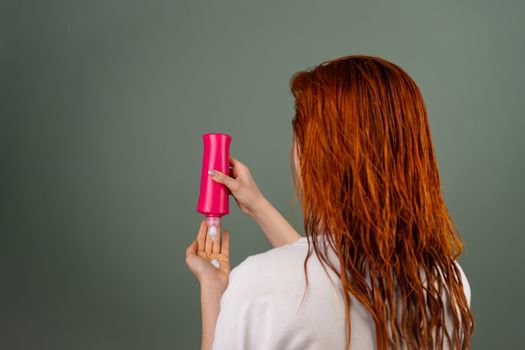
{{IMAGE:woman with colour-treated hair using conditioner in shower}}Read the label: what to avoid, what to seek out
Start with surfactants. You rinse a conditioner, but many formulas still include mild cleansing agents. Avoid harsh sulfates in any rinse-out step on fresh colour. You want zero or ultra-gentle surfactants, so your conditioner stays focused on lubrication and repair rather than extra cleansing.
Next, look for cationic conditioning agents. Names like behentrimonium chloride, behentrimonium methosulfate, cetrimonium chloride, and stearamidopropyl dimethylamine bind to the damaged, negatively charged hair surface. These cling where you need them. Fatty alcohols like cetyl and stearyl add slip and softness. That trio—quat, fatty alcohol, mild acid—forms a solid colour-care base.
Silicones remain controversial online, but modern targeted silicones help coloured hair. Amodimethicone, for example, deposits more on damaged zones, adds shine, and reduces friction, which means less breakage and less colour wash-off. Many colour-safe conditioners balance amodimethicone with lightweight esters to avoid a heavy feel. If you prefer silicone-free, look for alternatives like hydrogenated polyisobutene, coco-caprylate, or squalane for glide.
Two easy places to start: look for colour-safe ranges from brands that publish real ingredient detail. We see dependable choices in L'Oréal’s sulfate-free lines and in Kérastase’s colour-focused ranges. If you shop drugstore, Garnier offers good-value formulas with the right cationic base and fatty alcohol blend. Always cross-check on GlamGeek: add contenders to your wishlist, and we’ll ping you when prices shift across Canadian retailers.
pH and pigment: why a slightly acidic conditioner matters
Conditioners sit on hair for minutes, not seconds. Those minutes matter. A formula at a slightly acidic pH helps compact the cuticle so light reflects cleanly and pigment stays put. You’ll often spot citric acid or lactic acid high enough in the INCI to make a real difference. Some colour-care conditioners even advertise “acidic” or list a target pH on pack or brand sites.
What does that feel like in practice? Hair detangles faster. The surface feels smoother without a waxy film. Tones look truer because scatter reduces. If your hair looks dull no matter how heavy your conditioner, pH may be the missing piece rather than more oil.
You can test this at home if you love a project. Pick up inexpensive pH strips. Dilute a pea of conditioner in distilled water and check. You don’t need a perfect number. You want a result that sits on the acidic side, not neutral or alkaline. Many of the better known colour ranges from Kérastase use lactic acid to bring pH down. Mid-priced options from L'Oréal also lean on citric acid now. Our database shows this trend spreading into mass-market launches over the last few years.
Bond builders and proteins: smart support, not every wash
Bleach, highlights, and high-lift colour break disulfide bonds. Bond builders aim to support damaged areas with maleate, succinate, or other linking chemistry. You’ll see aminos, peptides, and focused acids in these formulas. Plenty of conditioners now pair a traditional conditioning base with a bond-support complex.
Protein sits in a similar bucket. Hydrolysed keratin, wheat, rice, silk, and amino blends can boost strength and reduce breakage. Use them with intention. If your hair snaps and feels stretchy when wet, a protein-leaning conditioner helps. If your hair feels stiff and squeaks, you likely need moisture instead of more protein.
We rate a rotation approach. Keep a colour-safe daily conditioner for regular washes. Add a bond-building or protein-leaning conditioner once or twice a week if you lighten or colour frequently. Many women in our community report better comb-through and less snapping when they alternate. For a deeper reset, shortlist a weekly mask from a colour range and compare on GlamGeek’s Hair Masks page before you buy.
If you shop premium, scan formulas in Kérastase for aminos and lactic acid partners. If you shop mass, check Garnier and L'Oréal for hydrolysed proteins and lightweight quats. Avoid doubling up every wash. More bond building is not always more shine.
Moisture on demand: winter vs summer in Canada
Dry indoor air undercuts every colour service. When relative humidity drops under 30%, hair loses water faster. You feel that as static, tangles, and dullness. A richer conditioner helps in winter. Look for glycerin or propanediol up high, plus heavier emollients like shea butter, argan oil, and hydrogenated vegetable oils. You still want that cationic base for slip and protection.
In July and August, switch to a lighter, film-forming sheen rather than heavy butters. Coco-caprylate, squalane, and dimethicone copolyols offer shine without weight. If your conditioner leans rich, pair it with a cooler rinse and a lighter leave-in so hair stays swingy in humidity.
Routine also matters. Wash less often if your scalp allows it. Rinse with lukewarm water. Finish with a cool splash to encourage cuticle lay-down. Microfibre towels reduce friction. If static rules your winter, run a humidifier at night and keep a lightweight leave-in in rotation. The Body Shop and Garnier often carry budget-friendly leave-ins that play well with colour-safe rinse-outs.
Our price tracker shows frequent discounts on conditioners in January and early spring. This is a good window to stock both a rich winter formula and a lighter summer option. Add them to your wishlist to catch the short-lived promos that come and go fast.
Tone control: purple and blue conditioners the right way
If your blonde turns brassy or your brunette skews orange, a pigmented conditioner can rescue tone between salon visits. Purple conditioners reduce yellow. Blue tames orange and copper. They work by depositing a whisper of opposing pigment while you condition.
Don’t use them daily unless a colourist tells you to. Most hair does best with one or two tone-control sessions a week. Overuse can mute highlights or push hair ashy. Apply to towel-squeezed hair so water does not dilute the pigment. Comb through for even coverage. Leave for the indicated time, then rinse well.
Scan the INCI for the same base you would want in a daily conditioner: cationic agents, fatty alcohols, and some acidity. The pigment should sit mid-list, not at the very end, or you won’t see much effect. Pair a purple or blue conditioner with a non-pigmented, deeply hydrating mask on your other wash days so you don’t trade tone for dryness.
We see seasonal spikes for purple conditioners across retailers when highlights season hits. Availability swings. If your favourite sells out, tap “compare” on our Moisturising & Nourishing Conditioners page to find a colour-safe alternative while you wait for restock.
Heat, UV, and pollution: protect your investment
Heat speeds colour fade. UV oxidizes pigment. Urban air adds pollutants that roughen the cuticle. Your conditioner should set you up with a smooth surface and some protection. Look for antioxidants like tocopherol (vitamin E) and quaternised UV filters in leave-ins. Some rinse-out conditioners include UV filters, but leave-ins carry that load better.
Practical steps help as much as ingredients. Turn down your hot tools a notch. Work with heat protectant every time you blow-dry or straighten. Use a hat or UV spray on peak sun days. Rinse hair with fresh water before a swim so it absorbs less chlorinated or salty water. If you blow-dry often, you might prefer a lighter conditioner plus a robust heat protectant rather than an ultra-rich rinse-out.
We watch heat-protectant launches every spring at Sephora Canada and Shoppers. If a US launch hasn’t landed in Canada yet, set a wishlist alert on GlamGeek. The wait can stretch a month or more. You’ll get a nudge when a Canadian retailer flips to “in stock.”
{{IMAGE:close-up of coloured hair strands with shine}}Coloured curls and coils: extra slip, less friction
Curly and coily hair tends to be drier and more porous, and colour raises porosity further. Conditioner needs to give generous slip, reduce single-strand knots, and add flexible hold. Look for amodimethicone or polyquaterniums for glide, plus oils and butters that soften without waxy buildup. Stearamidopropyl dimethylamine plays well here: it conditions and helps with detangling.
Many curly women like a co-wash day between shampoos. If you co-wash, pick a conditioner with ultra-gentle surfactants or none at all, and keep your weekly sulphate-free shampoo to remove buildup. Detangle in sections with a wide-tooth comb, starting at the ends. Rinse cooler and leave a little conditioner behind if your hair drinks product.
Protein can help with bounce, but use a light hand. Curls often prefer smaller, more frequent protein hits over heavy doses. Hydrolysed wheat or silk in a balanced base keeps curl memory without crunch. If your curls feel too stiff, switch to a purely moisturising formula for a week and re-assess.
Brands with curl-friendly colour care show up across price points. We often see rich, slip-heavy options from L'Oréal’s pro-inspired ranges and textured-hair lines at drugstores. Check ingredient lists on GlamGeek and save your finds; stock can swing hard in peak highlight season.
Scalp comfort: fragrance, essential oils, and residue
A sensitive scalp does not love heavy fragrance or long ingredient lists. Many colour-care conditioners go big on scent to signal “salon.” That can backfire. If your scalp tingles or flakes, try a low-fragrance or fragrance-free option and keep the formula focused on the core conditioning system without added botanicals.
Watch for essential oils if your scalp reacts easily. Menthol, peppermint, and citrus can feel lively but may irritate. Some preservatives can also trigger responses. Patch test along the hairline before you commit, and keep conditioner on lengths if your scalp objects to anything.
Residue also causes itch. Condition from mid-lengths to ends. Use a scalp-focused lightweight conditioner only if you need it, and rinse well. If buildup happens, add a gentle chelating or clarifying step once every couple of weeks with a colour-safe formula. Then follow with your most hydrating conditioner to restore slip and shine.
We often see simple, comfort-first formulas from The Body Shop and selected lines under Garnier. Premium sensitive options come and go; add them to your GlamGeek wishlist so you don’t miss short restocks.
Build a routine: how to pair shampoo, conditioner, and masks
Your conditioner can’t fix a harsh shampoo. Start with a sulphate-free, colour-safe shampoo that cleans without squeaking. Then use a colour-safe conditioner every wash. Press water out first so the conditioner grips instead of sliding away. Comb through. Give it time to work. Rinse cooler.
Add a mask once a week, or twice if your hair is lightened. Choose a mask that matches your need that week: bond support after a fresh set of highlights, moisture during a polar vortex, pigment after a beach weekend. Our Hair Masks page makes it easy to compare textures and hero ingredients across retailers.
If you tone with purple or blue, place it in the middle of the week and use your most hydrating conditioner next wash. That rhythm keeps brass at bay without drying your hair out. For day-to-day softness and shine, pair your rinse-out with a lightweight leave-in and heat protectant. Many women find that a two-step conditioning approach—rinse-out plus a pea of leave-in—beats a single heavy conditioner.
We track bundle deals and gift-with-purchase sets that pair shampoos, conditioners, and masks. These often drop around holiday periods and spring events. Check GlamGeek’s comparison before you buy full size; sets can cost less than a single premium bottle at list price.
Shop smart in Canada: ingredients first, then price
Launch timing differs between the US and Canada. A colour-care line can hit US sites first and arrive in Canada weeks later. If a product trends on social and you don’t see it at Sephora Canada or Shoppers yet, hold fire. Create a GlamGeek wishlist entry instead. We flag Canadian availability and send a nudge when stock lands.
Prices shift weekly. We watch colour-care lines jump up and down with promotions at The Bay, Well.ca, and brand sites. Check our comparison view before checkout. Don’t assume the premium range performs better than a pro-inspired mass line. Sometimes the INCI lists look near-identical apart from a fragrance tweak or a small active inclusion.
If you love premium shine and slip, Kérastase makes standout conditioners for coloured hair. If you want solid performance without the luxe markup, shortlist options from L'Oréal and Garnier. Curious about Japanese textures and elegant finishes? Keep an eye on Shiseido hair care listings on GlamGeek; Canadian availability can be sporadic, but when it lands the sensorial profile tends to win fans.
Browse by need, not just brand. Our Moisturising & Nourishing Conditioners category filters help you line up options with the right base chemistry. Add two or three to your wishlist and wait for a promo window. We do the price-watching so you can spend where formula quality actually shows.
What this means: your colour-safe checklist
Choose a conditioner with a proper cationic base, fatty alcohols, and a slightly acidic pH. Add slip with targeted silicones like amodimethicone or silicone-free esters if you prefer. Keep bond-building and protein in rotation, not every wash. Moisture needs change with the season in Canada; stock a richer winter option and a lighter summer pick.
Use tone-control conditioners as tools, not dailies. Treat heat, UV, and friction as threats to pigment. Protect against all three. Pair your conditioner with a mild shampoo and a weekly mask that matches your current hair need. Shop by ingredient list first, then use GlamGeek’s price comparison to catch a good deal.
Put your finds on a wishlist. Conditionally coloured hair thrives on consistency, but your product shelf does not need to. You can swap seasonally and based on how your hair feels that week. That flexibility, guided by INCI rather than hype, keeps colour brighter for longer and saves money over a year.
Over to you
Which colour-safe conditioners actually kept your tone truest through a Canadian winter? Tell us the formulas and the ingredients you rate, and add them to your GlamGeek wishlist so others can spot them too. If you’re torn between two options, drop both into our comparison view and sort by ingredients before you buy—our tracker will handle the price swings.
Want a second opinion on a label? Share the INCI highlights in the comments. We can help you translate the chemistry into real-world shine and longer wear between colour appointments.