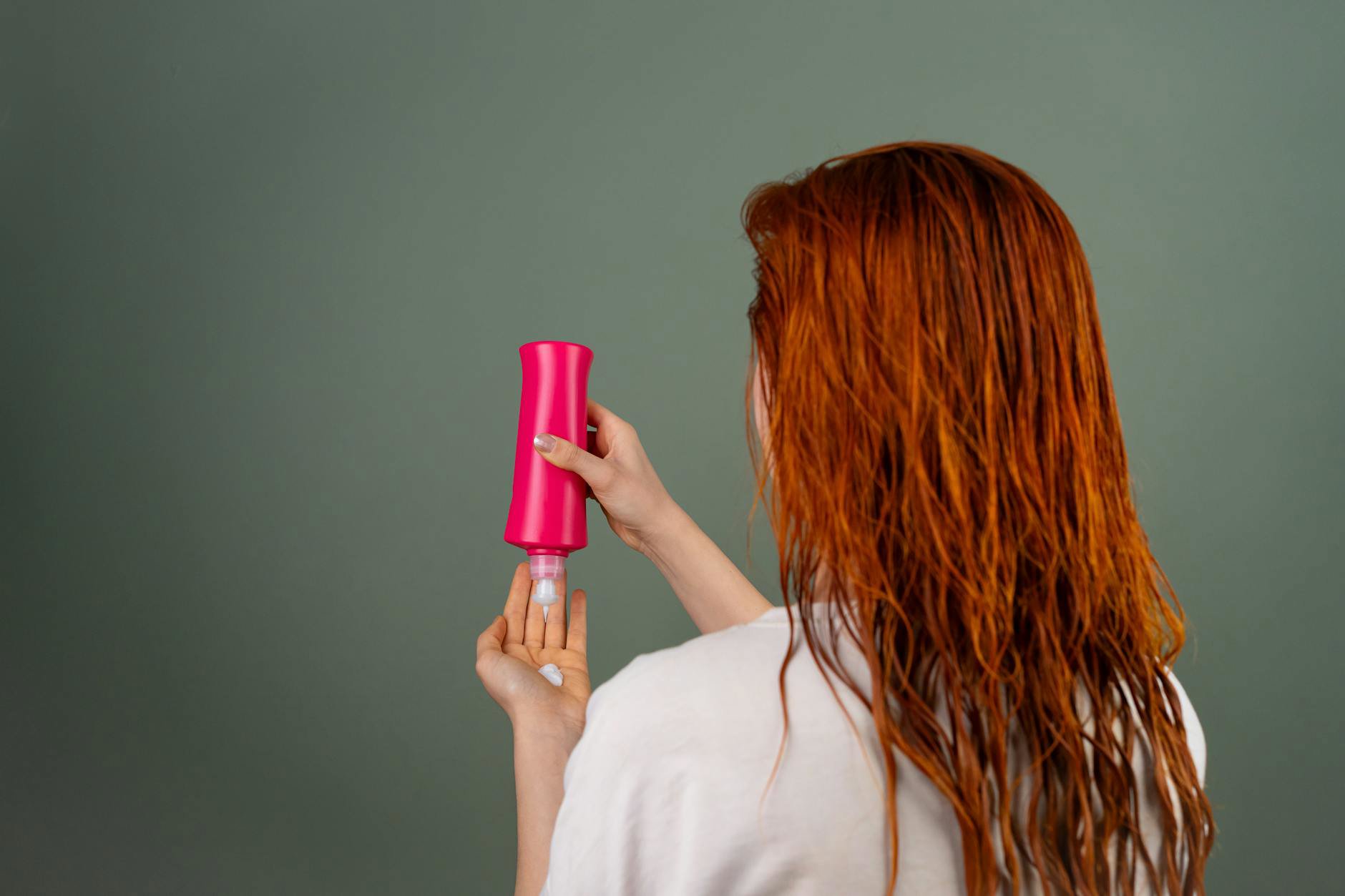
Searches for hair masks always climb in Canada when radiators switch on. Our price tracker sees the pattern every winter, then again after summer holidays. Dry air, heat styling, and colour all push hair past what a quick conditioner can handle.
The problem: many women treat masks and conditioners as interchangeable. They are not. They aim at different levels in the hair fibre and work on different timelines. Choosing the right one will change how your hair behaves day to day.
Here is a clear, data-backed breakdown of hair mask vs conditioner: what each does, who needs which, when to use both, and how to avoid wasted spend.
Context: why two products exist, and why Canada makes the gap wider
Conditioners came first as the daily softener. The goal was slip, shine, and frizz control in one rinse-out step. Masks entered later as heavy-duty support. The goal shifted to deeper repair, intensive moisture, or bond support after heat and chemical services.
Across our merchant feed, conditioners outsell masks year-round. Masks spike in cold months and after long weekends with sun and lake water. The pattern matches what hair pros report. Central heating and UV both stress the cuticle. That stress raises porosity and roughness. Hair starts to tangle, feel coarse, and stretch more when wet.
Retail pricing diverges as well. We see a consistent Canada premium on many salon masks versus their daily conditioners. The gap often widens at Sephora Canada and salon counters. Shoppers Drug Mart and Well.ca sometimes run promotions that narrow it. If you want one mask and one daily conditioner, our price comparison helps spot the best bundle timing without guesswork.
{{IMAGE:woman using hair mask in shower}}What each product actually does inside the fibre
Think of conditioner as the surface diplomat. It smooths the outer cuticle, lowers friction, and adds short-term manageability. Typical formulas lean on cationic surfactants like behentrimonium chloride. They also lean on light silicones and fatty alcohols. These form thin films that improve slip and shine and reduce static.
A mask behaves more like a structural contractor. It brings higher loads of lipids, humectants, and often hydrolysed proteins. Many masks use larger or richer molecules. They sit longer and deposit more. Some include bond-supporting ingredients or acidic pH to tighten the cuticle. That extra time and extra actives change the feel and strength after rinsing.
We also see a difference in pH targets. Many conditioners sit around a mildly acidic pH to flatten the cuticle. Masks may push a bit lower or combine acids with oils and proteins. The aim is reinforcement, not only slip.
Intensity and timing: how long, how often, and who benefits
Conditioner suits daily or every-wash use. Two to three minutes is enough. You keep tangles low and cut drying time. If your hair is fine, this step might be your whole routine. If your hair is coarse or curly, it is your maintenance layer between deeper treatments.
Masks call for patience. Most need five to ten minutes at minimum. Some advise fifteen. We recommend a practical rule: if a mask claims “weekly,” start once a week for straight or wavy hair. Coily or very dry hair may prefer twice weekly during winter, then taper in summer.
Time on the head is only part of intensity. Saturation matters. Apply masks to towel-squeezed hair, not dripping strands. Water dilutes actives. Squeeze then apply in sections for an even coat. Comb through with a wide-tooth tool for better deposition. This one change improves results more than any fanciful claim on the jar.
Ingredient focus: what changes between a mask and a conditioner
We read a lot of labels. Here is the pattern we see most often.
- Lipids and oils: Masks carry richer loads of shea, babassu, argan, and triglycerides. Conditioners lean on lighter esters. Rich lipids bulk up the hydrophobic layer and reduce porous feel.
- Humectants: Glycerin, propanediol, and aloe appear in both. Masks include higher levels or pair them with occlusives to trap water. That pairing matters in heated winter rooms.
- Proteins and amino acids: Hydrolysed keratin, wheat, or silk appear more in masks. They help with body and reduce breakage in damaged hair. Fine hair can feel stiffer if overdone. Start slow.
- Silicones: Both use them. Masks often use targeted silicones like amodimethicone that bind to damaged areas. This can boost shine without heavy build-up if you rinse well.
- Bond-support claims: Some masks include acids or new polymer systems that aim at broken salt and hydrogen bonds during wet styling. These can smooth and strengthen feel. They do not replace professional repair of extreme bleach damage.
Want to scan options by ingredient style? Browse category filters for Hair Masks and Moisturising & Nourishing Conditioners. Add picks to your wishlist. We will alert you when the price drops at Sephora Canada, Shoppers, or The Bay.
Seasonal strategy in Canada: dry winters, short hot summers
Winter needs more occlusion and more time. Indoor heating strips moisture from the air. Humectants pull less water when humidity falls. A mask with oils plus humectants helps. Consider a microfibre towel wrap over the mask. The gentle warmth helps deposition without a blow-dryer.
Summer asks for balance. UV, chlorine, and lake water roughen the cuticle. A post-swim mask with acidic pH helps re-seal. But humidity also weighs hair down. Switch to lighter masks or space them out. Use a daily conditioner that focuses on slip, not heavy oils, to keep volume and movement.
For colour-treated hair, build a routine around the dye cycle. Use a richer mask the first week after colour to seal and soften. In week three or four, add a colour-correcting mask if brassiness shows. Then return to maintenance with your daily conditioner.
Hair type guide: fine, medium, coarse, and curly/coily
Fine hair: Focus on slip without collapse. Choose masks labelled “lightweight” or “volume-safe.” Look for hydrolysed proteins and light esters rather than heavy butters. Keep mask time short at first. Your daily conditioner might be enough most weeks. Add a mask before big blow-dry days or after sun exposure.
Medium hair: You have the most freedom. Rotate a nourishing mask once a week in winter and every other week in summer. Use a standard conditioner every wash. If heat styling often, pick a mask with amino acids and targeted silicones for better heat control.
Coarse or very dry hair: You need sustained occlusion. Masks with shea, cupuaçu, or ceramide-like lipids help. Use weekly year-round, then twice a week in winter. Follow with a tiny amount of daily conditioner on ends if you need more slip on rinse-out days.
Curly and coily hair: Focus on moisture retention and cuticle smoothness. Masks with rich lipids plus cationic conditioners work well. Protein can help with shape but watch stiffness. Alternate protein-heavy masks with moisture-first masks. Rake product through in sections and clip hair up to avoid product pooling at the nape.
Technique matters: application steps that change results
We see better outcomes when women treat masks as a treatment, not a fast rinse. Small tweaks pay off.
- Clean base: Use a gentle shampoo before a mask. Heavy build-up blocks deposition. If you need a clarifying step, keep it rare. Then follow with a rich mask without delay.
- Water control: Squeeze hair until it stops dripping. Water competes with actives. Less water equals better uptake.
- Section and comb: Work from ears down first. Detangle with a wide-tooth comb. Add a touch to the crown only if dry. Avoid the root area if prone to oil.
- Heat hack: Pop on a shower cap or wrap a warm microfibre towel. Five extra minutes under gentle warmth can outperform an extra dollop of product.
- Rinse smart: Use cool water for the last 15 seconds. This helps with cuticle tightness and shine.
If you use a straightener or curling iron, add a heat protectant after rinsing. Repairs mean little if heat keeps undoing progress. You can scan Moisturising & Nourishing Shampoos to build a wash routine that supports your mask days.
{{IMAGE:close-up hair care products flatlay}}Can a mask replace your conditioner?
Short answer: not most days. They serve different roles.
Use a mask instead of conditioner when hair feels rough, stretchy when wet, or tangles in clumps. Use it after colour, after saltwater, or after a big heat-styling week. Then return to a regular conditioner for maintenance on the next wash.
If a mask leaves hair too soft to hold style, reduce frequency or switch to a lighter formula. If your hair still frizzes after a mask, layer a small amount of conditioner on the ends after rinsing the mask. Rinse both. This sandwich boosts slip without overloading roots.
Colour care, bond claims, and how to shop them wisely
Colour-safe conditioners reduce wash-out by smoothing the cuticle. That part is straightforward. Masks for colour care add richer lipids and sometimes bond-support claims. The bond language varies. Some products use acids and polymers that target weak points caused by bleaching and dye. Others add amino acids to improve flexibility.
Our view: judge by how often you colour and how light you go. Blondes and high-lift brunettes see more cuticle upset and porosity. They often benefit from a weekly mask that pairs lipids with amino acids. Darker dyes that deposit pigment may need less protein but still enjoy richer moisture in winter.
For brass control, semi-toning masks can help. Keep them in for the lower end of the time window on the first use. Over-toning can dull shine. Alternate with a plain moisturising mask to keep touch and tone in balance.
Build vs bounce: protein-moisture balance without the drama
Protein brings body. Moisture brings bounce. Too much protein can feel brittle. Too much moisture can feel limp. The fix is rotation, not panic.
Signals you need more protein: hair stretches a lot when wet, then snaps. Curls lose shape. Blowouts flop fast. Try a protein-forward mask once a week, then space out.
Signals you need more moisture: ends feel rough or squeak. Frizz spikes in dry rooms. Hair looks matte under indoor light. Reach for a buttery mask and reduce heat styling days.
Most routines work with one moisture-first mask and one protein-leaning mask. Alternate them. Use your daily conditioner to maintain slip between treatment days.
Save or splurge: where the extra dollars do more
We see the largest formula differences in masks. That is where a splurge often shows on the head. Many premium masks from salon houses use advanced cationic polymers, targeted silicones, and lipid complexes that cling to damage areas. If your hair is bleached, curly, or very coarse, consider putting more budget here.
Conditioners share many base structures across price tiers. Plenty of mid-range or drugstore options give excellent slip and shine. Spend smart: one great mask, one reliable daily conditioner, and a heat protectant often beat a shelf of half-finished jars.
Want examples to research? Check brand hubs like Kérastase for salon masks, and Garnier or L'Oréal for strong value conditioners. The Body Shop also offers community-trade butters in some hair formulas; browse The Body Shop for vegan-leaning picks. Compare across retailers on GlamGeek. Add to your wishlist to get a nudge when a promo hits Shoppers or Well.ca.
Application FAQs we hear most often
Do you apply mask before or after conditioner? After shampoo, instead of conditioner for that wash. Rinse well. On the next wash, return to normal conditioner.
Can you leave a mask on overnight? We do not recommend it for most formulas. Many masks use cationic quats designed for rinse-out. Overnight wear can cause scalp build-up or irritation. If you want overnight moisture, reach for a dedicated leave-in cream.
Roots or ends? Focus on mid-length to ends. Apply a tiny amount to the crown only if that area feels dry. Avoid the scalp if you get oily fast.
Hard water issues? If you live with mineral-heavy taps, use a chelating or clarifying shampoo once every few weeks, then follow with a mask. This removes mineral film and helps actives land where needed.
How to design a simple, high-yield routine
Step 1: Shampoo based on scalp, not length. Oily scalp? Use a gentle daily shampoo. Dry scalp? Pick a moisturising wash. This sets the base for either a mask or conditioner to cling well.
Step 2: Choose one signature mask. Match it to your biggest pain point: dryness, colour damage, or lack of body. Use weekly. Increase to twice weekly in winter if needed. Decrease in humid months.
Step 3: Choose one daily conditioner for slip and speed. Use every wash. Swap seasonally if hair loses volume in July or frizzes in February.
Step 4: Protect your work. Use a heat protectant on any day you touch a blow-dryer or iron. Air-dry sometimes. Trim ends on schedule. The best mask cannot rebuild split ends that have already frayed.
Build your shortlist inside GlamGeek. Start with Hair Masks and then pick a match from Moisturising & Nourishing Conditioners. Add both to your wishlist to watch price swings across Sephora Canada, Shoppers Drug Mart, The Bay, and Well.ca.
Retailer realities: where Canadians actually find value
Our tracker shows stable mask pricing at salon counters and Sephora Canada, with periodic spikes tied to gift events. Shoppers Drug Mart often offsets with points promos. Well.ca and The Bay run seasonal hair events where masks and conditioners bundle with shampoos or brushes.
We also flag stock gaps. New US mask launches sometimes lag in Canada. Waiting a month can land the same jar locally with return options and no cross-border fees. If a US-only launch tempts you, add it to your GlamGeek wishlist. We will surface Canadian availability as soon as it appears at a tracked retailer.
For value hunters, mid-range conditioners deliver strong slip with fewer premiums. Put spend into the mask. Then watch our comparison page before big retail holidays. You do not need to chase every limited edition to get healthy hair.
Common mistakes and easy fixes
Using a mask on sopping-wet hair: squeeze first. You pay for actives. Do not let water dilute them.
Masking every wash: most hair does not need that much. Over-conditioning reduces volume and curl bounce. Rotate with a standard conditioner.
Skipping shampoo before masking: oils and stylers can block uptake. A clean base helps every formula work harder.
Expecting a mask to fix splits: it can bind frayed edges for a few days. It cannot fuse a true split back together. Trim and start fresh.
“More time equals better hair”: not always. Many formulas plateau after the label time. Focus on technique and frequency before adding minutes.
What this means: the simple truth about masks vs conditioners
Conditioner keeps the peace. It gives daily slip, shine, and faster detangling. It serves every hair type. It stays brief and light. That is its job.
A mask is targeted support. It invests time and richer actives to change how hair behaves for days, not hours. Use it when hair feels rough, colour looks tired, or heat has taken a toll. Do not force it into every wash. That wastes product and flattens style.
Build your two-step core: one mask, one conditioner. Align them to your hair type and the Canadian season. Then buy with timing, not panic. Our tracker shows enough promos across major retailers that patience pays.
Want help narrowing? Browse Kérastase for high-performance masks and pair with a value daily conditioner from Garnier or L'Oréal. If you prefer cruelty-free vibes, explore The Body Shop. Add contenders to your wishlist. We will alert you when the price dips so you can stock up without guesswork.
Your turn
What does your hair ask for right now: more slip, or deeper repair? Tell us which mask and conditioner pair has worked for you, and which season changed your routine the most. Build a shortlist on GlamGeek, add it to your wishlist, and let our alerts do the deal-watching across Sephora Canada, Shoppers Drug Mart, The Bay, and Well.ca.
Healthy hair loves consistency. Choose wisely, time your purchases, and enjoy fewer tangles and faster styling tomorrow.