Our price tracker has a blunt message for 2026: value wins. Haircare sales in Canada no longer surge on big new claims or twelve-step routines. They grow when products deliver visible results in fewer bottles and at fair prices across retailers.
We see this shift every week in the data. Fewer impulse buys, more refills. More women wait for a price dip at Sephora Canada or Shoppers Drug Mart, then stock the one mask or leave-in that actually fixes their hair problem. That isn’t frugal for the sake of it. It’s smart, testable value.
So what earns a place in a Canadian shower caddy this year? A routine that solves curls collapsing by lunchtime, tackles post-colour breakage, and cuts halo frizz in dry rooms with heating. Without a crowded shelf or a strained budget.
Context: why “value” means results per dollar now
Across our merchant feed, Canadian haircare prices edged up again through late 2025. Launches still land with fanfare, but discounts cluster around repeat buys. Conditioners and masks receive broader markdowns than styling one-offs. Our tracker flags faster sell-through on proven ranges compared with buzzy limited editions.
We also see the familiar Canadian price premium against the US. The gap varies by brand and line. The sting feels sharper on salon labels and imported treatments. Women in Canada respond by cross-shopping more retailers. They add favourites to wishlists and wait for promo windows rather than paying the first price they see. That patience pays off.
Climate plays a role. Cold, dry winters plus sudden spring thaws punish hair. Indoor heating steals moisture. Summer humidity flips the script, bloating strands and lifting the cuticle. The right formula at the right moment beats another product for the sake of novelty. One bottle that performs in January and July comes close to a unicorn. A tight routine that you adjust with the season makes more sense.
Retail access matters too. US launches still reach Canada on a delay, and not every shade or size crosses the border. We flag those gaps when they last long enough to matter. In practice, we see Canadian shoppers choose reliable global lines with wide retail coverage. A refillable liter, a balanced leave-in, a mask that restores bounce after one use. That is what moves.
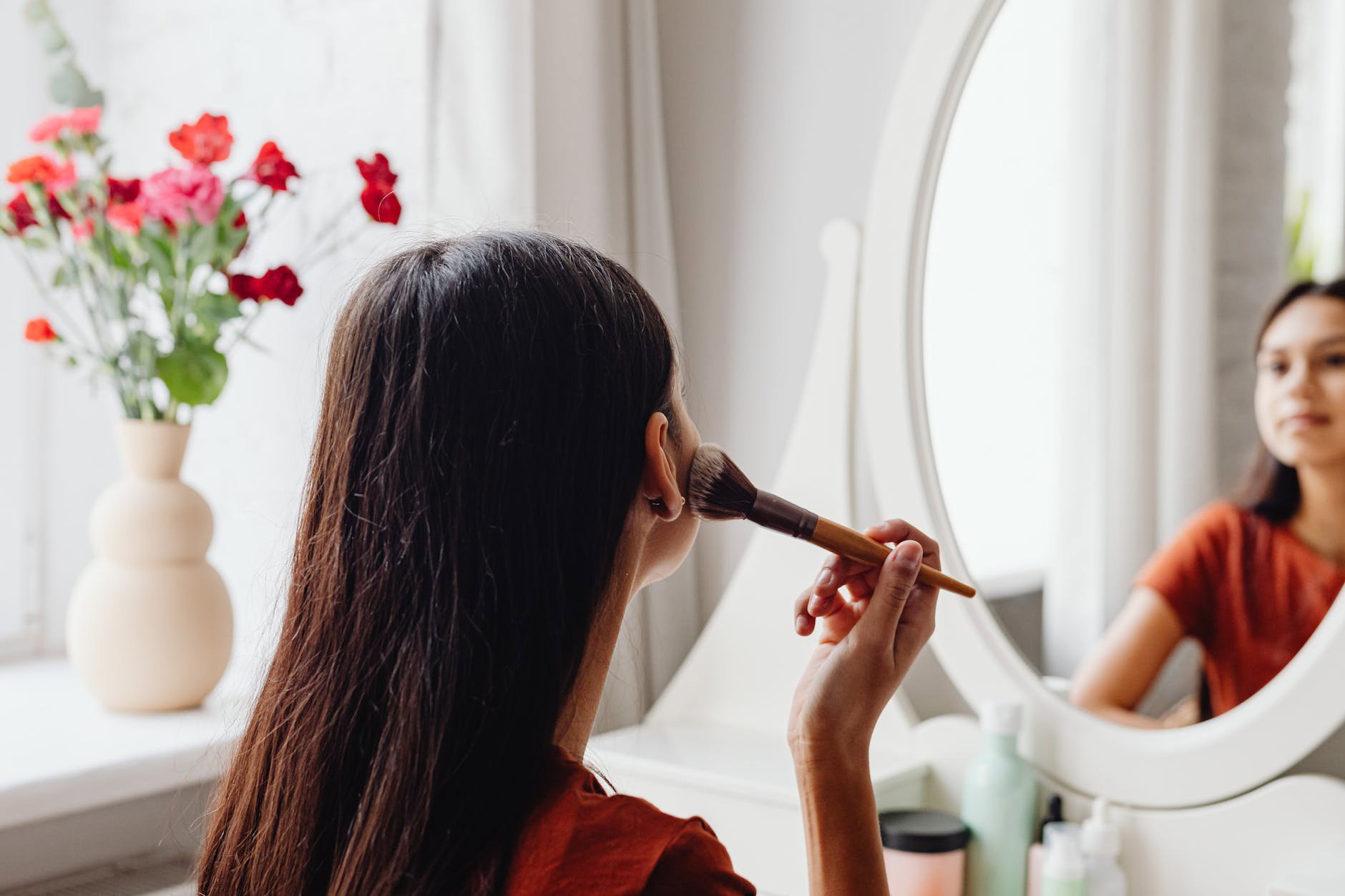
{{IMAGE:woman with curly hair in winter streetwear}}The foundation: shampoo and conditioner choices that actually help
The fastest way to cut costs is to make your base pair work harder. One well-matched shampoo and one reliable conditioner solve more problems than three styling products can hide. Choose by scalp oil level and strand diameter, not by slogan.
If your scalp runs dry or normal, look for gentle cleansers. Sodium cocoyl isethionate, sodium lauroyl methyl isethionate, and sulfonates cleanse without the sandblasted feel of strong sulphates. If your roots get greasy by day two, a balanced sulphate formula can help. Pair with a slip-heavy conditioner that lists fatty alcohols high. Cetearyl alcohol and cetyl alcohol give glide. Behentrimonium chloride smooths the cuticle. Glycerin helps, but in freezing weather it can grab moisture from the strand instead of the air. On the coldest days, keep humectants lower on the list and lean on occlusives or silicones.
For fine hair that falls flat, skip heavy butters and choose a conditioner with light film formers. Look for amodimethicone, which targets damaged areas and rinses clean when paired with the right surfactants. For dense textures and curls, richer conditioners with shea, jojoba, or macadamia can cut friction and shrink wash-day tangles.
Clarify on a schedule, not on a hunch. Once every two to four weeks suits most women. Pick a clarifier that lists chelators like tetrasodium EDTA if you live with hard water. Then go straight back to your regular pair. You can explore our picks under Moisturising & Nourishing Shampoos and Moisturising & Nourishing Conditioners, and add favourites to your GlamGeek wishlist so we alert you when a retailer drops the price.
Want drugstore anchors? Ranges from L'Oréal and Garnier still offer reliable slip and shine at friendly prices, and they appear across most Canadian retailers. Prefer salon? Kérastase lands regular promos at department stores and salon e-boutiques. Check the comparison before you check out.
Curls in a cold country: hold on wash day, calm on day three
The Canadian winter sabotages curl definition. Low dew points pull water out of the hair shaft. Humectants stop helping when the air stays this dry. Value for curls means products that keep clumps intact in a heated office, then revive them on day three without a full reset.
Start with a conditioner that detangles without weight. Plenty of curl lines promise moisture but load the formula with heavy waxes. Look for a blend: fatty alcohols for slip, a cationic conditioner like behentrimonium methosulfate for softness, and a lighter emollient like squalane. Save thick butters for a weekly treat or for high-porosity hair that drinks product.
Define with a gel that uses modern polymers. Polyquaternium-69, -4, or VP/VA copolymer give hold that resists helmet hair. If glycerin sits in the top three ingredients, expect frizz in very dry air or very humid air. A formula with amodimethicone or propriety silicones can seal the cuticle without heavy buildup. Scrunch out the crunch when hair is fully dry.
Rotate a weekly mask through the season to keep balance. Pick a moisture mask in the dead of winter. Switch to a light protein hit when curls go limp from over-conditioning. Hydrolysed wheat protein or keratin can add spring. You can compare rich and light options under Hair Masks. If you invest in a salon curl line, watch for discounts on Kérastase. We often see bundle deals beat single-bottle pricing during retailer events.
Damage repair without the hype: bonds, protein, and patience
Bleach and heat break bonds and roughen cuticles. That shows up as snapping ends, dullness, and a hay-like feel. Value here means choosing the right repair path and skipping duplicates.
Bond builders target specific broken links in the hair. They help, but they don’t replace a good conditioner or a trim. Use a bonding pre-shampoo or mask once a week if you colour or highlight. Expect smoothness and fewer tangles more than instant elasticity. Follow with a conditioner that locks down the cuticle.
Protein masks patch weak spots on the surface and inside the fibre. Hydrolysed proteins in low to mid weight absorb better. Think rice, silk, wheat, or keratin on an INCI list. Use once every one to two weeks. Alternate with a rich moisture mask. If your hair feels wiry or squeaks, back off the protein for two weeks.
Heat protectants are cheap insurance. Look for proven actives like amodimethicone, trimethylsilylamodimethicone, polyquaternium-55, or PVP that form films and reduce friction. Use them on damp hair before blow-drying and again in a lighter spray before hot tools. Sun protection helps colour last, especially at altitude or near water. Focus on hats first, then pick leave-ins that mention UV filters.
Salon lines dominate repair shelves, but not every step needs a prestige label. Choose where to spend. Many women invest in a quality leave-in and mask, then keep shampoo and gel at the drugstore. You’ll find both ends of the market on GlamGeek product pages for L'Oréal and Kérastase. Add them to your wishlist and we’ll ping you when your preferred retailer blinks first.
Frizz control that adapts to weather, not just hair type
Frizz is a moving target. Winter frizz comes from dryness and static. Summer frizz comes from swelling and lifted cuticles. Buy for your climate as much as your curl pattern.
In dry air, choose a serum or cream with silicones that target damage. Amodimethicone and bis-aminopropyl dimethicone focus on rough areas and add shine. Look for a few light oils like squalane or meadowfoam to seal. Skip high alcohol content if your ends feel crunchy. Blot with a microfibre towel and switch to a diffuser with low heat.
In humidity, reach for anti-humidity films and stronger gels. VP/VA copolymer and acrylates hold shape. A light topcoat serum can protect the cast. Resist the urge to refresh with water alone. Use a small amount of leave-in plus a humidity-resistant gel and re-diffuse. If buildup starts, use your scheduled clarifier and reset.
Technique earns results. Comb with a wide-tooth comb while conditioning. Rinse with cool water. Style on soaking-wet hair if you want maximum definition, or on damp hair for more volume. Swap cotton pillowcases for satin to reduce overnight frizz. These steps cost little and extend the life of your wash day.
Scalp care that earns its keep
A balanced scalp unlocks good hair days. You do not need a six-piece scalp wardrobe. Build a light plan and only add a specialist product if a real concern shows up.
Oil-prone scalps often like frequent, gentle washing. Dry scalps prefer fewer washes and richer conditioners kept off the roots. Flaking and itching call for actives, not fragrance. Salicylic acid shampoos lift scales. Anti-dandruff formulas with zinc compounds or piroctone olamine help many women. If flakes persist, ask a pharmacist about medicated options and keep fragrance low until calm returns.
Scalp scrubs can help when used sparingly. Choose fine particles and massage gently once every two to three weeks. Soften first with conditioner on the lengths to protect them. Rinse thoroughly. Tea tree or peppermint can feel fresh, but treat them as scent, not cure. A well-formulated shampoo works harder than a tingle.
Several high-street lines do simple scalp care well. The ginger ranges at brands like The Body Shop still hold loyalty in Canada. For a basic reset, browse Moisturising & Nourishing Shampoos and keep one clarifier in rotation. Add your short list to GlamGeek, and we’ll watch Sephora Canada, Shoppers, and The Bay so you don’t have to.
Where to spend, where to save: the value map
Not all steps deserve equal budget. Our data shows most women repurchase the same two items over and over. Everything else rotates. That tells us where results live.
Spend on your leave-in and mask. These sit longest on hair and change how it behaves. Save on shampoo if your scalp tolerates a friendly formula from the drugstore. Save on gels and mousses if a polymer-heavy formula holds just as well at half the price. Spend on heat protection only if you style often; otherwise, a mid-range spray with proven film formers does the job.
Buy smaller first. Minis and travel sizes cost less than a regret. Once you confirm a hit, step up to liters or refill pouches and reduce your per-wash cost. Refill programs matter in Canada, where landfill concerns and long winters make storage practical. Keep receipts and return windows in mind, since some retailers in Canada extend holiday periods into January.
Use GlamGeek’s price comparison before every purchase. We track prices across major Canadian retailers and highlight drops. Create a wishlist and switch on alerts. We often see hair masks and conditioners dip during multi-buy events at drugstores, while salon lines move on department store friends-and-family weekends. The price gap can swing by retailer, even in the same week.
Tools and technique: free wins before you buy another bottle
Great technique stretches every product’s value. This is where you save money without losing results.
Heat style less often or at lower temperatures. Most straightening and curling jobs hold at medium heat if you section well. Use a concentrator nozzle on a dryer to direct airflow and reduce frizz. Diffuse curls on low heat and low airflow to avoid whipping up fuzz. Always apply a heat protectant on damp hair. Top up sparingly on dry hair before hot tools.
Detangle with care. Start at the ends with a wide-tooth comb while your conditioner creates slip. Squeeze, don’t rub, with a microfibre towel. Clip curls to cool if you want root lift. Sleep with a satin bonnet or on satin pillowcases. These are low-cost swaps that keep hair smoother for longer.
Space your resets. Clarify on schedule and resist harsh daily scrubs. Replace a walk-in trim with a dusting if you maintain your ends well. Protect hair from scarves and high-friction collars in winter. The less breakage you cause, the fewer emergency products you buy.
Simple, results-first routines for three common needs
Value thrives on focus. Build a small core that solves your primary issue, then add one optional booster only if you still need help. Here are tight templates that work in Canadian conditions.
Curls that need definition: choose a gentle, slip-rich shampoo and a conditioner that detangles fast. Style with a polymer gel that resists humidity swings. Seal with a light serum if ends fuzz out. Add a weekly moisture mask in winter. Swap for a light protein mask if curls droop. You’ll find plenty of options under Hair Masks. Watch brands like L'Oréal for wide shade and size availability across Canadian stores, and compare sale timings before you buy.
Colour and heat damage: pick a balanced cleanser and a conditioner with amodimethicone for targeted smoothing. Use a bonding treatment once a week if you lighten your hair. Follow with a protein mask every other week until breakage slows. Always use a heat protectant. Store a small strengthening serum at your desk to smooth mid-day snags. Salon favourites like Kérastase draw loyal followings here. We see competitive pricing appear at department stores and salon e-boutiques, so check our comparison instead of assuming one retailer always wins.
Year-round frizz: bet on a conditioner with fatty alcohols and a cast-forming gel. Top with an anti-humidity serum in summer. In winter, reach for richer creams and reduce humectants near the top of the INCI. Clarify once a month and add a chelating step if you see hard water deposits. For gentle daily care at friendly prices, scan ranges from Garnier. For a treat-step mask, step up to a salon jar when a promo hits and stock one backup while the price holds.
Keep each routine at four or five steps, not ten. Shampoo, condition, leave-in, style, heat protect if needed. Add one mask day. That’s it. The product that never leaves the shower earns the budget. The one that sits half-used on a shelf does not.
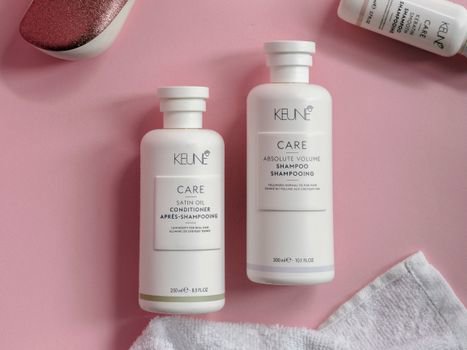
{{IMAGE:flatlay of Canadian winter haircare products}}Ingredient cheat sheet: read labels like a pro
Value grows when you match ingredients to needs. Here is a quick guide to names that work hard in Canadian weather.
Slip and detangle: cetearyl alcohol, cetyl alcohol, behentrimonium chloride, behentrimonium methosulfate. These cut friction. They help brush-outs and reduce breakage, especially on curls and coils.
Lightweight smoothing: amodimethicone, bis-aminopropyl dimethicone, trimethylsilylamodimethicone. These target damage and rinse without heavy build when paired with the right cleanser.
Hold and frizz control: VP/VA copolymer, acrylates copolymer, polyquaternium-4, -55, -69. These form the cast that survives office heating and July humidity.
Moisture: glycerin, propanediol, panthenol, aloe. Great most of the year. In very dry air, keep humectants lower on the list and add an occlusive on top.
Strength: hydrolysed wheat, rice, silk, keratin. Useful in moderation. Too much can give a straw feel. Alternate with moisture.
Scalp support: salicylic acid for scale lift, piroctone olamine or zinc compounds for dandruff control in many shampoos. Fragrance does not fix flaking; actives do. If symptoms persist, talk to a pharmacist.
Browse brand families you trust. We see strong hair formulas across L'Oréal and steady value in Garnier. Salon loyalists keep Kérastase in their carts when promos land. Use GlamGeek to line up options and watch them for drops.
Retail timing: when Canada discounts hair, and how to plan
Discounts in Canada follow rhythms. Drugstores push multi-buys and points events. Department stores push site-wide sales tied to holiday weekends and seasonal clearances. Specialty beauty stores mix brand events with basket thresholds. Our tracker shows that staples like conditioners and masks get the broadest coverage. Styling sees shorter, brand-specific bursts.
Plan two stock-ups a year. Early winter for hydration and scalp calm. Late spring for anti-humidity and UV care. Add a midsummer top-up if you swim often. Use our wishlist alerts so you can buy the exact product when the price dips, rather than settling for an almost-fit because it happens to be on the front page that week.
Launches can lag in Canada. If a US-only size or set tempts you, check if a Canadian release is confirmed. If the wait drags, choose the closest formula with a similar INCI until it lands. Most of the performance comes from the core surfactants, conditioners, and film formers anyway.
What this means for your routine right now
Cut the clutter. Keep one shampoo and one conditioner that match your scalp and hair. Add one leave-in that solves your main issue. Pick a styling product that either defines or defrizzes. Choose one weekly mask. That five-step kit covers 90% of hair days in Canadian weather.
Measure results. Count wash days per week. Track how hair behaves from day one to day three. Note how long blowouts last in your usual rooms. Check shedding in the drain against your norm. If something slides, adjust the step, not your entire shelf. Increase protein if hair mushes. Increase moisture if hair squeaks. Clarify if nothing seems to work.
Spend where time and contact live: leave-ins, masks, and heat protectants if you heat style. Save on cleansers where your scalp allows. Shop the sale, but only for products that already prove themselves on your head. Use GlamGeek’s price comparison and wishlist tools so you avoid panic buys that don’t match your needs.
Tell us what earns a permanent spot
Which products earned a second buy because you saw real change? Which bottles failed the Canadian winter test? Add your shortlist to your GlamGeek wishlist, switch on alerts, and tell us which retailers you watch for hair deals this season. Your picks help us track what value really means for women in Canada in 2026.