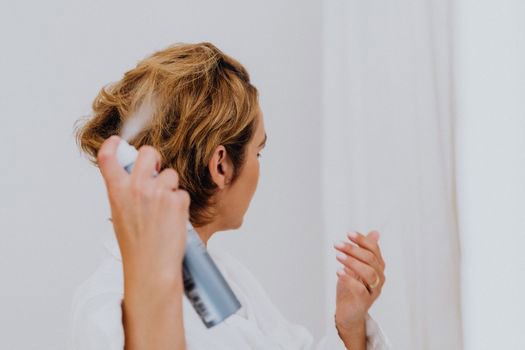
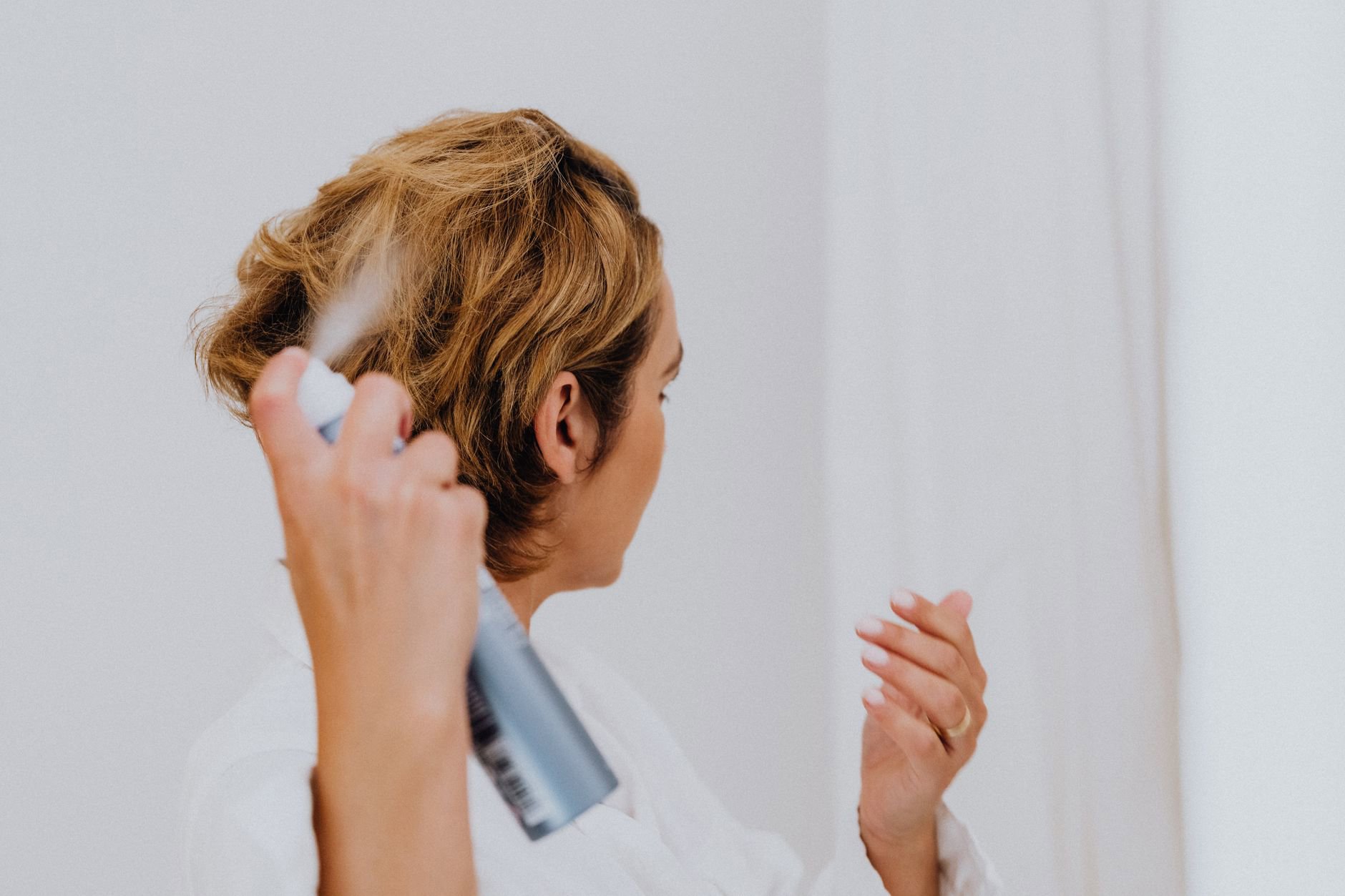
Choosing the best hairspray finish comes down to one question: what do you want your hair to look like after it holds—powdery-matte, invisible, softly polished, or glossy and reflective.
Hold matters, but finish changes everything. The same updo can read “editorial” with a matte spray, or “red carpet” with a high-shine mist. And in Canada’s dry winters, finish also affects how rough, staticky, or dull hair can look under indoor heating.
We track hairspray pricing across major Canadian retailers, and the pattern stays consistent: most shoppers buy for hold and complain about feel. Finish is the missing piece. Get the finish right and you use less product.
The basics: what “finish” means in a hairspray
A hairspray finish describes the surface look it leaves behind once the film sets on the hair shaft. Think of it like light behaviour: matte diffuses light, shine reflects it, and natural sits in the middle.
Most hairsprays rely on film-forming polymers to create hold. Those polymers dry into a flexible or rigid net across strands. The type of polymer, the solvent system, and added conditioning agents influence whether the dried film looks dull, invisible, softly glossy, or glassy.
Here’s the part marketing rarely explains. Shine can come from two sources: (1) the hair cuticle looks smoother because the spray lays it down, or (2) the formula leaves behind oils or gloss agents that reflect light. The second route can look stunning—until it looks greasy on fine hair.
Matte works the opposite way. A matte finish either avoids shine boosters or adds ingredients that scatter light. That can make hair look thicker and more textured, but it can also emphasise dryness if your ends already look parched.
Natural and satin finishes aim for the “you, but styled” zone. Natural tries to disappear. Satin looks softly polished, with a gentle sheen that reads healthy rather than glossy.
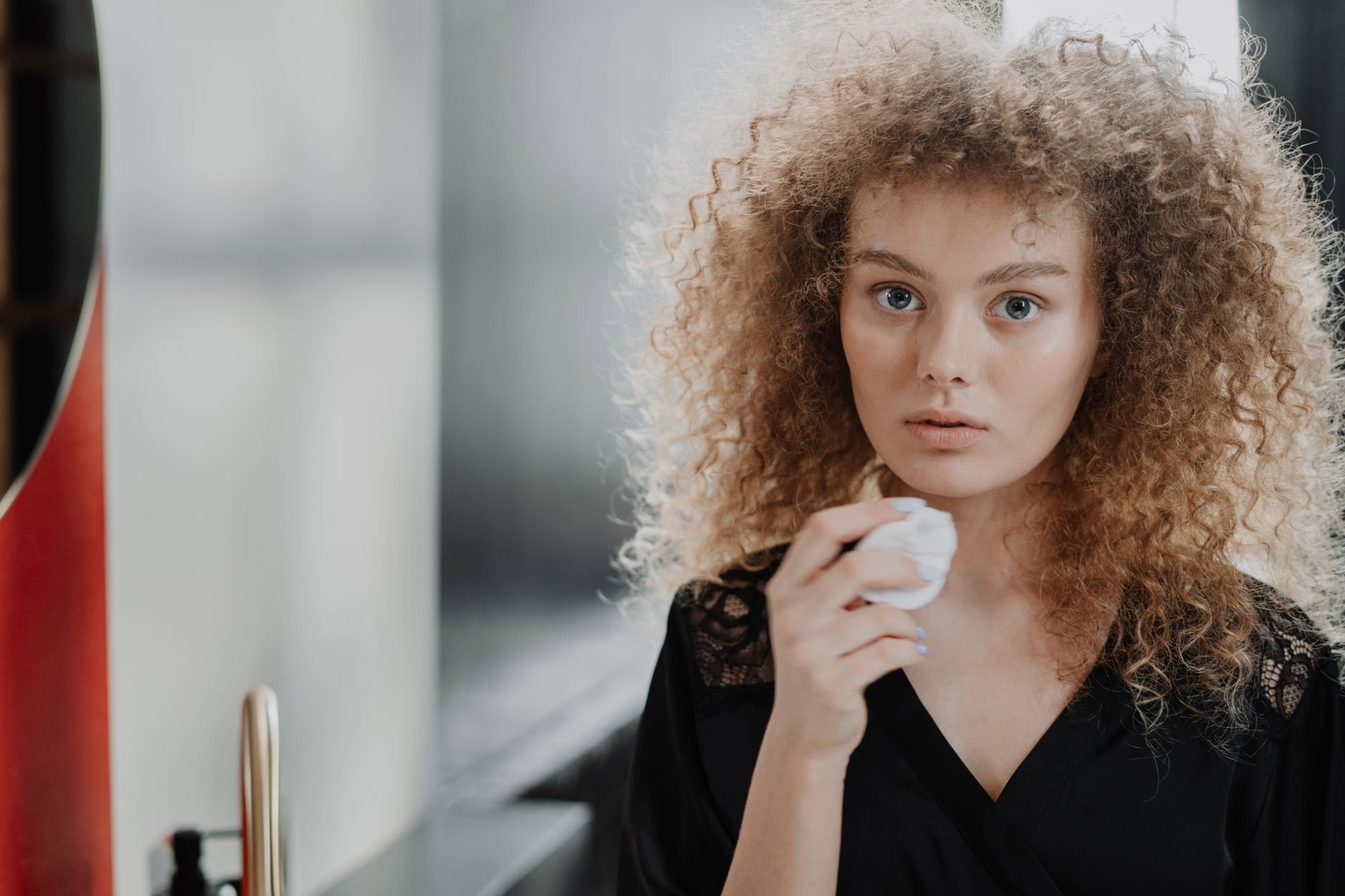
Matte finish: best for texture, volume, and “lived-in” styles
Matte hairspray suits you when you want grip and shape without the “sprayed” look. It pairs well with tousled waves, piecey layers, and updos that need traction.
Hair types that usually love matte: fine hair that gets shiny fast, straight hair that struggles to hold bend, and short styles where you want separation. Matte can also make darker hair look fuller in photos because it reduces glare.
But matte can punish dryness. If you deal with winter brittleness, matte sprays can make ends look chalky. In that case, keep matte to the roots and mid-lengths, and avoid misting the last 5–8 cm.
How to use matte without stiffness:
- Mist from 25–30 cm away so the film dries evenly.
- Spray into the shape (under waves, into the roots), not over the surface.
- Wait 10–15 seconds, then lightly rake with fingers to break the cast.
- Build in two light passes instead of one heavy pass.
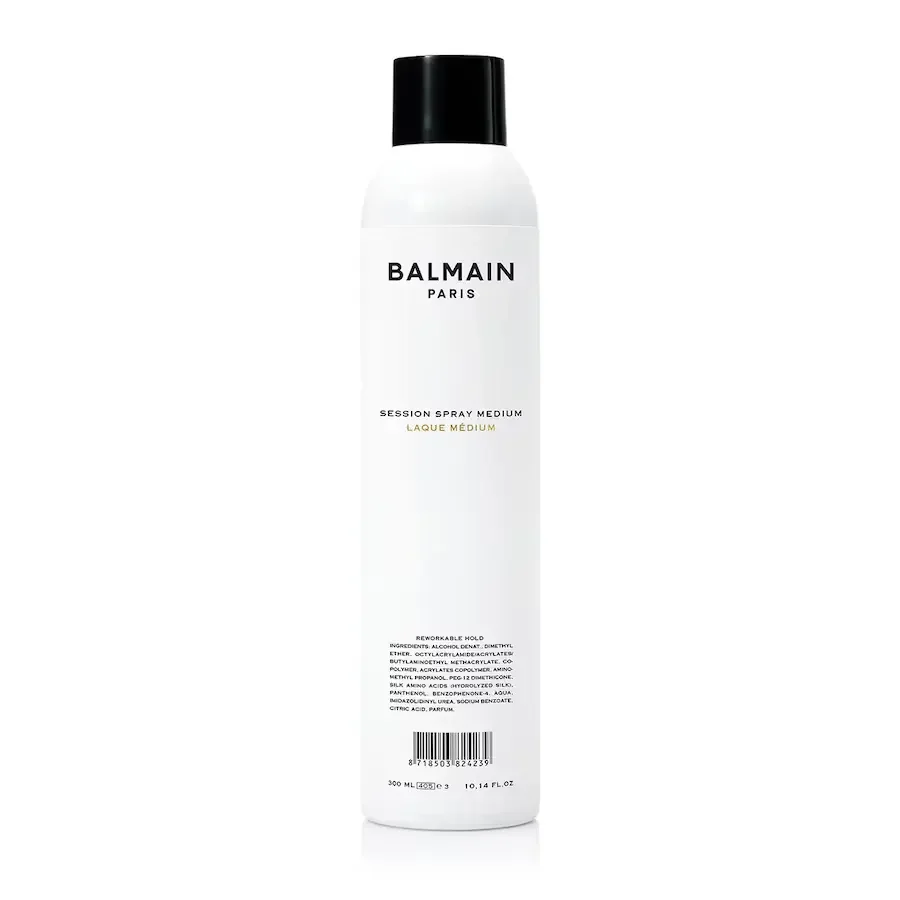
Product picks (matte-leaning or texture-friendly hairsprays): We can only recommend hairsprays from our top-products feed, but your prompt did not include the required TOP PRODUCTS list with prices and descriptions. Share that list and we’ll slot in specific matte-finish options with verified Canadian pricing from retailers like Sephora Canada and Shoppers Drug Mart.
Natural finish: the safest choice for everyday hair (and most hair types)
If you feel stuck, choose natural. A natural-finish hairspray aims to hold while staying visually undetectable. No powdery veil. No obvious gloss. Just control.
Natural works well for blowouts, air-dried waves, ponytails, and “office-to-evening” hair. It also plays nicest with coloured hair because it tends to avoid the dulling effect that some matte sprays can create.
Natural is also the easiest finish to layer. That matters in Canada, where you may need hold for a commute (wind, hood friction, static) but still want hair to move once you’re inside.
Watch-outs: natural-finish sprays can still feel crunchy if you overspray. Crunch is usually a dose problem, not a finish problem. Use distance, light passes, and dry time.
Technique: “mist, set, then spot-fix”
- Do one light all-over mist to set the general shape.
- Let it dry fully. Give it 30–45 seconds.
- Use a second pass only where hair collapses (crown, behind ears, nape).
- For flyaways, spray into your palm first, then smooth.
Product picks (natural-finish hairsprays): Add the TOP PRODUCTS list and we’ll recommend specific natural-finish options with accurate C$ pricing and where they tend to show up (Sephora Canada vs The Bay vs Well.ca).
Satin finish: the “polished but not glossy” middle ground
Satin finish sits between natural and high-shine. It reads as healthy hair in indoor lighting: soft sheen, controlled frizz, and a smoother surface.
This is the finish we see shoppers gravitate toward when they hate the look of matte but still want hair to look touchable. Satin also flatters wavy and curly textures because it enhances definition without making hair look wet.
In practice, satin works best for:
- Blowouts that need movement but less halo frizz
- Soft curls that should look brushed-out, not crunchy
- Updos where you want sleekness around the hairline
- Medium-to-thick hair that can handle a little more conditioning in a spray
Where satin goes wrong: too much product at the roots. If your scalp gets oily, keep satin sprays off the first 2–3 cm and use them as a mid-lengths-and-ends finisher.
Layering trick for satin without heaviness: do your first hold layer with a lighter mist (natural finish), then add a satin finisher only on the surface panels you want to look polished.
High-shine finish: when you want gloss, definition, and camera-friendly hair
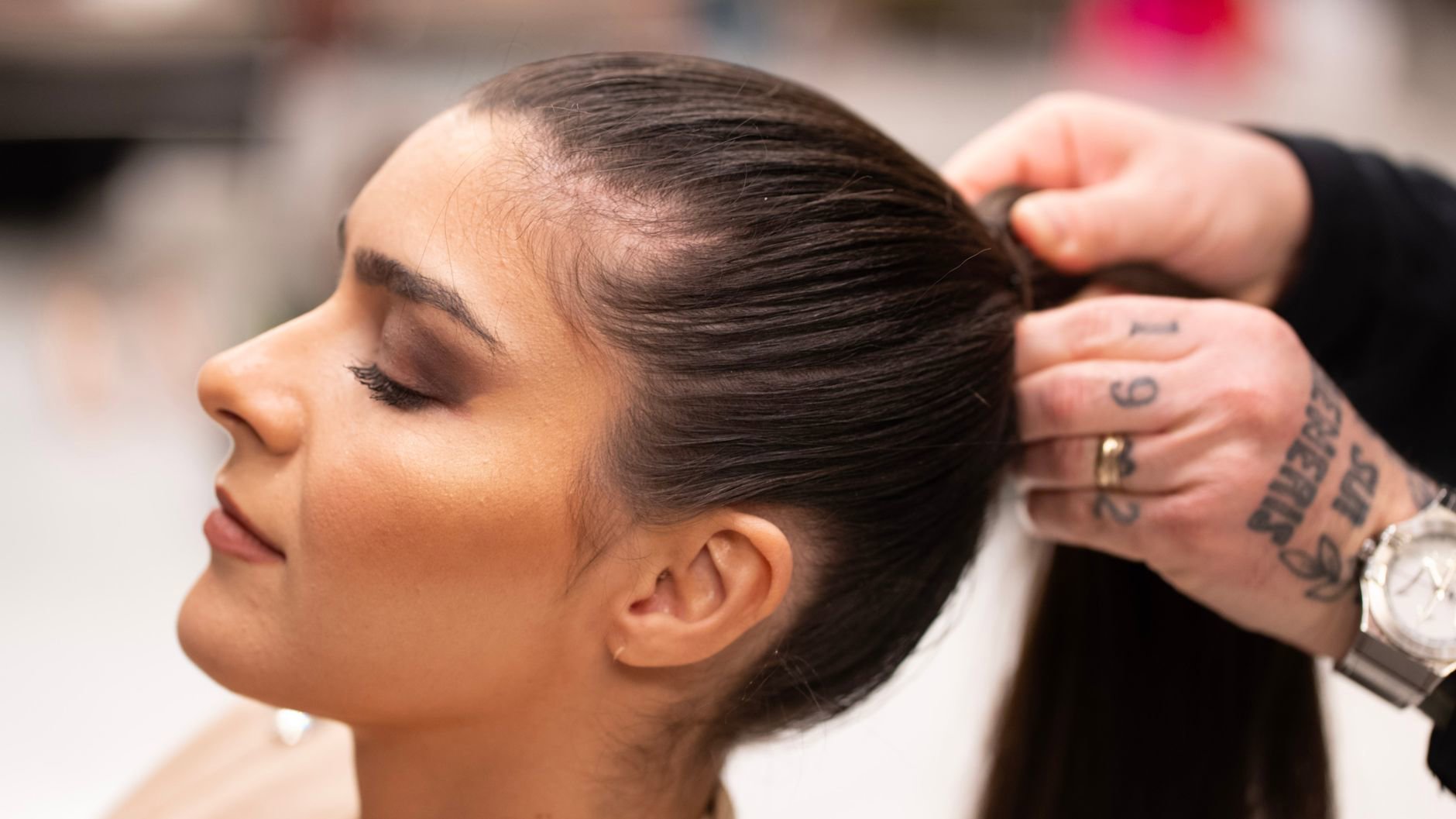
High-shine hairspray exists for impact. It makes hair reflect light, which reads as sleek, deliberate, and “done.”
It suits styles with clean lines: sleek ponytails, sculpted waves, glossy blowouts, and tight updos. It also helps textured hair look more uniform on the surface, which can make a style look sharper in photos.
High-shine can backfire on fine hair, or on hair that already gets oily. It can also highlight unevenness: if your hair has frizz patches, shine can make those patches more obvious because light hits them differently.
How to use high-shine strategically:
- Use it as a topcoat, not your main hold.
- Mist from farther away (30–40 cm) so it lands as a fine veil.
- Keep it off the roots unless you want a slick look.
- Use a tiny amount on the hairline for a sleek finish, then stop.
One more reality check. In our price tracking, high-shine styling products often carry a noticeable Canadian premium versus US pricing. When the finish you want only needs a topcoat, you can make a smaller can last longer by spraying less and using it only where it shows.
Product picks (high-shine hairsprays): We need the TOP PRODUCTS list to name specific high-shine hairsprays and quote verified Canadian prices (C$) without guessing.
How to layer hairsprays without greasiness or crunch
Layering works when each layer has a job. It fails when you stack the same type of spray in the same spot before it dries.
Start with this rule: hold layers go underneath, finish layers go on top. That means your first mist supports structure, and your final mist controls the surface look (matte, satin, or shine).
Step-by-step: the “two-layer” method
- Layer 1 (structure): Light mist while shaping. Focus on roots, under-layers, and the inside of curls.
- Dry time: Wait until hair feels dry to the touch. If it feels cool or tacky, it’s not ready.
- Layer 2 (finish): Mist only on the outer panels where the finish will show.
- Spot control: For flyaways, spray into hands first. Pat, don’t rake.
To avoid greasiness, keep shine or satin sprays off the scalp area and concentrate them on the mid-lengths and ends. Greasy-looking hair usually comes from product concentration at the root, not from a “bad” formula.
To avoid crunch, you need less product and more patience. Crunch happens when droplets land too wet and dry into thick patches. Increase distance, use shorter bursts, and let each pass dry.
Cold-weather tip: in winter, hair builds static. People respond by spraying more. That often makes hair stiff instead of smooth. Better: use a lighter first layer, then a targeted finish layer only where static shows up (crown, around the hood line).
Finish-by-goal cheat sheet (and what to ask yourself before buying)
When readers search “best hairspray finish,” they usually mean “what will look best on my hair.” So here’s the fast decision tree.
Choose matte if… you want volume, grit, and a modern, undone look. It also helps hair look thicker on camera.
Choose natural if… you want control without changing your hair’s appearance. This is the most forgiving finish for beginners.
Choose satin if… you want a soft sheen and smoother-looking hair, but you hate the wet-look effect.
Choose high-shine if… you want gloss and definition for sleek styles or events, and you plan to use it as a topcoat.
Ask these four questions before you commit:
- Do you want your hair to look thicker (matte) or sleeker (satin/shine)?
- Does your scalp get oily within 24 hours (avoid shine at roots)?
- Do your ends look dry in winter (avoid heavy matte on ends)?
- Will you need to brush or restyle (natural/satin usually behave better)?
Shopping note: when you compare hairsprays across retailers like Sephora Canada, Shoppers Drug Mart, and The Bay, you’ll often see the same “finish language” used differently. That’s why we recommend shopping by finish goal first, then checking hold and price.
We also see a common pattern in our merchant feed: shoppers overbuy ultra-strong sprays when what they really want is a different finish. If your style holds but looks wrong, switch finish before you switch hold.
Practical tips you can use today
Use the “underside first” rule. Spray under sections, then let hair fall back into place. You get hold without coating the visible surface, which keeps hair softer and more natural-looking.
Change your distance before you change your product. Too close creates wet spots, which dry crunchy and shiny in patches. Too far wastes product and can leave a dusty feel. Aim for 25–30 cm for most sprays, and 30–40 cm for high-shine topcoats.
And if your hair looks dull in winter, don’t assume you need high-shine. Satin often looks more believable in dry indoor light, especially on colour-treated hair.
One last thing: what finish are you trying to achieve?
Are you chasing texture and volume, an invisible set, a polished sheen, or full gloss? Tell us your hair type and the style you wear most, and we’ll point you to the right finish—and the best-value hairspray options once we have the TOP PRODUCTS list with Canadian prices.
While you’re browsing, you can also explore our broader hair care catalogue, or jump to brand pages like Aveda and Kérastase if those are already on your shortlist.