Our price tracker keeps turning up the same story: when formulas focus on proven actives, drugstore beauty can deliver. Even in a Canadian winter, with dry air and radiator heat, smart picks from the high street can hold their own. You just need to know which labels mean business and which ones trade on buzzwords.
We built this edit around performance. Not packaging. Not celebrity tie-ins. If a moisturiser buffers retinoids through February, it makes the cut. If a mascara resists flaking on a commute and a class pick-up, we keep it. If an SPF sits well under foundation without pilling, that earns a spot.
Prestige has strengths. But the data across our merchant feed shows plenty of overlap in actives between mass and luxury. When the INCI reads niacinamide, ceramides, 0.1–0.3% retinol, 5–10% urea, and well-chosen filters, the results track. That is the point of this edit.
Context: Canadian carts, cold air, and smarter swaps
We have tracked beauty pricing since 2010 across Sephora Canada, Shoppers Drug Mart, The Bay, Well.ca and other major outlets. The Canadian sticker premium versus the US remains real, especially on prestige imports. That gap pushes many women to explore drugstore options. The good news: the formulas have caught up in key categories.
Demand spikes through autumn and winter for barrier care, richer textures, and no-fuss makeup. Our data shows that moisturisers, body lotions and lip balms move fastest from October through March. That aligns with the climate. Heaters run. Indoor humidity drops. Skin needs glycerin, ceramides, petrolatum, and urea. That is not glamorous. It works.
Launch cycles also matter. Mass brands refresh colour cosmetics every few months. Skin care ranges move slower, but we still see notable upgrades each year. Retinoid serums now show gentler encapsulation. Body creams add lactobionic acid or urea without strong scent. Mascaras shift wands and film formers more often than anyone needs. Our edit filters this churn down to steady performers.
One more shopping note. Canadian retailers stagger promos. Shoppers often runs points events; Well.ca rotates category discounts; department stores tuck GWP into weekends. If a product sits on your shortlist, add it to your GlamGeek wishlist. We ping you when the price drops, so you can buy on the value curve rather than on impulse.
{{IMAGE:Canadian drugstore beauty flatlay}}Wrinkles and barrier care: the drugstore retinoid plan that behaves
Retinoids still anchor most wrinkle routines. The strongest options live behind the counter. Yet retinol and retinal serums across Canadian drugstores keep getting better. We rate formulas that pair 0.1–0.3% retinol or low-dose retinal with buffers like glycerin, squalane and ceramides. This combination reduces the sting and keeps the barrier stable when the air feels brutal.
Look for straight shooters. A good INCI lists water, humectants, a light ester or oil, retinol toward the middle, and a short supporting cast. Fragrance-free helps when cheeks run sensitive in January. Encapsulated retinol can slow-release actives overnight, which helps if you also run a space heater.
Work a simple cadence. Use a retinoid two to three nights per week at first, and buffer with a plain moisturiser on top. Keep exfoliation light on non-retinoid nights. If you want a no-drama booster, layer niacinamide in the morning to support the barrier and reduce uneven tone.
We see consistent picks from L'Ore9al and Garnier on our charts for exactly this reason: they pair sensible levels of retinoids with barrier support at prices that do not bite. Check our Anti Ageing Face Serums category to compare formulas and reviews side by side. Add your front-runners to your wishlist and watch for a promo weekend to lock in value.
Winter body care that actually stops the itch
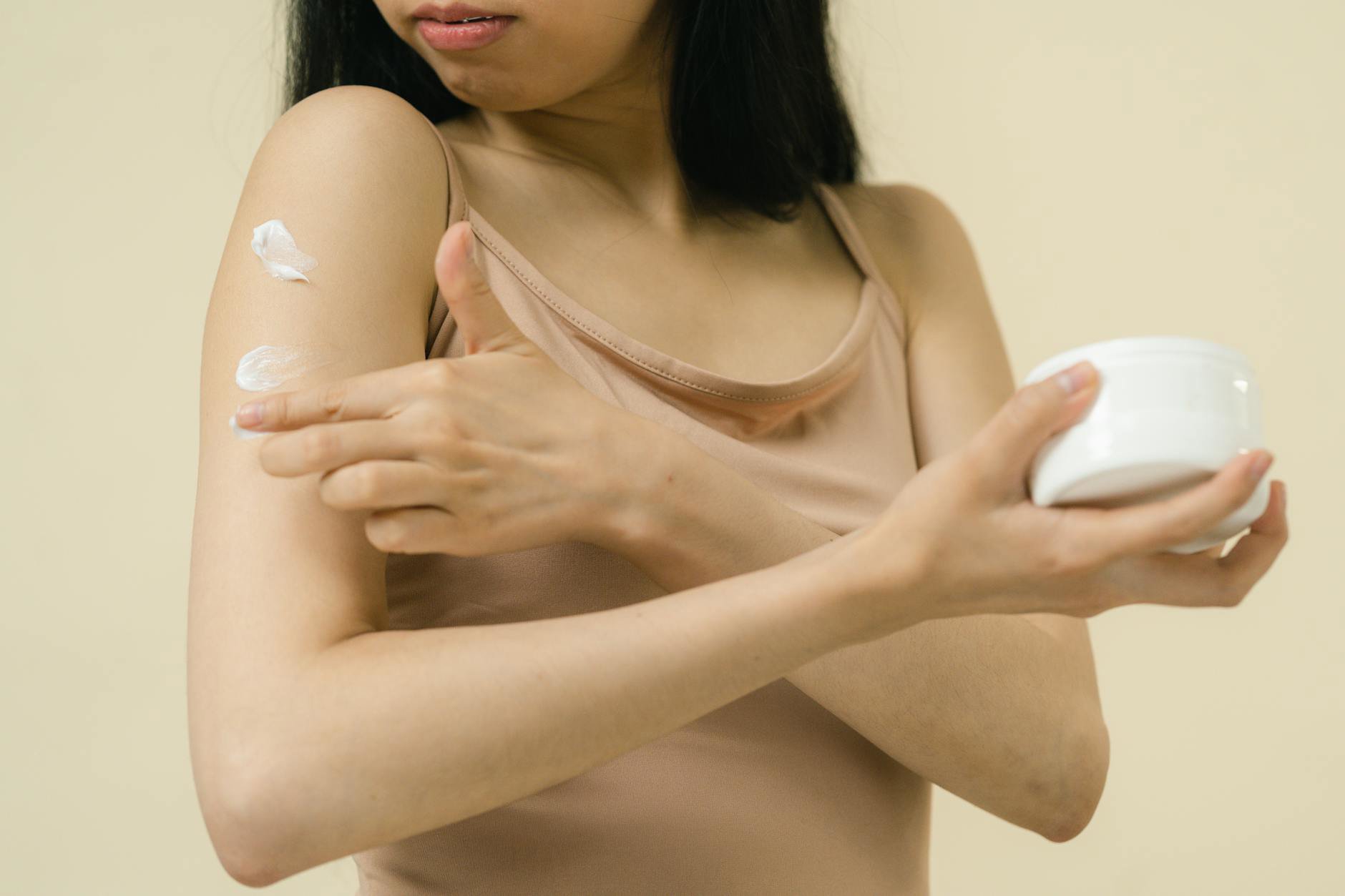
If your shins prickle by 3 p.m., you need more than a light lotion and a citrus scent. The fastest fixes come from three families of ingredients: urea at 5–10% for water-binding and gentle softening, lactic acid in low percentages for flake control, and occlusives like petrolatum for overnight sealing. Blend them and winter loses its edge.
Daytime calls for an unscented lotion with urea or lactic acid. Night belongs to a thicker cream or ointment over damp skin. This two-step keeps water in and reduces morning tightness. Dress socks and pyjamas do the warming work while the cream sets. Not glamorous, very effective.
We also rate shea and cocoa butters when the formula keeps the slip without a heavy film. These butters feel more elegant than straight petrolatum but still lock moisture in. If you shave legs through winter, switch to a mild shower oil or cream wash and bring on a lotion right after towelling.
Want quick comparisons without fifty tabs open? Our Body Lotions page groups active-led options, rich creams and lighter daily hydrators, with user reviews that highlight texture and scent. Keep a couple on your wishlist. You will get a nudge when one dips during points events.
Glow at the drugstore: bright skin without glitter
Glow reads fresh when it comes from even tone and smooth texture, not chunks of mica. Two budget moves deliver that result. First, Vitamin C in a stable form for morning brightness. Second, controlled exfoliation that respects the barrier, not punishes it.
Vitamin C serums vary widely. Ascorbic acid can trigger in sensitive skin and can destabilise in warm bathrooms. Look for derivatives if you want less drama. Brands now anchor formulas with sodium ascorbyl phosphate or ascorbyl glucoside and add vitamin E or ferulic for support. You still get brightness, with fewer side effects for most users.
Exfoliate with purpose. If you already run a retinoid, keep acids to one or two nights a week. Choose low-level lactic or mandelic acids for a surface tidy. Save glycolic for oilier skins or the backs of arms. Blackheads respond better to salicylic acid as a leave-on than to harsh scrubs. And if your cheeks feel windburned, skip actives that night and pile on a bland moisturiser.
Masking has a place when skin looks dull from indoor heat. Pick a creamy mask with humectants or a gel mask with panthenol, and avoid stripping clays in deep winter unless oil runs high. The simplest glow move? Apply a thin layer of moisturiser under foundation, then press a second tiny layer over makeup on cheekbones instead of a sparkly highlighter. It reads healthy, not disco.
SPF that plays well with makeup (and heaters)
Daily SPF matters more in winter than most think. UVA passes through clouds and glass. Snow bounce boosts exposure. The trick at the drugstore is texture. We want SPF 30 or higher that does not peel under foundation and does not leave a chalk trail along the jawline.
Chemical filters bring the lightest feel. Canadian shelves now carry formulas with modern filters that spread thin and set without a greasy film. Mineral-only SPFs still help reactive skin and post-procedure days, but they can look flat or chalky unless pigment is added. Many women now choose a hybrid: mostly chemical, a touch of mineral for extra insurance.
Makeup compatibility matters. If your base pills, test your SPF layer with your foundation and primer. Apply a moisturiser, wait a minute, lay down SPF, wait two minutes, then foundation with a brush or damp sponge. Rubbing breaks films before they set. Pressing keeps layers intact.
If you love a plush texture and do not mind a spend, Shiseido sets the benchmark for cosmetic elegance. We compare drugstore finds against that feel because it sets a high bar. Start with our SPF Protection Products category to scan filters, textures and user notes in one place. If a favourite shows up at multiple retailers, add it to your wishlist so you catch the next promo swing.
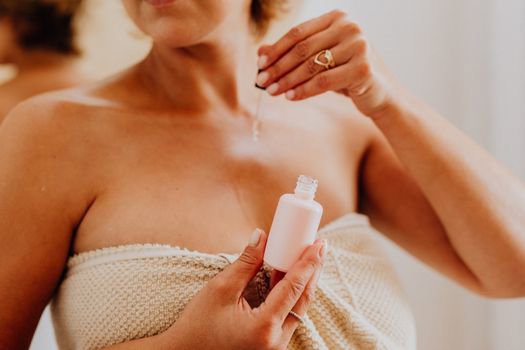
{{IMAGE:Woman applying affordable skincare in bathroom}}Base that holds up: hydrating foundations and smart shade work
Canadian winters call for bases that flex with dehydration and central heating. Long-wear mattes often grab on dry patches by lunchtime. We favour hydrating or natural-finish liquids and creams. They move with skin. You can set the centre with a fine powder and leave cheeks dewy to avoid that tight look.
Shade choice gets tricky at the drugstore. Lighting runs harsh. Returns vary. Build a match strategy. Swatch along the jaw in three undertones and step to a window. When in doubt, go slightly warmer. Cold air and indoor light can drain colour; a touch of warmth reads healthy. Mix two shades if you sit between tones. It still costs less than one prestige bottle in many cases.
Dupes do exist in the base category. Plenty of women reach for Lf3re9al Infallible Fresh Wear when they want a comfortable long-wear finish that rivals some department-store icons. Este9e Lauder Double Wear sets the reference point for durability. You can often get close with a hydrating long-wear drugstore formula plus targeted powdering through the T-zone. Check finishes and wear-time impressions on our Liquid Foundations page and save contenders to your wishlist to catch a weekend offer.
If you sit in the dry-to-normal camp, skip matte primers in winter. Try a light hydrating primer or just your usual moisturiser under foundation. Apply with a brush, then press with a damp sponge to merge layers. Mist once, powder the centre, and leave cheekbones alone. Skin looks like skin.
Mascara that doesn27t quit: tubing, fibres and quick swaps
Mascara tech changes fast. We see three families win at the drugstore: tubing formulas that remove with warm water and pressure, fibre-enhanced mixes that bulk quickly, and classic wax-resin builds that favour curl and drama. Each family has trade-offs.
Tubing mascaras hold curls well and flake less through scarf rub and dry office air. They also remove cleanly without tugging. If your eyes water in wind, tubing solves a lot of mess. Fibre formulas give fast volume, but you must seal them with a final comb to avoid clumps. Classic wax builds can look plush, yet some smudge by mid-afternoon. Shop by your commute and your lash type, not by campaign visuals.
Wand shape decides part of the result. Curved brushes lift straight lashes. Conical brushes catch inner corners without blobs. Straight skinny wands reach lower lashes and suit tubing textures. You will know your lash map. If you lose curl, heat a curler lightly with a hairdryer for a few seconds, test the metal on your wrist, then curl before mascara. Do not curl after applying; that snaps tips.
Layering smartly beats piling on. One coat to define, a second for volume, a half coat on outer corners to wing the eye. If you want extra drama for an event, add half strip lashes on the outer third. False lashes give more lift with less mascara weight. Check our Mascaras category to compare brush styles and tubing claims, then keep your top pick on a wishlist to track markdowns.
Lips: comfort-first colour and smart dupes
Winter chews through lips. Comfort counts more than ever. We see the best results when women treat lipstick like skincare. Prime with a balm that contains petrolatum or lanolin. Blot. Then go in with satin or soft-matte formulas that ride well over a base. Ultra-matte bullets can crack on cold commutes. Save those for shorter wear or layer a gloss later.
Dupes excel in lip colour. You can match undertones and finishes without the prestige price. Charlotte Tilbury27s pinky-brown nudes set the tone for the past few years. Drugstore lines follow that brief closely now. The smart play is to learn your undertone (cool rose, warm beige, neutral pink-brown) and then shop by that filter. You will find a match without strain.
Look for creamy pencils that anchor the shape without dragging. Overline one millimetre at most, only at the Cupid27s bow and the centre of the lower lip. Fill the lip with pencil for extra grip, then apply the bullet. Tap a clear balm at the centre midday rather than adding another full coat of colour. You will keep things neat and avoid that heavy ring.
Prestige reference points help when you chase a finish. Our pages for brands like Charlotte Tilbury and mass labels such as Revolution tend to show shade families next to each other. Use that to narrow options before you hit the aisle. Then keep your shortlist on your GlamGeek wishlist so you do not buy the same nude twice.
Drugstore glow-makeup pairings that mimic luxury
Glow makeup works when skin prep meets smart placement. You can get luxury-looking results with mass formulas if you set the stage. Start with a light hydrating moisturiser. Press a thin layer of a dewy primer only where you want shine: tops of cheeks, bridge of nose, centre of the forehead. Skip the chin and sides of the nose if those areas break up first.
Use cream blush or a liquid stain; both sit closer to skin than powders in dry air. Tap into the cheek, lift toward temples. Add the smallest touch of liquid highlighter on the highest point. Keep the T-zone in check with a micro-fine powder through the centre only. The contrast reads fresh rather than greasy.
Eye shadow trends shift, but classic neutrals still carry Canadian winters. Satin taupes, soft browns, and one shimmer done right give a rested eye. At the drugstore, singles and trios often perform better than massive palettes. Fewer shades, better payoff, less waste. Cream shadows in sticks survive snow days and require no brushes in a rush.
Finish with a soft brow. Tint gels that hold but do not crisp up feel the most modern. If your brow hair runs sparse, draw tiny hairs with a micro pencil and seal with gel. Skip the solid blocks. No one needs cartoon arches at 8 a.m. under fluorescent light.
Tools and tiny changes that make everything work harder
Great tools do not need prestige pricing. A soft synthetic foundation brush, a damp sponge, and a good lash curler handle 90% of daily looks. Use the brush to lay down and the sponge to press and merge. Swap cotton pads for reusable cloths at night to remove cleanse without friction. Your barrier will thank you in February.
Water temperature changes more than most think. Lukewarm water keeps cleansers kind. Hot showers strip oils and worsen redness. If your bathroom runs dry, add a small humidifier. Run it while you sleep. You will see fewer tight patches and your retinoid nights will feel calmer.
Hair also needs winter tweaks, even when you focus on skin. A weekly mask with amino acids or a richer conditioner balances static from scarves and hats. Apply mids to ends only. Rinse with cooler water for a minute to tame frizz. Then tie hair back with a silk scrunchie to avoid breakage on collars and coat hoods.
Storage matters. Keep Vitamin C serums away from heat and light. Close jars firmly. Do not hoard seven open mascaras. Swap them every three months. Eyes do not forgive old formulas. These quiet habits add up to better results than any single trend.
Prestige versus drugstore: where to save and where to spend
Our tracker shows clear save-versus-splurge lanes. Save on cleansers, body lotions, basic moisturisers, mascaras and many lip colours. These categories share actives and film formers across price tiers, and mass brands update them often. You get performance without a big bill.
Consider spending more on fragrance-sensitive skin creams if you react easily, on a signature fragrance if that brings you joy, or on a singular shade or texture you cannot replicate. SPF sits in the middle. You can find elegant drugstore sunscreens now, yet some prestige options still feel more invisible and play better with makeup. Test texture before you commit.
Use prestige as a benchmark, not a rule. We often compare drugstore bases against Este9e Lauder icons for durability and finish. You can scan those reference points on our Este9e Lauder brand page, then short-list mass alternatives on our Liquid Foundations hub. Save the lot to your wishlist and wait for a price nudge before you buy.
When in doubt, lead with ingredients and finish. Ignore influencer-only shades and hard-to-source collabs. Canada sees lag times on some US launches. If a product still has not crossed the border after a long wait, move on. There is almost always a local option that delivers the same result.
What this means: a practical, Canadian-first playbook
Keep winter realistic and results-focused. Anchor your routine with a gentle cleanser, a barrier-friendly moisturiser, a retinoid two or three nights a week and SPF 30 or higher every day. Layer a body lotion with urea or lactic acid and add an occlusive at night. Build makeup on top of that prep and you will use less product for a better finish.
Shop by actives and texture, not hype. The back of the box beats the front. If you see glycerin high on the list, niacinamide in the top third, ceramides, urea, retinol at a sensible level, or elegant sunscreen filters, you are on solid ground. Add your candidates to your GlamGeek wishlist and let the price drops come to you.
Test placement and tools before you blame a product. Press, do not rub, when you layer SPF and base. Set only where you shine. Lift blush toward temples rather than apples alone. Curl lashes before mascara, not after. These small moves change the result more than a rebrand or a limited edition.
Lastly, stay sceptical yet open. Drugstore beauty improves quickly. New lab work filters down fast. Keep an eye on our category pages, track your favourites, and use promotions to your advantage. Performance wins. Labels do not.
Which drugstore products have held up through your toughest Canadian winter? What would you add to this edit so other women can shop smarter? Share your standouts, and add them to your GlamGeek wishlist so we can alert you when they drop in price.