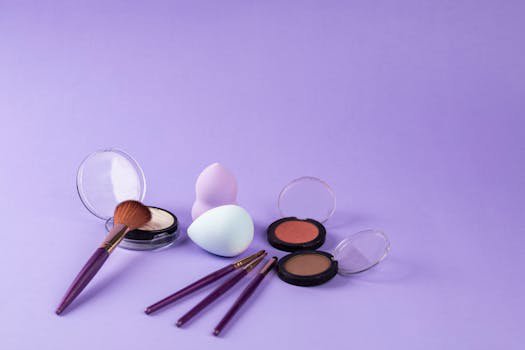
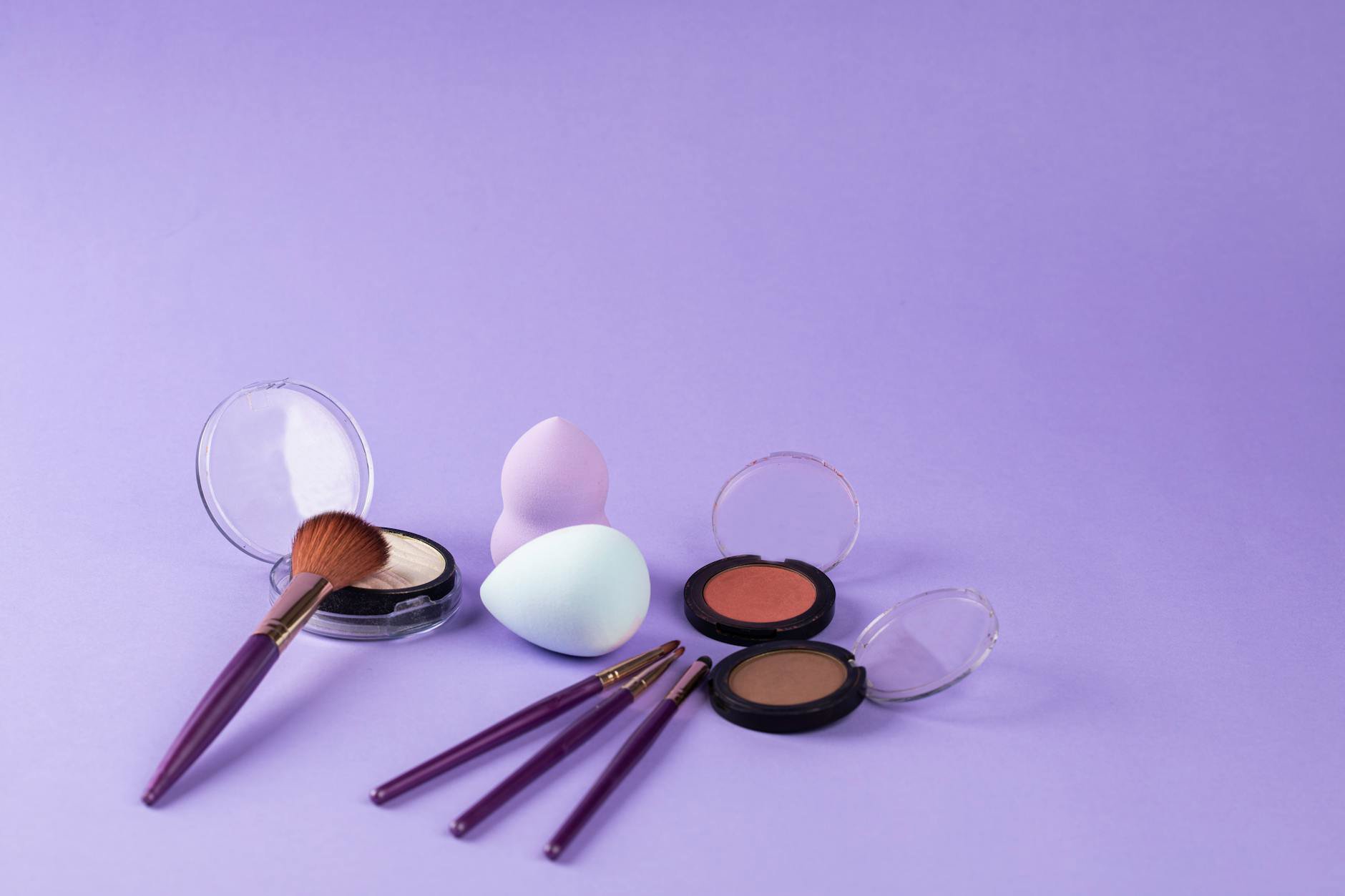
Our price tracker shows one small but telling pattern. In Canada, multipack makeup sponges go on promo more often than pro brush sets. Brushes hold value longer. Sponges swing with seasonal colour launches and gift events.
That says a lot about how women shop tools. Many of you rotate sponges with every new foundation. You invest in brushes once, then top up gaps. The tool you reach for shapes finish, coverage, and how your base holds under a dry furnace blast in January or a humid heatwave in July.
So which wins: Beauty Blender–style sponge or makeup brush? The answer depends on your formula, time, climate, hygiene habits, and the look you want. We cut the fluff and stack the evidence.
Context: what the Canadian market and our data say
Across our merchant feed, sponge assortments spike around holiday sets and spring foundation drops. Pro brush releases track slower. Retailers tend to bundle a few face brushes, a pouch, and a mirror. They discount less often than sponge four‑packs.
Canadian winters bring radiators, office venting, and minus‑temperatures at 5 p.m. Dryness magnifies texture. Foundation can catch on flakes. A damp sponge can press moisture back in and soften edges. Summer flips the script. Heat and SPF reapplication call for quick, clean touch‑ups. A dense brush can stamp product fast without overhydrating a T‑zone.
We also see a real Canada vs US gap on tools. Brush ranges often launch in the US first. Canada follows weeks or months later. Many launch shades and limited sponges skip smaller Canadian counters entirely. If you want a certain brush shape or sponge style, wishlisting it on GlamGeek helps. We ping you when it appears locally or drops in price.
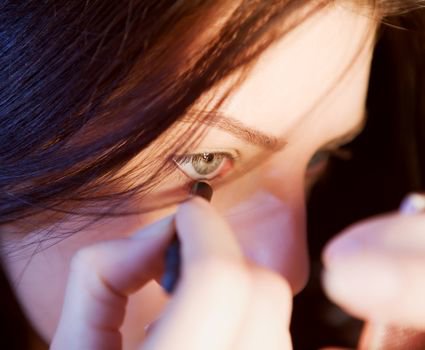
{{IMAGE:canadian woman applying foundation with makeup sponge}}Finish and coverage: what each tool really does
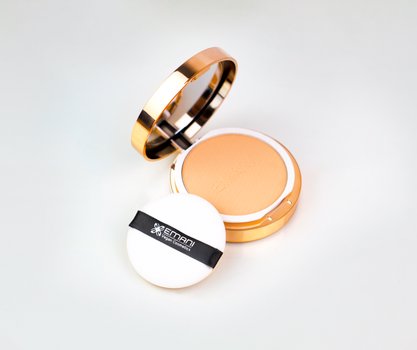
Think of a damp sponge as a tiny cushion. It presses pigment into skin and lifts the excess. You get a diffused, dewy surface. Stippled bounce builds coverage in micro‑layers. You avoid harsh edges around the nose and brows. This suits luminous and natural finishes. Dew stays dewy.
A brush paints and polishes. A flat or oval foundation brush lays down product fast. A kabuki or dense buffing brush then pushes it into pores and smooths texture. You get higher initial coverage with less product. You also get control around features. Brush bristles reach the inner corner and lip line with ease.
If you love a hydrated glow, lean sponge. If you want higher coverage and speed, lean brush. Many women keep both on hand. Lay coverage with a brush. Perfect the surface with a damp sponge tap at the end. You build coverage where it counts and keep skin realistic.
Skin type, climate and barrier care
Winter skin gets cranky in Canada. Indoor heating and wind sap moisture. Flakes show under foundation. A damp sponge can reduce drag. It presses product without pulling at loose patches. It also sheers heavy formulas so they do not sit in fine lines.
On very dry cheeks, try this move. Lay a thin layer with a brush, then bounce a damp sponge over stubborn texture. You keep coverage but lose the chalky look. Add a hydrating primer step if you use long‑wear matte bases. You can find options in our Face Primers category.
Oilier skins and humid days call for structure. A brush excels here. You can push product where you need hold and skip where you shine. Buffing strokes also blend powder touch‑ups over midday SPF. Keep blot papers and a small brush in your bag. A damp sponge can over‑hydrate an oily T‑zone and reduce wear in July. Save it for evening skin refreshes.
Formula compatibility: liquids, creams, and powders
Sponges love liquids and creams. They blend tint and hydrator hybrids without streaks. They make high‑pigment creams look skinlike. They also laminate cream blush and bronzer into base without lifting coverage. If you use skin tints in winter, a sponge plus patience gives the cleanest blend.
Brushes handle everything. Liquids, creams, and powders all suit synthetic fibres. A flat synthetic brush lays down full coverage liquid fast. A duo‑fibre brush lightly spreads high‑pigment cream. A soft, long‑haired brush fuses powder with no chalk. Brushes also beat sponges for mineral or pressed foundation. Foam does not pick up powder well.
Want product examples? Sheer liquids like many Clinique bases or skin tints from L'Oréal suit a sponge tap. Medium‑to‑full liquids in our Liquid Foundations category often love a dense brush first, then a sponge softening pass. Radiance boosters like those from Charlotte Tilbury glide best under a brush, then melt in with a sponge around the nose and chin.
Speed, learning curve, and morning routine fit
Brushes win for speed. A flat paddle paints in under a minute. A kabuki buffer finishes the job in two. You can get to Zoom‑ready with one tool and five lines of product. You also waste less product. The brush deposits most of what it holds.
Sponges take longer but forgive almost anything. You can fix a heavy hand. You can clear a demarcation line. You can press out a crease under the eye. If you struggle with brush streaks, a few sponge bounces solve it. Go damp, not dripping. Squeeze and towel the excess. The right water level matters more than brand.
For commuters, a travel brush with cap makes sense. Sponges carry moisture and can breed bacteria if left in a bag. If you must bring a sponge, use a vented case and wash that case often. Our data shows vented sponge cases sell out near holiday travel. Add one to a GlamGeek wishlist early and catch restocks.
Hygiene and maintenance: what keeps skin calm
Bacteria love moisture. Sponges stay damp for longer. They absorb residue from emollient foundations, SPF, and facial oil. That mix sits in the core unless you clean often. Rinse sponges after each use. Deep clean two or three times a week if you wear base daily. Replace sponges regularly when they tear or smell.
Brushes collect less moisture but still trap pigment at the ferrule. Clean face brushes weekly if you have normal skin. Clean more often if you get spots. Use a gentle brush cleanser or a fragrance‑free face wash. Avoid harsh dish soaps and hot water. Reshape. Lay flat to dry with bristles hanging off a counter. That saves the glue and shape.
We rate tools that actually clean up well. Data from our reviews flags easy‑rinse brushes from MAC and reliable sponge shapes from Sephora Collection. If you stain tools often with long‑wear pigment, try micellar water from Garnier as a pre‑soak before soap. Then wash with a proper cleanser. That step loosens film without stripping fibres.
{{IMAGE:woman cleaning makeup brushes and sponge at sink}}Cost of ownership: how long they last and when to replace
Brushes cost more upfront but last years if you treat them well. A solid synthetic set covers face, eyes, and touch‑ups. You can add shapes as trends shift. The initial splurge pays off over time. Our price history shows brush sets rarely crater outside Boxing Week or points events at Shoppers Drug Mart. Sponges fluctuate far more with seasonal kits and value duos.
Sponges look cheaper per piece but you replace them often. The foam tears with nails, rings, and long wear. Frequent washing shortens life. Expect to restock multiple times per year. Add your preferred sponge to a GlamGeek wishlist. We alert you when multipacks drop across Sephora Canada, Shoppers, The Bay, and Well.ca.
Consider the hidden costs. You need cleanser for both tools. Sponges also need proper cases if you travel. Brushes need guards for shape. Both need time. If you know you skip wash day, choose the tool you can commit to cleaning. Your skin will show the difference within weeks.
Precision zones: concealer, blush, bronzer, and powder
Under the eye, aim for control. A small brush lays concealer right where you need it. You can feather the edge. Then press with a damp sponge to fuse and remove extra. That order keeps coverage high and creasing low. If you only use a sponge here, use the sharpest point and the lightest touch.
Cream blush loves a sponge. You avoid circles and patches. Dab smile‑line areas with the side of the sponge to avoid pulling. Cream bronzer can go either way. Use a brush to sketch the shape. Use a sponge to blend the lower edge into base. Powders sit better on a brush. A velour puff or dry sponge can set under eyes, but a soft brush sets the face with less risk of heaviness.
For quick fixes, carry a small buffing brush. It stamps added coverage over spots after lunch. It also blends around a fresh layer of SPF. Browse compact options from Charlotte Tilbury and MAC on GlamGeek, then compare prices across Canadian retailers before you commit.
Photography, events, and long days
Cameras find streaks, powder build‑up, and unblended edges. A brush creates a uniform canvas fast, but a sponge erases telltale lines. Brides and presenters often use both. Brush first for efficiency and structure. Sponge second for edges and texture.
For flash photography, test base with your tool of choice under similar light. Some high SPF bases bounce flash. A brush may leave faint strokes that a sponge then diffuses. Pack a small damp sponge in a clean case for on‑site taps. Pack a mini brush to lay coverage where tears or heat thinned base.
Long days tell on the T‑zone. Carry blot papers and a small brush head. Stamp on targeted coverage with minimal product. Bounce a dry sponge to smooth without adding shine. If you add powder, use a brush. Sponges can trap powder in one spot and create a patch.
Sustainability and tool materials
Most modern sponges use latex‑free foam. They still go to landfill sooner than brushes. Brushes with synthetic fibres perform brilliantly with creams and liquids and avoid animal hair. Wood or aluminium handles will last for years if you dry them flat.
You can lower waste either way. Wash tools in one weekly session. Use a bowl instead of running water. Replace sponges only when they degrade. Buy brush heads you will use daily. Skip bulky kits that repeat shapes. Our tool category filters can help you shortlist essentials in Makeup Brushes & Applicators.
We also see steady demand for refillable cleansers and solid brush soaps. Solid formats reduce spills in travel and help you measure use. Add a cleanser you rate to your GlamGeek wishlist. You will catch stock and promo swings without refreshing six tabs.
Common mistakes and quick fixes
Using a dripping sponge. You flood the base and break it up. Squeeze hard and towel dry before makeup. The sponge should feel springy, not wet.
Pressing a brush too hard. You create streaks and pull coverage off. Grip the brush near the end for lighter pressure. Buff in small circles.
Skipping tool prep with long‑wear formulas. Silicone‑heavy or self‑setting bases grab fast. Work in sections. Use a brush to place and spread. Use a sponge to soften and seat.
Not cleaning tools when skin flares. Breakouts and dermatitis need clean contact points. Wash tools more often during flares. Swap to fragrance‑free cleansers for both skin and tools until skin calms.
Quick picks: when each tool makes more sense
- Dry winter morning with a hydrating tint: sponge.
- Rushed weekday and full coverage liquid: brush.
- Cream blush and bronzer stack: sponge, then brush on the edges.
- Powder set and midday top‑ups: brush.
- HD photos and event prep: both, brush first then sponge.
We also rate hybrid routines. Use a dense brush to get your base on fast. Use the sponge to blend along hairline, jawline, and the sides of the nose. You control coverage and keep skin texture intact.
How to build a sensible tool kit in Canada
Start with a reliable foundation brush. Choose a dense synthetic kabuki or rounded buffer. Add a small concealer brush for pinpoint work. Choose one sponge with a pointed tip for inner corners. That trio carries most routines.
Then tailor for your formulas. If you love radiant tints from brands like L'Oréal and Clinique, add a second sponge so one always dries while the other works. If you live in powder, invest in a soft, long‑haired face brush and a duo‑fibre for creams. Consider staples from Sephora Collection when you want value and frequent promos, or single pro shapes from MAC when you prioritise longevity.
Use GlamGeek to compare prices before you buy. We pull current listings from Sephora Canada, Shoppers Drug Mart, The Bay, Well.ca, and more. Add the brush or sponge you want to your wishlist. We send price‑drop alerts and shade restock pings. You do not need to stalk retailer apps.
What this means: the real‑world verdict
There is no single winner. Sponges excel at dewy blend and texture smoothing. Brushes win speed, precision, and product economy. Your climate and formulas decide where to start. Dry winter and cream blush? Sponge. Long day, medium‑full coverage liquid? Brush. Photo day? Both.
Build a small, hard‑working kit instead of a drawer full of duplicates. One good foundation brush, one sharp concealer brush, and one pointed sponge cover most use cases. Add specialised shapes only when a new formula demands it. Keep tools clean. Replace sponges on schedule. Your skin will reward the discipline with fewer breakouts and better wear.
Finally, shop smart. Brushes hold value. Sponges swing on promo. Our tracker shows more frequent sponge multipack deals and tighter brush pricing. Put your shortlist into a GlamGeek wishlist. Let the alerts do the work across Canadian retailers. You will save time and likely a few dollars without guesswork.
Your turn
Which side are you on for base: sponge bounce or brush buff? Tell us what you want your foundation to do in January vs July, and which tool actually gets you there. Add your tools to a GlamGeek wishlist and we will keep an eye on Canadian prices so you do not have to.
Need a place to start? Browse Makeup Brushes & Applicators and compare options from Charlotte Tilbury, Clinique, L'Oréal, Sephora Collection, and MAC side by side. If you also plan to switch your base, our Liquid Foundations hub can help you line up finish and coverage with the right tool.