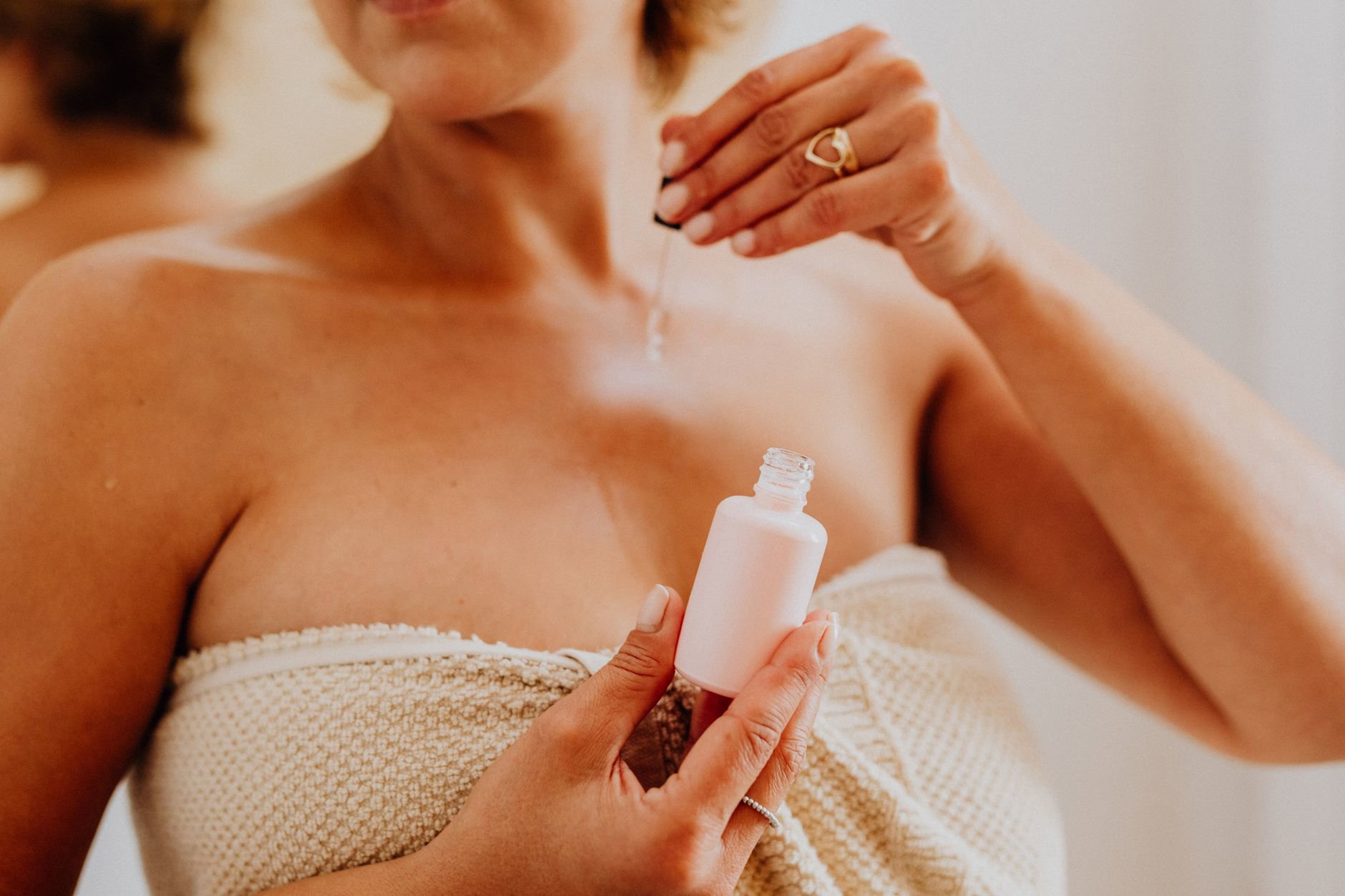
Red-carpet coverage keeps pushing the same promise: “brighter by tomorrow.”
Our take, based on what performs in real routines and what our price tracker sees women actually repurchase: the fastest-looking glow rarely comes from a single “miracle” serum. It comes from a tight, boring system—SPF discipline, pigment-safe actives, and barrier support that can handle Canadian winters and indoor heating.
With Canadian headlines circling hyperpigmentation and niacinamide again (Chatelaine’s dark-spot picks, Byrdie’s niacinamide roundups, and the endless “sleep in a bottle” eye-serum claims), we’re committing to one point: if you want a Cannes-level evenness effect, you need a spot-fading plan that you can repeat for 8–12 weeks—without over-exfoliating, over-retinising, or wasting money on duplicate steps.
Context: why dark spots keep trending (and why Canada makes it trickier)
Hyperpigmentation sits at the intersection of biology and behaviour. UV exposure triggers melanin production. Inflammation from acne, irritation, or aggressive actives can also leave pigment behind (post-inflammatory hyperpigmentation). Add visible redness from barrier stress and the face reads “uneven,” even when spots look faint up close.
Canada adds two practical complications. First: winter dryness plus indoor heat pushes many women into barrier damage, which makes pigment linger longer and makes actives sting. Second: our UV pattern feels deceptive. Spring and early summer bring strong UVA, and snow glare can spike exposure in colder months. That means pigment management lives or dies on daily sunscreen, not just “sunny day” sunscreen.
From a shopping standpoint, our merchant feed also shows a familiar cycle: when “brightening” headlines surge, Anti Ageing Face Serums and “dark spot” products sell out faster at Sephora Canada and Shoppers Drug Mart. Restocks happen, but women often buy two or three overlapping formulas in the meantime. That’s where routines get messy—and irritation starts.

So we’re going to keep this structured: a simple Canadian routine, ingredient science that actually matters, and product categories that earn their keep. No fantasy timelines.
Start with the non-negotiable: SPF that you’ll wear in February
If you do nothing else for hyperpigmentation, do this: wear a broad-spectrum sunscreen every day, then reapply when you can. Pigment fades when UV stops re-darkening it.
In Canada, the “feel” of sunscreen matters more than marketing. In deep winter, many women hate tight, drying formulas. In humid summer weeks, heavy creams slide under makeup. The best sunscreen is the one you can repeat without resentment.
We suggest building an SPF wardrobe:
- Winter/indoor heat days: a moisturising, creamier SPF over a richer moisturiser. Pair it with a Day Face Moisturisers layer if your cheeks feel rough by noon.
- Makeup days: a lighter lotion or fluid that sets down fast under Liquid Foundations. If your base pills, you usually have a layering problem, not a “bad SPF.” Use thinner layers and wait 60–90 seconds between steps.
- High-exposure days: keep a second format for reapplication (powder SPF or a stick). It won’t be perfect coverage, but it beats zero reapplication.
- Body pigment: if you get spots on chest/arms, treat body SPF like face SPF. UV doesn’t care where the melanin sits.
Technique matters. Most women under-apply. Use the two-finger rule for face and neck, then add a little extra for ears and hairline. If that feels like too much product, you need a better texture, not a smaller dose.
Niacinamide: what it can do (and what it won’t)
Niacinamide keeps cycling through headlines because it works across multiple problems: oil control, barrier support, and a modest brightening effect. It can reduce the look of uneven tone by slowing pigment transfer within the skin and calming irritation that can trigger post-acne marks.
But niacinamide rarely erases stubborn sun spots on its own. Think of it as the “stability” ingredient in a pigment routine. It helps you tolerate stronger actives and keeps redness from turning into a new round of marks.
What we’d watch for when shopping in Canada:
- Concentration creep: more isn’t always better. Many women report flushing or tingling at higher percentages, especially in dry winter months.
- Formula pairing: niacinamide plays well with vitamin C, retinoids, and tranexamic acid. It also sits nicely under makeup.
- Budget reality: you don’t need luxury here. Brands like The Body Shop, Garnier, and L'Oréal often offer niacinamide in accessible formats, while Sephora Canada carries multiple mid-range options. Check current pricing and don’t pay a premium for the word “brightening” on the label.
How to use it: once daily is enough for most routines. If you already use a niacinamide moisturiser, you likely don’t need a separate niacinamide serum. Duplicate steps inflate irritation risk and cost.
Dark-spot actives that actually move the needle: vitamin C, tranexamic acid, and retinoids
When headlines promise “fades spots fast,” they usually lean on a few heavy hitters. Each works differently, and mixing them without a plan causes the classic Canadian winter problem: dry, sensitised skin that looks duller than the spots did.
Vitamin C (ascorbic acid and friends): helps with radiance and can support pigment reduction by interfering with melanin formation. The catch: pure L-ascorbic acid formulas can sting on compromised barriers. If you get tightness or burning, switch to a gentler derivative, or use vitamin C only in summer when your skin tolerates more.
Tranexamic acid: a smart option for uneven tone and stubborn marks, especially when you can’t tolerate strong acids. It tends to feel calmer than many “brightening peel” products. Look for it in serums marketed for discoloration. Don’t expect overnight results; expect steady improvements by week eight.
Retinoids (retinol/retinal/adapalene): speed cell turnover and improve the look of texture while also helping pigment over time. They also raise irritation risk quickly in cold, dry climates. If you want retinoids in Canada, earn them slowly: start two nights a week, use a moisturiser buffer, and increase only when your skin stays comfortable.
We’d skip stacking a strong vitamin C, a high-strength retinoid, and an exfoliating acid in the same 24-hour window. That’s how women end up buying “repair” products for the damage, which costs more than the pigment routine did.
Eye creams and “sleep in a bottle” serums: what’s hype, what helps
Eye products dominate beauty-editor headlines because they photograph well and promise quick wins. In practice, under-eye concerns split into three buckets: fluid retention (puffiness), pigmentation (brown/blue tone), and structural shadowing (hollowing). One product won’t fix all three.
For puffiness: caffeine-based gels can help temporarily by constricting and reducing fluid look. Keep them in the fridge if you like the extra cooling effect. Don’t expect permanence; expect a morning improvement window.
For brightness: gentle vitamin C derivatives, niacinamide, and light-reflecting pigments can make the area look more awake. If the issue is blue/purple from thin skin and vessels, topical products help less than you’d hope. A peach-toned corrector plus concealer often beats another expensive eye serum.
For fine lines: hydration and consistent sunscreen do more than most “de-puff and brighten” claims. If you want an active, a low-strength retinol eye product can help, but only if you can tolerate it without irritation.
Shopping note for Canada: eye products carry some of the steepest price-per-mL markups in our merchant feed. If you already use a fragrance-free moisturiser that behaves near the eyes, you can often apply a thin layer there and save the eye-cream budget for your main pigment serum.
Body lotions with “that ingredient”: smoother skin without triggering new marks
Body-lotion headlines keep pushing a single hero ingredient, and the usual suspects are AHA (like lactic acid), urea, or ceramides. For Canadian skin, the best choice depends on whether you want smoother texture, fewer ingrowns, or less itch.
For roughness and KP: urea (10% range) or lactic acid body lotions help soften buildup. They also support hydration, which matters when indoor heating runs nonstop. Start every other night. Daily use can feel too active on freshly shaved legs.
For ingrowns and dark marks on body: a gentle AHA/BHA body product can reduce bumps that later leave marks. Keep it off irritated skin and don’t use it right after hair removal. Give your skin 24 hours.
For barrier repair: ceramide-heavy creams plus petrolatum on the driest zones work. This sounds basic because it is. Barrier comfort reduces scratching, and less scratching means fewer post-inflammatory marks.
If you like scented body care, separate “treatment” from “fragrance.” Use your active body lotion at night, then wear your scented body cream or mist in the morning. Layering them together often increases irritation for women with sensitive skin.

Red-carpet glow without red-carpet irritation: a weekly schedule that works
Most hyperpigmentation routines fail because they run too hot. Women start strong, get peeling, then stop everything. Consistency beats intensity.
Here’s a structure that suits Canadian weather swings. Adjust based on sensitivity and talk to a clinician if you have persistent or worsening pigmentation.
Morning (daily)
- Gentle cleanse or rinse. In winter, many women do better with a non-foaming cleanser from the Foam & Wash Cleansers category only at night.
- Niacinamide serum or a brightening serum (pick one).
- Moisturiser as needed.
- Broad-spectrum SPF. Reapply if you’re outside or near windows for long stretches.
Night (rotate)
- 2 nights/week: retinoid night (buffer with moisturiser if you’re new).
- 2 nights/week: pigment-serum night (tranexamic acid or a gentle brightener).
- 1 night/week: exfoliation night (mild AHA). Skip if you feel dry.
- 2 nights/week: recovery nights—just moisturiser, maybe a simple hydrating serum.
Makeup and events: for a fast “evenness” effect, you can do more with technique than with actives. Use a thin corrector on dark spots, then a skin-like foundation. Set only where you crease. A good brush matters; if yours sheds or streaks, upgrading from the Makeup Brushes & Applicators category can improve the finish without adding more product layers.
Canada-first shopping rules: where to spend, where to save
We track pricing across major retailers, and the pattern stays consistent: “brightening” products attract premium pricing, while basics swing through frequent promotions. That makes it easy to overspend on the wrong step.
Spend where it counts:
- Your main pigment-active serum (vitamin C, tranexamic acid, or a targeted discoloration formula). You want stability, good packaging, and a formula you’ll finish.
- Sunscreen you enjoy wearing. If you hate it, you won’t reapply.
Save where you can:
- Cleanser: gentle and boring wins. If it strips, it sabotages everything else.
- Moisturiser: many affordable options perform well, especially from pharmacy brands at Shoppers Drug Mart and Well.ca.
- Eye cream: only pay more if you need a specific texture that doesn’t sting or pill.
Watch for Canada availability gaps. Some hyped US launches take months to show up at Sephora Canada, and some never arrive. If you can’t buy it easily here, don’t build your whole routine around it. Build around categories you can restock locally, then slot in a trendy product only if it replaces something—not if it adds clutter.
If you love prestige lines, brands like Clinique and Shiseido usually offer barrier-friendly options alongside brightening. The key is picking one “active lane” and staying in it long enough to judge results.
What this means: a brighter face, fewer wasted bottles
Those Cannes and Oscars glow-ups work because pros control variables: prep, texture, and timing. You can do the same at home, but you need a routine that respects Canadian skin stressors—dry air, heating, and sneaky UV.
Practical takeaways:
- Choose one primary pigment active, then support it with niacinamide and moisturiser.
- Make SPF the anchor. If you skip it, you slow or erase progress.
- Use a weekly schedule that includes recovery nights. Irritation creates new marks.
- Before you buy another serum, ask: does this replace a step, or just add cost?
When women follow a consistent 8–12 week plan, the payoff usually looks like this: fewer new marks, older spots that fade to “coverable,” and makeup that needs less correction. That’s the real red-carpet effect.
Which problem do you want to tackle first—sun spots, post-acne marks, or under-eye darkness—and what’s your skin doing right now (dry, oily, reactive)?