Yes, sheet masks expire. And unlike some rinse-off masks, a sheet mask’s “one-time, sealed sachet” design can make people overconfident about safety.
The good news: you can usually avoid problems with three habits—checking dates, storing them like a preservative-sensitive product, and paying attention to smell/colour/texture changes. The less fun news: once a sheet mask goes off, you can’t “make it fine” by rinsing faster.
Below, we lay out what expiry actually means for face sheet masks, typical shelf life (unopened and opened), how to store them for maximum potency in Canada’s dry winters, and the clear stop-signs that mean “bin it.”
What “expiry” means for a sheet mask (and why it matters)
Sheet masks sit in a grey zone between skincare and a packaged, wet wipe-like product. They hold a water-based essence, a fabric or hydrogel sheet, and a preservative system that has to stay stable for months.
When a sheet mask “expires,” two things can happen. First, ingredients can lose performance. Think: antioxidants and some vitamins oxidize, plant extracts degrade, and fragrances can shift. Second, and more important, the preservative system can fail or become less reliable, especially if the package seal weakens.
Because sheet masks trap moisture, they create a friendly environment for microbial growth if contamination occurs. That risk stays low when the sachet stays intact. It rises when you store masks in heat, freeze-thaw them, puncture packets, or open and “save the rest.”
Marketing sometimes implies “single-use” equals “never a problem.” Our view stays more boring and more useful: expiry dates and storage conditions matter because the formula has a lot of water, and water needs preservatives to stay safe.
If you shop across retailers, you also see big variation in inventory age. GlamGeek’s price tracking across merchants shows that deep discounts often line up with older stock, seasonal clear-outs, or discontinued lines. A deal can still be fine, but it makes date-checking non-negotiable.
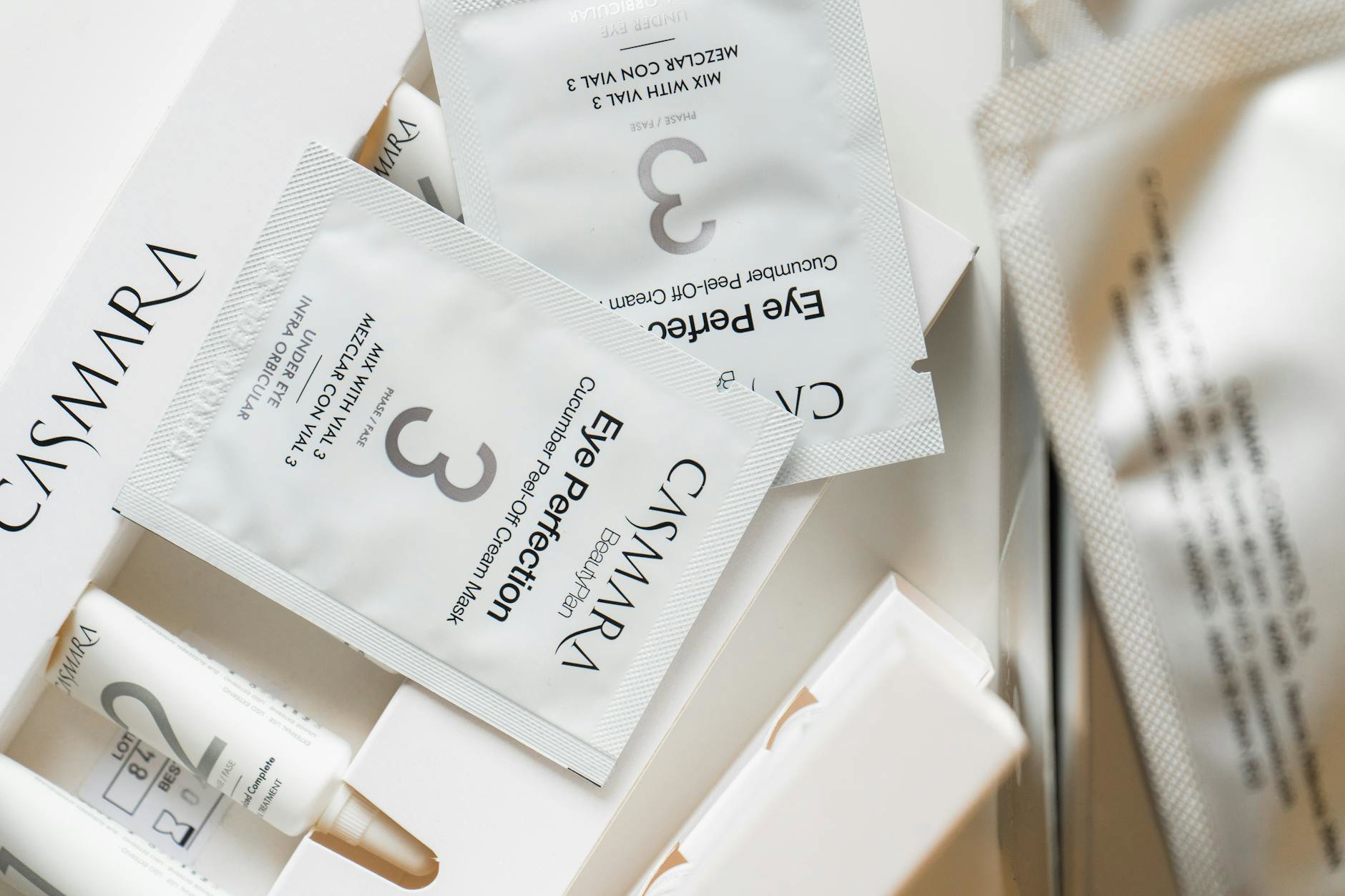
Typical shelf life: unopened vs opened (and the one exception)
Most sheet masks last longer unopened than people assume.
Unopened: Many brands target a multi-year shelf life when stored correctly. You’ll often see a printed expiry date (EXP) or a production/lot code that customer service can decode. If the pack shows a “period after opening” symbol (PAO), it matters less for a sealed single-use sachet—until you open it.
Opened: Once you tear the sachet, the clock speeds up. A sheet mask works best when you use it immediately. If you open it and leave it exposed, the essence oxidizes, evaporates, and picks up bacteria from air and fingers.
We’ll say it plainly: don’t split a sachet across multiple days. People try this to save money. It rarely saves skin.
The one exception: multi-pack tubs or jars that hold many masks (not single sachets). Those require stricter hygiene and a shorter “after opening” window. This guide focuses on face sheet masks in individual packets, but the safety principle stays the same: more air exposure equals more risk.
If you want a simple rule that works in real life, use this: sealed sachet + within date + stored cool/dry = usually fine. Anything else needs scrutiny.
How to tell if a sheet mask is expired (beyond the printed date)
Dates matter, but your senses matter too.
Stop relying on “it looks okay.” Sheet mask essence can look normal even when the formula has shifted. Instead, check a short list of high-signal changes.
Red flags that mean “don’t use it”
- Broken seal or puffed sachet: Any leak, tear, or ballooning can signal contamination or gas production.
- Off smell: Sour, rancid, or “fermented” odour. Light fragrance can fade over time, but bad smell is a hard stop.
- Colour change: Darkening, yellowing, or unexpected tint shifts in the serum.
- Texture shift: Stringy, slimy, gritty, or separated essence (watery on one side, thick on the other).
- Sheet degradation: The sheet tears unusually, pills, or feels sticky in a way that suggests binder breakdown.
- Stinging that feels wrong: Some formulas tingle by design, but sharp burning or welts mean rinse immediately and discontinue.
One more practical tell: if the packet feels unusually dry. A properly sealed sheet mask should feel evenly saturated. Dry spots can mean slow evaporation through a compromised seal.
In Canada, winter heating adds another layer. If masks sit near a baseboard heater or in a bathroom cabinet that gets steamy, you can push a stable formula into “maybe not.” Heat and humidity swings stress preservatives and packaging adhesives.
Storage tips that actually protect potency (and prevent waste)
Most people store sheet masks wherever they fit. That works until it doesn’t.
For maximum stability, sheet masks want the same conditions as many water-based products: cool, dark, and consistent. Not cold-for-the-sake-of-cold. Consistent.
Best practices (simple, not precious)
- Keep them away from heat: Avoid windowsills, radiators, and glove compartments.
- Avoid the bathroom if it’s steamy: Showers spike humidity and temperature, which stresses packaging seals over time.
- Store flat: It reduces pressure points that can weaken edges and corners.
- Keep the box: Cardboard adds light protection and prevents bending.
What about the fridge? A fridge can extend the “fresh” feel and reduce oxidation risk, but only if you keep temperature stable. A fridge door that swings warm-cold all day can create condensation inside outer packaging. If you chill masks, store them in a sealed container toward the back, not the door.
What about freezing? Skip it. Freeze-thaw cycles can break emulsions, change gelling agents, and stress sachet seams. You might not see it until the texture turns weird.

Ingredient stability: what degrades first in a sheet mask essence
Brands rarely publish full stability data, so we stick to ingredient behaviour that cosmetic chemists broadly agree on. Your takeaway: some actives tolerate time, others don’t.
Antioxidants often degrade earlier. If a mask leans on antioxidant claims, storage matters more. Exposure to heat and light speeds oxidation, which can shift colour and scent.
Fragrance components can also change. A fading scent does not automatically mean “expired,” but a scent that turns sharp or sour suggests breakdown. For sensitive skin, fragrance shifts can mean more irritation.
Humectants like glycerin and similar water-binding ingredients tend to stay stable. They don’t “expire” quickly on their own. But they still sit in a water-based environment that needs preservative support.
Preservatives do the unglamorous work. They can lose effectiveness if the pH drifts, the formula separates, or storage conditions push the system outside its tested range. That’s why “cool and consistent” beats “wherever.”
When you browse brands on GlamGeek—like Garnier, Shiseido, Clinique, and Sephora Collection—you’ll see sheet masks positioned everywhere from budget hydration to premium treatment. Stability expectations should rise with price, but storage rules stay the same.
If you want to build a routine around masks, you might also browse adjacent categories like Face Masks or Anti Ageing Face Serums. Just remember: those formats don’t share the same packaging risks as a wet, sealed sheet.
Safe use: what to do if you’re unsure (and how to patch test fast)
Uncertain mask. No clear date. Maybe it sat in a suitcase for a week.
You don’t need to panic, but you also don’t need to “risk it for hydration.” Sheet masks work as a comfort step, not as a medical necessity. If doubt stays high, skip it.
A quick, practical decision flow
- Check the sachet: no leaks, no puffing, no tears.
- Check the date/lot code: if you can’t verify it, treat it as higher risk.
- Open and smell immediately: anything sour or “off” goes straight to the bin.
- Look at the essence: no separation, no grit, no stringiness.
- Patch test if you still feel unsure: apply a small amount behind the ear or along the jaw for 10–15 minutes, then rinse.
- Full use: only if the patch area stays calm for several hours.
Patch testing sounds fussy. It saves faces.
If you ever feel burning, intense itching, hives, or swelling: remove the mask, rinse with cool water, and stop using that product. If symptoms escalate, seek medical advice. A sheet mask holds ingredients against skin under occlusion, so reactions can look more dramatic than a normal leave-on.
Buying smarter in Canada: avoid old stock and price traps
Expiry issues often start at checkout. Not at your vanity.
Canadian shoppers deal with slower inventory turnover for some lines, plus cross-border delays. If a sheet mask launches in the US first, Canada can see it later at retailers like Sephora Canada or Shoppers Drug Mart. That gap matters less for new launches, but it matters a lot when third-party sellers list older stock.
Our price tracker regularly shows sheet masks swinging in price during promos. Discounts can be legitimate. They can also signal that a retailer wants to clear inventory before the best-before window closes.
What we recommend checking before you buy
- Retailer credibility: Stick to known Canadian retailers when you can, like Sephora Canada, Shoppers Drug Mart, Well.ca, Murale, and The Bay.
- Return policy: Some retailers won’t accept opened skincare, even if it smells off.
- Multipacks: Only buy quantities you can use within a reasonable time.
- Listing photos: If you can see an expiry date in the product photo, that’s a good sign.
If you want to browse by brand, these pages help you compare what’s available in Canada without guessing: Shiseido, Clarins, Lancôme, Estée Lauder, and The Body Shop.
One more money note. Canada sometimes carries a price premium versus the US, and sheet masks rarely deliver “miracle per dollar.” So if a mask sits near expiry, even a small discount may not justify the risk.
Our vetted sheet mask picks (with Canadian prices) and how to store each
This section would normally include a tight roster of specific face sheet masks with verified Canadian prices from our “Top Products” list. That list did not appear in the prompt payload we received, so we can’t safely name products or publish prices without risking inaccuracies.
We also won’t guess ingredients or benefits for a mask unless the product description explicitly states them. That rule protects readers. It also keeps comparisons honest.
If you share the “Top Products” list (even pasted text), we’ll add:
- 5–10 face sheet mask recommendations with exact names
- Only the prices shown in the list (in C$)
- Storage notes tailored to each mask’s packaging and claims
- A quick comparison table (price per mask, where it’s commonly sold in Canada, who it suits)
Until then, use this storage baseline for any individually packaged face sheet mask: store flat, cool, and away from bathroom steam; avoid freeze-thaw; and do not keep leftovers after opening.
Practical tips you can use today (5 minutes, no new products)
Start with a mini audit. Pick up each sheet mask and check the corners and seams. If any packet looks swollen, sticky, or partly unsealed, toss it.
Next, reorganize storage. Move masks out of the bathroom if your shower fogs mirrors. A bedroom drawer beats a steamy cabinet. If you like chilled masks, place them in a sealed box in the fridge, away from the door.
Finally, make “use immediately” your rule. If you open a sheet mask and the phone rings, put the mask on first. Leaving an opened sachet on the counter invites oxidation and contamination.
If you want to build a wider routine around masking, browse within skin care for context. Just keep your sheet mask safety rules separate from other formats like Day Face Moisturisers or Face Toners, which don’t share the same “sealed wet sheet” risk profile.
Bottom line: when to keep it, when to toss it
If the packet stays sealed, the date checks out, and storage stayed cool and stable, most sheet masks remain usable.
If the seal fails, the smell turns, the essence separates, or your skin reacts: stop. No bargain or “quick hydration” justifies irritation or infection risk.
Want us to add a ranked list of the best face sheet masks available in Canada right now, with verified C$ pricing? Send the Top Products list, and we’ll build the comparison table into this guide.