Across our price tracker, face sunscreens outsell body formulas by a wide margin in Canada, yet body SKUs account for most of the millilitres actually used. That mismatch tells a story: women prioritise the face, then under-apply everywhere else.
We also see a consistent premium on face SPFs compared to body lotions, with higher markups per millilitre. You pay more for a nicer finish under makeup. The question is how to choose SPF for face versus body that works for your climate, your routine, and your budget.
This guide keeps it simple. What number to buy, which textures make sense, and how to reapply without blowing up a workday. All with a Canadian lens: long winters, short summers, and a real price gap against the US.
Context: how SPF works in Canada, and why the “number” isn’t the whole story
SPF measures UVB protection. UVB burns and drives some skin cancer risk. UVA tends to age the skin and also contributes to cancer risk. In Canada, look for a “Broad Spectrum” claim for UVA coverage. You’ll also see water resistance stated in minutes (40 or 80). That label matters more on bodies than on faces for most people.
Daily protection in Canadian cities needs more UVA focus than you think. UVA penetrates glass, hits you through car and office windows, and stays steady from spring into autumn. UV Index peaks in summer; it drops in winter but reflects off snow and ice. On bright February days, reflection increases exposure enough to warrant protection on exposed skin.
Our market feed shows steady demand for SPF 30 and SPF 50 year-round, with a clear tilt to SPF 50 in May–August. That makes sense. People under-apply. A higher number helps backfill that gap. We also see that face-specific SPFs command a strong per-millilitre premium across Sephora Canada, Shoppers Drug Mart, The Bay, Well.ca, Nordstrom Canada, and Murale. You’re paying for texture, finish, and sometimes a tint. Use that to your advantage: choose the finish you’ll actually wear every day.
{{IMAGE:woman applying face sunscreen indoors}}Face vs body: how much SPF do you actually need?
For daily, mostly indoor days with short commutes, SPF 30 broad-spectrum on the face and any exposed areas works if you apply enough. For spring and summer, or if you sit by a window, SPF 50 gives you more margin. It won’t let you stay outside longer without consequence, but it buffers real-world under-application.
For days outdoors, aim SPF 50 on both face and body. Choose a water-resistant formula for the body if you’ll sweat or swim. Reapply every two hours in direct sun, or sooner if you towel off or get wet. On the face, reapply in a way that you’ll actually do (we’ll get to methods that don’t wreck makeup).
Why a higher number? Because few people hit the lab-tested application amount. A 50 on paper often behaves more like a 30 on skin. The fix is boring but effective: use more, or pick the higher SPF if you know you skimp.
We rate SPF 50 for the face from late March through October in most of southern Canada. In deep winter, SPF 30 is fine for short days and grey light. But don’t skip it. UVA still reaches you through clouds and windows.
Picking the right face formula for real life
Daily sunscreen only works if it vanishes into your routine. The best face formulas feel like skincare, not work. Texture trumps theory.
If you wear makeup, look for thin lotion or fluid textures that set without pilling. A soft-matte or satin finish works under primers and base. You can browse face-friendly SPFs across brands like Shiseido, Clinique, and Sephora Collection on GlamGeek. Match finish to your base products: if you love radiant foundation, a balanced or matte SPF helps it last; if your base runs matte, a dewy SPF prevents tightness.
Sensitive or breakout-prone? Many women do better with mineral filters (zinc oxide and titanium dioxide). They tend to be gentler and sting less around eyes. Newer tints help offset any white cast. If you prefer non-mineral filters, choose alcohol-free or fragrance-free options to reduce irritation, and let each layer set. You’ll find both styles in brands across our database, and they live comfortably in routines built around Day Face Moisturisers and Day Face Serums.
Consider tinted SPF on the face if uneven tone or melasma is a concern. Iron oxides in tints help reduce visible light-induced pigmentation. They also act as a real-world primer. You can pair them with sheer Liquid Foundations or skip base entirely on casual days.
One more point from our merchant data: face SPFs cost more per millilitre, but you use less volume than a body lotion. If a premium texture turns you into a daily user, it’s a smart spend. Add contenders to your GlamGeek wishlist; we ping you when prices drop across Canadian retailers so you can buy when the premium softens.
Body sunscreen that won’t bankrupt you
The body drinks sunscreen. You need a lot. Prioritise value and water resistance in spring and summer. Texture still matters, but cost per millilitre rules here.
Lotions beat sprays for value and coverage. Sprays feel convenient but get under-applied. If you do use a spray, hold it close, spray until skin glistens, and rub it in. Gels and milks spread fast on legs and arms. Sticks shine on small zones like ears, hands, and the tops of feet.
We see strong value buys from mass brands at Shoppers Drug Mart and Well.ca. Browse options from Garnier and L'Oréal to stock the family pool bag or your weekend kit. Save the pricier face formula for the face and décolleté. Keep a separate, cheaper body bottle for limbs.
Pick 80-minute water resistance for beach days, runs, or paddleboard sessions. Use 40-minute labels for casual outdoor errands when you plan to reapply. If your day straddles both, go with 80 minutes. It cuts decisions later.
One more budget tactic our users love: buy one big body bottle for home and a travel mini for handbags. We flag mini sizes and set alerts. Add them to your GlamGeek wishlist so you catch multi-buy promos and seasonal markdowns before they sell out.
How much to apply: two fingers and six teaspoons
Lab protection assumes 2 mg per cm² of skin. No one measures that at 7:15 a.m., so here are cues that work.
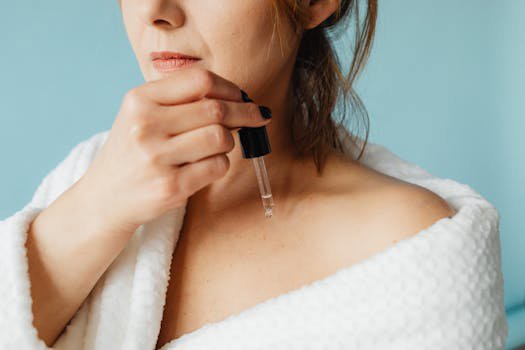
Face and neck: use the two-finger rule. Squeeze two generous lines from the base to tip of your index and middle fingers. That covers face, ears, and front of neck. If your neck is long or you skip ears, add a half-finger more to back of neck and hairline. Press, don’t rub hard. Let it set before makeup.
Body: aim for six teaspoons (about a shot glass) for full adult coverage. That breaks down roughly to one teaspoon per arm, two teaspoons for legs, one teaspoon for front of torso, one for back. Ears, backs of hands, and tops of feet are the most-missed spots in our user feedback. Hit them last with a stick or a rub-in pass.
Lips get forgotten. Use an SPF lip balm and reapply it as often as you would a regular balm. Our Lip Balms & Creams category flags options with UV filters so you can filter quickly by SPF claim.
Don’t mix sunscreen with moisturiser in your palm. You might dilute the formula and change spreadability. Layer instead: moisturiser, then SPF, then primer or base. If you love a one-and-done, choose a moisturiser with a proper broad-spectrum SPF and apply it in the same two-finger amount as a dedicated sunscreen. Most people don’t apply nearly enough when a product is multipurpose. Commit to the full amount if you rely on it.
Reapplication that fits a workday
Outdoor days are simple: lotion or milk every two hours, or after water. Office days are harder. You want maintenance without erasing makeup.
Use a clear gel or thin lotion and press it over makeup with clean hands or a damp sponge. Work in sections: forehead, cheeks, nose, chin. Press, don’t swipe. Give it a minute to set. It won’t look perfect, but it gives real coverage for a lunch-hour walk.
Sticks help for targeted top-ups on cheekbones, nose, and ears. Draw multiple passes until the skin looks sheeny, then tap to blend. Sprays and mists feel handy, but many don’t deposit enough. If you rely on a mist, do several passes close to the face, keep eyes closed, and pat it in. Treat powder SPF as a last-mile top-off, not your only reapplication.
Set your morning base to handle this. Lightweight sunscreen under a gripping primer gives a stable canvas. Then reapplication has a fighting chance. Explore long-wear bases and primers in Face Primers and sheer or long-wear Liquid Foundations. Setting sprays that claim SPF exist from a few brands, including colour cosmetics labels like Tarte, but check the instructions and volume applied. Most people don’t mist enough to match a two-hour dose.
To make it stick as a habit, tie reapplication to a daily cue: after lunch, before the school run, at the trailhead. Keep a stick in your bag, a body lotion in the car boot for hikes, and a fluid at your desk. Add your chosen products to your GlamGeek wishlist so you get stock and price nudges when summer hits and shelves thin out.
{{IMAGE:woman reapplying sunscreen over makeup}}Winter, windows, and weekend hikes: Canada-specific SPF math
Cold months trick people into skipping SPF. You still get UVA through glass, and bright snow can reflect a meaningful chunk of UV back to your skin. On sunny winter hikes, use SPF 50 on face and any exposed areas, plus sunglasses and a brimmed hat. Reapply on ridgelines and at rest stops, not just at the car.
Indoor days matter less for UVB, but UVA ticks along. SPF 30 on the face works for office days with big windows. If you sit with sun on your cheek at 2 p.m., push to SPF 50. Consider a tinted option with iron oxides if hyperpigmentation or melasma flare in winter. It can pair with hydrating skincare that helps your barrier stand up to indoor heating. You’ll find barrier-friendly layers in Day Face Moisturisers and Day Face Serums.
Humidity drops indoors. Mineral SPFs can feel drier. Tweak your routine: add a hydrating serum, then SPF, then base. Or choose a satin-finish chemical-hybrid SPF that keeps cheeks comfortable. Brands like Clinique and Shiseido offer comfortable winter-wearable options. If you run outdoors in winter, water-resistant formulas help against sweat and wind-tear. Don’t forget lips and hands; they take the brunt of windburn.
Spring shoulder season in Canada flips fast. Keep a purse-size SPF for those surprise 18°C lunch hours. Our data shows minis sell out first during the first warm week. Set a wishlist alert if a specific size or texture is non-negotiable for you.
Sensitive skin, acne, and melanin-rich tones
If your skin stings with sunscreen, patch-test new products on the jawline for a few days. Mineral filters tend to sting less near eyes. Fragrance-free labels help, as do alcohol-free textures. Brands across our platform, including Clinique, focus on low-irritant formulas for sensitive users.
Acne-prone skin does well with light fluids and gels. Look for non-comedogenic claims and avoid very occlusive textures unless your barrier is compromised by actives or retinoids. If you use exfoliating acids or prescription retinoids, don’t skimp on SPF. Those actives increase sun sensitivity. Pair a high SPF with a lightweight, long-wear base or skip base and rely on a tinted SPF. Our database lets you scan by finish so you can match to your current routine without a breakout tax.
For melanin-rich tones, daily SPF still matters. Photoaging and hyperpigmentation come from UVA and visible light, not just sunburn. Tinted formulas with iron oxides curb visible light-induced darkening and even out tone without ash. If you avoid white cast, search for “tinted” or “sheer mineral” filters and check shade range in product images. Many Canadian retailers now stock deeper-tint SPFs, though US-only launches can lag here by months; we flag those gaps on product pages when the wait drags.
On makeup days, treat tinted SPF as your base or mix with concealer only on target spots. Set with a light powder if you need more staying power. Reapply with a stick or a cushion press of your SPF at midday. It’s not perfect, but consistent small wins matter more than an ideal you never do.
Shopping smart: labels, retailers, and the Canada–US gap
Buy sunscreens that carry a Canadian Drug Identification Number (DIN) or Natural Product Number (NPN). That means Health Canada tracks the formula. Check the box for “Broad Spectrum” and the water resistance time if you need it. Expiry dates on SPFs matter. Heat degrades filters over time, so don’t store bottles in a hot car through summer.
Sprays need care. Apply outside or in a ventilated area, avoid direct inhalation, and rub them in. Sticks need multiple passes to lay down enough product. Powders are fine for finishing and small top-ups, but they rarely deliver the full amount needed, so don’t treat them as your only sunscreen.
Our price tracker shows a consistent Canadian premium compared to US listings across many SPFs, especially prestige lines. The gap often runs to double digits in percentage terms. Timing helps: watch for spring promo cycles at Sephora Canada, bundle offers at Shoppers Drug Mart, and seasonal markdowns at The Bay and Well.ca. We track prices across those retailers, plus Nordstrom Canada and Murale, so the GlamGeek comparison page does the legwork. Add your picks to a wishlist and we’ll alert you when a deal actually lands, not just when a banner screams “event.”
Love K-beauty and J-beauty filters? Many headline filters popular in Europe and Asia don’t always show up in Canada due to different approvals and distribution choices. Some US or EU launches take months to land here, or never come. We flag Canada availability on brand pages like Shiseido and value options from Garnier and L'Oréal. If a sought-after US launch hasn’t reached Canadian desks yet, plan a placeholder product so you don’t leave a gap in your routine.
One final shopping tip from our data: face-specific SPFs often come in smaller sizes with higher per-millilitre costs. If you love a finish, scan for jumbo or value sizes when they appear. We see them pop up mid-season, not just at holiday. Also consider an untinted face SPF plus a light base. You can achieve a refined finish and still control spend. Explore compatible bases in Liquid Foundations and blurring options in Face Primers.
Face-first routines: layering that doesn’t pill or slide
Make SPF the last step of skincare, before makeup. Give each layer a minute to settle. If your SPF pills, reduce the amount of silicone or oil in the layer below, or switch to a compatible texture. Use thinner serums under fluid SPFs and richer creams under mineral creams. Test combinations on a quiet morning.
If sunscreen slips under makeup, blot lightly with tissue after a three-minute set time, then apply primer and base. Water-based primers pair better with fluid SPFs than heavy silicone gels. Category pages like Face Primers help filter for water-based or gripping textures that hold to SPF without rolling.
For a skin tint look, pick a tinted SPF and set only the T-zone with powder. If you want more coverage, use spot concealer rather than a full extra layer; it keeps total thickness down and reduces pilling risk. Many women get a smoother result from SPF plus concealer than from SPF under a heavy foundation in humid July weather.
Eye area can be tricky. If sunscreens sting, switch to a mineral stick for the orbital bones or use a low-irritant face SPF from brands with sensitivity lines like Clinique. Tap rather than rub. If you don’t wear eye makeup, an SPF stick is the easiest reapply around the eyes and temples at midday.
Body strategies: real-world reapplication when you’re outside
At the beach or on a patio, set alarms every two hours. Reapply before you feel the sun. If you swim or sweat, reapply as soon as you towel off. Keep a lotion or milk for limbs, a stick for hands and ears, and a spray only as a back-up for hard-to-reach spots. Lotion first, spray only to catch misses. That sequence beats spray-only use in coverage tests.
Start high. First pass should be a full body coat. Many women do a too-thin base and then chase burns all afternoon. Make the first layer count and the rest easy. Top up shoulders, chest, and thighs more often; they get the most direct sun.
Clothing and accessories reduce how much product you need. A long-sleeve tee or rash guard drops your reapplication load and saves money across a weekend. Straw hats and good sunglasses help more than any product. Use sunscreen to fill the gaps, not as your only defence.
Stock your kit ahead of the first hot weekend. Our data shows shelves thin fast when the UV Index first spikes. Use GlamGeek comparison to lock your picks and set wishlist alerts so you pay less for more millilitres.
What this means: the quick picks that work
If you only change two things, make them these. First, use SPF 50 on your face from spring through autumn and apply the full two-finger amount. In deep winter, SPF 30 is fine for most indoor days, but keep SPF 50 for bright snow days and hikes. Second, buy a big, water-resistant body lotion for summer and reapply it like clockwork outdoors. Save the fancy textures for your face and spend per millilitre smarter on limbs.
Layer order matters. Go moisturiser, sunscreen, primer, then base. If makeup is your non-negotiable, choose an SPF that plays well under it and keep a stick or fluid at hand for reapplication. Use tinted SPF if you fight hyperpigmentation; iron oxides add visible light defence and can cut steps on rushed mornings.
Shop with a plan. Compare per-millilitre pricing across Sephora Canada, Shoppers, The Bay, Well.ca, Nordstrom Canada, and Murale on GlamGeek. Add your shortlist to a wishlist. We’ll ping you when a discount appears so you can restock at a better number. If a US launch hasn’t hit Canada yet, park a placeholder sunscreen that you will wear every day and swap later. Daily compliance beats chasing an import across forums.
Sign-off
What’s your real-world SPF plan for face versus body this season, and where do you need a product switch to make daily use stick? Tell us what textures you’ll actually wear and add your picks to a GlamGeek wishlist so we can track the best deal for you before summer spikes.