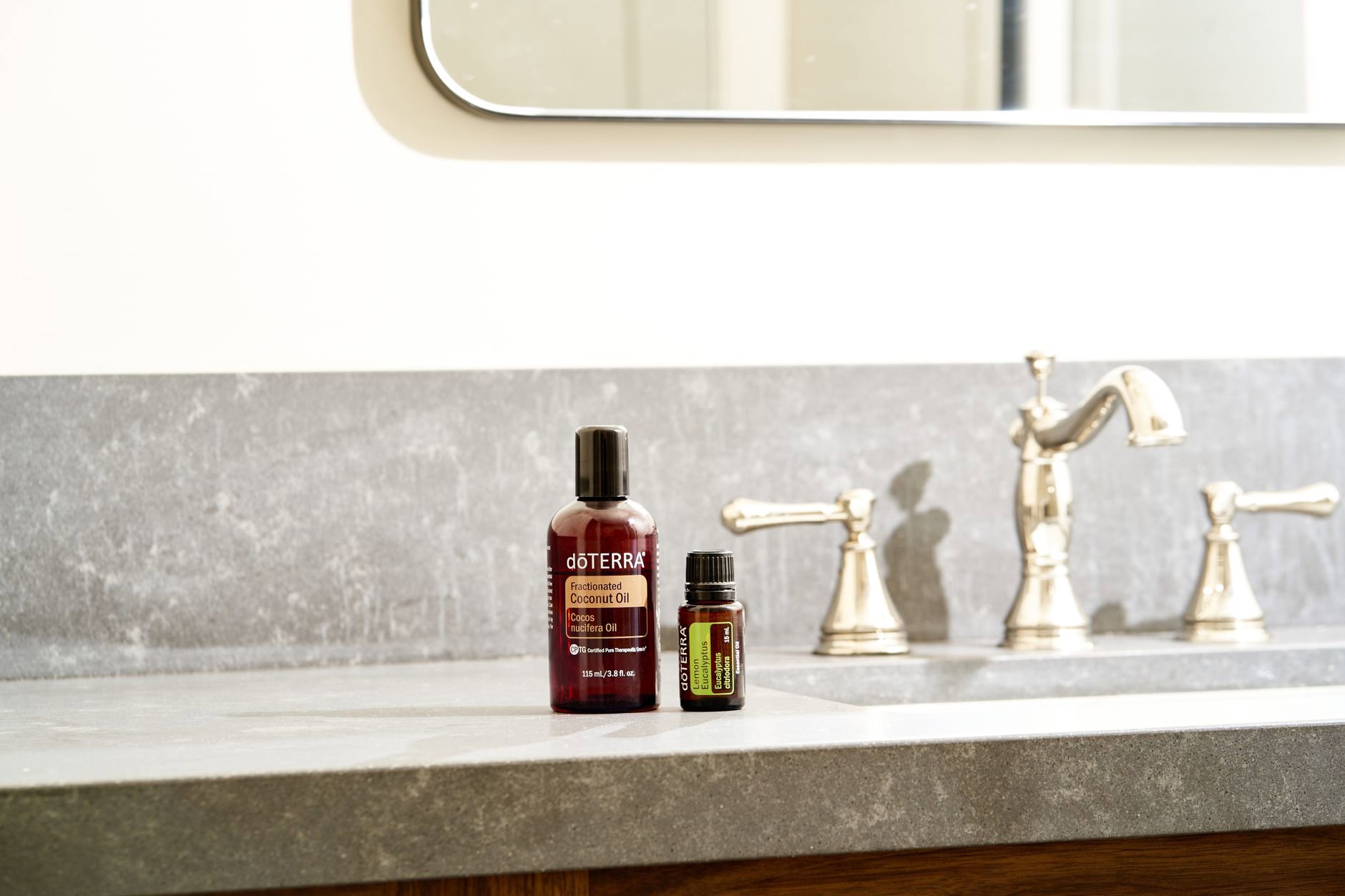
Yes—face oils expire, and when they go off they can irritate skin, trigger breakouts, or simply stop performing the way you bought them to.
The tricky part: oils don’t “spoil” like a cream. They oxidize. That process can be subtle at first, then suddenly obvious.
Below, we break down realistic shelf life, the clearest signs of rancidity, how packaging changes stability, and the storage habits that actually extend freshness—especially in Canada’s dry winters and warm summer bathrooms.
Face oils don’t go bad the same way creams do
Most face oils contain little to no water. That means they don’t usually grow mould or bacteria as quickly as water-based products. Instead, the main issue is oxidation, where oxygen and light react with the oil’s fatty acids.
Oxidation changes the oil’s chemistry. The by-products can smell sharp, feel heavier or tackier, and cause stinging or congestion for some people. Even if your skin tolerates it, an oxidized oil often loses the cosmetic benefits you wanted in the first place.
What oxidizes fastest? Oils high in polyunsaturated fatty acids (PUFAs). These include many “dry” plant oils that feel lightweight. They can be lovely on skin, but they demand better packaging and storage. More saturated oils tend to resist oxidation longer, but they can feel richer and may not suit everyone.
Marketing rarely explains this, so it helps to think like this: the lighter and more delicate the oil, the more it needs protection.
Typical shelf life: unopened vs. opened (and what “PAO” means)
Face oils usually last longer than many water-based formulas, but they still have a clock. In our merchant feeds, most face oils list either an expiry date (less common) or a PAO symbol—an open jar icon with a number like 6M, 12M, or 24M.
PAO stands for “period after opening.” It means the brand expects the product to remain stable for that many months after you open it, assuming normal use and storage.
As a practical rule of thumb for face oils:
- Unopened: often 2–3 years from manufacture (varies by formula and brand).
- Opened: typically 6–12 months for many plant oils; sometimes up to 24 months for more stable blends.
- “Clean” or very minimal formulas: not automatically shorter-lived, but they often rely more on packaging and antioxidants to stay fresh.
- Oils with added actives or fragrance: can become unpleasant faster once oxidation starts, even if technically still “safe.”
Canadian reality check: storage conditions swing. Indoor heating in winter reduces humidity and can speed evaporation in loosely closed bottles. Summer heat in bathrooms can accelerate oxidation. Shelf life estimates assume you don’t store your oil beside a steamy shower.
If you can’t find PAO on the bottle, treat 12 months from opening as the maximum, and be stricter if you notice any sensory changes.
How to tell if a face oil has oxidized: the signs that matter
Most people catch rancid oil by smell first.
Smell changes often show up as: stale “cooking oil,” crayons, sharp nuts, or a sour note. A naturally scented oil can mask this at first, so compare the smell to what you remember from the first week you opened it. If the scent has shifted from “pleasant” to “persistent,” pay attention.
Colour changes matter too. Many oils darken slightly over time, but a sudden deepening, cloudiness, or a brownish cast can signal oxidation. If your oil came in a clear bottle, you’ll notice this sooner—which is part of the problem.
Texture changes can include thicker feel, stickiness, or a film that doesn’t sink in the way it used to. Separation can happen in blends, but “stringy” texture or gritty residue tends to mean the formula has moved on.
Then there’s the skin feedback. Oxidized oils can correlate with:
- new stinging on application
- random redness that wasn’t there before
- an uptick in clogged pores or small bumps
- makeup sitting worse on top of the oil
Not every breakout means the oil expired. But if breakouts start after a smell/texture shift, that’s a strong pattern.
One more tell: if you suddenly need more oil to get the same slip, oxidation may have thickened the feel without improving performance.

Packaging decides freshness more than most people think
Oils hate three things: light, heat, and oxygen. Packaging determines how often your product meets all three.
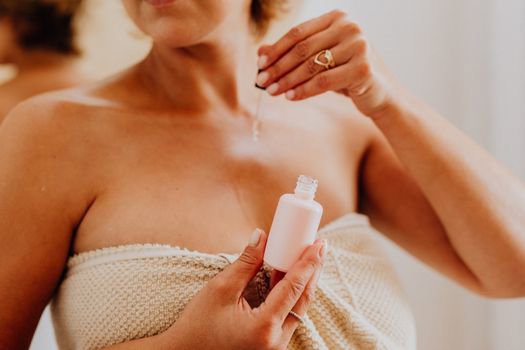
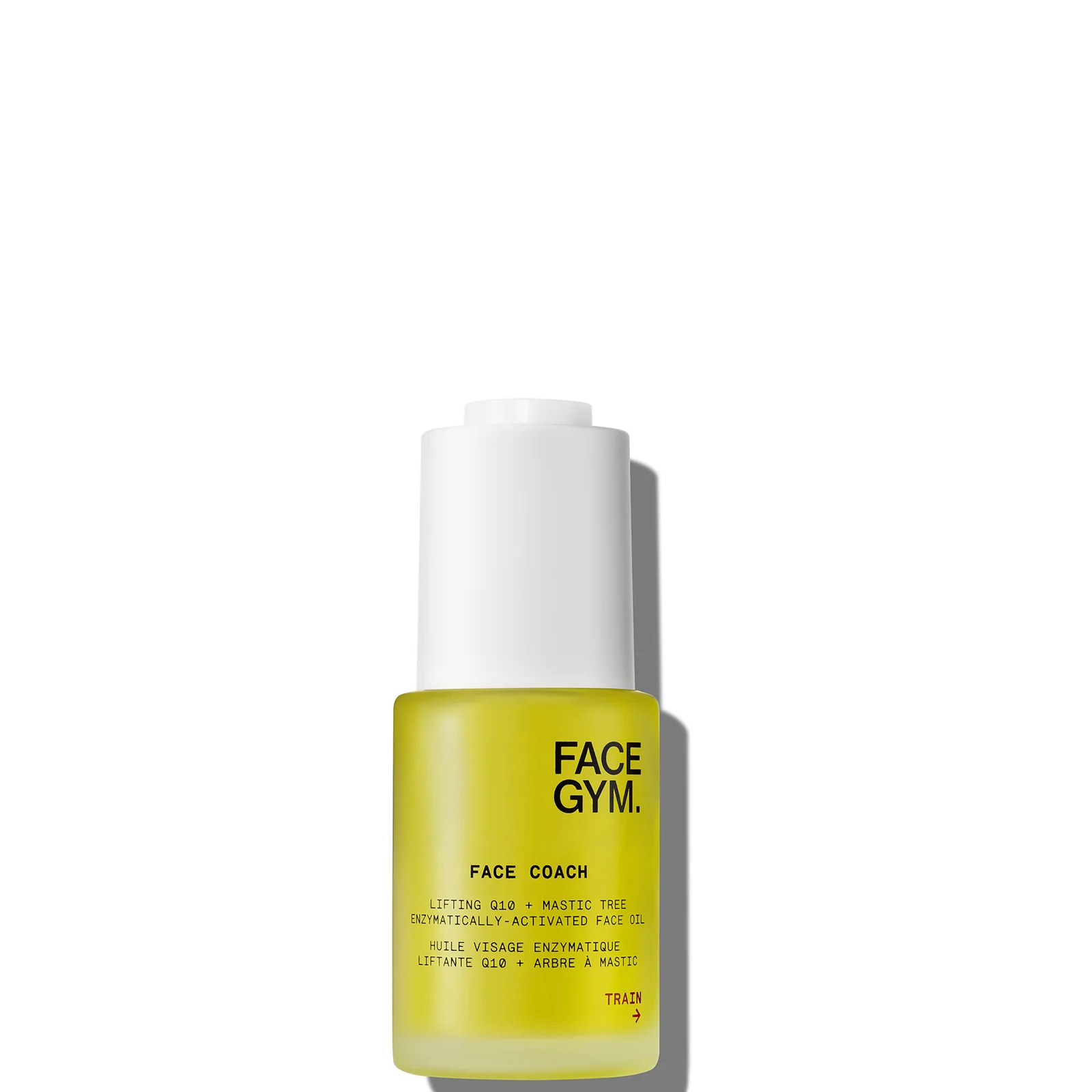
Dropper bottles look luxe, but they pull air into the bottle every use. They also expose the neck to oxygen. That doesn’t doom the product, but it raises the stakes for storage and how quickly you finish it.
Pump bottles often limit oxygen exposure better than droppers. They also reduce contamination from fingers and reduce the time the bottle sits open on the counter.
Jar packaging sits at the bottom of the list for oils. Every dip introduces air and whatever is on your hands. If you buy an oil in a jar format, commit to clean use and a faster finish.
Dark or opaque bottles matter. Amber, black, or coated packaging blocks UV and visible light that can speed oxidation. Clear bottles look nice on a shelf. They also act like a display case for degradation.
Our price tracker can’t “score” packaging quality, but it can show a pattern we see often: oils in prestige lines tend to cost more in Canada, and part of that premium sometimes goes into better packaging. Sometimes. Not always.
What to do if you decant or travel
Decanting into a smaller bottle can help if it reduces air space, but only if the new container protects from light and seals well. Avoid clear mini bottles and anything that leaks. A leaky cap equals oxygen exposure every day.
Storage rules that actually extend shelf life (especially in Canadian bathrooms)
Good storage sounds boring. It also works.
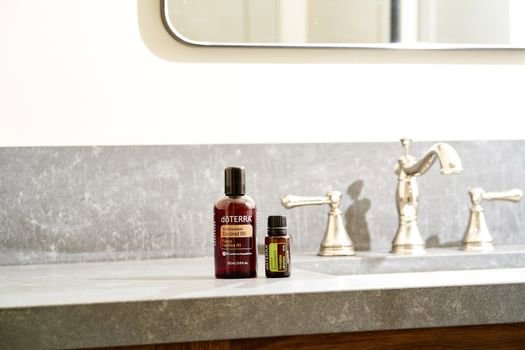
Keep oils cool and dark. A bedroom drawer beats a bathroom shelf. If you store skincare in the bathroom, choose the farthest cabinet from the shower and keep the cap tight.
Cap discipline matters. Oxygen exposure adds up. Don’t leave the dropper sitting out while you brush your teeth. Close it between steps.
Avoid heat cycling. Repeated warming and cooling stresses formulas. In Canada, that can mean a sunny windowsill in February (strong sun, cold air) and a warm radiator nearby. Both speed changes.
Consider the fridge—selectively. Refrigeration can slow oxidation for some oils, but it can also make richer oils cloudy or thicker. That’s usually cosmetic, not dangerous. If you hate the feel, don’t force it. If you do refrigerate, keep the bottle in a consistent spot and don’t let condensation drip into the cap.
Keep the neck clean. Wipe drips off the bottle opening. Old residue oxidizes first and can make the whole bottle smell “off” sooner.
One sentence that saves money: buy the smallest size you can realistically finish within the PAO window.

How to shop smarter so you finish your oil before it expires
Face oils feel simple, but buying habits decide whether you use them up in time.
Start with your usage rate. If you apply 2–3 drops once daily, a standard bottle can last many months. If you rotate oils, that timeline doubles. If you love variety, smaller bottles make more sense than a “better value” jumbo.
Watch Canadian price swings. GlamGeek’s price tracking shows that face oils can bounce between full price and promo pricing depending on retailer. Sephora Canada pricing often stays stable, while department stores like The Bay may run periodic beauty events. Shoppers Drug Mart promos can change the effective price quickly when points offers stack.
Don’t hoard backups. A backup bottle stored for a year in a warm condo can age before you open it. If you do buy a backup during a sale, store it cool and dark, and label the purchase month.
Choose packaging that matches your habits. If you know you leave bottles on the counter, pick an oil in darker packaging and commit to faster turnover. If you travel a lot, pick something that seals strongly and won’t leak in a toiletry bag.
Where product recommendations would normally go
We can only recommend specific face oils when we have the verified TOP PRODUCTS list (with Canadian prices and descriptions). That list didn’t come through with this request, so we won’t guess.
If you share the TOP PRODUCTS list for Face Oils (the same format used in your other GlamGeek briefs), we’ll add a tight set of picks with real C$ pricing and retailer context—Sephora Canada, Shoppers Drug Mart, Well.ca, Murale, and The Bay—without inventing ingredients or claims.
What to do with an expired oil (and what not to do)
If you suspect oxidation, the safest move is to stop using it on your face.
Some people try to “use it up” on the body, but oxidation by-products can still irritate, especially on eczema-prone skin in winter. If the oil smells rancid or causes stinging, skip that experiment.
What you can do:
- Patch check a fresh product before you blame your skin. A new bottle should not sting on intact skin.
- Clean the bottle neck and compare smell from the dropper versus the bottle opening. If both smell off, it’s done.
- Dispose responsibly. If the bottle has a recycling symbol, rinse if your municipality requires it, and recycle the packaging where accepted.
- Write the open date on the box or base with a marker next time. It sounds fussy. It prevents waste.
What not to do: don’t mix an old oil with a new one to “dilute” the smell. Oxidation doesn’t reverse, and you risk turning the fresh bottle faster.
Practical expiry-proofing: a simple routine that protects your oil
Here’s a low-effort method that keeps most face oils stable longer without turning your routine into a lab project.
Step 1: Store the bottle in a drawer or closed cabinet away from heat and light.
Step 2: Use clean hands and avoid touching the dropper to skin.
Step 3: Close the cap immediately after dispensing.
Step 4: Once a week, wipe the bottle neck and cap threads with a clean tissue.
Step 5: If the oil changes smell, colour, or feel, stop and replace—don’t push through.
For Canadians dealing with winter dryness: keep the oil away from radiators and baseboard heaters. That steady heat can age an oil faster than you expect.
If you want more context on where face oils sit in a routine, GlamGeek has guides across skin care categories, including how people pair oils with Day Face Moisturisers and SPF Protection Products. This article stays focused on expiry and storage.
Which face oil are you trying to finish before it turns—dropper or pump, clear bottle or dark? Share the name and where you bought it in Canada, and we’ll suggest the most realistic storage plan for that packaging style.