
Yes—hair oil can expire, and once it oxidizes it can smell “off,” feel sticky, look darker, and sometimes trigger scalp irritation.
Most people notice rancidity as a scent shift first. The problem is that oxidation can start before you detect it, especially with “natural” oils that contain a lot of fragile unsaturated fatty acids.
Below, we break down how long hair oils typically last, what rancidity looks like in real life, how to store oils in a Canadian climate (hello, radiator heat), and when a pricier bottle still deserves to go in the bin.
The basics: what “expired” means for hair oil
Hair oils don’t “spoil” like fresh food, but they do oxidize. Oxygen, heat, and light slowly break down oil molecules, creating by-products that smell stale and can irritate sensitive scalps.
That oxidation happens faster when an oil contains lots of polyunsaturated fats. Those double bonds react readily with oxygen. Saturated fats resist oxidation longer, so some oils stay stable for far more months on a shelf.
Packaging matters as much as the formula. A clear bottle on a sunny vanity ages faster than an opaque bottle stored in a cool cabinet. A dropper that sits open while you scroll also speeds up oxygen exposure.
And yes, “hair oil” often means a blend. Many commercial hair oils use a stable base (often lighter, longer-lasting oils) plus smaller amounts of fragile botanical oils and fragrance. That mix can delay rancidity, but it does not prevent it.
How long hair oils typically last (and what changes that)
There’s no single universal timeline because hair oils vary wildly. A minimalist single-oil formula behaves differently than a silicone-leaning blend with antioxidants and fragrance.
As a practical rule, we treat 12 months after opening as a common “safe expectation” for many hair oils when stored well. Some will stay pleasant longer. Some will turn earlier, especially if you store them near heat.
What pushes an oil toward the shorter end:
- Clear packaging and frequent light exposure.
- Hot bathrooms (showers + heaters) and windowsills.
- Frequent opening and slow application with the cap off.
- High levels of delicate oils (often seed oils) and low antioxidant support.
What buys you more time:
- Opaque or dark bottles.
- Cool storage away from radiators and sunny shelves.
- Antioxidants in the formula (you won’t always see them disclosed clearly, but many blends include them).
- Air-reducing dispensers like tight pumps versus open droppers.
In Canada, seasonal heating matters. Indoor winter air often runs dry and warm, and bathrooms swing from steamy to cold. Those temperature changes repeatedly expand and contract air in the bottle, which can accelerate oxidation over time.
Signs your hair oil has gone rancid (smell, colour, texture, performance)
Rancidity shows up in a few repeatable ways. Some are obvious. Others are sneaky.
1) Smell shift. Fresh oils smell neutral, lightly nutty, or like their added fragrance. Rancid oils smell stale, sour, “crayon-like,” or sharp in the back of your nose. If you need to convince yourself it’s fine, it’s probably not.
2) Colour change. Many oils deepen in colour as they oxidize. A slight change can happen naturally, but a noticeable darkening, cloudiness, or uneven colour often signals age or contamination.
3) Texture change. Oxidized oils can feel thicker, tackier, or oddly “draggy.” Some develop a gummy feel on hair lengths. You may also see residue around the neck of the bottle that looks sticky or varnished.
4) Performance change. Hair may look dull instead of glossy, feel coated, or tangle more. That doesn’t always mean rancidity, but it belongs on the checklist.
5) Scalp reactions. A rancid oil can trigger itching, redness, flaking, or a tight feeling—especially if you apply it on the scalp rather than just mid-lengths and ends. Not everyone reacts, but if a product suddenly starts bothering you, treat that as data.
One-word rule.
Trust.

Can expired hair oil damage hair or irritate the scalp?
Expired hair oil usually won’t “burn” hair off, but it can create avoidable problems. Oxidation by-products can irritate skin, and a rancid-smelling oil can make hair feel dirty even after styling.
On hair lengths, the biggest risk looks like this: buildup + dullness. Aged oil can sit on the cuticle, collect dust, and make strands feel coated. If you already use other styling products, that film can become stubborn.
On the scalp, the risk jumps. Scalp skin behaves like facial skin in many ways. It can react to fragrance, oxidized lipids, and heavy occlusion. If you deal with dandruff, seborrheic dermatitis, or acne along the hairline, an old oil can tip you into a flare.
Here’s the line we use at GlamGeek: if an oil smells rancid, don’t “use it up” on your ends. You still breathe the scent, and your hair still wears the residue.
If you suspect irritation from an oil, stop for a week. Then reintroduce only on the ends, not the scalp. If the reaction returns, retire it.
Storage rules that actually extend shelf life (especially in Canadian bathrooms)
Storage sounds boring until you realize it can double the time an oil stays pleasant.
Rule 1: Avoid heat spikes. Don’t store hair oil beside a radiator, on a heated towel rack, or in a steamy shower zone. Winter heating plus frequent hot showers creates repeated heat pulses that accelerate oxidation.
Rule 2: Keep it dark. Sunlight speeds photo-oxidation. If your bottle sits on a windowsill “for the aesthetic,” it ages faster. A drawer or cabinet wins.
Rule 3: Minimize air exposure. Close caps immediately. If you use a dropper, don’t leave it resting open. Oxygen contact matters every single time you apply.
Rule 4: Keep water out. Don’t apply with wet hands straight from the shower and then touch the dropper to your palm. Water contamination can change texture and smell and can introduce microbes even if the oil itself doesn’t support much growth.
Rule 5: Decant carefully, or don’t. Pouring oil into a “prettier” bottle increases air exposure and contamination risk. If you must decant for travel, use a clean, fully dry, opaque mini bottle and only transfer what you will finish quickly.
Canadian-specific note: a bathroom cabinet can still run warm if it sits over a vent. A bedroom drawer often stays cooler and more stable.
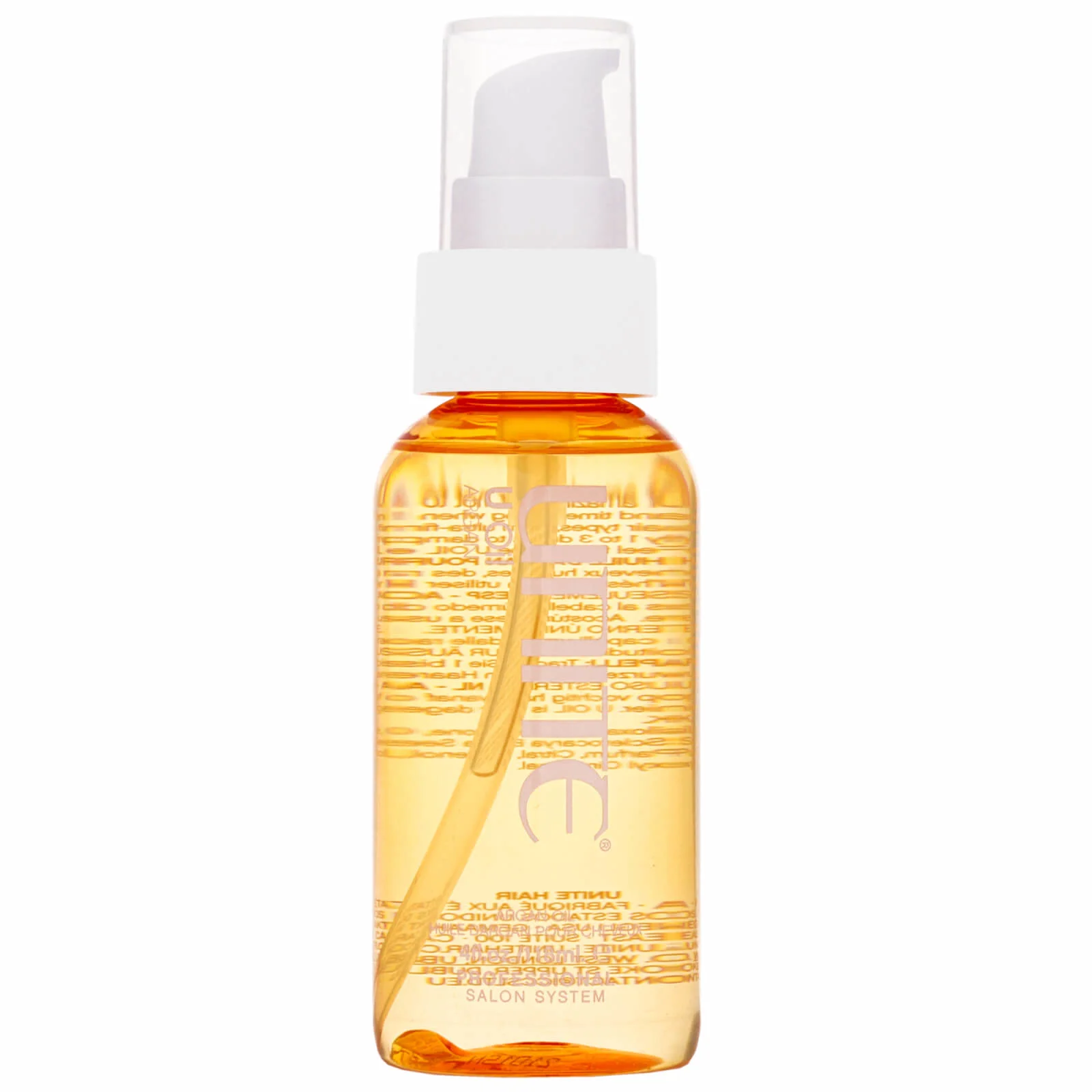
Buying smart: pick bottle sizes and formulas you’ll finish before they turn
Rancidity often becomes a “big bottle” problem. Many people use two drops at a time, which means a large bottle can linger for years.
Our price tracking across Canadian retailers consistently shows hair oils swing in price by store and by promo cycle. That makes it tempting to stock up when you see a deal at Sephora Canada, Shoppers Drug Mart, or The Bay.
But oils don’t reward hoarding. If you rotate multiple hair oils at once, each one spends more time exposed to oxygen over its lifetime.
Instead, we suggest a simple buying strategy:
- Buy one primary hair oil you use weekly.
- Add one backup only when your main bottle hits the last quarter.
- If you love variety, choose smaller sizes when available.
- Label the bottle with an opened-on date using tape and a marker.
This also pairs well with a “seasonal” approach. Many Canadians use more oil in winter when hair and scalp feel drier, then less in humid summer months. That change alone can stretch a bottle into the danger zone if you don’t track it.
For broader routine building, we often see shoppers compare oils alongside staples in hair care, plus wash-day basics like Moisturising & Nourishing Shampoos and Moisturising & Nourishing Conditioners. Keep the oil purchase realistic within that rotation.
Rancid-check routine: a 60-second test before you apply
If you only remember one thing, make it this: check the oil before it touches your scalp.
Step 1: Cap sniff. Open the bottle and sniff near the opening. You want “neutral” or the product’s intended scent. If you smell sour, waxy, or stale notes, pause.
Step 2: Tissue test. Put one drop on a white tissue. Fresh oil spreads evenly. Oxidized oil may look darker than you remember, or leave a sticky ring as it sits.
Step 3: Finger feel. Rub a tiny amount between finger pads. It should feel slippery and consistent. If it feels tacky, thick, or uneven, treat that as a warning.
Step 4: Patch it (when you’ve had irritation before). If you have a reactive scalp, apply a pin-head amount behind the ear. Wait a few hours. Any itching or redness means it doesn’t go on your scalp.
Two quick boundaries help: don’t “mix” old oil with new oil in the same bottle, and don’t apply questionable oil before heat styling. Heat can amplify unpleasant odours fast.
When to keep it, when to toss it, and what to replace it with
We treat hair oil as expired when any of these happen: consistent rancid smell, clear texture change, irritation, or a visible change that persists after a shake.
If only one sign appears, you can re-check over a week. If multiple show up, toss it. Oils don’t come back.
Replacement also comes down to how you use hair oil:
- Ends-only smoothing: you can often choose lighter oils and use less, which helps you finish bottles sooner.
- Scalp application: freshness matters more, and you should replace earlier if anything feels “off.”
- Frequent heat styling: avoid using old oil as a pre-heat step. It can smell unpleasant and may increase residue.
- Cold-weather frizz: keep the bottle in a stable-temperature drawer so it stays consistent all winter.
One more practical point: if you buy multiple beauty categories at once—say a fragrance from Eau de Parfum Perfumes or staples from skin care—don’t let the hair oil become the forgotten product at the back of a cabinet. Oils punish neglect.
We also see a pattern in price data: premium oils often carry a noticeable Canadian price premium versus the US. That can make it harder to toss a half-finished bottle. Still, scalp comfort beats sunk cost.
Practical tips you can use today (no extra products required)
Write an opened date on your bottle right now. If you can’t remember when you opened it, assume it’s older than you think.
Then set up a simple “oil station” that protects it: a cool drawer, cap tightened, hands dry before you dispense. If you apply oil post-shower, dispense first, then close the bottle, then spread through hair.
Keep your usage consistent. Two to four drops for ends-only works for many hair types, and it helps you actually finish the bottle before it degrades. If you need more, apply in layers rather than dumping a large amount once.
Finally, if your scalp reacts, don’t negotiate with it. Move oil to the lengths only—or retire it—and stick to fresh bottles going forward.
Wondering whether your bottle is still good? Tell us how long it’s been open, where you store it, and what changed first—smell, texture, or scalp feel.