Searches for “hair growth” jump every winter on our platform. Our tracker also flags a quiet surge in LED cap listings from Canadian retailers, with longer promo cycles and shorter shelf sell-outs. Women feel urgency when shedding spikes. The market answers that urgency with kits, caps, and caffeine claims.
Some of it helps. Some of it pads a cart and drains a budget. We’ve tracked beauty pricing since 2010, and the data points to a simple truth: the products that work tend not to shout. They show results on timelines that feel slow on social media but line up with hair biology.
This piece cuts through the noise and maps a stronger, calmer plan—what to buy now, what to skip, and how to spend in Canada without paying more than you need to.
Hair grows on a clock you can’t rush. A follicle sits in anagen (growth) for years, then rests, then sheds. When stress, illness, hormones, or genetics shift that balance, you see more scalp and more hairs in the drain. You cannot bully a resting follicle to sprout overnight. You can only improve the odds for the next cycle and protect the lengths you still have.
Women often juggle more than one trigger. Postpartum shedding peaks around three to four months after delivery. Perimenopause can thin the part for years. Thyroid swings, iron deficiency, COVID, crash diets, tight styles, and harsh bleaching add their own pressure. The right routine respects that mix. It supports a healthy scalp, protects fibre from breakage, and targets the mechanism that fits your pattern.
Pricing trends matter here. Across our merchant feed, generic minoxidil stays widely available in Canada with frequent promos. LED caps sit in the “considered purchase” bucket—rare discounts, bigger seasonal drops, and higher sticker shock compared with US listings once you add duties. Shampoos with “growth” on the label rotate through deals often, but the claims outrun what a wash-off product can do.
{{IMAGE:women examining scalp in bathroom}}LEDs and laser caps: what the science actually says
Low-level light therapy (LLLT) uses red or near‑infrared light to nudge follicles into a longer growth phase. Most at‑home caps and bands target wavelengths around 650–680 nm. Trials show modest thickening and higher hair counts for women with pattern thinning when they use a medical‑grade device consistently for months. Results take time. You usually need three to six months for a visible shift, and gains stop if you stop treatments.
Who benefits most? Women with diffuse thinning along the mid‑scalp and part line often see the best response. LLLT will not reverse scarring alopecias. It can’t fix traction damage if you still pull hair tight. It won’t out‑perform minoxidil on its own, but the two can stack. Think of the cap as a steady nudge, not a miracle switch.
How to use it well: pick an FDA/Health‑Canada cleared device from an authorised Canadian retailer. That keeps warranty and returns simple if you need support. Most caps ask for 15–30 minutes, three times a week. Build the habit. Set a reminder during a show. Clean the lining so oil doesn’t block LEDs. Photograph your part monthly in the same light. You won’t trust your eyes otherwise.
Price strategy: our price tracker shows LEDs rarely get huge markdowns in Canada. They tend to dip during big retail events and at fiscal year‑end clearances. Add your pick to your GlamGeek wishlist; we’ll ping you when any monitored retailer drops the price so you can act fast without doom‑scrolling. If a US site looks cheaper, check duties, plug type, and warranty before you click. The Canadian premium often covers painless service if something fails.
Minoxidil: the baseline that still works
Minoxidil remains the most proven topical for female pattern hair loss. It pushes more follicles into anagen and extends that phase. In plain English: more hairs grow at once, and they stay there longer. Foam and solution both work. Women in Canada often use 5% once daily for convenience, or 2% twice daily if they prefer. Check the label and follow it.
Expect a shedding bump in the first weeks. That scares many women into quitting too early. The temporary shed means follicles are cycling and syncing; it usually settles by weeks six to eight. Visible gains land at three months and grow through six to twelve months. You keep results only while you keep using it.
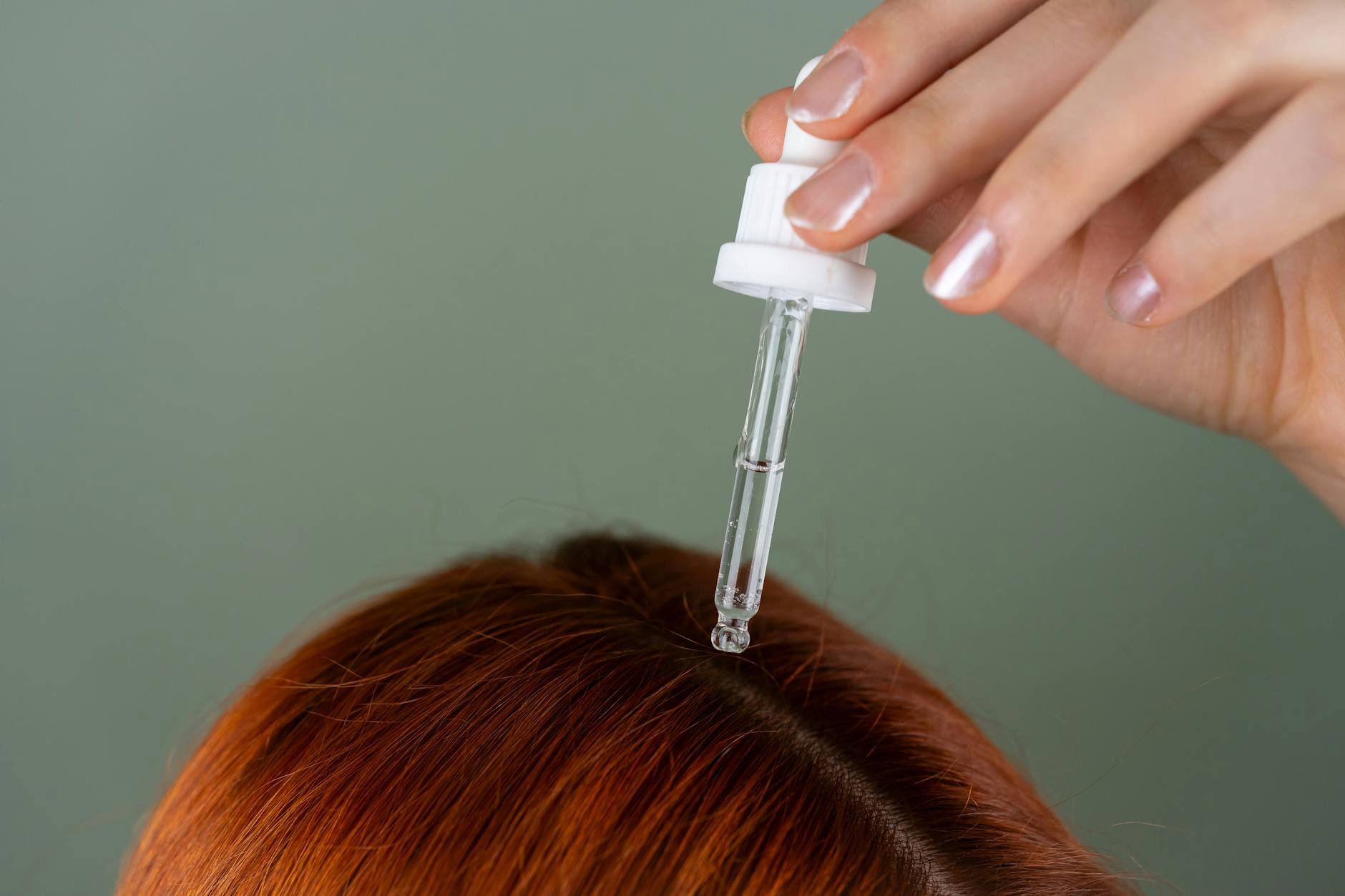
Tips that help: apply to a dry scalp, not the hair shafts. Part in rows so product hits skin. Let it dry before bedtime to reduce pillow transfer. If you also microneedle, don’t apply minoxidil for 24 hours after a session to avoid extra irritation. If you get itch or flakes, look for the foam (it skips propylene glycol). If facial fuzz worries you, spread less and keep the hairline clean.
Where to buy smart: generics at Canadian drugstores often match big‑brand performance. We see frequent bundle pricing on multi‑packs in our feed. Add your preferred strength to your GlamGeek wishlist and set an alert. It removes the guesswork and the store‑hopping.
Shampoos and serums: clean scalp, realistic claims
No shampoo grows hair. Wash‑off contact time limits what actives can do. But the right wash routine can help a treatment plan in two clear ways. It calms scalp inflammation that pushes follicles into rest. It reduces breakage so you keep the density you already have.
Look for targeted ingredients if you deal with flakes or itch. Ketoconazole and piroctone olamine fight yeast overgrowth and dandruff, which can ease inflammation around follicles. Salicylic acid loosens scale. A clean, comfortable scalp responds better to minoxidil and LLLT. Alternate the treatment wash with a gentle cleanser to protect your lengths.
Treat “growth” claims with caution. Caffeine shampoos show lab activity but weak real‑world regrowth in women. Peptide blends and fancy plant complexes promise a lot with little independent data. Rosemary oil has a small trial versus 2% minoxidil that suggests potential over six months, but sample sizes run small and formulas vary wildly. If you try an oil, dilute it well, patch test, and don’t mix it into your minoxidil.
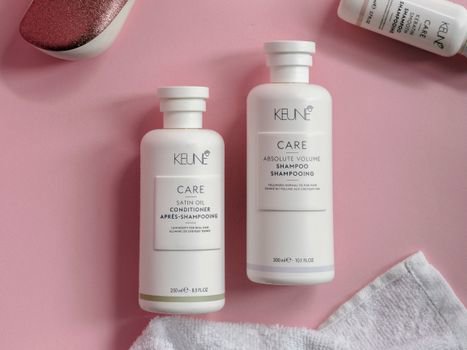
Focus your spend where it counts: pick a scalp‑friendly cleanser from brands you trust, and invest in conditioners and masks that reduce breakage. Shop our Moisturising & Nourishing Shampoos to build that base. If you love salon lines, compare across Kérastase and L'Oréal before you buy. If you prefer accessible pricing, shortlist Garnier and The Body Shop. Add picks to your wishlist and let price alerts do the work.
Microneedling and massage: small tools, careful technique
Microneedling creates micro‑channels that may stimulate growth factors and improve topical penetration. Studies in androgenetic hair loss show stronger results when women combine weekly microneedling with minoxidil versus minoxidil alone. The catch: you must respect the tool. Poor hygiene invites infection. Too‑long needles cause injury. Too‑frequent sessions inflame the scalp and backfire.
Keep it simple at home. Choose a 0.5 mm roller or a gentle stamp device. Cleanse the scalp, disinfect the tool with 70% isopropyl alcohol, and let it dry. Roll lightly in vertical and horizontal passes. Aim for once a week. Redness should fade within hours. Skip if your scalp flares, if you have eczema or psoriasis there, or if you see pustules. Replace rollers often; needles dull fast.
Don’t apply minoxidil immediately after a session. Wait 24 hours to reduce sting and irritation. If you plan to add an LED treatment the same day, use the cap before microneedling, not after. Massage also helps circulation and may support hair calibre. Gentle, daily scalp massage for a few minutes costs nothing and harms nothing. Oils can add slip, but patch test first and wash them out if they irritate.
Hormones, life stages, and when to see a doctor
Pattern thinning in women often follows hormonal shifts. Oestrogen supports anagen; levels drop in perimenopause and after birth. Androgens drive miniaturisation in genetically primed follicles. If your part widens, if your ponytail shrinks, or if you see scalp through the crown, you may face female pattern hair loss. Minoxidil helps. LLLT can support. Some women also discuss anti‑androgen options with a doctor.
Book medical input when the story feels sudden or severe. Diffuse shedding after an illness, childbirth, surgery, COVID, or a drastic diet points to telogen effluvium. That usually resolves over six to nine months once the trigger passes, but low ferritin or thyroid swings can prolong it. Ask for labs. Many women in Canada run low on iron and vitamin D through winter. Correcting those pays bigger dividends than another bottle of serum.
Doctors may consider prescriptions for certain cases. Low‑dose oral minoxidil, taken under supervision, shows promise for some women who can’t tolerate topical forms. Spironolactone appears in many dermatology plans for women with androgen‑driven thinning or acne, but it needs monitoring and isn’t suitable in pregnancy. Don’t buy pills online. Get a proper assessment first.
Nutrition and supplements: where to spend and where to skip
Hair is protein. Your body treats it as non‑essential. If you skimp on energy or protein, hair takes the hit. Aim for regular meals with lean protein, fibre, and healthy fats. Crash diets trade centimetres off the waist for centimetres off the ponytail months later. The timeline hides the cause, but the damage shows up.
Iron matters for many women. Low ferritin links to diffuse shedding. If you suspect this, ask your doctor for labs before you buy iron. Supplements help when you confirm deficiency; they also cause stomach upset and constipation for many women who guess. Vitamin D plays a supporting role. Omega‑3s support scalp comfort if you run flaky or inflamed.
Biotin sits on many “hair” labels, but it rarely moves the needle unless you’re deficient. It can also interfere with lab tests, including thyroid and cardiac markers. If you take a high‑dose hair blend, tell your doctor before any blood work. Saw palmetto shows mixed data as a DHT modulator; it carries hormonal effects and may not pair well with certain meds. Treat blends like medicines, not gummies.
Spend wisely: fund groceries first, then confirm gaps with tests, then pick targeted supplements. GlamGeek tracks sets and bundles, but pills without a proven need add cost and clutter. Your scalp and your wallet prefer a short, evidence‑led list.
Breakage versus loss: protect the hair you already have
Many women chase regrowth while daily habits snap fibres. In Canada, winter brings dry air and indoor heating that strips moisture and static‑charges hair. That makes ends brittle and mid‑lengths prone to white dots and splits. The fix looks boring but works. Lower heat settings. Move blow‑dryers further from the shaft. Add a proper leave‑in. Use conditioner every wash, even with fine hair, and rinse well.
Pick treatments that match your damage. Bond‑building masks help bleached hair hold together between trims. Protein treatments patch weak spots, but don’t overdo them on low‑porosity hair. Rich masks soften coarse textures and reduce friction. You’ll find options at every price point in our Moisturising & Nourishing Conditioners and Hair Masks categories. Compare salon picks from Kérastase with budget‑friendlier choices from L'Oréal and Garnier. Prices swing across retailers; a wishlist alert will catch dips without daily checking.
Protect the scalp from sun too. Parts burn, and sunburn triggers shedding weeks later. If you spend time outdoors, use a spray SPF on the part or wear a hat. You can explore options in our SPF Protection Products. Avoid heavy oils right on the part at midday; they behave like magnifying glasses in strong sun.
Handle hair like fabric. Detangle from the ends up. Swap tight elastics for spirals or silk scrunchies. Sleep on a smooth pillowcase to cut friction. These changes won’t regrow hair, but they keep density looking better while treatments work underneath.
{{IMAGE:woman using LED hair growth cap at home}}Extensions, styling, and camouflage without damage
You can feel better about your hair now while long‑term treatments build results. Pick low‑tension styles. Loose braids and soft clips beat tight buns and heavy high ponytails. If you love extensions, ask for methods that distribute weight and avoid fragile hairlines. Give the scalp rest days.
Root powders and fibres create the illusion of density fast. They reduce scalp show‑through along the part and around the crown. Choose a shade that matches your roots, tap lightly, and seal with a light mist. Wash them out before bed. If you colour, keep shades close to your base to reduce contrast at the scalp. Glosses and glazes add shine, which tricks the eye into seeing more body.
Pick tools that respect fibre health. Ceramic plates set at lower heat, round brushes with smooth bristles, and ionic dryers help you style with less harm. Use a heat protectant every single time. Heat damage accumulates; protection stacks too.
How to shop hair growth in Canada without overpaying
Regrowth takes time. Your budget needs to last as long as the biology. Build a two‑tier plan. Fund a proven baseline first. Then add higher‑ticket support if you have room.
Tier one covers daily minoxidil, a scalp‑friendly shampoo, and a strong conditioner or mask to reduce breakage. You can assemble this at any price point. Compare brands like Garnier and The Body Shop with salon lines such as Kérastase. Add your picks to a GlamGeek wishlist. We track prices across major Canadian retailers so you don’t need ten tabs open.
Tier two adds a vetted LED device or a microneedling tool. For LEDs, check device class, wavelength, density of diodes, warranty length, and return window. The Canadian sticker price often runs higher than in the US after duties. Don’t rush a cross‑border order that voids support. For microneedling, buy from a reputable seller and replace tools often. A cheap, dull roller costs more when it scratches your scalp.
Time your buys. Our feed shows more hair‑device promotions around major shopping events and end‑of‑season clears. Shampoos, masks, and serums rotate through promotions more often. Sets pack value if they include products you already planned to use. Use wishlist alerts to pounce on a dip, not on hype.
What this means: a calm, credible plan
You don’t need a twelve‑step routine. You need a plan that matches your trigger, respects hair biology, and fits a Canadian winter. Here’s a simple starting grid you can tailor with your doctor if needed.
- If your part widens and shedding becomes chronic, start minoxidil and commit for six months. Layer an LED cap if you can stick to the schedule. Photograph monthly for sanity.
- If you just had a baby or recovered from illness and shed in clumps, support the scalp and protect lengths. Ask for labs to check ferritin and vitamin D. Expect a six‑to‑nine‑month arc for recovery once triggers resolve.
- If flakes, itch, or scalp tenderness join the picture, rotate in a targeted shampoo. Keep the scalp calm so actives work. Avoid nails and harsh scrubs.
- If you colour or heat‑style, invest in a strong conditioner and a weekly mask. Prevent breakage while you work on regrowth under the surface.
- If styling stresses hairlines, loosen tension and use camouflage fibres when you want quick coverage. Healthy density beats tight hold.
Spend on what you’ll use daily. Delay the extras you’ll forget in a drawer. Use GlamGeek’s price comparison and wishlist alerts to buy at the right moment from Canadian retailers with clean returns. That removes guesswork and stops panic buys before they happen.
What’s your current hair growth plan, and where do you feel stuck—device, topical, or routine? Tell us what you want us to price‑watch next, and add your short‑list to your GlamGeek wishlist so we can flag the next deal as it lands.