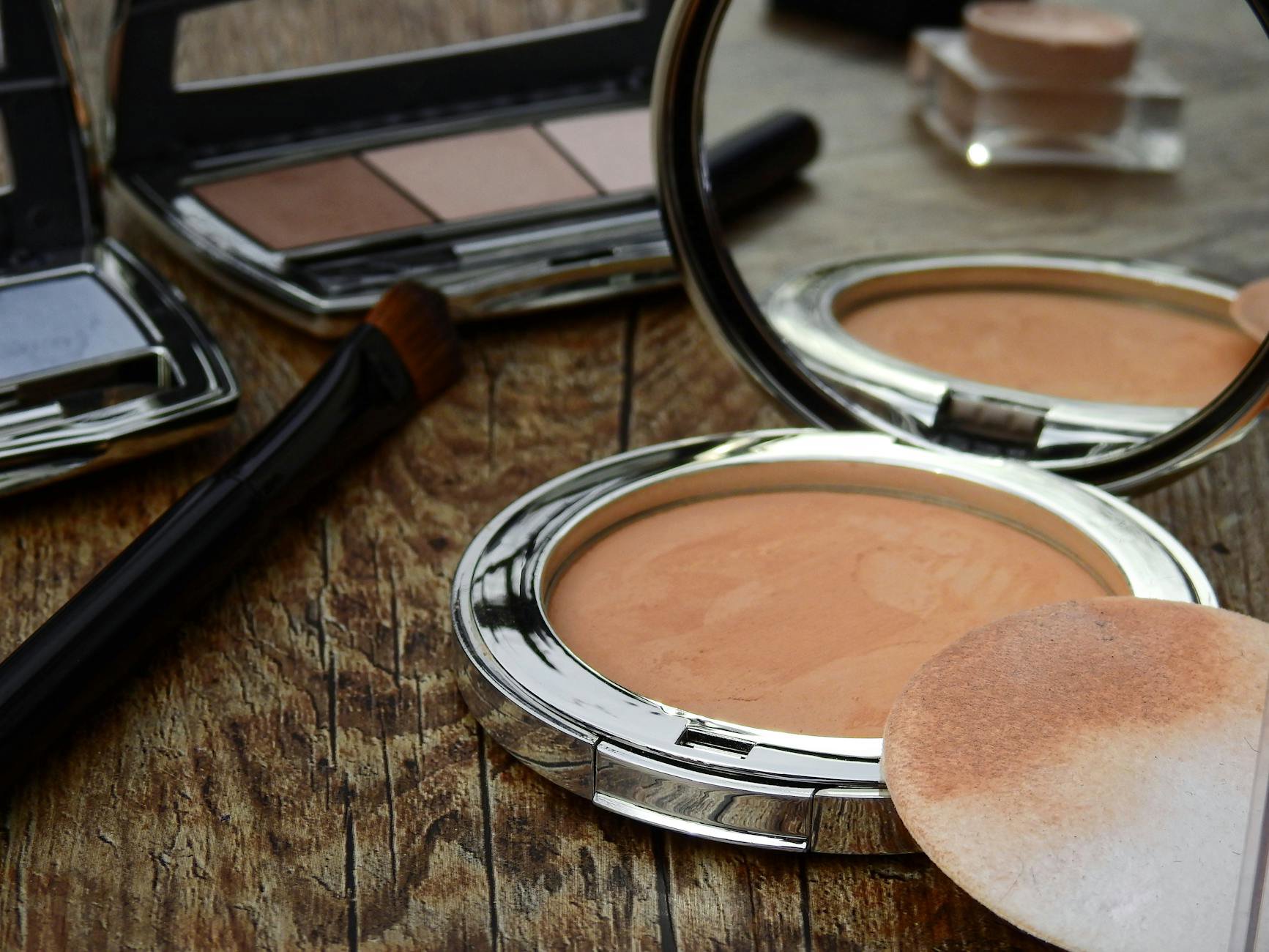
Canada’s drugstore makeup isn’t “good for the price” anymore. In several categories, it’s simply good—period.
The most useful signal in this week’s headlines isn’t a single hero product. It’s the pattern: multiple major outlets keep publishing “rivals high-end” roundups for blush, foundation, and lipsticks. When the same claim shows up across different editors and test panels, we treat it like a market shift, not hype.
Our take: if you’re still paying prestige prices for basics like blush, everyday foundation, and a comfortable lipstick, you’re often buying packaging and shade names. Not performance.
That doesn’t mean “always buy cheap.” It means you should be picky about where you spend—and use technique to make mid-priced formulas look expensive.
What the headlines get right (and what they skip)
Across the “secret drugstore blushes,” “drugstore foundations,” and “drugstore lipsticks” headlines, one idea keeps repeating: formulas have levelled up. Brands now copy the finish trends that used to belong to prestige—soft-focus blurs, skin-like satins, glossy balms, and long-wear stains.
We agree with the direction, but most lists skip Canada-specific friction. Shade availability differs at Shoppers Drug Mart versus Sephora Canada. Some US “drugstore” brands price closer to mid-range once you convert to C$, then add Canadian retailer markups. And Canadian winters punish certain textures in ways that a US test panel won’t catch.
So we’re committing to a Canada-first rule: buy drugstore makeup where the formula does the heavy lifting, and reserve prestige for categories where shade range, undertone nuance, and wear testing still win.
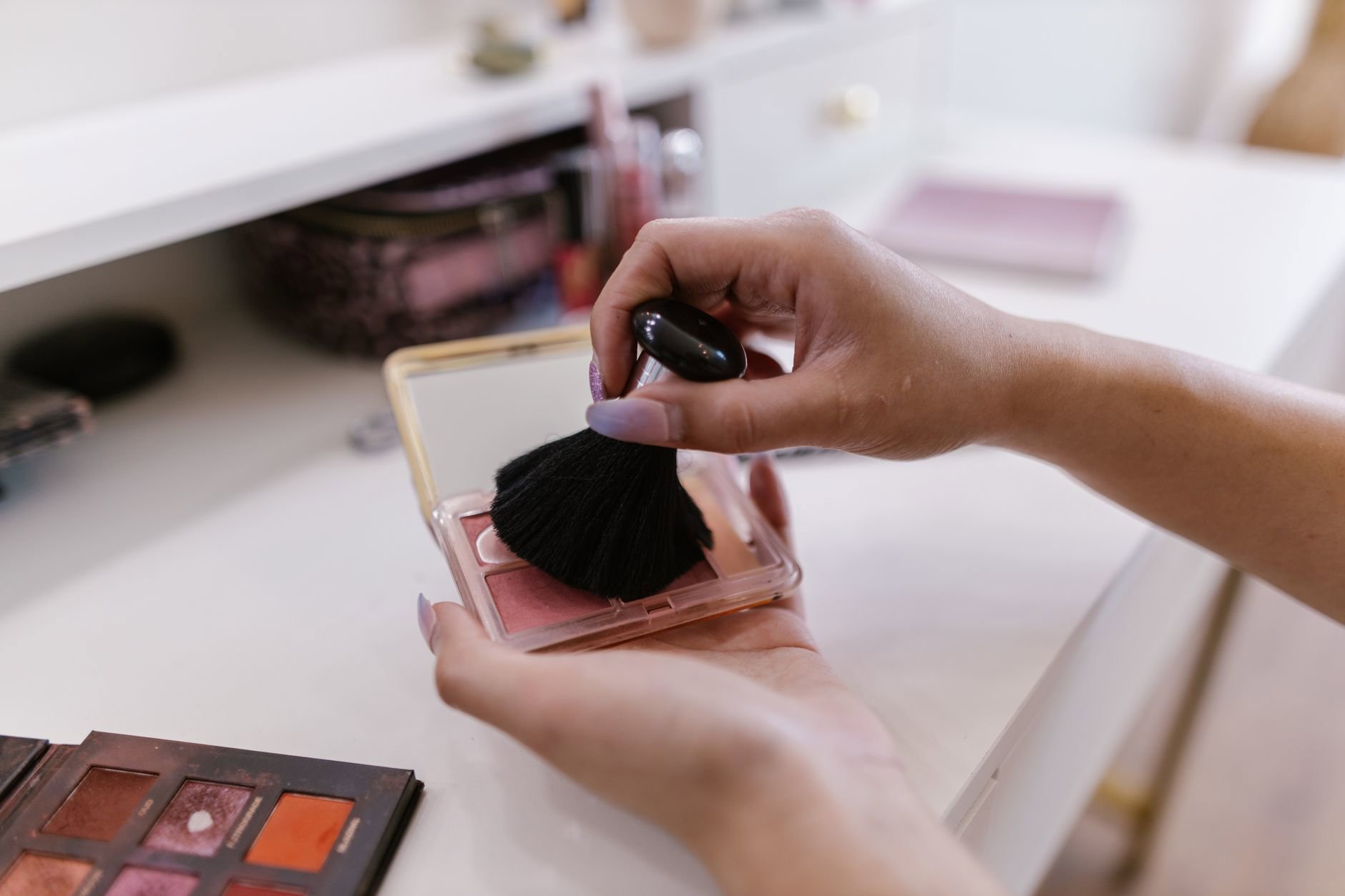
We’ll also say the quiet part out loud: if your skin runs dry from indoor heating, your base will look better when you prioritise prep. That matters more than whether the bottle came from a prestige counter.
Blush: the easiest place to save (if you pick the right finish)
Blush sits on top of skincare and foundation, which makes it forgiving. If a blush blends well and doesn’t go patchy, it can look luxe even when it costs less.
What to look for in Canada: powders that don’t read chalky in dry air, and creams that don’t lift base makeup when your cheeks get dehydrated. In cold months, we see more complaints tied to texture mismatch than to pigment quality.
Powder blush wins when you want longevity. Look for “baked,” “silky,” or “blur” language, and avoid ultra-matte powders if your cheeks get tight by mid-afternoon. A micro-fine powder layered lightly beats a thick cream blob every time.
Cream blush wins when you want a skin finish. The trick: apply it before you set your base. Tap it on with fingers or a dense brush, then set only where you get oily. If you powder your whole face first, many creams skip and grab.
Technique that makes any blush look pricier:
- Place higher than you think. Start at the top of the cheekbone, not the apple. It lifts without looking “done.”
- Use two tones. A muted shade first, then a brighter pop only on the highest point.
- Blur the edges with a clean brush. This removes the “stamp” effect fast.
- In winter, add a whisper of balm. Tap a tiny amount of non-sticky balm over the highest point for a natural sheen.
Where we’d still spend: if you struggle with blush turning orange or muddy, prestige lines often offer more nuanced undertones. If you’re chasing that “cool rosy, not purple” sweet spot, you may need the bigger shade architecture you’ll find at Charlotte Tilbury or similar ranges.
Foundation: drugstore can match coverage, but undertones still matter
Foundation is where “rivals high-end” becomes both true and misleading. Drugstore formulas now nail coverage, comfort, and even wear time. Undertone accuracy and shade breadth still split the market.
Our shopping lens: if you already know your shade family and you don’t sit in the hardest-to-match undertones, drugstore can absolutely satisfy. If you’ve spent years mixing shades, oxidising, or pulling pink or yellow unexpectedly, prestige counters still earn their keep.
Canada-specific issue: winter dehydration turns many long-wear foundations into texture spotlights. The fix often sits in your base routine, not the foundation aisle. Pair your foundation with a comfortable Day Face Moisturisers layer, then spot-prime only where you need it.
Our technique stack for a “high-end” finish with a drugstore base:
- Moisturiser, then wait 5 minutes. If you apply foundation on wet moisturiser, you risk pilling and patching.
- Use a thin first layer. Apply with a damp sponge or brush, then add coverage only where needed.
- Set strategically. Powder the centre of the face, not the whole perimeter.
- Finish with a light mist. A setting spray can melt powder into skin, which matters in dry indoor air.
Where drugstore struggles more often: very olive undertones, very deep shades with correct undertone balance, and truly neutral shades that don’t swing peach. If that’s you, you’ll usually do better in the Liquid Foundations section at Sephora Canada, where shade systems run wider.
Where we’d save: if you wear foundation only a few times a week, you can buy a simpler formula and invest in tools. A great sponge and a solid brush set often improve the finish more than an extra C$30 in bottle price.
Lipsticks: the drugstore sweet spot is comfort + pigment
Lip product innovation moved fast. Drugstore brands now produce comfortable bullets, glossy balms, and stains that perform like older prestige favourites.
Here’s the trade-off we see most: drugstore nails colour payoff and slip, while prestige more often nails the scent profile, casing, and shade nuance. If you care most about how it wears and feels, drugstore earns serious consideration.
When you shop lip in Canada, treat winter as a stress test. Indoor heating can turn a “soft matte” into a cracked outline by lunch. If your lips get dry, choose creamy satin, balm-stick hybrids, or top a matte with a thin layer of balm.
Three practical ways to make any lipstick look expensive:
- Blur the edge. Tap colour in with a fingertip, then sharpen only the cupid’s bow if you want definition.
- Use liner as a base. A neutral liner under lipstick improves wear and prevents feathering.
- Keep balm off the outer edge. Hydrate the centre, but avoid greasing the lip line.
- For long days, layer. Apply lipstick, blot, then apply a second thin coat.
If you want a curated edit, start by browsing Lipsticks and filter by finish, then check Canadian stockists. Shoppers Drug Mart often rotates displays, so availability can vary store to store even within the same city.
Where we’d spend: if you’re sensitive to fragrance, or you react to certain flavour oils, prestige lines sometimes offer better fragrance-free options. That’s not universal, but it’s more common.
Primers and setting: stop over-powdering Canadian winter skin
Many women blame foundation when the real issue is mismatched primer, too much powder, or setting spray used like hairspray.
In Canada, the air swings between freezing outdoor cold and dry indoor heat. That combination makes heavy setting routines backfire. Powder clings to dehydration, and silicone-heavy primers can pill over richer skincare.
We like a simple approach: pick one main goal, then build around it. If you want blur, use a blurring primer only in the T-zone. If you want hydration, skip primer and use moisturiser plus a light mist. If you want longevity, use a long-wear primer only where makeup breaks up.
Practical primer map:
- T-zone shine: apply a thin layer of mattifying primer between brows, sides of nose, and chin.
- Cheek texture: use a pore-blur primer only on the inner cheeks, not over peach fuzz-heavy areas.
- Dry perimeter: avoid primer and keep it moisturised.
- Under-eye: skip heavy primer; use a tiny amount of moisturiser and let it set.
If you want to shop by category, start with Face Primers, then match the primer type to your skin behaviour, not your skin “type.” Many women have an oily T-zone and dry cheeks in February.
Setting rule we stand by: use less powder than you think, then add more only if you get shiny. You can always build. You can’t un-cake.
Tools matter more than most upgrades (and they’re often the smarter spend)
When headlines push “dupes,” they often ignore the dull truth: application tools change results more than a small formula upgrade.
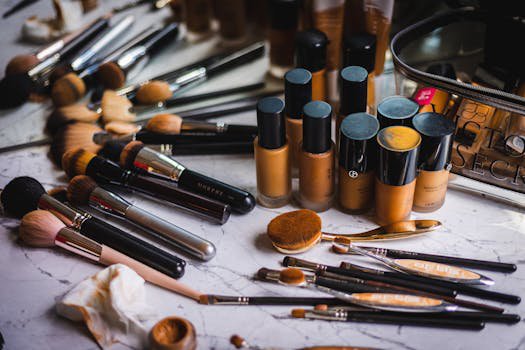
A dense brush can turn a mid-priced foundation into a smooth layer. A fluffy brush can rescue an over-pigmented blush. A clean sponge can erase edges and pull everything together.
What to buy first if you’re building a kit on a Canadian budget:
- One medium dense foundation brush for thin layers and targeted coverage.
- One damp sponge for pressing product into skin and softening edges.
- One fluffy powder brush so you don’t overload setting powder.
- One blush brush with a tapered edge for controlled placement.
Cleaning matters, especially in winter when skin can get reactive. Dirty brushes can worsen texture, and then you blame the base product. Keep it simple: wash weekly with gentle soap, and fully dry before use.
For browsing and price-checking, our readers often start in Makeup Brushes & Applicators and then compare what’s actually in stock at Canadian retailers. Sephora Canada carries a wide range, while Shoppers Drug Mart varies by location.
Where we’d skip spending: ultra-trendy tools that promise instant perfection. A solid brush and sponge pair covers most real-world makeup needs.
When to pay more: shade matching, sensitivities, and “problem” areas
We don’t buy into blanket “drugstore beats high-end” claims. Some areas still justify the spend, especially in Canada where returns can feel like a hassle.
Pay more when undertone precision decides the whole look. Concealer and foundation shades can make skin look fresh or flat in seconds. If you’ve never found a true match, prestige counters and broader shade systems save time and waste.
Pay more when your skin reacts easily. If you deal with stinging, redness, or flaky patches, you may need simpler formulas and better ingredient screening. That’s not exclusive to prestige, but prestige often offers more fragrance-free options and clearer positioning.
Pay more when you need wear you can’t babysit. Long event days, humid summer heat in parts of Canada, or a commute that swings temperatures can push some formulas past their comfort zone. In those cases, a higher-performing base plus simpler colour products can make sense.
Where we’d happily save: mascara and brow products, as long as they don’t smudge on you. Those categories turn over fast, and drugstore launches move quickly. If you want to browse, start with Mascaras and compare wand types rather than chasing hype.
Canada-first shopping rules: where to look, when to buy, what to avoid
Drugstore makeup value depends on timing. Canadian pricing swings with weekly promos, points events, and limited-time sets. If you buy randomly, you can pay close to mid-range pricing without noticing.
Our practical rules for Canadian retailers:
- Shoppers Drug Mart: great during points events and bonus redemption windows. Check in-store endcaps for unadvertised markdowns.
- Well.ca: strong for easy browsing and restocks, especially if you want to avoid store-to-store shade gaps.
- The Bay: better for prestige promos and gift-with-purchase cycles than for true drugstore steals.
- Sephora Canada: best when you need shade range, samples, and consistent stock. You often pay more, but you reduce trial-and-error waste.
Avoid these common “savings” traps:
- Buying two almost-right shades. That’s not a deal if you mix them every time.
- Chasing viral products with low Canadian stock. You’ll pay inflated prices or settle for the wrong shade.
- Overbuying backups. Many cream products change texture before you finish them.
- Ignoring return friction. If you hate returning items, you should spend more time shade-matching up front.
If you want to build a basket intelligently, start with one strong base, one blush, and one lip. Then fill gaps. Your routine should feel coherent, not like a drawer of almosts.
What this means for your makeup budget in 2026
The repeated “drugstore rivals high-end” headlines point to a real shift: brands now compete on finish and comfort, not just pigment. For Canadian shoppers, that opens up a smarter budget split.
Spend where your face makes products hard: shade match, undertone nuance, and sensitivity. Save where technique makes the difference: blush, lip colour, and many everyday staples. Then put a portion of the savings into tools and skin prep, because that’s what makes makeup read polished in Canada’s dry winter air.
One more practical takeaway: treat your purchases like a system. A hydrating base plus a long-wear matte foundation often fights itself. A blurring primer under a dewy tinted base can look stunning, but only where you apply it. Small decisions stack.
Tell us what you’re trying to replace
Which high-end item are you most tempted to swap for drugstore in Canada right now—blush, foundation, lipstick, or something else?
If you share your skin behaviour (oily T-zone, winter dryness, sensitivity) and the finish you want, we’ll point you to the most likely “save” categories—and the ones we’d keep premium.