Choose liquid foundation if you want flexible coverage, easier blending, and a finish you can steer from skin-like to full glam.
Choose powder foundation if you want speed, shine control, and a more “set” feel right away—especially in humid weather or on very oily skin.
Most people end up using both. But if you only buy one, the decision comes down to texture tolerance, how your skin behaves through the day, and how much control you want over coverage.
Liquid vs powder foundation: what actually changes on skin
Liquid and powder foundations can both even out tone. They just do it with different physics.
Liquid foundation uses a blend of water, oils, film-formers, and pigments. When it sets, it leaves a continuous layer that can flex with skin. That flexibility matters in Canada, where indoor heating and cold air can make skin look tight or flaky. A liquid base can sit more smoothly over texture because it doesn’t rely on dry particles to do the coverage work.
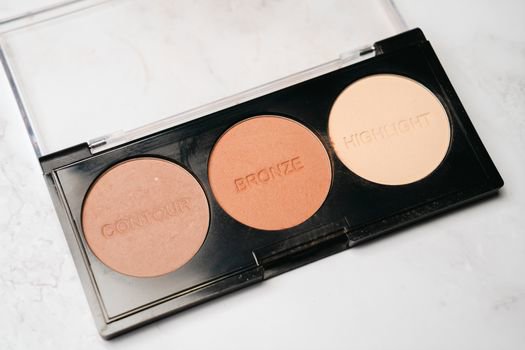
Powder foundation relies on finely milled pigments and absorbent powders that cling to skin and oil. It can look clean and polished fast. It can also emphasize dryness because powder sits on top of rough patches instead of melding into them.
Finish also behaves differently. Liquids can look radiant, satin, or matte depending on the formula and how you apply it. Powder tends to read more matte or “soft-focus” by default, because it scatters light.
One more difference: correction. Liquids can build coverage in thin layers without looking chalky. Powders often hit a ceiling faster—more layers can look heavy, especially on the cheeks and around the mouth.
Coverage + finish: which format gives the look you want
If your goal looks like “real skin, but better,” liquid foundation usually wins. You can sheer it out, spot-build, and keep some natural dimension.
If you want a true matte look, both formats can do it. Powder gives matte instantly. Liquid matte foundations take a minute to set, but they often look smoother because the pigments sit in a film rather than a dry layer.
From our Canadian merchant feed, the liquid foundations that shoppers most often cross-shop for finish control tend to sit in two camps: skin-like satins and long-wear mattes. These are the names that show up again and again in price tracking across Sephora Canada and department stores.
Liquid foundation picks (by finish goal)
- Long-wear, classic matte: Estée Lauder Double Wear Stay-in-Place Makeup (Liquid Foundation) — price varies by retailer in our feed. When readers want “won’t budge,” this is the benchmark we see compared most often.
- Soft-matte with a modern feel: Lancôme Teint Idole Ultra Wear Foundation (Liquid Foundation) — price varies by retailer. A frequent alternative when Double Wear feels too flat.
- Radiant-to-satin, polished: Charlotte Tilbury Airbrush Flawless Foundation (Liquid Foundation) — price varies by retailer. Often bought by shoppers who want coverage with a refined finish.
- Everyday skin-like: Clinique Even Better Makeup Foundation (Liquid Foundation) — price varies by retailer. Shows up in our data when shoppers prioritise comfort and an easy, “office-safe” finish.
Powder foundation can still look natural, but it takes a lighter hand. The minute you chase coverage with powder, texture shows up faster.
So if you know you will want to build coverage around redness, acne marks, or hyperpigmentation, liquid makes that easier.
Longevity: oil, sweat, and the Canadian seasonal reality
Powder foundation often wins the first hour. Liquid often wins the eighth.
Here’s why. Powder controls shine by absorbing oil. Once it saturates, it can start to separate or look patchy. Liquid long-wear formulas use film-formers that resist oil and movement, so the base can wear evenly even if your T-zone gets shiny.
In a Canadian winter, longevity problems often look like cracking, not sliding. That’s where liquid foundations with a more forgiving film tend to outperform powder. Powder can grip to drier areas (cheeks, jaw) while fading on the nose and chin.
In summer humidity, powder can feel simpler. But if you sweat or touch your face, a long-wear liquid can still hold up better—especially if you apply it thinly and let it set before adding any extra layers.
Liquid foundations we see compared for “all-day” wear
- Estée Lauder Double Wear Stay-in-Place Makeup (Liquid Foundation) — the long-wear reference point in many comparison baskets.
- MAC Studio Fix Fluid SPF 15 (Liquid Foundation) — frequently cross-shopped for wear time and a more traditional matte look.
- Shiseido Synchro Skin Self-Refreshing Foundation (Liquid Foundation) — often chosen by shoppers who want long wear without a heavy feel.
- Tarte Face Tape Foundation (Liquid Foundation) — appears in carts when shoppers want coverage that stays put.
One sentence that holds up: if your base breaks apart by lunch, you need either less product, more set time, or a different wear system. Powder can’t fix a liquid base that never set. And liquid can’t fix a powder base that’s overloaded.
Skin-type fit: who should lean liquid, who should lean powder
Skin type matters, but so does skin condition. A dehydrated oily skin behaves differently than a truly balanced one.
Dry or dehydrated skin: Liquid tends to sit better because it can lay down pigment without requiring oil absorption. Powder can cling to flakes and make fine lines look sharper. In our Canadian climate, this becomes more obvious from November to March.
Oily skin: Powder feels intuitive, and it can work well. But oily skin also breaks down heavy powder layers. Many people do better with a thin layer of long-wear liquid foundation and then targeted powder only where needed.
Combination skin: Liquid gives you more control. You can sheer out cheeks and build the T-zone, or the reverse if you flush easily.
Texture (pores, fine lines): Powder can blur from a distance, but it can also highlight texture up close. Liquids that dry down smoothly often look more even in natural light.
Liquid foundation options that tend to suit different skin behaviours
- Comfort-first, everyday wear: Clinique Even Better Makeup Foundation (Liquid Foundation).
- Balanced satin with polish: Guerlain L’Essentiel Natural Glow Foundation (Liquid Foundation) — a frequent “treat purchase” in higher price tiers.
- Long-wear matte for oil control: Estée Lauder Double Wear Stay-in-Place Makeup (Liquid Foundation).
- Affordable experimentation: L'Oréal Infallible 24H Fresh Wear Foundation (Liquid Foundation) — often easier to find at Shoppers Drug Mart than niche imports.
We’d also flag a practical point for Canada: if you live with indoor heating, powder-only base routines often need mid-day touch-ups that add more texture. A liquid base that wears evenly can reduce that cycle.
Application: how to get liquid to behave like powder (and vice versa)
Technique changes the result as much as the formula.
Want a powder-like finish from liquid? Use less product, apply in thin layers, and let it set before you add anything else. Many “too shiny” complaints trace back to over-application.
Want a liquid-like finish from powder? Keep powder layers very sheer, and press rather than buff. Buffing tends to lift product and emphasise texture.
A step-by-step liquid routine for a more powder-style look
- Start with thin coverage: Use a small amount of liquid foundation and spread it from the centre outward. Keep edges sheer.
- Build only where needed: Add a second micro-layer on redness or discolouration. Avoid piling product on the nose folds and around the mouth.
- Give it time: Wait 60–120 seconds so the film can set. Touching too soon causes streaking and patchiness.
- Targeted set (optional): If you must set, focus on the T-zone only. Leave cheeks alone if they run dry.
If you want the most forgiving liquid application window, mid-coverage satins usually blend longer. Long-wear mattes lock faster.
In our price tracking, shoppers who want that “locked-in” feel often start with MAC Studio Fix Fluid SPF 15 (Liquid Foundation) or Lancôme Teint Idole Ultra Wear (Liquid Foundation). People who want more blend time often compare Clinique Even Better (Liquid Foundation) with other comfort-first options.
Ingredients and formula structure: what to look for on the box
Marketing loves vague promises. Ingredient structure tells you more.
Liquids usually rely on three pillars: pigments (coverage), emollients (slip), and film-formers (wear). If a liquid foundation wears well, a film-former system usually drives that. If it feels comfortable, the emollient blend matters more.
Powders rely on absorbent powders and binders. That’s why they excel at instant shine control but can feel dry.
We can’t verify every ingredient claim for every product without brand-provided lists in the feed. But you can still shop smarter by reading for the type of promise: “long-wear” often signals stronger film formation, while “glow” often signals more emollient slip or light-reflecting pigments.
How that shows up in real liquid foundation shopping
- If you want transfer resistance: prioritise long-wear liquids that shoppers consistently buy for durability, like Estée Lauder Double Wear Stay-in-Place Makeup (Liquid Foundation) or Lancôme Teint Idole Ultra Wear (Liquid Foundation).
- If you want a softer, more flexible feel: look at formulas positioned as skin-like or natural finish, such as Clinique Even Better Makeup Foundation (Liquid Foundation).
- If you want a polished high-coverage look: shoppers often compare Charlotte Tilbury Airbrush Flawless Foundation (Liquid Foundation) with other full-coverage liquids.
- If you want value in Canada: drugstore liquids like L'Oréal Infallible 24H Fresh Wear Foundation (Liquid Foundation) often price more consistently across retailers than prestige launches.
One caution. If your skin reacts easily, “more wear” can mean “more chance of feeling tight.” When that happens, switching from powder to a flexible liquid base often improves comfort without giving up coverage.
What to buy in Canada: liquid foundation picks by scenario
Canadian availability changes the best choice. Some viral US launches take months to land at Sephora Canada, and sometimes they never do. We see shoppers default to the reliable staples because they can actually restock them.
These picks stick to liquid foundations that Canadian shoppers commonly compare across major retailers like Sephora Canada and Shoppers Drug Mart. For deal-hunting, GlamGeek price tracking often shows that the same shade can swing depending on retailer promos and points events, so it pays to check before you restock.
Liquid foundation short list (choose your use case)
- All-day meetings, minimal touch-ups: Estée Lauder Double Wear Stay-in-Place Makeup (Liquid Foundation).
- Long wear, but a bit more modern-looking: Shiseido Synchro Skin Self-Refreshing Foundation (Liquid Foundation).
- Everyday reliable, comfortable finish: Clinique Even Better Makeup Foundation (Liquid Foundation).
- Full coverage with a refined finish: Charlotte Tilbury Airbrush Flawless Foundation (Liquid Foundation).
- Budget-friendly, easy to find at Shoppers: L'Oréal Infallible 24H Fresh Wear Foundation (Liquid Foundation).
- Pro-leaning staple with a classic feel: MAC Studio Fix Fluid SPF 15 (Liquid Foundation).
Where to shop matters, too. Sephora Canada usually carries the broadest shade ranges for prestige. Shoppers Drug Mart wins for convenience and points on drugstore staples. The Bay can surprise with promos on prestige brands.
If you already own powder foundation and you want to “convert” without wasting money, start with a liquid that matches your goal: long-wear matte if your powder worked for oil control, or satin if your powder always looked dry.
Practical tips: decide in 2 minutes, then apply without regret
If you feel stuck between liquid and powder, answer these four questions:
- Do you get flaky around the mouth or cheeks? If yes, lean liquid.
- Do you need quick touch-ups at work or school? Powder wins for portability, but a long-wear liquid can reduce touch-ups.
- Do you hate feeling product on your skin? Powder can feel lighter, but thin liquid layers can feel weightless once set.
- Do you want coverage that builds? Liquid usually builds more cleanly.
Then apply like this: use less than you think, keep the outer perimeter sheer, and build only where discolouration shows. That method makes liquid foundation look modern and keeps it from turning into a mask.
If you want one safe starting point for most Canadian skin days, we’d pick a skin-like liquid in a flexible finish, then adjust with targeted setting where you get shine. When you want maximum wear, switch to a long-wear liquid rather than adding more layers.
Still deciding between liquid and powder for your skin type and routine? Tell us what you want most—shine control, coverage, or comfort—and which retailer you shop (Sephora Canada, Shoppers, or The Bay), and we’ll point you to the closest-match liquid foundation from the list above.