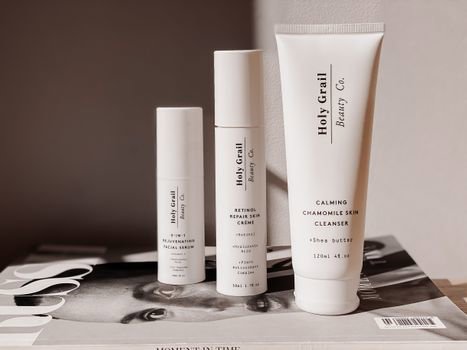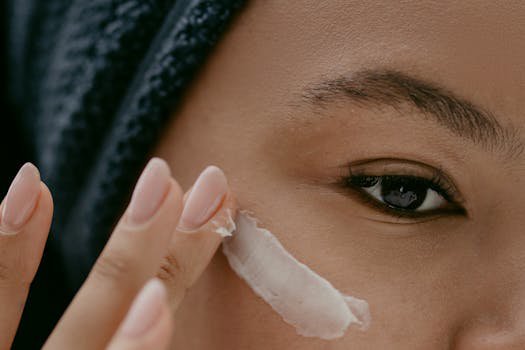
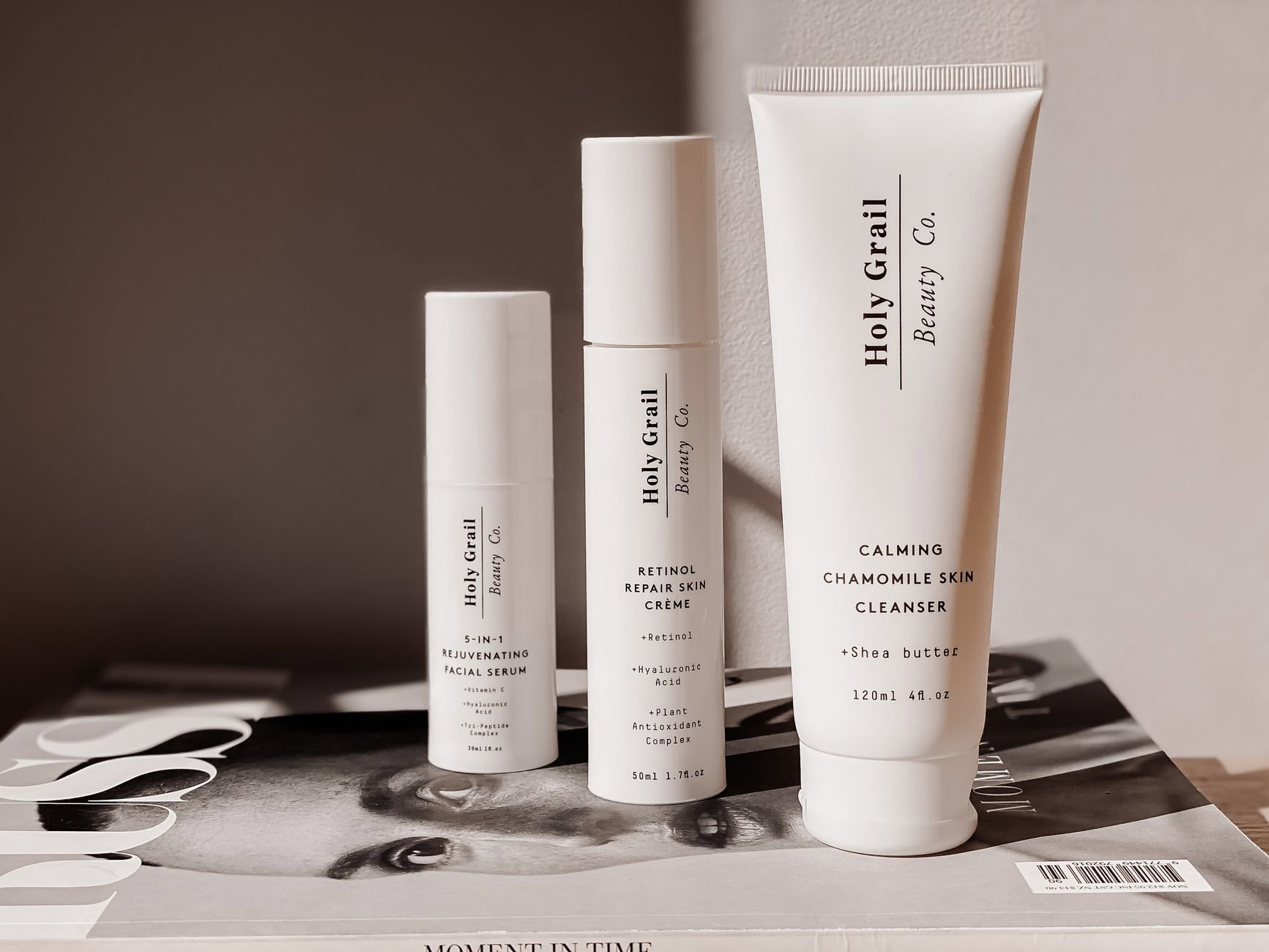
Retinol eye cream can soften the look of fine lines, improve under-eye texture, and make the area look a bit brighter over time.
It can also irritate the eye area fast if you treat it like a regular face retinoid. The skin here runs thin, movement-heavy, and prone to dryness in Canadian winters.
This guide breaks down what retinol eye creams actually do, who should (and shouldn’t) start, and how to build a routine that keeps results while avoiding the classic red, flaky “why did we do this” phase.
What retinol eye creams actually do (and what they don’t)
Retinol sits in the vitamin A family. In skin care terms, it targets visible signs of ageing by supporting smoother-looking texture and a more even look over time. Around the eyes, that usually means fine lines, crepiness, and dullness.
It does not “erase” genetic dark circles. It also won’t fix under-eye hollowing. Those come from anatomy, not surface skin behaviour. Some people see a brighter look when texture improves, but that differs from person to person.
Under-eye puffiness also sits in a different bucket. You can reduce the look of puffiness when you reduce irritation and dryness, but retinol does not drain fluid or change sinus structure.
What retinol can do well: make the surface look smoother so concealer sits better. The payoff tends to show in weeks, not days.
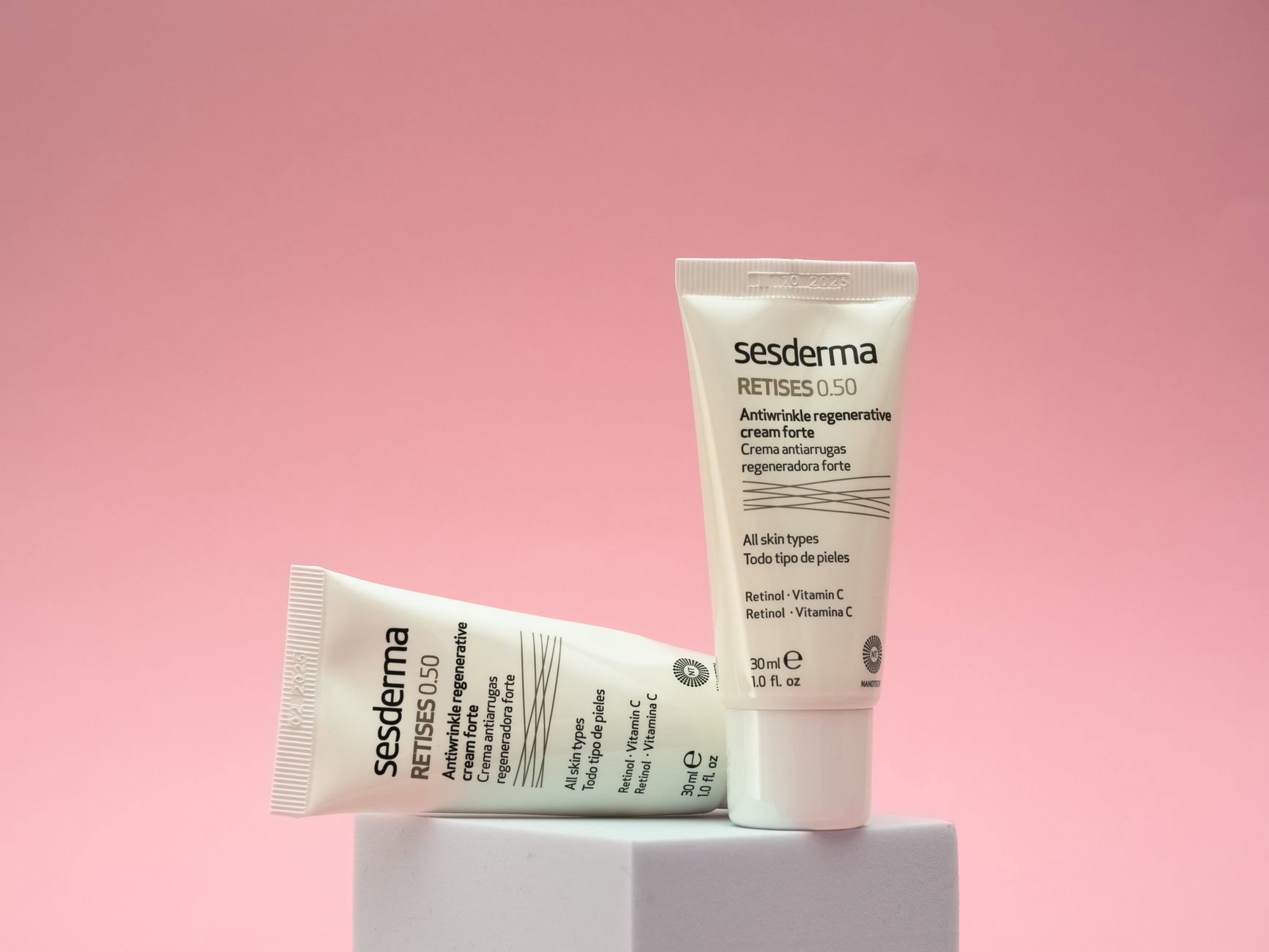
Who retinol eye cream works best for (and who should pause)
Retinol eye cream suits people who notice early fine lines when they smile, or that “paper-dry” look that makes the area seem older than the rest of the face. It also suits people who wear concealer and see it crack or cling.
If you already tolerate retinoids on the face, you still need a slower ramp for the eye area. The margin for error stays small.
We suggest pausing or going extra cautious if you deal with:
- Very reactive skin or frequent eczema flares around the eyes
- Ongoing stinging from many products
- Recent eye procedures, peels, or in-office treatments near the orbital area
- Chronic dryness that worsens in winter with indoor heating
Also, do not treat “stronger” as “better.” With retinol, consistency beats intensity. Every time.
Picking the right retinol eye cream: what to look for on the shelf
Retinol eye creams differ most in two ways: how aggressive they feel, and how supportive the base formula runs. The base matters because dryness drives most drop-outs.
When you browse options from brands we track—like Clinique, Shiseido, Estée Lauder, and Lancôme—focus on the product being clearly positioned as an eye cream. Avoid “do-it-all” face retinol products near the lash line unless a brand explicitly labels it safe for eyes.
We also look at how retailers price them in Canada. Our price tracker often shows a noticeable Canadian premium versus the US on prestige eye care, so it pays to watch for promos at Sephora Canada, Shoppers Drug Mart, and The Bay.
From the eye-cream options that routinely show up in Canadian merchant feeds, these are the retinol-labelled staples readers usually compare:
- RoC Retinol Correxion Line Smoothing Eye Cream (often the budget benchmark when available in Canada)
- Dr. Dennis Gross Advanced Retinol + Ferulic Triple Correction Eye Serum (a higher-cost, active-forward option)
- Shiseido Benefiance Wrinkle Smoothing Eye Cream (premium, cushiony textures people often choose for dryness)
- Clinique Smart Clinical Repair Wrinkle Correcting Eye Cream (a common pick for those who prefer fragrance-light, brand-conservative formulas)
Exact pricing changes by retailer and promo cycle. Only trust current numbers when you check the product page in our comparison listings or at merchants like Well.ca and Shoppers.
How to introduce retinol eye cream without irritation
Most irritation comes from three mistakes: too much product, too often, too close to the lash line. Fix those, and retinol becomes far easier to stick with.
Use this ramp-up plan. It fits most beginners and respects winter dryness.
Step-by-step (beginner-safe schedule)
- Week 1–2: Apply two nights per week only.
- Week 3–4: Move to every other night if you see no stinging or flaking.
- Week 5+: Increase to most nights only if the area stays comfortable.
- Any week: If you peel or sting, drop back one step for 10–14 days.
Amount matters. Use a grain-of-rice total for both eyes. Dot it along the orbital bone, then tap gently. The product migrates with warmth. You do not need to paint it up to the lashes.
Timing matters too. Apply on fully dry skin. Water on the skin can increase penetration and make irritation more likely.
And yes, you can buffer. If you know you run dry, apply a thin layer of a non-active eye cream first, then retinol eye cream, then another thin layer of the plain eye cream. Keep the sandwich light so it doesn’t pill under makeup.
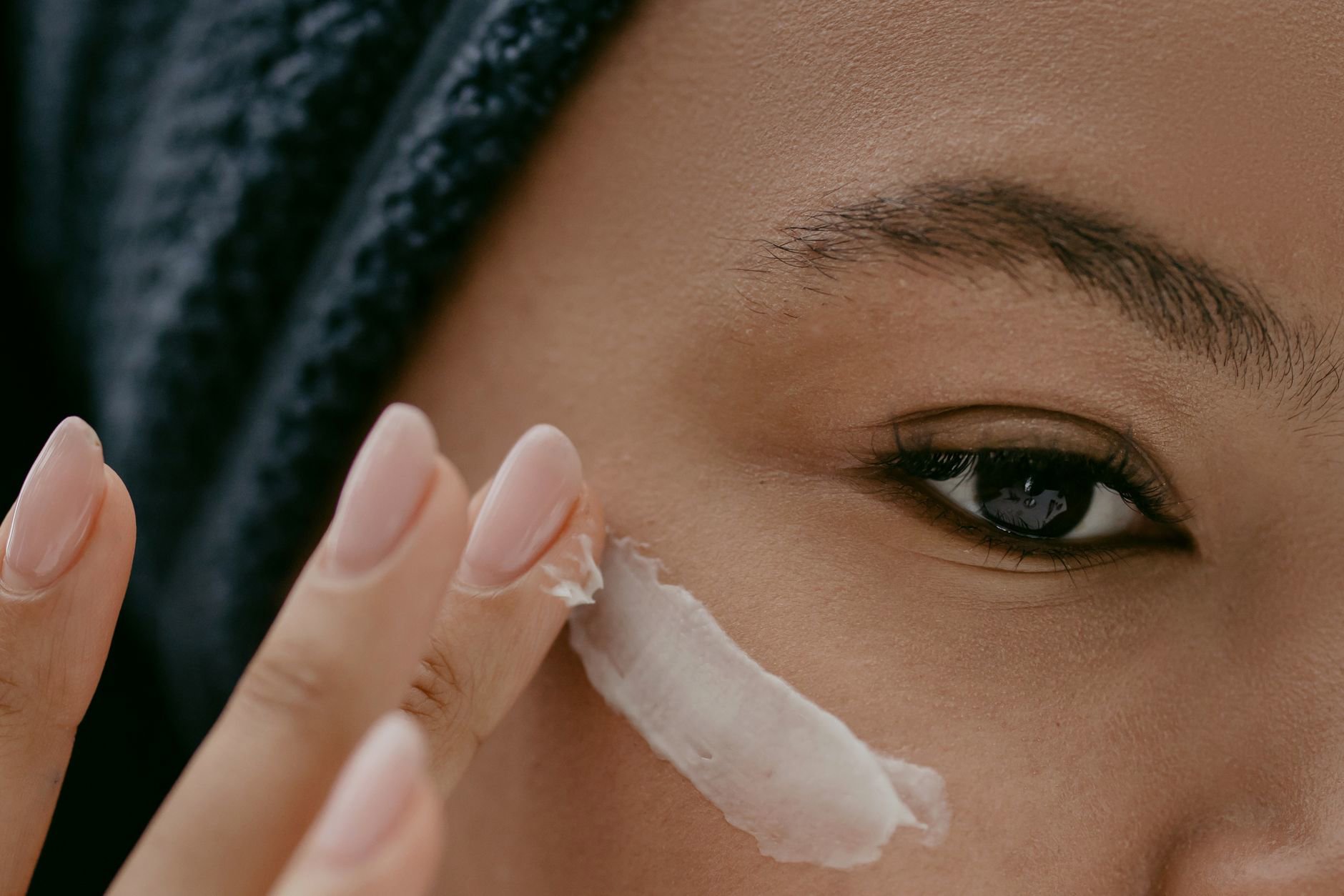
Pairing and avoiding: what helps retinol work better around eyes
Retinol eye cream performs best when the rest of the eye routine stays boring. Fewer actives. More comfort. That sounds unsexy, but it keeps you consistent.
On retinol nights, pair with hydration-focused, non-stinging basics. Many shoppers lean toward classic eye creams from Clarins, Lancôme, or Estée Lauder when they want a richer feel, then keep retinol frequency low.
What to avoid in the same eye-area routine depends on your tolerance. In general, these combos raise the odds of dryness or burning:
- Strong exfoliating acids placed close to the eye area
- Multiple retinoid products layered in the same zone
- High-fragrance formulas if you already sting easily
- Over-cleansing or rubbing off makeup aggressively
Morning matters as much as night. Retinoids make skin more sun-sensitive, and the eye area already shows sun damage quickly. Use sun protection daily. If you want a deeper read on sun care categories, our SPF Protection Products hub explains the basics, but keep actives near the eye conservative.
One more Canadian reality: indoor heat plus wind burn can mimic “retinol irritation.” If your under-eyes feel tight in January, reduce frequency before you assume the product “doesn’t work.”
Results timeline: what to expect week by week
Retinol eye cream rewards patience. Most people quit right before the visible payoff.
Here’s the realistic timeline we share when readers ask what “working” looks like:
- First 1–2 weeks: You might feel mild dryness. You should not feel sharp burning.
- Weeks 3–6: Texture often starts to look smoother. Makeup may sit better.
- Weeks 8–12: Fine lines can look softer in consistent lighting. Some people see a brighter look.
- 3+ months: This becomes maintenance. Consistency keeps gains.
Take photos in the same spot, same time of day, same lighting. Eyes trick people because puffiness and sleep change daily.
If you see peeling that lasts more than two weeks, treat that as a signal to slow down. Results come from staying in the “tolerable” zone.
Also, don’t judge a retinol eye cream by how “strong” it feels. Strong often means irritated, not effective.
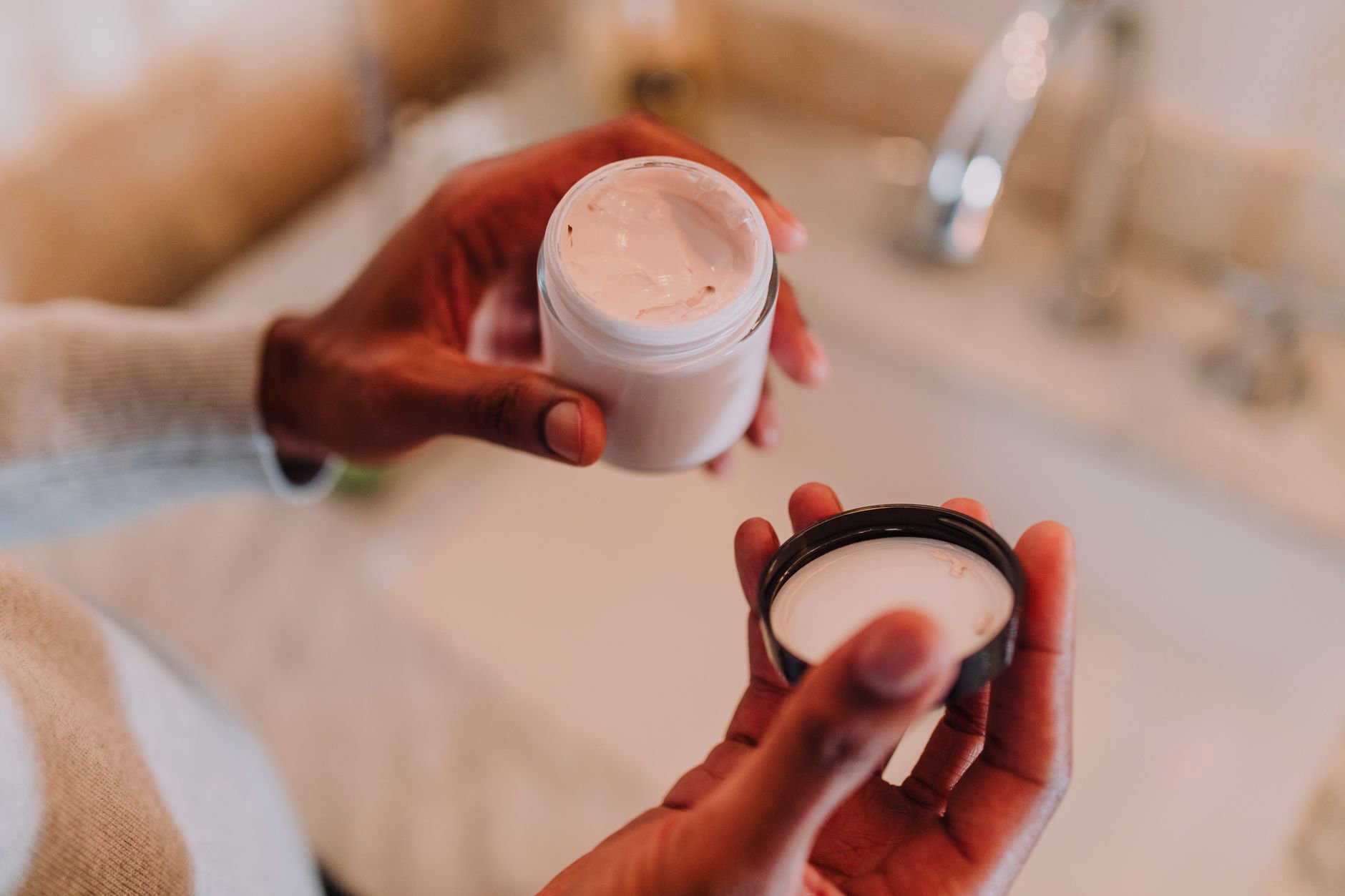
Product picks (from our tracked eye-cream staples) and how to choose
Because this is a retinol-specific guide, the key decision sits between a dedicated retinol eye cream and a gentler anti-ageing eye cream that still targets lines through other technologies. Both routes can make sense.
If you want a straightforward, retinol-led option, shoppers most often compare RoC Retinol Correxion Line Smoothing Eye Cream and Dr. Dennis Gross Advanced Retinol + Ferulic Triple Correction Eye Serum. RoC tends to play the “accessible price” role when Canadian stock appears through mass retailers. Dr. Dennis Gross tends to sit in the prestige bracket and gets chosen by readers who already tolerate actives.
If dryness drives your under-eye concerns, many people opt for a cushier eye cream first, then add retinol slowly. In that lane, Shiseido Benefiance Wrinkle Smoothing Eye Cream and Clinique Smart Clinical Repair Wrinkle Correcting Eye Cream come up frequently in Canadian carts. They often show up at Sephora Canada and department store promos at The Bay.
We avoid pretending every eye cream suits everyone. Use these filters instead:
- New to retinoids: Choose the most conservative retinol eye cream you can tolerate, and start twice weekly.
- Dry, heated-home winters: Prioritize richer textures and buffer retinol.
- Makeup wearer: Pick formulas that sit well under concealer and avoid heavy layering.
- Value-focused: Watch Shoppers Drug Mart and Well.ca for discount cycles and multipliers.
If you want to browse by brand, our directories for Shiseido, Clinique, and Estée Lauder help you compare sizes and retailers without bouncing between tabs.
Practical safety checklist for everyday use
Retinol eye cream becomes safe when you treat it like a long-term habit, not an overnight fix.
Keep this checklist and you will avoid most problems:
- Apply at night and keep it off the lash line and inner corners.
- Use less than you think; a grain-of-rice total covers both eyes.
- Wait for dry skin after cleansing to reduce sting.
- Stop if your eyes water or you feel persistent burning; irritation can migrate into the eye.
- Don’t “push through” peeling that lasts more than two weeks.
- Use daily sun protection and reapply when outdoors.
One simple trick: keep retinol eye cream on the far side of your routine so you don’t accidentally layer extra actives over it. If you use other categories like Anti Ageing Face Serums or Face Exfoliants, apply them well away from the orbital area on retinol nights.
Finally, store products properly. Heat and light can degrade actives. A cool drawer beats a sunny windowsill.
Want us to narrow this down? Tell us your age range, dryness level (low/medium/high), and whether you wear concealer daily, and we’ll point you to the most sensible retinol eye cream route from the products we track in Canada.