“Drugstore products that rival high-end” isn’t a trend anymore. It’s a business model.
The headlines keep repeating the same promise: secret blushes, foundations that “rival” luxury, and bronzers that fake a holiday glow for pocket change. Chatelaine’s angle—how to find skincare dupes that actually work—is the only one that matters, because a dupe that performs badly is not a deal. It’s a reset button on your routine.
Our take: in Canada, the best dupes don’t come from wishful thinking or a viral list. They come from reading ingredient decks like a label detective, understanding which textures copy performance, and shopping around retailers that price differently week to week.
Why dupes hit differently in Canada (and why the wrong ones sting)
Canada adds two layers of pressure: a real price premium and a real climate penalty.
On pricing, we regularly see Canadian MSRPs land higher than the US once exchange, distribution, and retailer margins stack up. That means the temptation to “just find a dupe” rises fast when you compare a cart at Sephora Canada with what you see on US TikTok.
On climate, cold winters plus indoor heating push transepidermal water loss up. That makes barrier support less of a “nice to have” and more like routine insurance. A dupe that swaps in harsher surfactants, more alcohol, or a lighter moisturiser base can look fine on paper and still leave skin tight by week two.
So we don’t treat dupes as a vibe. We treat them as a checklist.

Dupe science 101: match the job, not the brand story
A good dupe matches the functional job of the product. That job usually comes down to four things: the active(s), the vehicle, the finish, and the tolerability profile.
Actives: For skincare, start with the active and its likely effective range. Niacinamide shows up everywhere, but 2–5% often delivers the comfort and oil-control benefits with fewer “why is my face stinging?” moments than higher loads. Vitamin C matters even more: L-ascorbic acid needs supportive formulation choices (pH, stabilisers, packaging) to stay potent, while derivatives trade punch for stability.
Vehicle: Two products can share the same hero ingredient and feel totally different. A silicone-heavy base blurs and grips makeup. A watery gel spreads fast but can pill if you layer. For Canadian winter, a ceramide product in a richer emulsion often outperforms a gel version, even if the ingredient list looks similar.
Finish: “Dewy” can mean oil, glycerin, mica, or just a film former. If you want a dupe, you need to know which one you’re actually reacting to. Makeup dupes often fail here: the pigment may match, but the finish doesn’t.
Tolerability: Fragrance, essential oils, denatured alcohol, and aggressive exfoliant blends change the experience. If your “dupe” adds those, it’s not a dupe. It’s a different product with the same marketing target.
Skincare dupes: the ingredient checklist that keeps you out of trouble
If we could give Canadian shoppers one rule, it’s this: don’t dupe your prescription-strength results. Dupe your supporting steps.
Supporting steps include cleansers, hydrators, basic moisturisers, and sunscreen textures that you’ll actually wear. Those are the categories where drugstore formulas can compete, and where shopping smart frees up budget for one “hero” active.
Here’s the checklist we use when we evaluate whether a skincare dupe even deserves a patch test:
- Same active, same format: “Retinol” can mean retinol, retinal, or a retinoid ester. “Hyaluronic acid” can mean sodium hyaluronate at different molecular weights. Match the words.
- Look for the support crew: For barrier products, scan for ceramides, cholesterol, and fatty acids, plus humectants like glycerin. A ceramide claim without the supporting lipids often underwhelms in dry Canadian winters.
- Check irritant flags: If your reference product is fragrance-free and the “dupe” adds parfum plus citrus oils, expect a different outcome.
- Packaging matters: Vitamin C and retinoids do better in opaque, air-restrictive packaging. A clear dropper can turn a “dupe” into an oxidation experiment.
Where to shop: we see broad selection across skin care at Shoppers Drug Mart and Well.ca, while Sephora Canada stays the go-to for specific textures and newer launches. The Bay can surprise on promotions, especially when you’re buying sets.
Foundation “rivals” and the Canada test: undertone + wear in dry air
Allure’s “drugstore foundations that rival high-end” headline lands because foundation is where price gaps feel personal. If it oxidises, clings, or separates, you notice every time you pass a mirror.
For Canadian conditions, we rate foundations by two performance traits that don’t show up in influencer swatches: undertone accuracy in indirect light and wear in dry indoor air.
Undertone accuracy: Winter daylight plus office lighting can make a “neutral” foundation pull peach or grey. When you dupe a high-end base, don’t match depth first. Match undertone family first. If you can, test along the jaw and check it outside and near a window.
Wear in dry air: Indoor heating can make long-wear formulas cling around the mouth and nose. If you love a soft-matte luxury base, your best dupe often comes from a drugstore formula that uses a similar silicone-and-film-former structure. If the dupe leans heavily on alcohol for “fast dry,” it may look great at hour one and rough at hour six.
Technique matters as much as product. For a dupe foundation to behave like a premium one, apply in thin layers, press (don’t rub) over textured areas, and set only where you crease. You can browse comparable finishes by starting with our Liquid Foundations category and filtering by finish and wear claims, then cross-checking ingredient lists.
Blush dupes: why “rival” usually means pigment, not blend
Who What Wear’s “secret drugstore blushes” headline nails the reality: blush is the category where drugstore can look shockingly close in a 10-second clip.
The catch sits in the word blend. High-end blushes often earn their price by how finely they mill pigment and how they suspend it in binders that diffuse edges. A dupe can match the shade but still stamp or skip on drier cheeks.
Here’s how we suggest Canadian readers shop blush dupes without ending up with a drawer of “almost”:
- Powder blush: If you have winter dryness, look for talc alternatives or powders that include emollient binders (often listed as esters). Avoid very chalky formulas if you already use a matte base.
- Cream blush: Match the base type. A wax-heavy stick blush won’t dupe a serum-like liquid. If you want that “skin” finish, look for dimethicone plus lightweight emollients.
- Colour logic: If your high-end favourite is a muted rose, don’t chase a bright coral dupe and hope it sheers out. Muted tones rely on balanced pigment blends.
- Application: Use a dense brush for creams (pressing), and a fluffy brush for powders (buffing). That single switch can make a cheaper formula look more expensive.
We also like blush as a “budget swap” category because it frees money for complexion tools. A mid-priced set of Makeup Brushes & Applicators can improve every blush you already own.
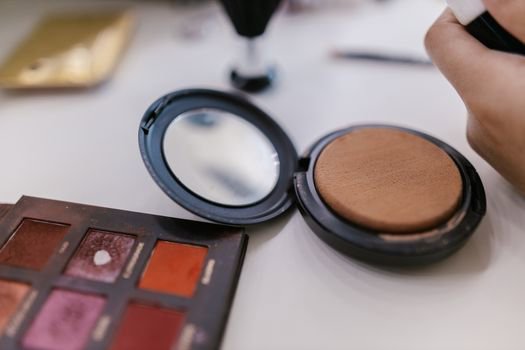
Bronzer dupes: the $12 glow problem is usually undertone, not price
Marie Claire’s bronzer headline works because bronzer sits at the intersection of colour and fantasy. The dupe trap comes from undertone mismatch.
In Canada, bronzer also has a seasonal split. In winter, many women lean paler and cooler. In summer, more warmth shows up. A “perfect” bronzer in July can read orange in February.
How we recommend choosing a bronzer dupe:
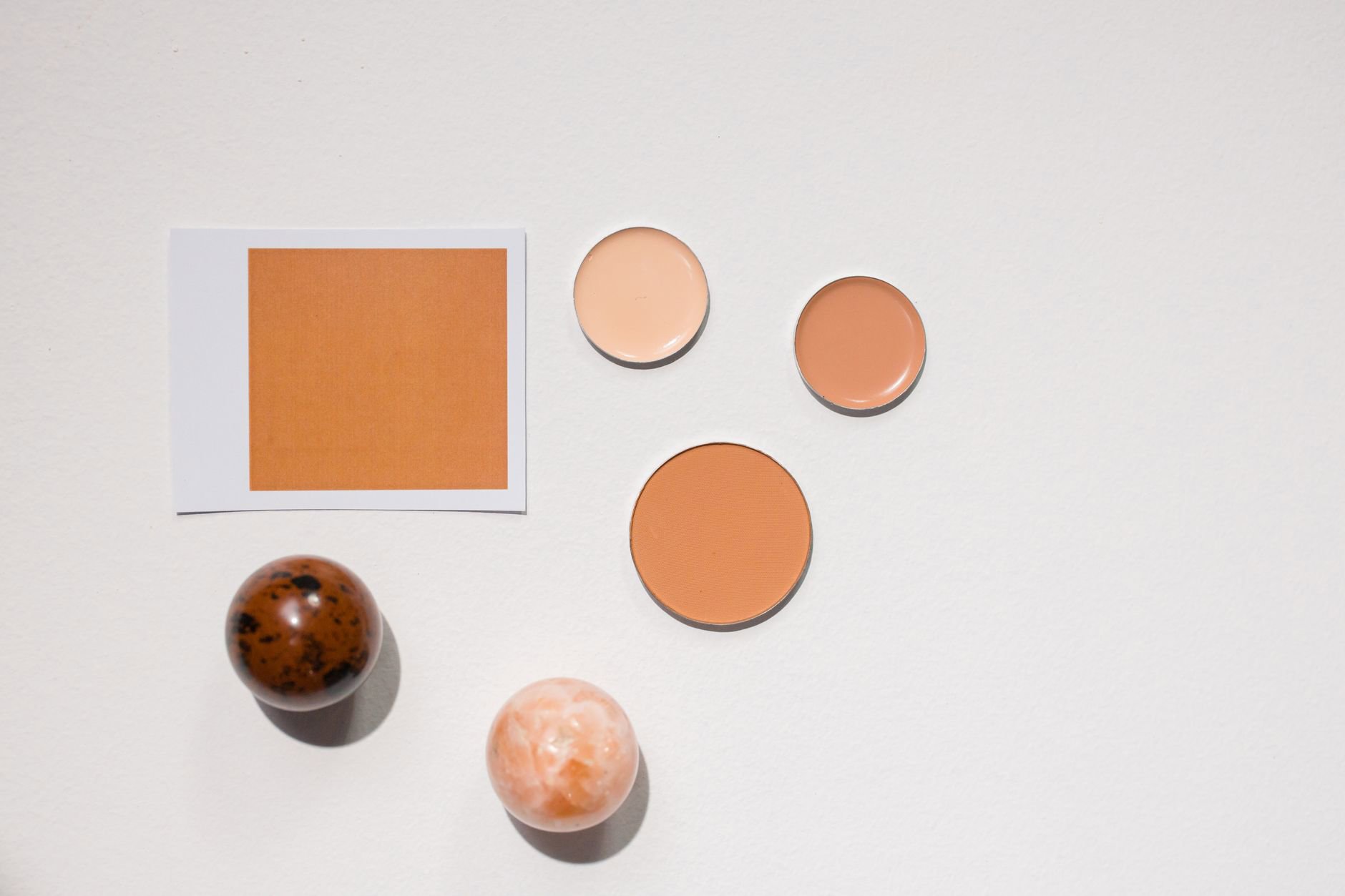
Pick your undertone goal: Do you want warmth (golden), neutrality (true tan), or sculpt (cooler brown)? Many “drugstore dupes” skew warm because warm reads like “healthy” in marketing photos.
Choose finish based on texture: If you have visible cheek texture, micro-shimmer can highlight it. A satin bronzer often looks smoother than a glittery one. If you want glow, add it separately with a highlighter rather than forcing it into bronzer.
Use the right placement: A dupe bronzer looks more believable when you place it higher and lighter than you think, then build. Start at the hairline and outer cheek, then connect softly. Heavy bronzer placement makes undertone mistakes obvious.
Hair tool “alternatives”: what to copy (and what to ignore)
Cosmopolitan’s “skip the $600” Dyson-alternative headline hits a real Canadian pain point: hair tools carry a big sticker shock here, and discounts don’t always run as deep north of the border.
We can’t promise any one tool will mimic another perfectly. We can give you a smarter comparison framework.
Copy the function: If you want a blowout look, you need airflow plus controlled tension. If you want curl, you need heat control plus barrel size that matches your hair length. “Multi-styler” marketing can blur these needs.
Prioritise heat control and warranty: For many women, the real value sits in consistent heat and decent consumer protections. A cheaper tool that overheats can cost more in breakage and replacement. Check Canadian warranty terms and return policies, because they vary by retailer.
Build a protection stack: Whatever tool you choose, pair it with a heat protectant and a nourishing wash routine. If your hair runs dry in winter, rotate in a richer conditioner from our Moisturising & Nourishing Conditioners category and consider a weekly mask from Hair Masks. That makes “alternative tool” results look smoother.
We’d also skip paying extra for attachments you won’t use. A simpler tool that you use weekly beats a deluxe kit that lives in a drawer.
Sustainability claims and “Planet Beautiful” initiatives: shop with receipts
Beauty Packaging’s headline about Saie and Sephora launching a Planet Beautiful initiative taps into a bigger shift: brands now sell values alongside products.
We support better packaging. We also think shoppers deserve specifics. “Initiative” language can mean anything from meaningful material changes to a limited-time campaign.
Our practical checklist for evaluating sustainability claims when you’re dupe shopping:
- Refillable or just reusable? A compact you can keep is nice. A true refill system changes your long-term cost and waste.
- Material clarity: Brands that list PCR percentages and component breakdowns give you something real to evaluate.
- Shipping realities in Canada: If a “better” option requires cross-border shipping and returns, the footprint math can get messy.
- Don’t pay a premium for vague language: If two products perform the same, choose the one that provides clearer packaging data.
If you want to keep the routine tight and lower-waste, buying fewer “experiment” products helps most. That means fewer impulsive dupes and more deliberate swaps.
Indigenous-led beauty and the dupe conversation: value isn’t only price
LakelandToday.ca’s headline about Indigenous-led beauty and business points to something the dupe discourse often misses: value can include who gets supported, not just what you save.
We don’t treat Indigenous-led brands as a trend category or a marketing angle. We treat them as businesses that deserve the same smart shopping approach: check ingredients, performance claims, and availability in Canada. Then decide if the product earns a spot.
Here’s the practical part: if you want to support smaller Canadian brands, you can still be strategic. Use dupes where the market overcharges (basic brow gels, some powders, certain cleansers), and spend intentionally on products where formulation or brand mission matters to you.
That balance keeps your routine affordable without reducing every purchase to a “cheapest wins” race.
What this means for your routine (and your wallet)
Dupes work best when you treat them like a controlled swap, not a shopping spree. Pick one product category to dupe at a time, and keep the rest of your routine stable for two weeks. That helps you spot whether the swap improves things, changes nothing, or quietly irritates your skin.
In Canada, we’d put “dupe-friendly” categories in this order: blush, bronzer, basic lip products, cleansers, and uncomplicated moisturisers. We’d treat high-performance sunscreen, strong actives, and shade-critical foundation as categories where you move slower and test harder. If you want to browse smarter, start with staples like Day Face Moisturisers and layer in one targeted step from Anti Ageing Face Serums only when your base routine feels stable.
Tell us what you’re trying to dupe
Which product are you trying to replace right now: a foundation, a blush, a moisturiser, or a hair tool? If you share the exact product name and what you like about it (finish, wear time, shade, scent-free), we’ll tell you what to match—and what to ignore—when you shop Canadian retailers.