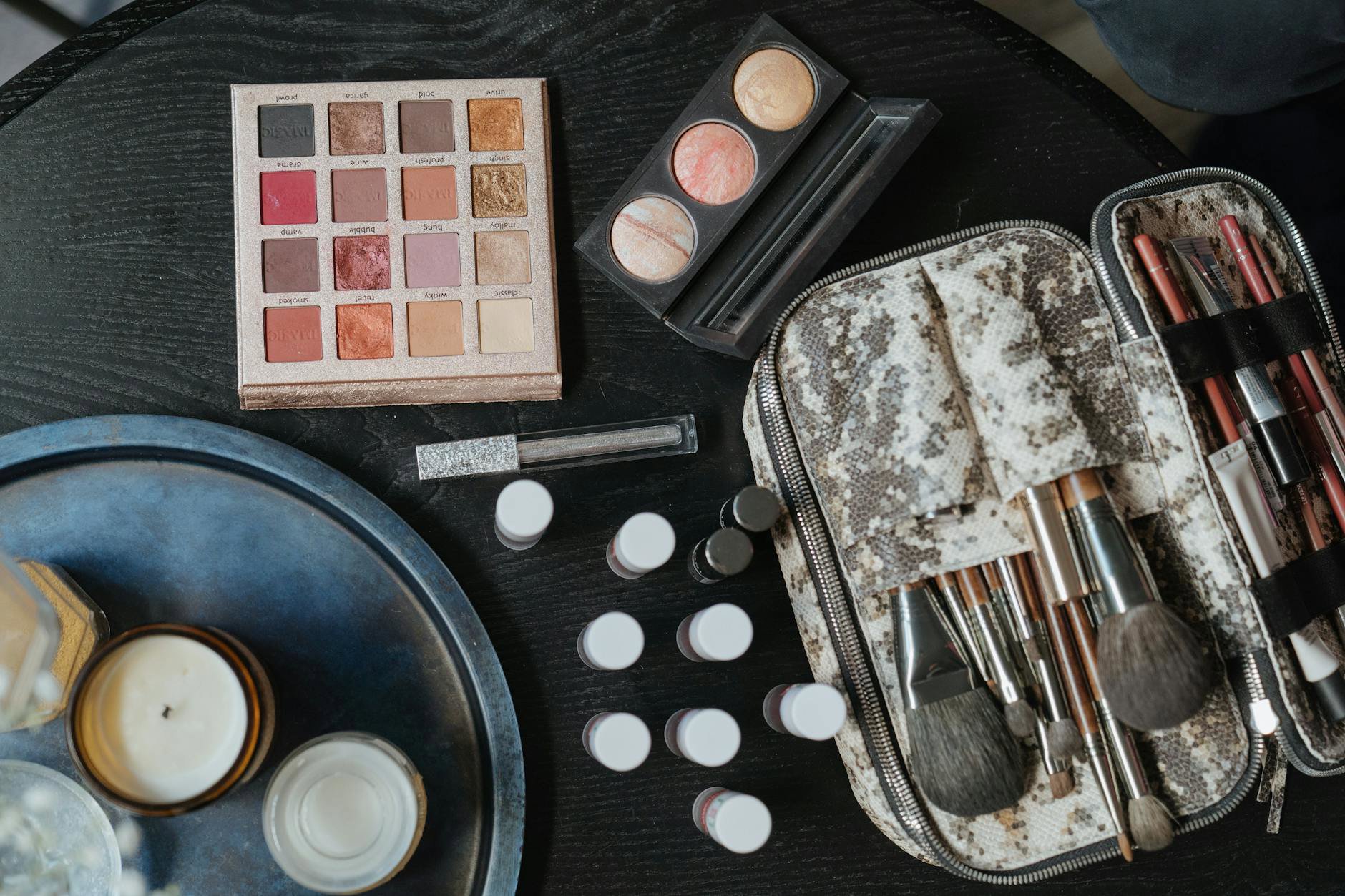
Natasha Denona’s return to Sephora Canada reads like a simple restock story. We don’t see it that way.
When a prestige colour brand re-enters a major Canadian retailer, it usually triggers a familiar cycle: limited shade availability, fast sell-through on hero palettes, and a price premium that makes “impulse buy” feel like a dare.
So our take is blunt: treat this launch like a planned purchase, not a mood. If you buy the right formats and the right finishes, Natasha Denona can be a long-wear workhorse in a Canadian climate. If you buy the wrong ones, you pay luxury prices for fallout, dryness, and shades you’ll never hit pan on.
Why this Sephora Canada moment matters (and why it’s not just hype)
ELLE Canada’s headline frames it as “back and better than ever.” The useful part for Canadian shoppers sits underneath that excitement: distribution changes what’s actually easy to buy, return, and replace.
When a brand sits outside mainstream Canadian retail, shoppers often rely on cross-border orders. That brings duties, exchange-rate pain, and complicated returns. Sephora Canada availability changes the risk math. You can shade-check in person, you can return within policy, and you can repurchase singles or sister palettes without hunting resale listings.
It also changes the dupe conversation. Once a prestige brand becomes easy to access, drugstore and mid-range alternatives stop feeling “second best” and start feeling like deliberate choices. That’s where GlamGeek readers win. Our platform exists for this exact moment: compare options, watch pricing patterns, and buy only when the value lines up.
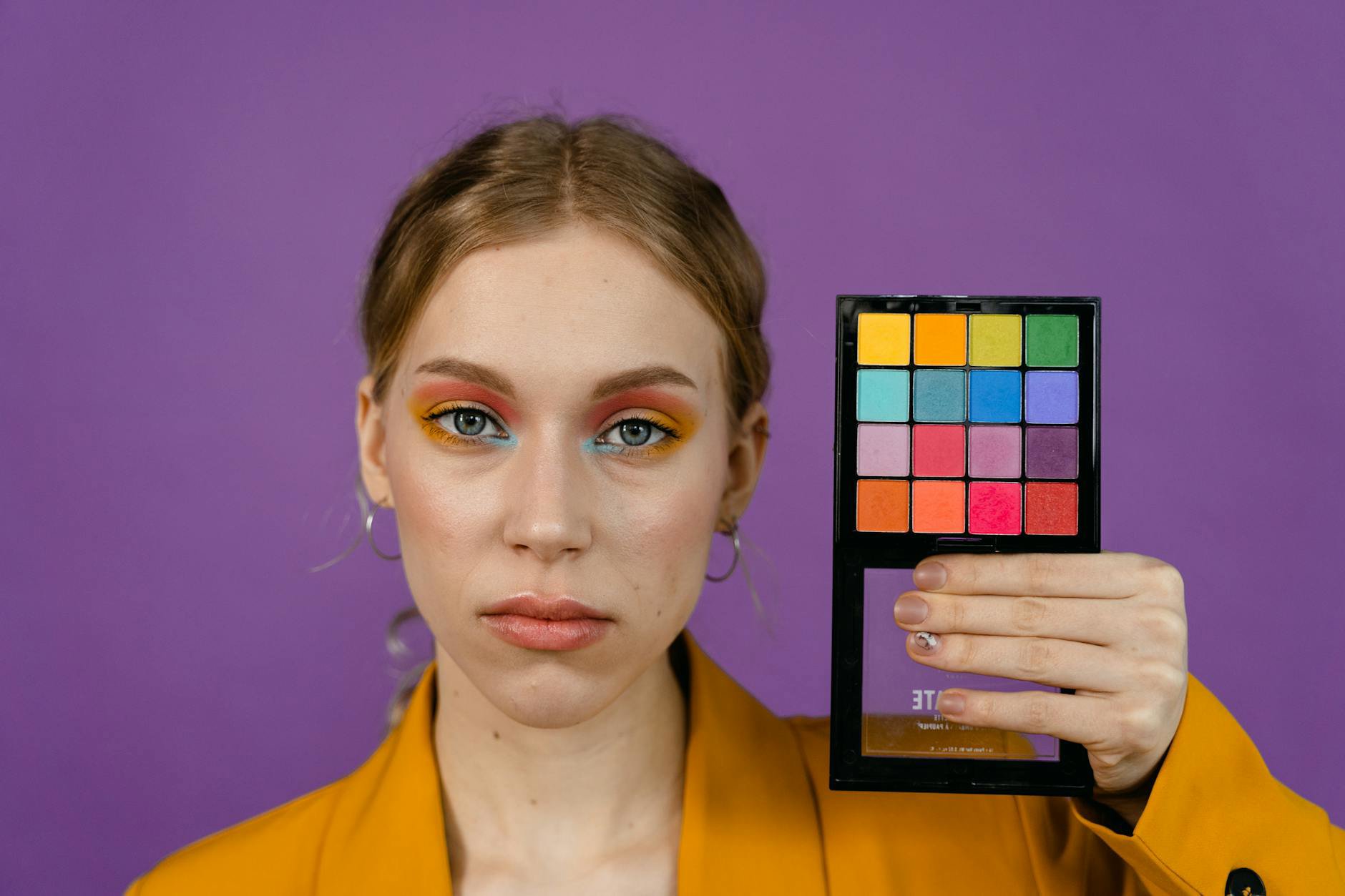
We also want to name the Canada factor. Dry indoor heating plus long coat-season makeup habits push many women toward formulas that blend without over-buffing. Over-blending can lift base makeup and exaggerate texture. A buttery matte that diffuses quickly matters more here than it does in humid climates.
Start with a “finish audit”: which Natasha Denona formulas suit Canada best
Before you choose a palette, choose a finish. Canadian winter air punishes the wrong shimmer and the wrong matte.
Matte formulas: Look for mattes that build without turning chalky. In practice, that means you should do less “windshield-wiper blending” and more controlled placement. Tap colour into the crease with a smaller brush, then feather the edges with a clean fluffy brush. This technique keeps pigment on the lid and stops the diffused haze that can make eyes look tired by 3 p.m.
Metallics and foils: These can look stunning, but they also show dryness on textured lids. The fix is prep, not more product. Use a thin layer of eye cream, wait five minutes, then add a tiny amount of tacky base only where you want shine. Don’t set that base with powder first.
Sparkly toppers: In a Canadian coat-and-scarf world, fallout travels. If you love sparkle, apply after complexion, and keep micellar water on a cotton bud nearby. Better yet, press shimmer on with a fingertip and leave the brush out of it.
If you want to browse alternatives while you decide, we keep Canadian retailer pricing and shade families organised across Eye Shadow Palettes. That’s the easiest way to compare “neutral warm,” “neutral cool,” and “pink-brown” stories without getting pulled into marketing names.
Mini palettes vs full-size: the smartest way to buy Natasha Denona in Canada
Full-size palettes look like value. They often aren’t.
Most women rotate through multiple palettes, plus a few one-and-done shades. That means a big palette can become expensive clutter, especially when half the shades sit in a similar mid-tone range. Minis solve the real problem: they let you actually finish shades, learn what finishes you like, and avoid paying for repetition.
Here’s the buying framework we recommend for Sephora Canada shoppers:
- Choose a mini if you want a tight colour story for weekday wear, you travel, or you know you won’t use deep shades often.
- Choose full-size if you do editorial looks, you need multiple depth levels for your skin tone, or you rely on one palette as your main wardrobe.
- Skip both (for now) if you mostly wear one shimmer and one matte. Build that duo with singles you already own and spend the budget on brushes.
- Buy during a points event when possible. Prestige shadow rarely gets steep discounts in Canada, so points or value sets often beat waiting for a price drop.
Brushes matter more than most people admit. A dense shader packs colour. A small tapered blender does the crease. A clean fluffy brush diffuses edges. If your kit needs upgrades, compare options under Makeup Brushes & Applicators and prioritise shape over brand name.
One more Canada-specific note: if you wear glasses, mini palettes often win. You need less gradient and more clean placement. A curated five-pan palette reduces muddy transitions that get hidden behind frames anyway.
What to buy first: three practical “wardrobe” directions
A palette should solve a daily problem. It should not create a new one.
1) The office-to-dinner neutral. Choose a palette that gives you: one light matte, two mid-tone mattes, one deep matte, and one metallic that works as a one-and-done. That structure builds a complete look quickly. It also handles Canadian winter lighting, which can make flat beige look washed out.
2) The soft pink-brown that doesn’t read “teen.” Pink-based neutrals can look chic, but only if they include a grounding brown. Without it, the look pulls red and can mimic irritation around the eyes. Pair pink shimmers with a neutral brown crease shade and keep the lower lash line clean.
3) The cool-leaning taupe edit. Cool palettes often sell out fast because they suit both minimal makeup and smoky looks. The trick is undertone control. If your skin reads olive, pick taupes with a hint of brown. If your skin reads rosy, you can go greyer without looking bruised.
If you want budget-friendly companions for these looks, we’d look at KIKO for everyday neutrals and NYX for primers and liners that do the job without competing with the eyeshadow budget.
We also recommend planning your base makeup alongside your palette. A high-impact eye plus a too-matte foundation can look heavy in dry weather. If you need a refresh, compare finishes and wear time across Liquid Foundations before you commit to a new “full beat” routine.
Technique that makes expensive shadow look expensive (and last on Canadian lids)
Even the best palette can crease if you use the wrong prep. Canadian indoor heating makes that more common, not less.
Step 1: de-grease, don’t strip. If your eyelids get oily, sweep a tiny amount of micellar water over the lid, then let it dry. Don’t scrub. You want a clean surface, not irritation.
Step 2: choose one base strategy. Either use a thin eye primer, or use a small dab of concealer and set it lightly. Don’t stack both. Too many layers cause pilling and patchy blending.
Step 3: pack, then blend. Press your mid-tone matte into the crease area first. Then blend only the edge. This keeps colour saturated and prevents the “all the shades became one” problem.
Step 4: metallics go on last, with intention. Use a fingertip for maximum shine, or a damp flat brush for precision. If you fear fallout, do your shimmer before mascara and clean up with a cotton bud.
Step 5: lock it in for scarf season. If you wear a lot of knitwear, finish with a light mist of setting spray after mascara dries. It helps reduce transfer when you pull sweaters over your head.
For mascara pairing, choose something that holds curl in cold air. Tubing mascaras often resist smudging in slushy weather. If you need to compare formats, we keep options organised under Mascaras.
When to skip Natasha Denona (and what to buy instead)
Prestige palettes make sense when the formula solves a problem you can’t solve cheaper. Otherwise, the math fails.
Skip if you only want one statement shade. You can get a single standout shimmer from other brands without paying for a full story. Look at Revolution for trend shades that scratch the itch with less commitment.
Skip if you hate visible texture. Some high-shine formulas emphasise lid texture. If that’s a dealbreaker, buy satin shimmers instead of foils. Many mid-range palettes offer satins that look polished in daylight and kinder up close.
Skip if you never use deep shades. A lot of palettes include two or three deep tones that suit smoky looks. If you won’t touch them, you’re paying for pigment you won’t use. In that case, a smaller palette or a curated quad makes more sense.
What to buy instead depends on your goal:
- For everyday neutrals: Clinique often does understated, office-friendly colour that blends fast.
- For big glam: Charlotte Tilbury leans into glow and easy placement, though you should still check Canadian pricing before you commit.
- For liner and base support: MAC remains a reliable stop for pro staples that make any palette work harder.
- For value when you want variety: watch for Makeup Sets around seasonal drops, since sets often beat single-item pricing in Canada.
We also keep an eye on affordability headlines, including the Toronto.com note about Dollarama’s expanding beauty aisle. That can work for tools and basics. It rarely wins on nuanced eyeshadow textures, so we’d keep expectations realistic.
How this fits the bigger 2026 market: “more bang for your buck” wins
Several of your headlines point to the same consumer mood. Haircare trend pieces talk about value. Canadian industry stats highlight big spend. Even fragrance roundups push “best of” lists that tempt over-buying.
Our read: Canadian beauty shopping in 2026 rewards tight editing. You don’t need 12 palettes. You need one palette that covers your life, plus one fun option that you actually wear.
That also aligns with what dermatologists have told Canadian media: most routines need fewer products than people think. Makeup works the same way. A small kit with strong basics usually looks better than a crowded vanity with overlapping shades.
If you want a practical way to enforce that, use a “two-week rule.” When you want a palette, save it for two weeks. If you still want it, buy it. If you forget it, you just saved yourself a premium purchase.
And if your budget has to stretch across categories, prioritise what changes your face most. For many women, that’s base and brows before eyeshadow. For others, it’s a signature lip. If you want to rebalance your kit, compare finishes and undertones across Lipsticks and keep eyeshadow as the final add-on, not the first.
What this means for your cart (practical takeaways for Canada)
Buy Natasha Denona because you want the formula and the colour story, not because the brand returned to Sephora Canada. Availability makes shopping easier. It doesn’t make every palette worth it.
For most GlamGeek readers, the best play looks like this: start with a mini palette that matches your undertone, add one reliable primer, and upgrade one or two brushes. Then stop. Wear it for a month. Track which shades you reach for. That data tells you whether a full-size palette will earn its keep.
If you live in a drier part of Canada or spend a lot of time in heated indoor air, keep your lid prep simple and hydrating. Choose satins and softly reflective metallics for daytime. Save intense foils and sparkle for nights when you can control fallout and lighting.
Tell us what you’re eyeing at Sephora Canada
Are you shopping Natasha Denona for a practical everyday palette, or do you want a statement finish that you can’t replicate with what you own?
If you share your undertone (cool, warm, olive, neutral) and your usual eye look (one-and-done, soft glam, smoky), we’ll point you toward the palette style that makes the most sense for your budget.